



what shaped the heineken collection this year

A clearer way of working
The start of a new strategic period brought sharper focus to how the Collection operates. With For‑EverGreen: our history, our future, priorities were clarified and ways of working further aligned. This reduced pressure from ad hoc requests and made it easier to plan work that benefits from continuity.
Much of this effort remained largely invisible. Registration practices were refined, systems prepared for the next phase of data management, and Archive Revive continued as planned. These activities rarely draw attention, but they are essential to keeping the Collection reliable and manageable at scale.
Over the year, this focus on structure and alignment led to a more consistent and disciplined way of working.
Heritage in use
Heritage continued to be applied where context adds value. Throughout the year, senior leaders and global teams worked with historical perspective to support leadership dialogue, strategic storytelling and future‑facing initiatives.
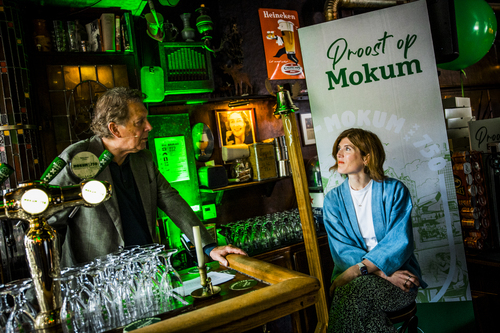
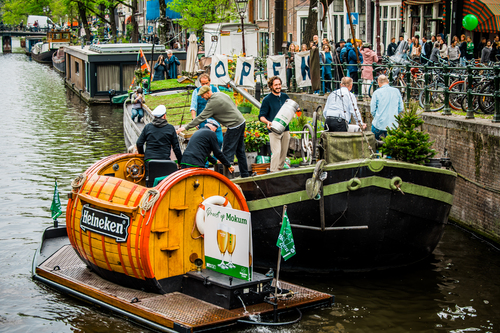
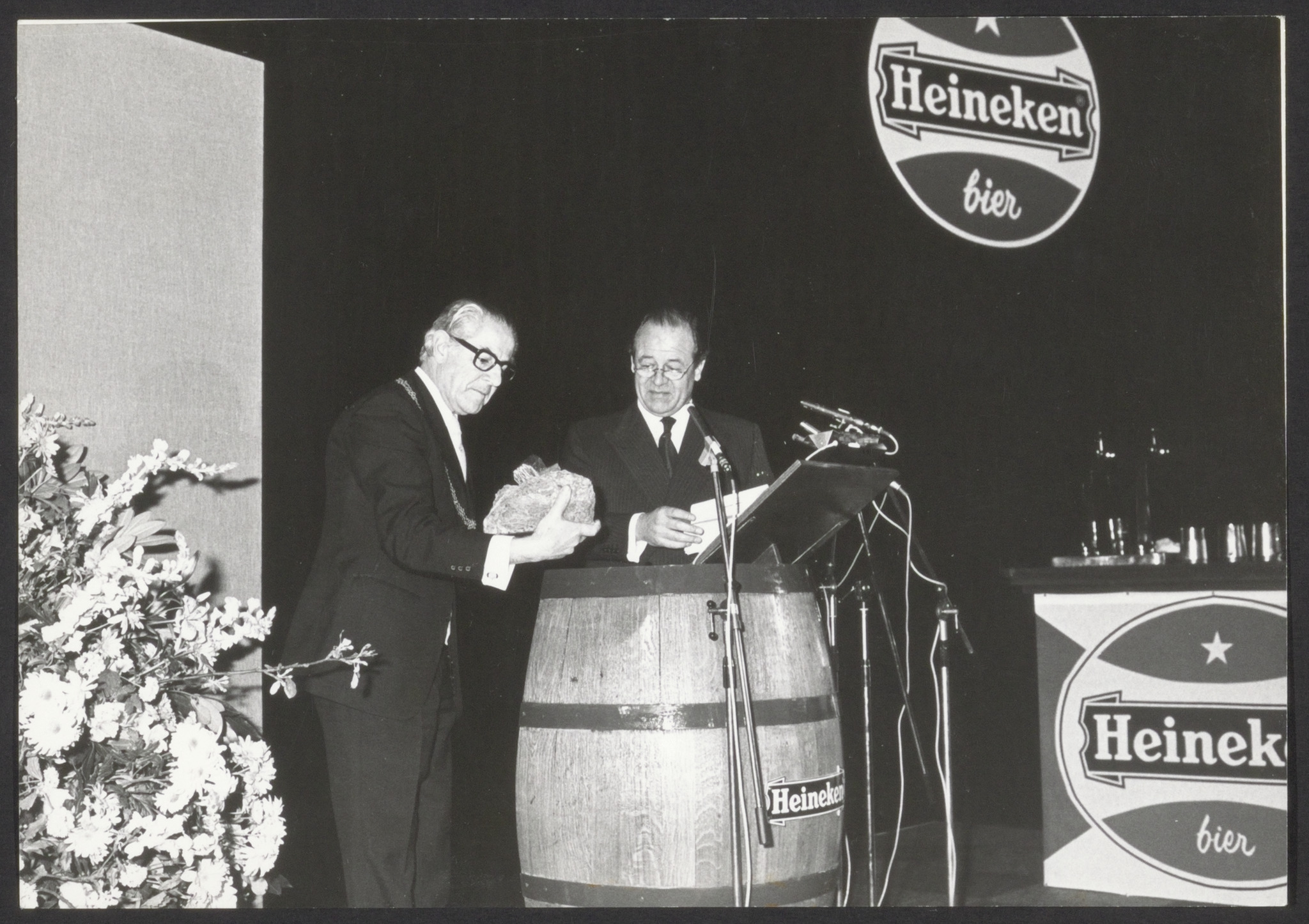
This became visible at several key organisational moments. At the opening of HEINEKEN’s new R&D Centre, history was embedded in the programme through a curated mini‑exhibition and narrative framing. During Amsterdam’s 750th anniversary, the Collection helped position Heineken’s story within the city’s broader cultural history.
Long‑standing partnerships such as SAIL Amsterdam were also placed within a wider historical narrative rather than presented as standalone milestones. Together, these moments show how historical context continues to function as a practical reference in the present.
Stories built to last
The focus this year was on completing longer‑running projects, while more efficient ways of working helped create space for initiatives that require time, focus and a clear link to the EverGreen 2030 priorities.
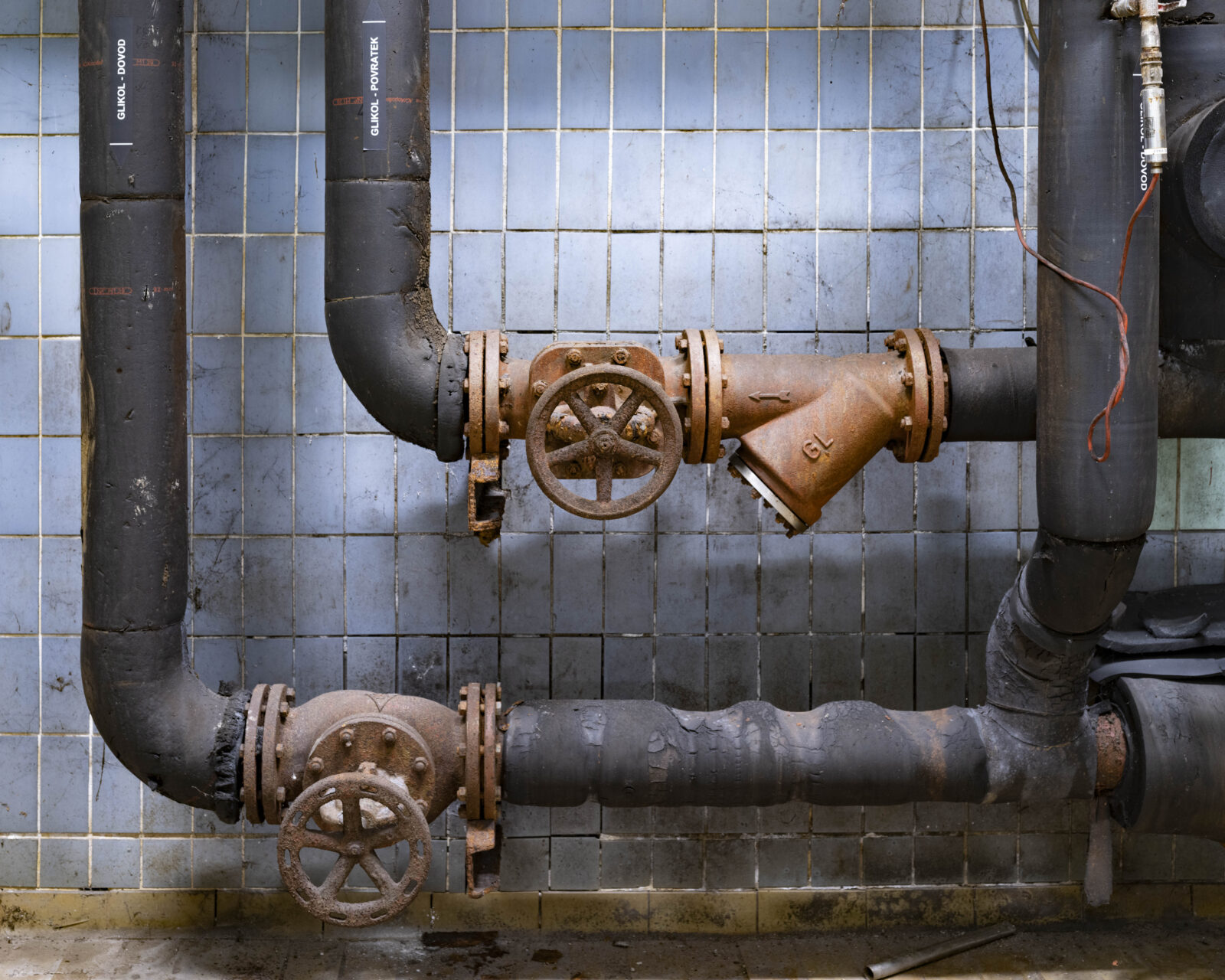
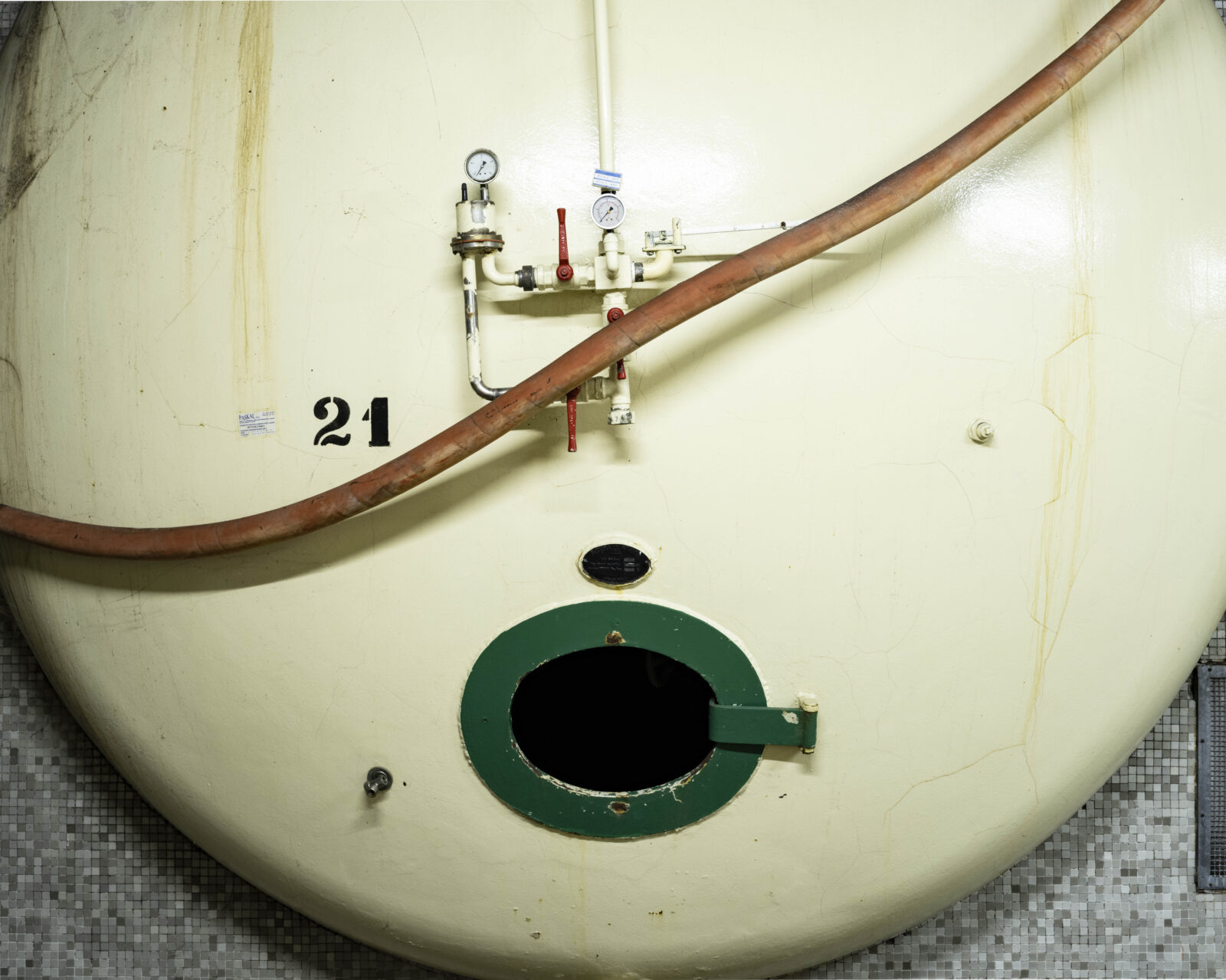
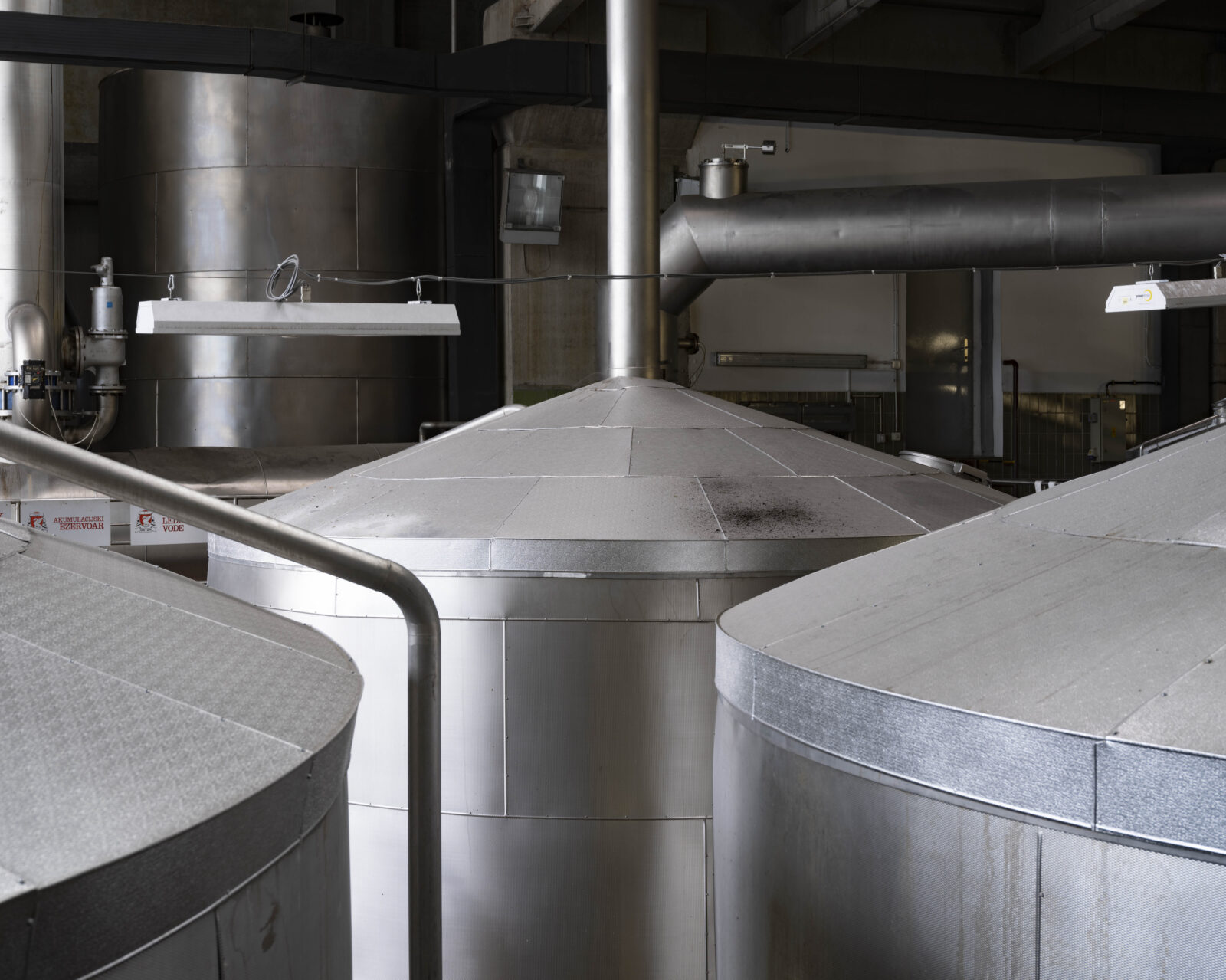
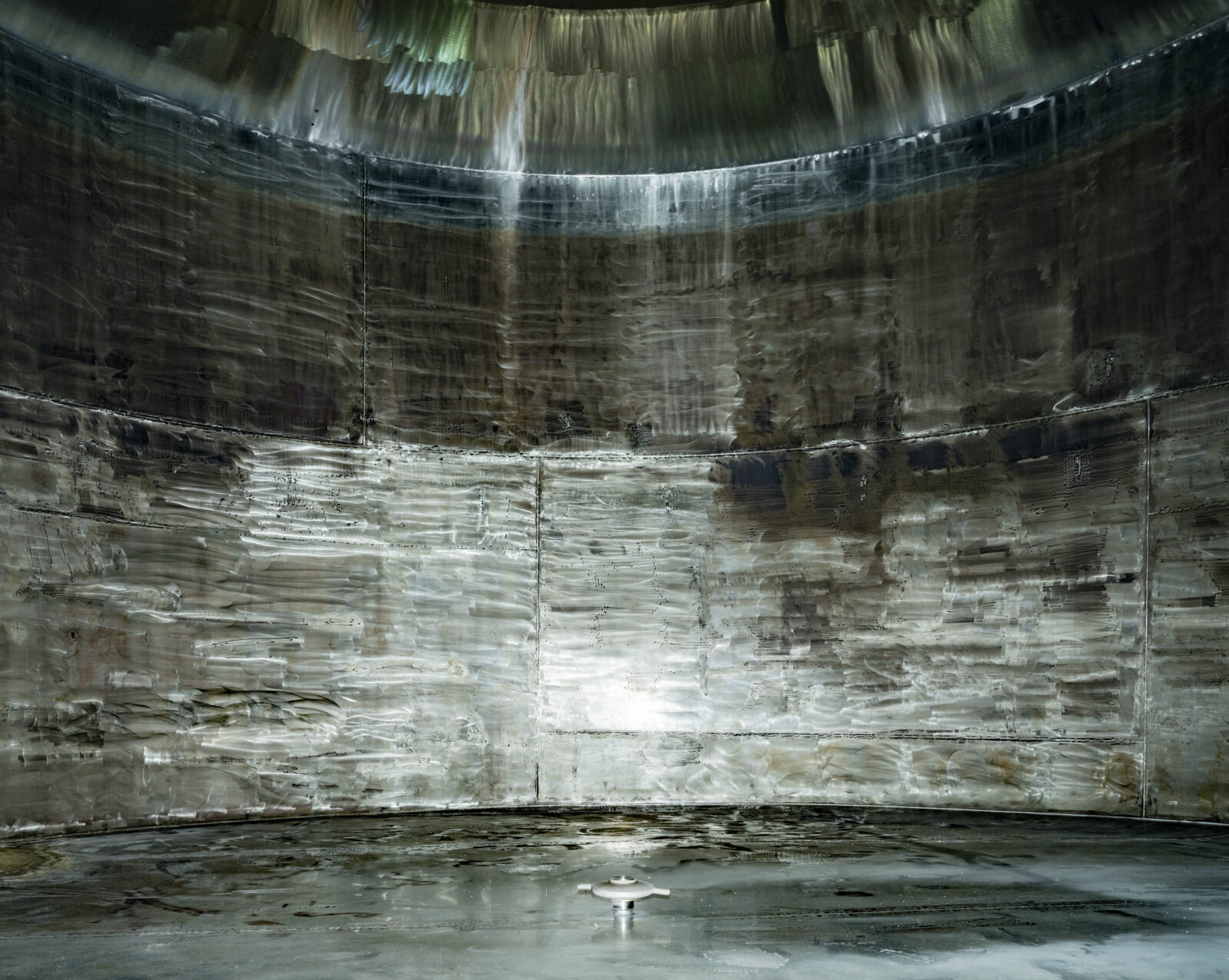
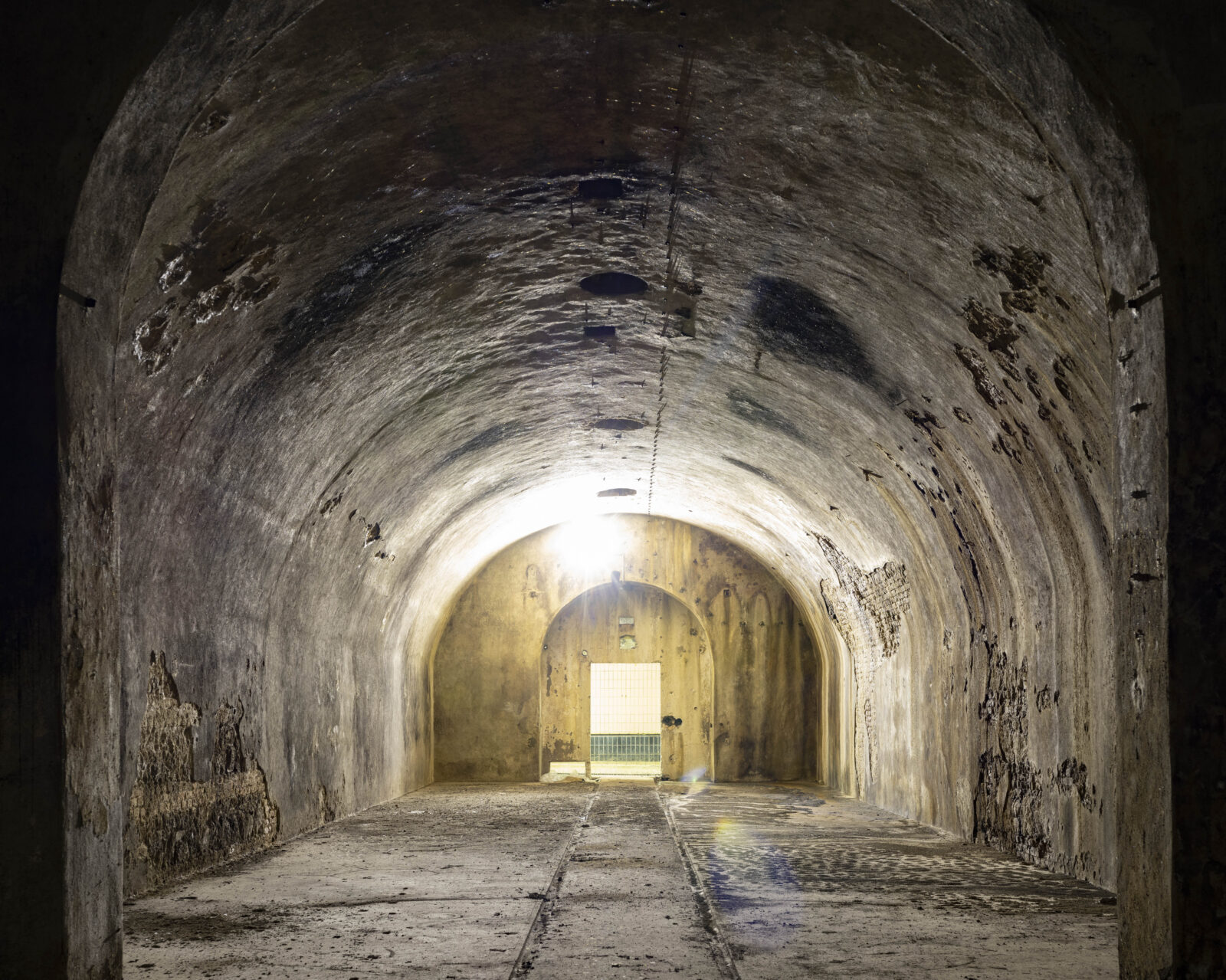
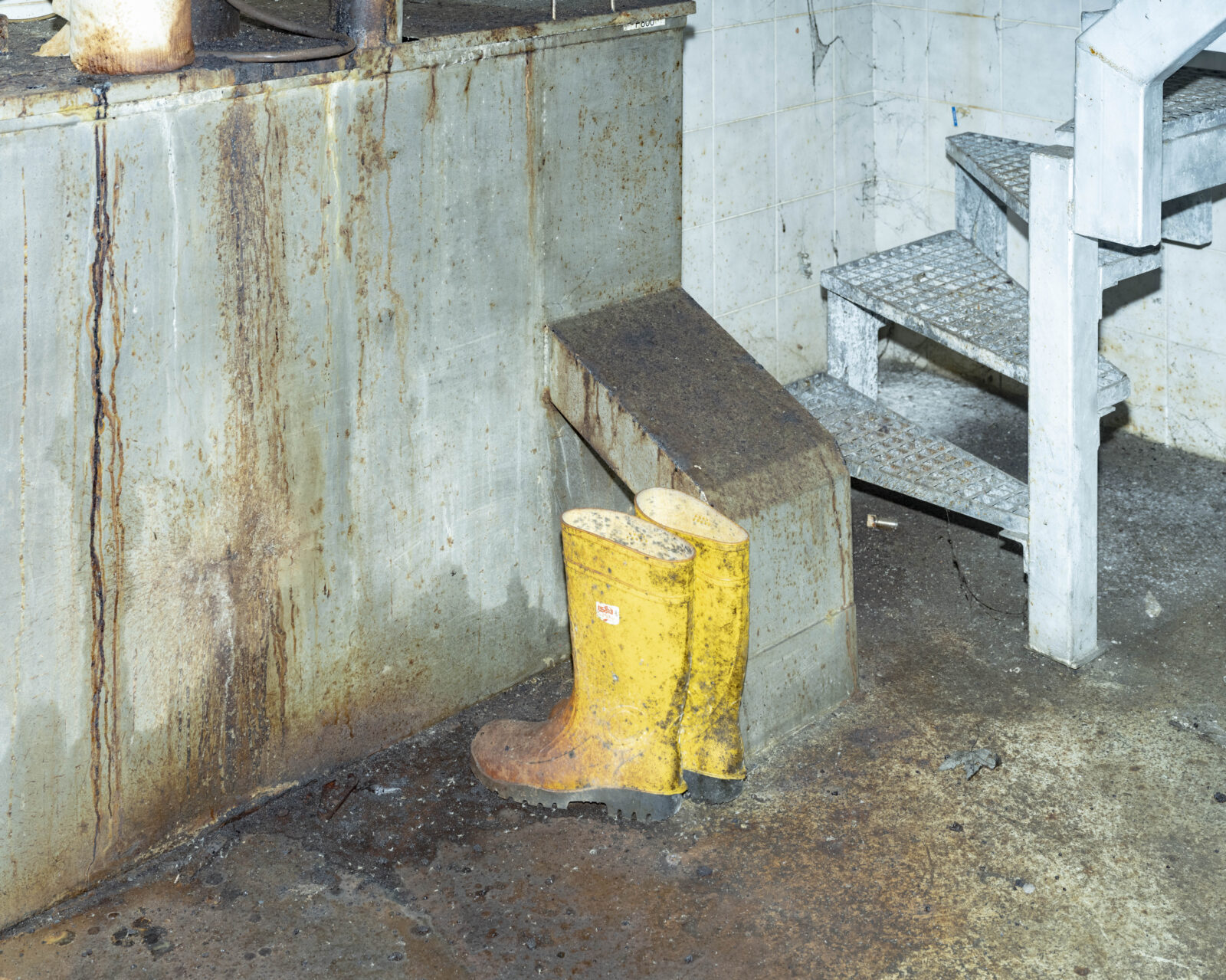
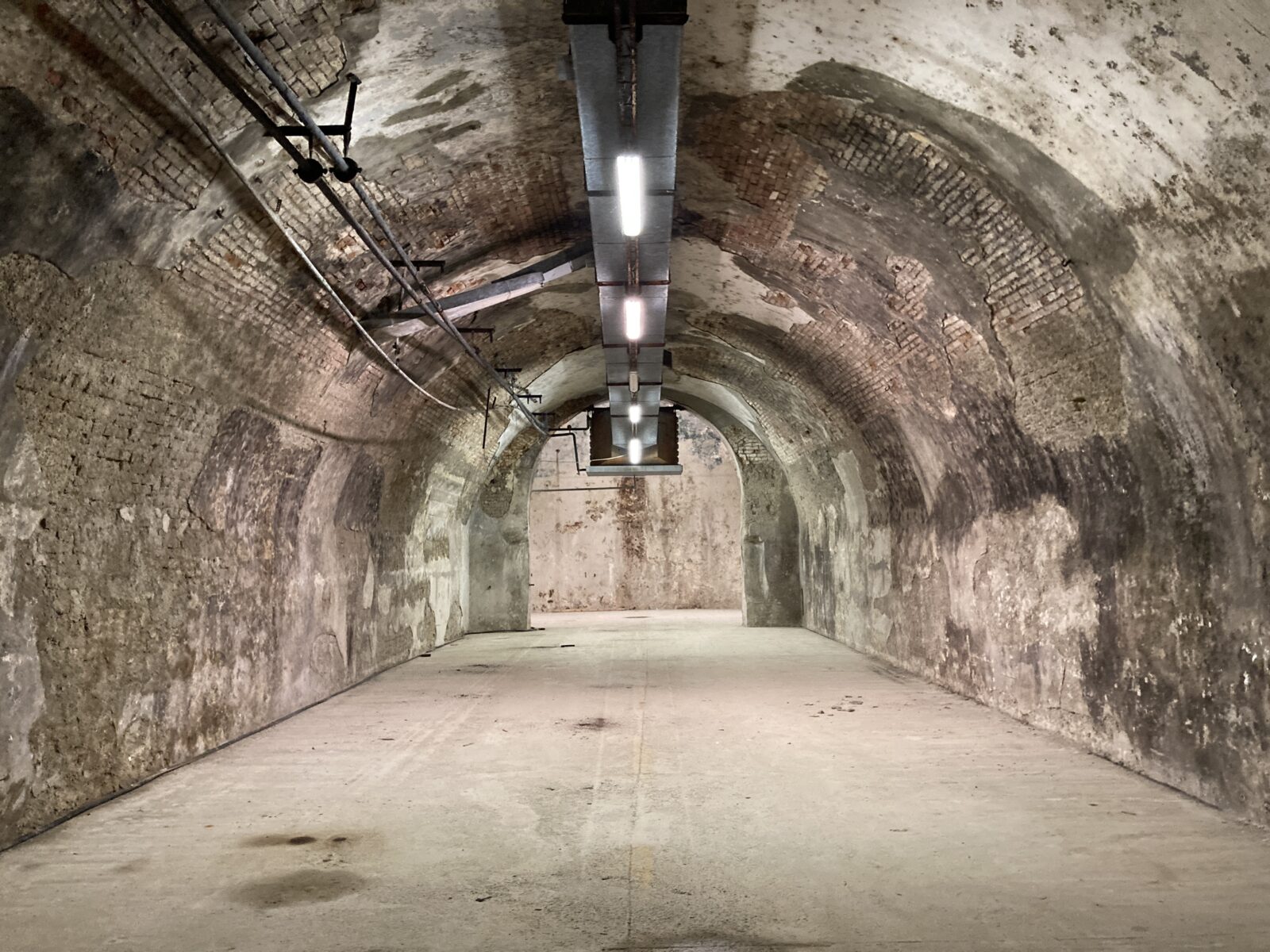
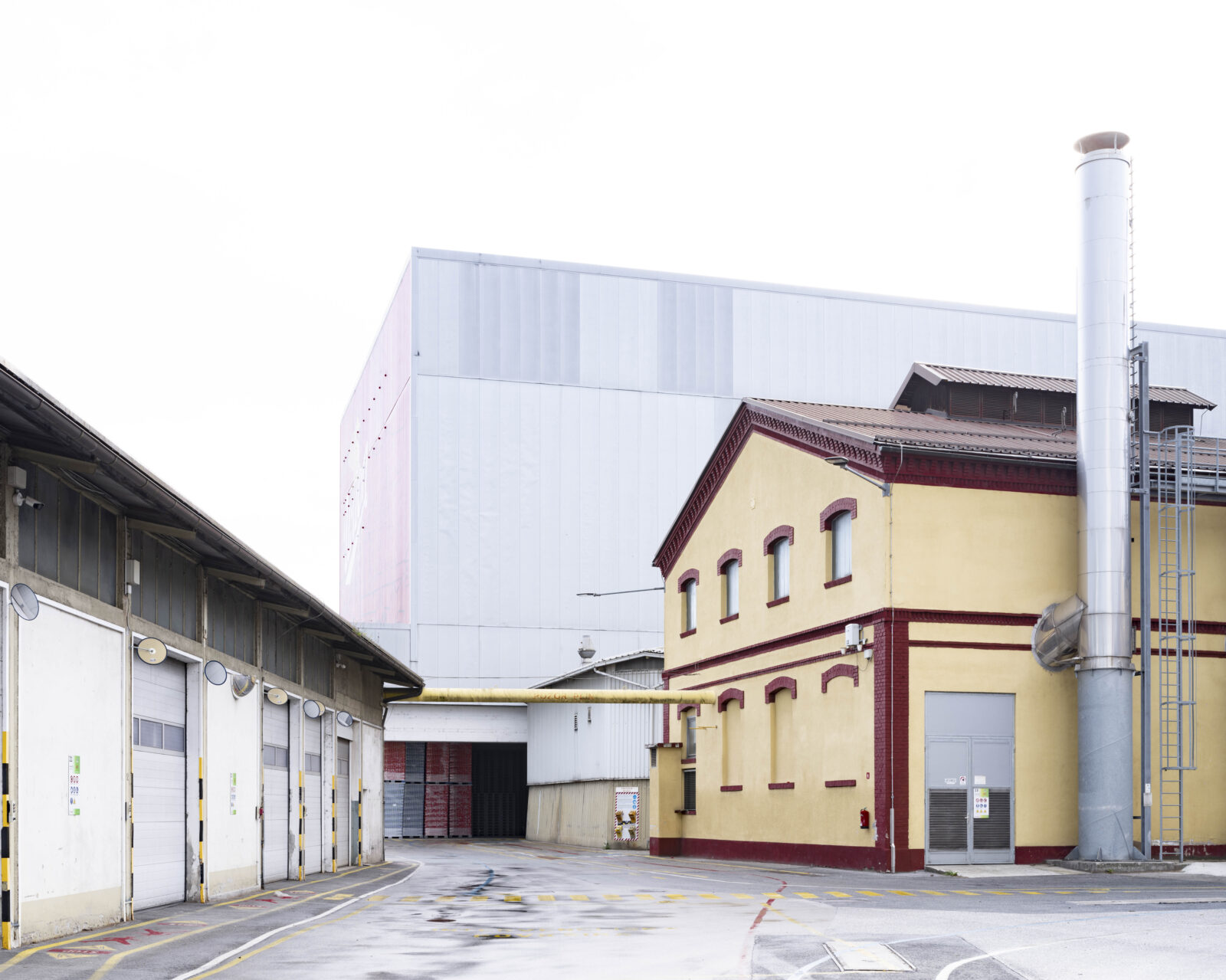
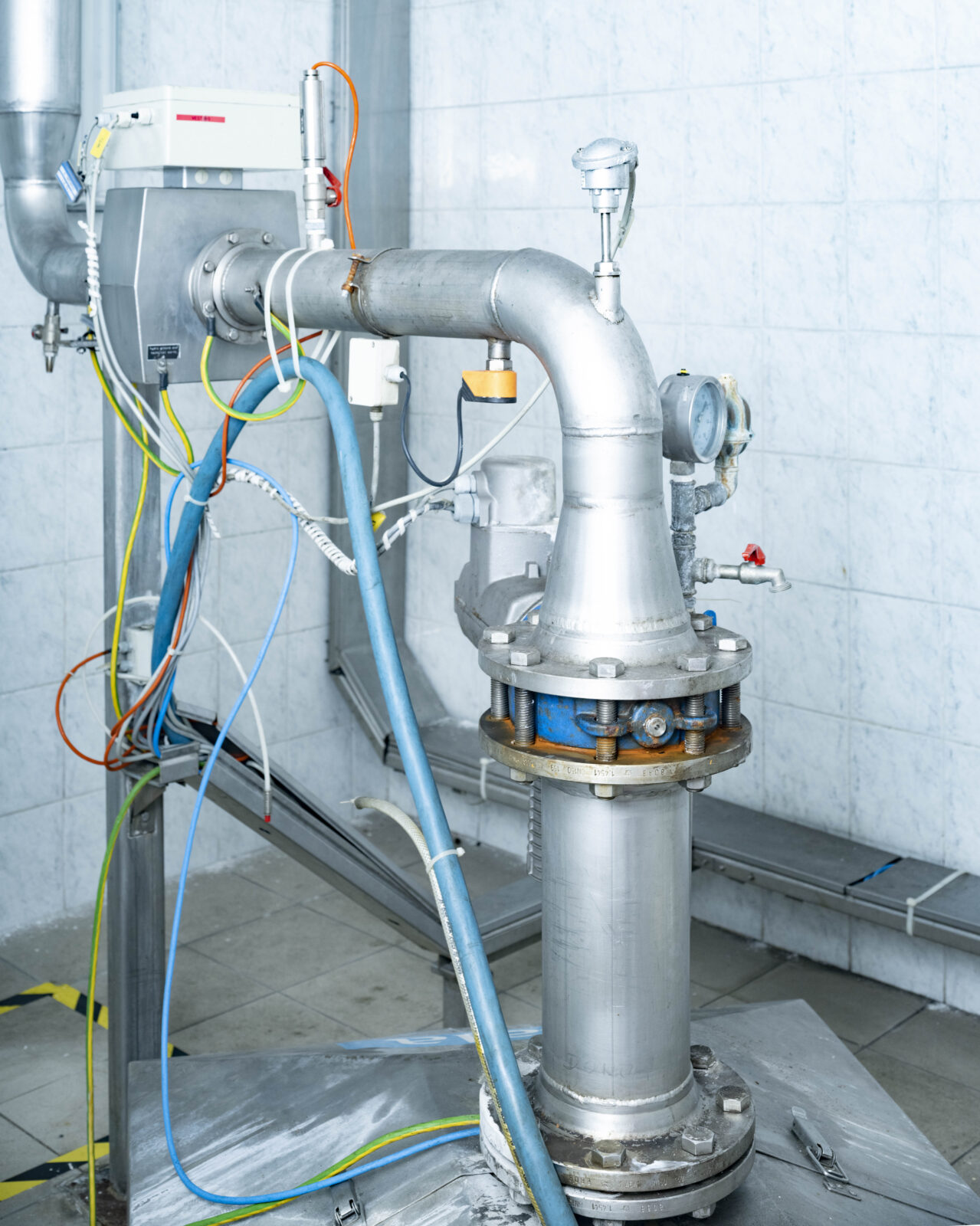
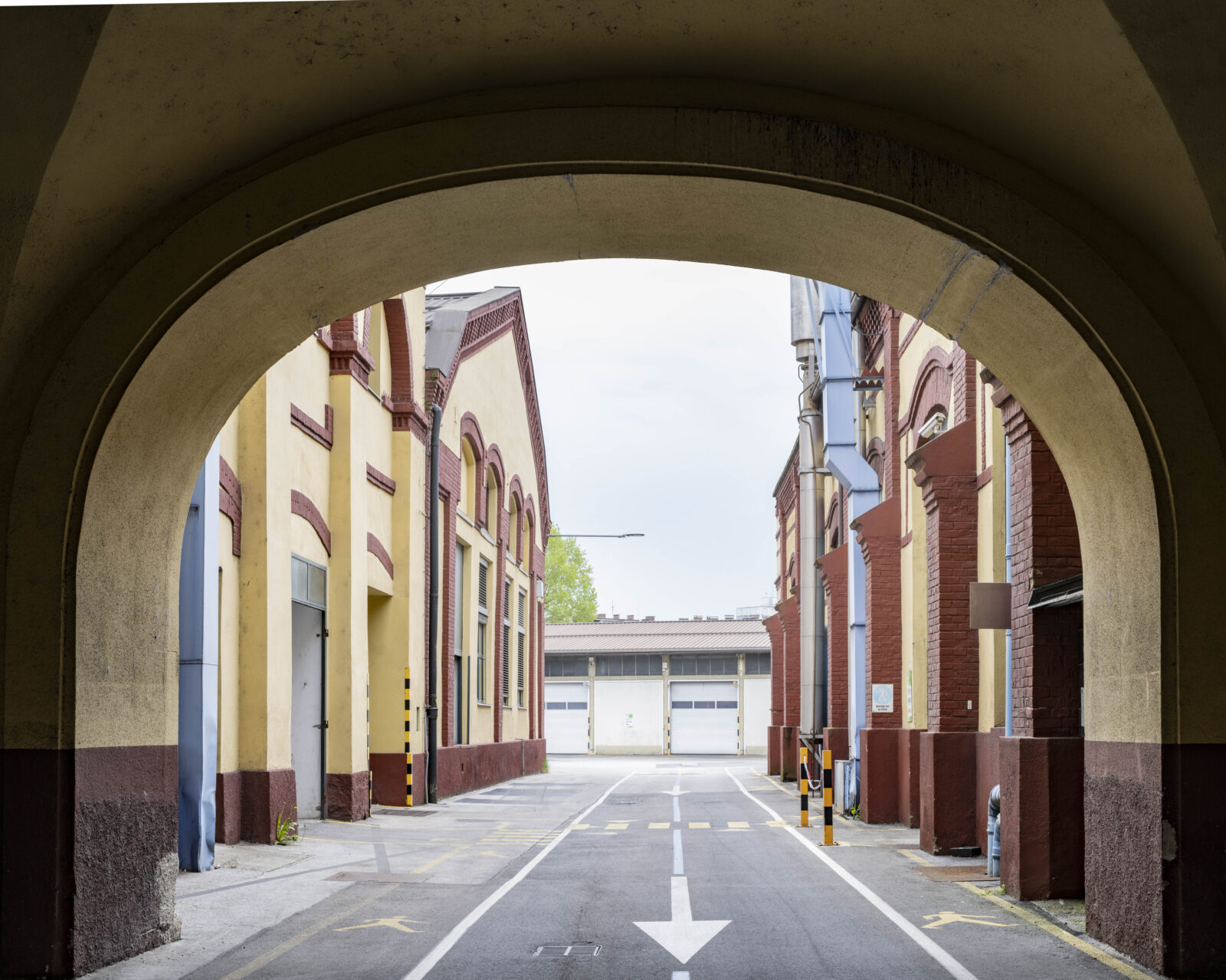
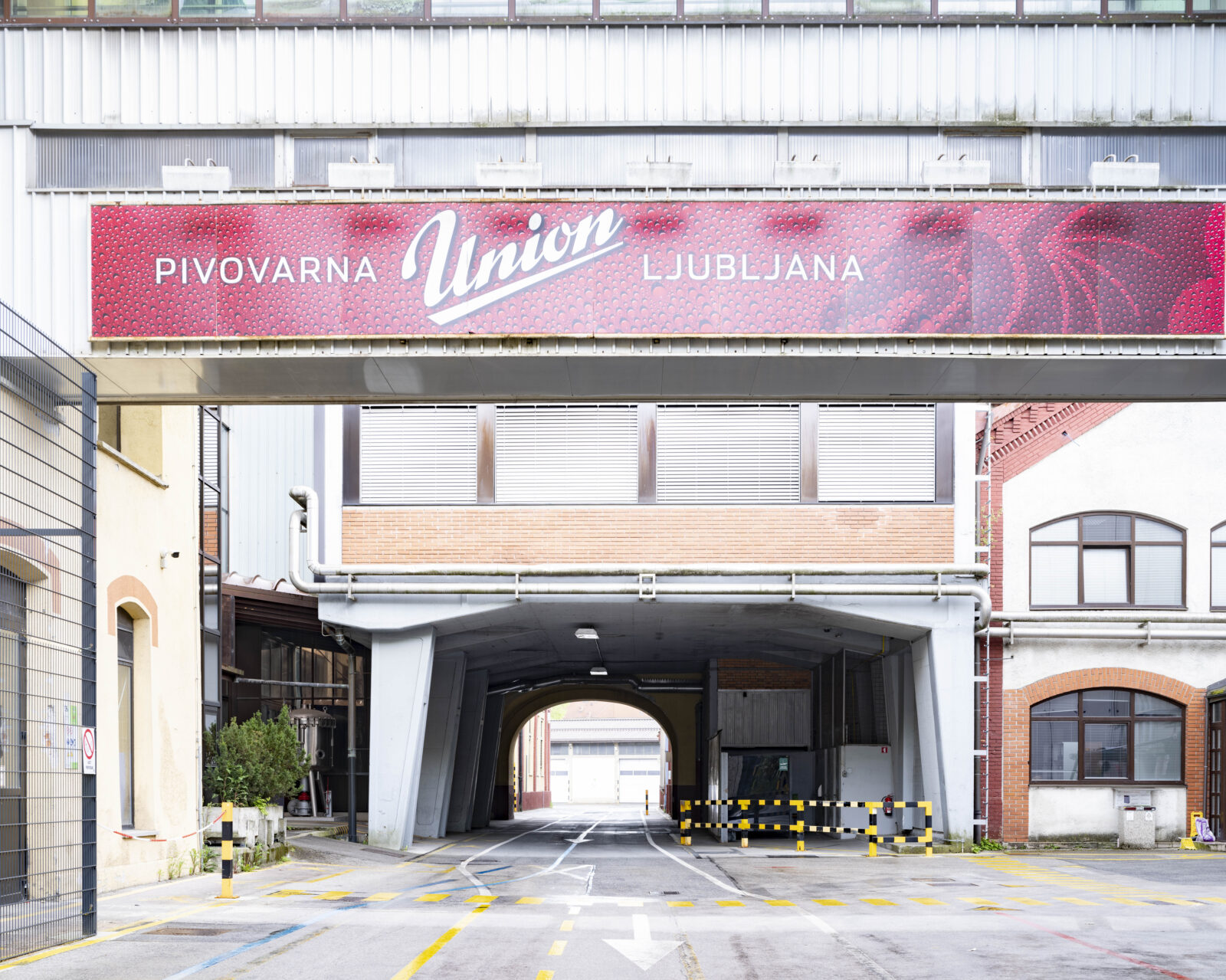
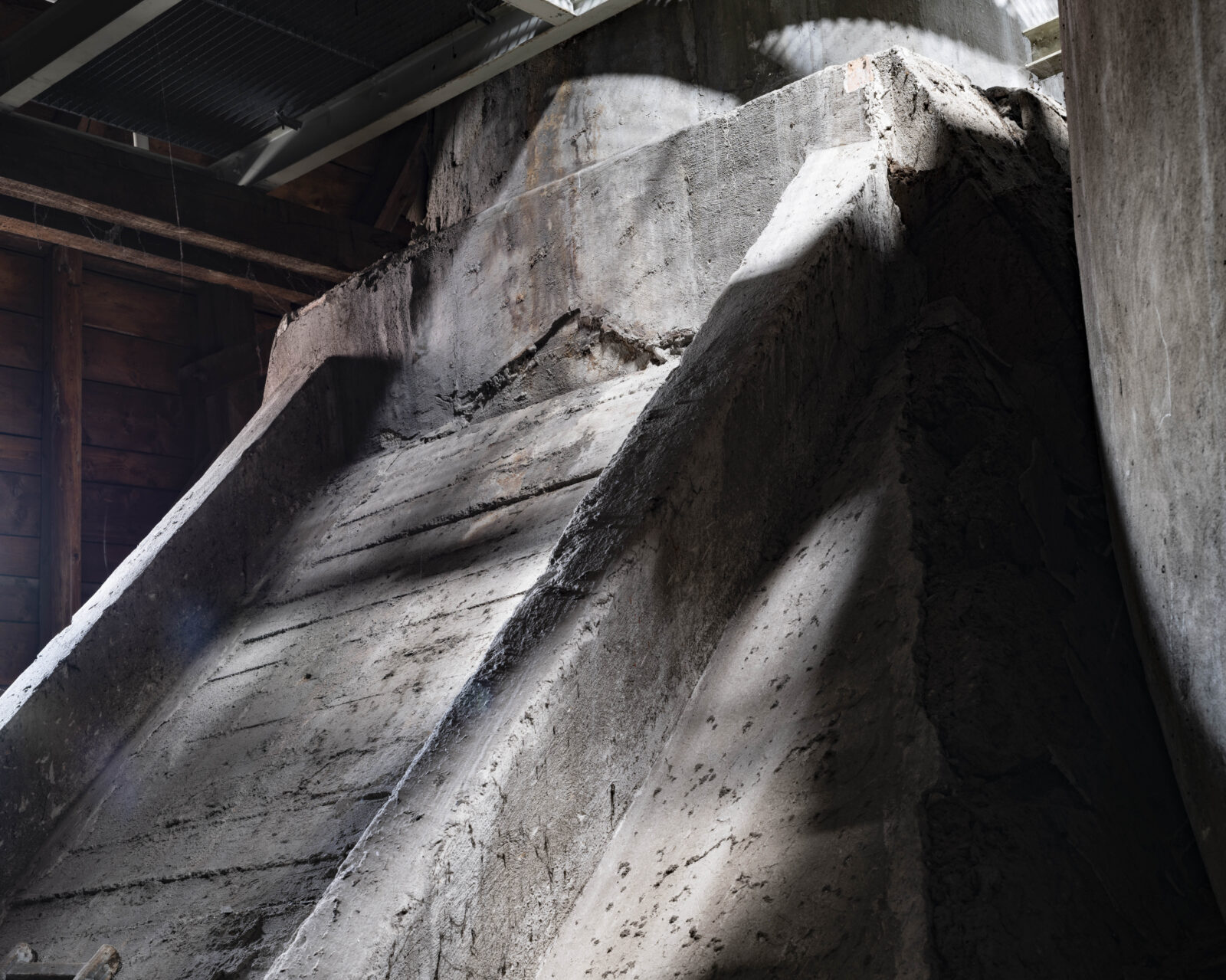
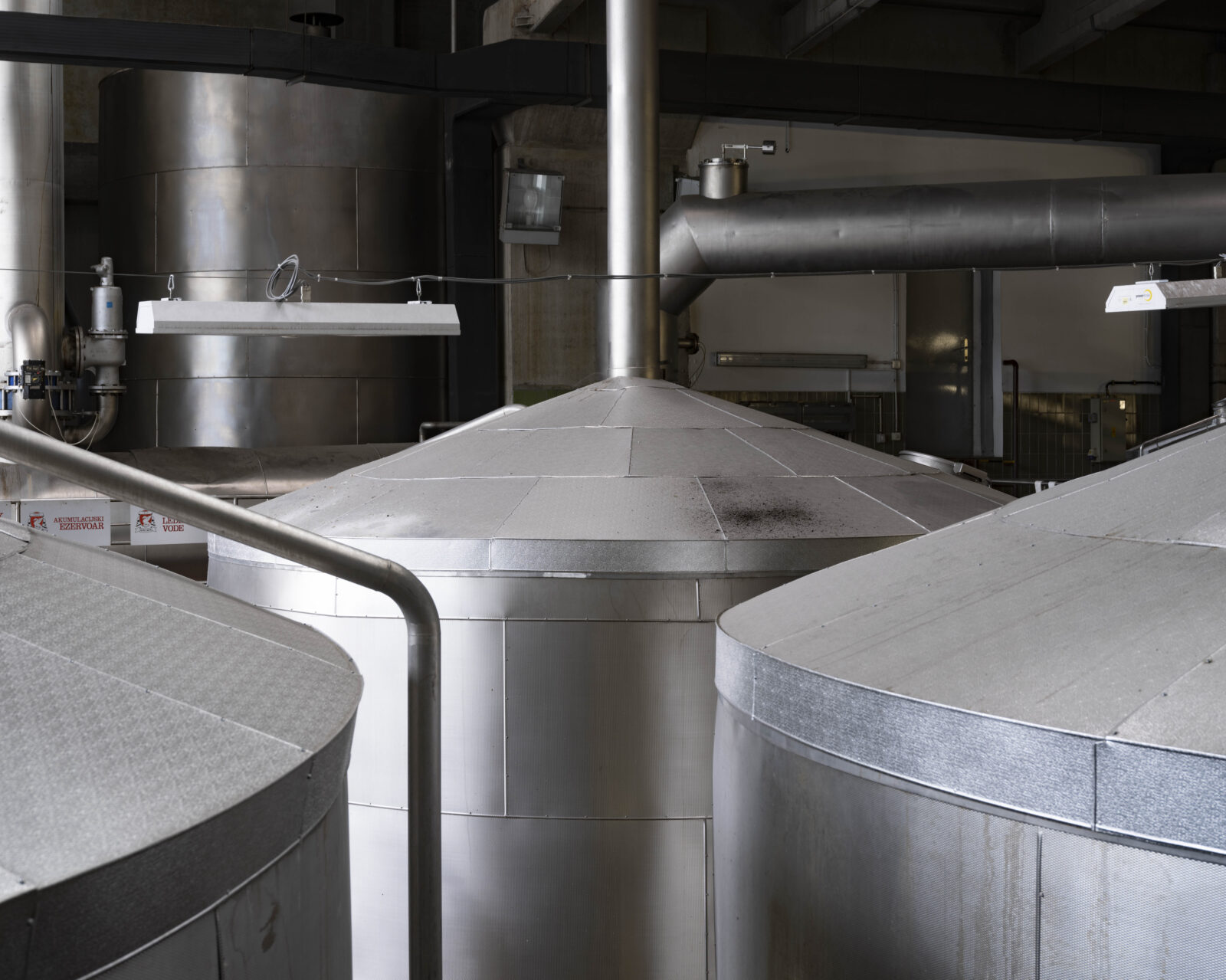
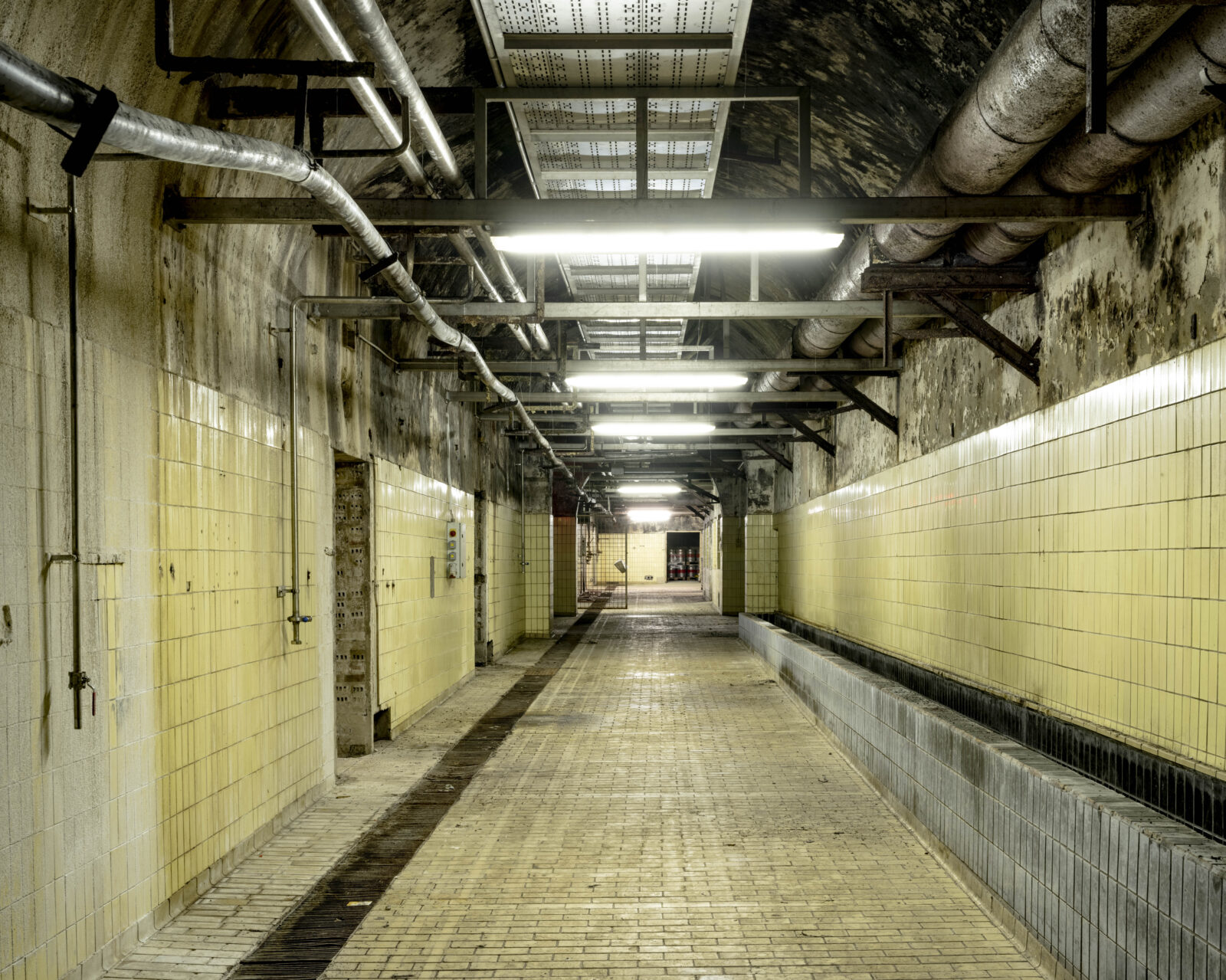
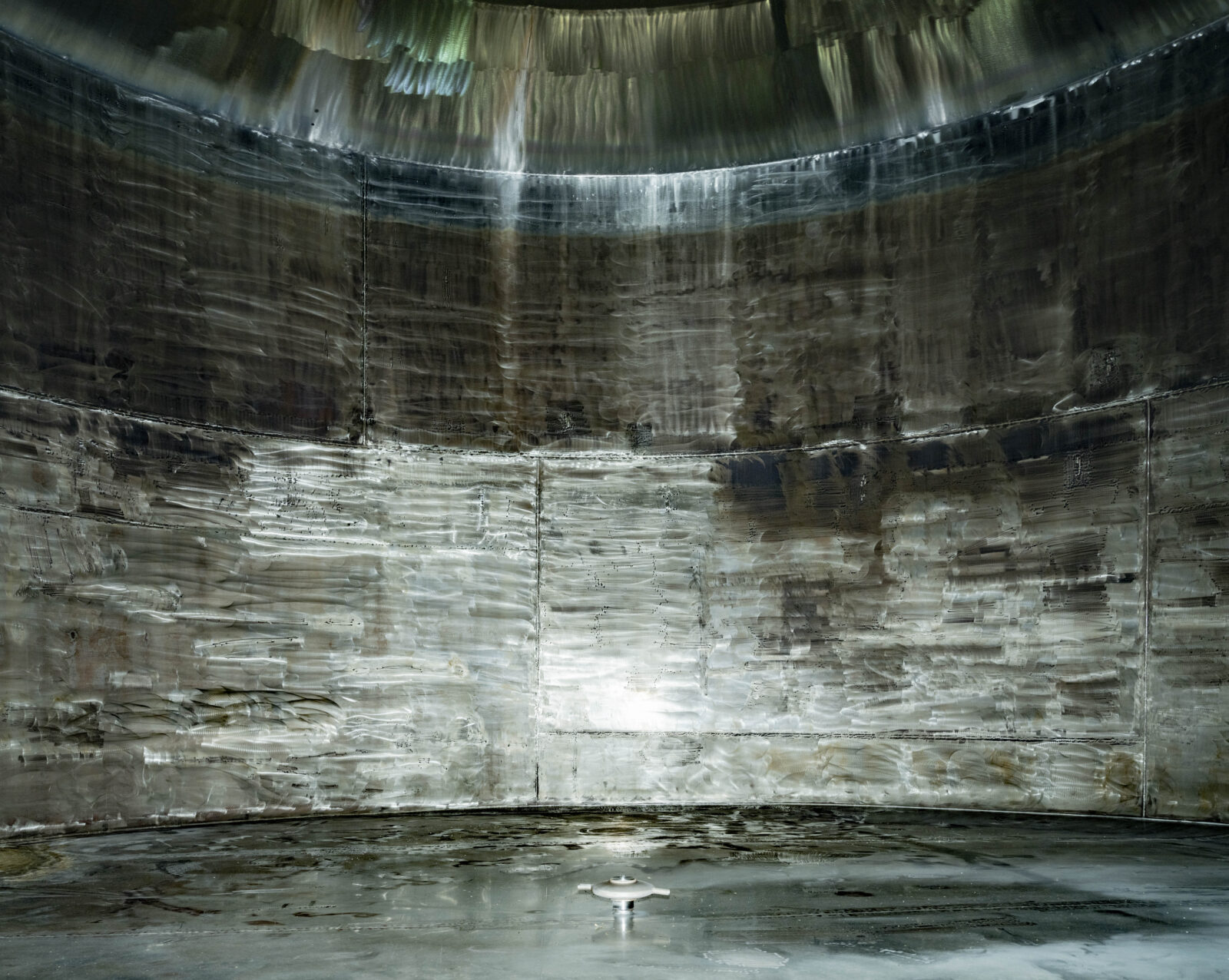
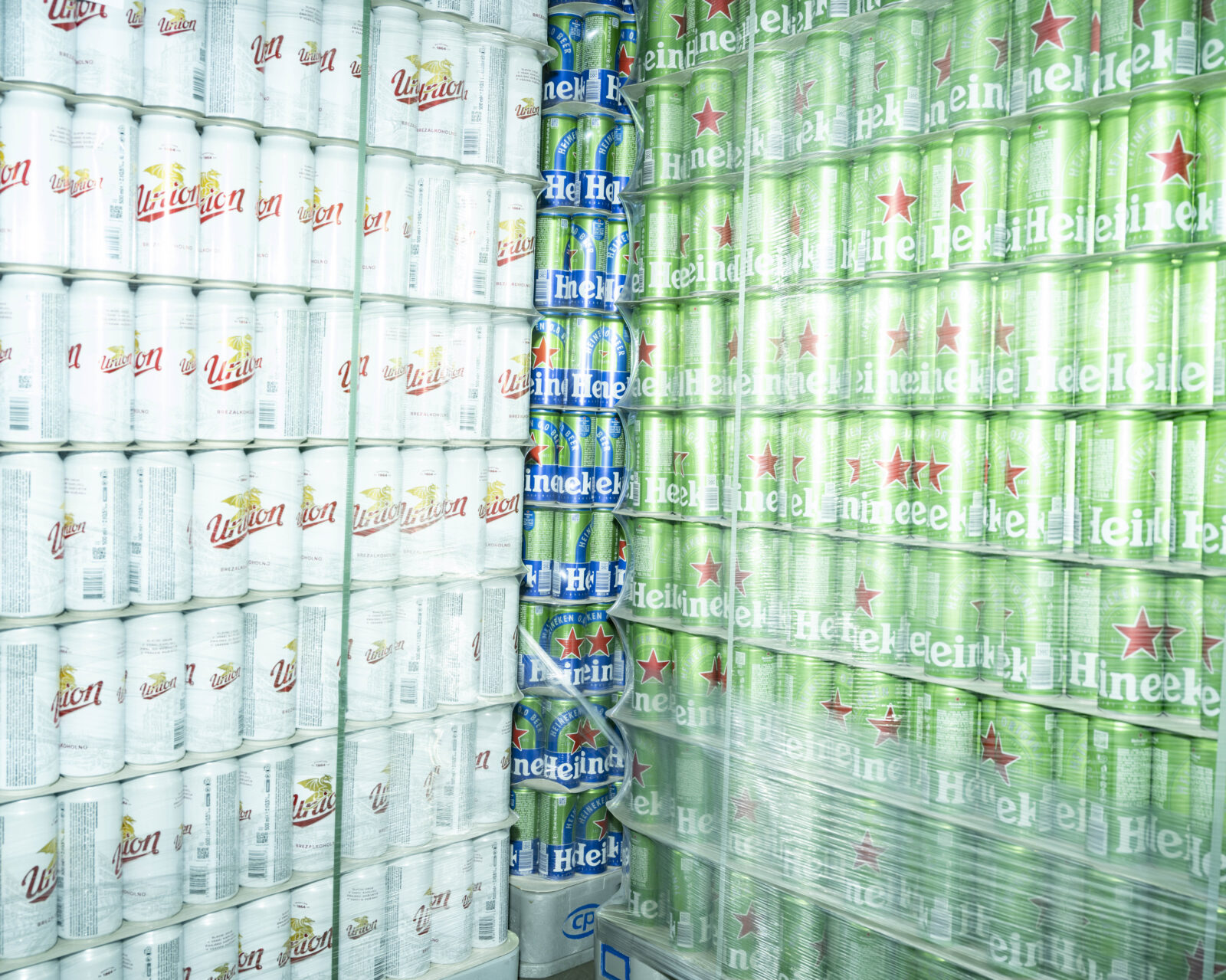
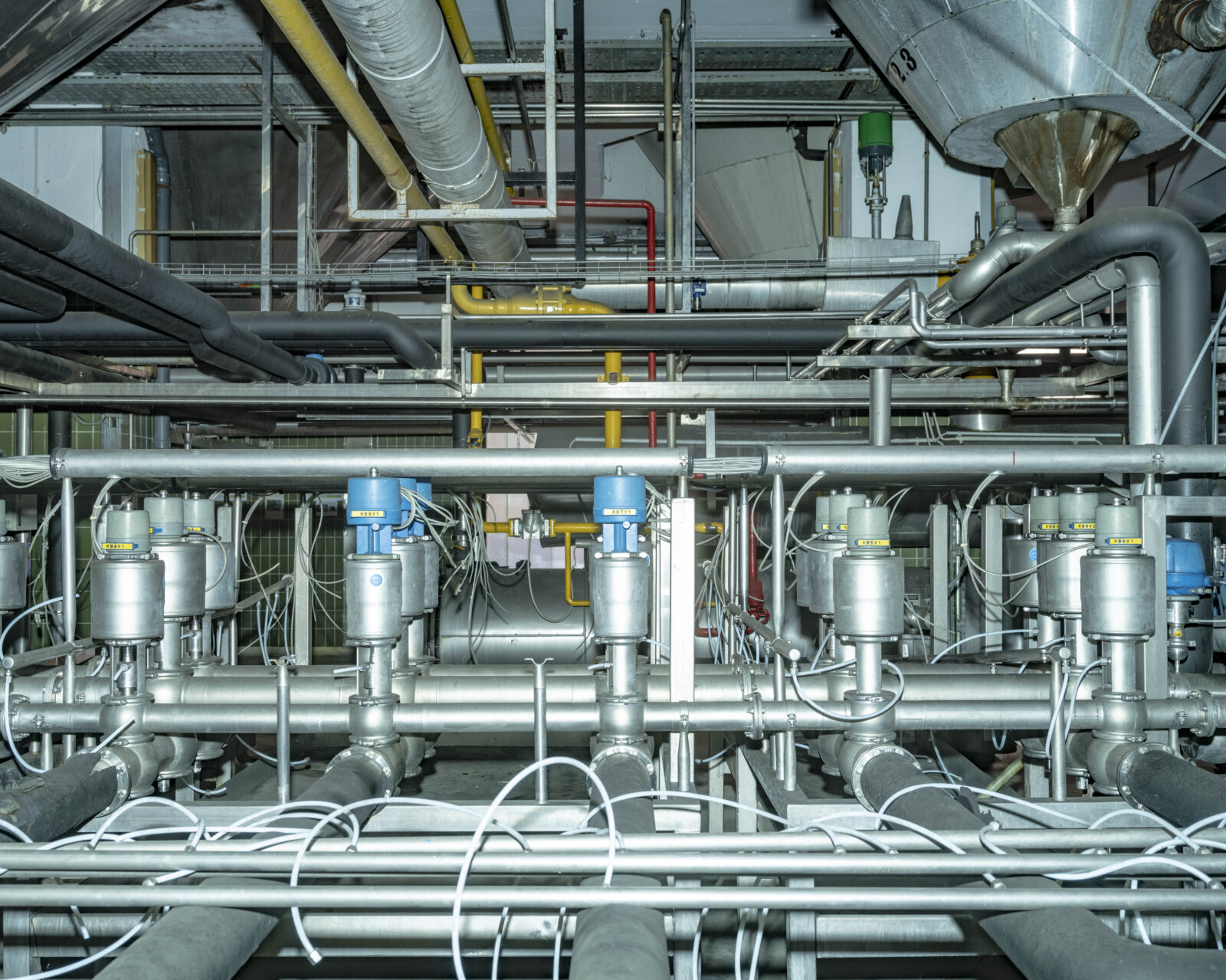
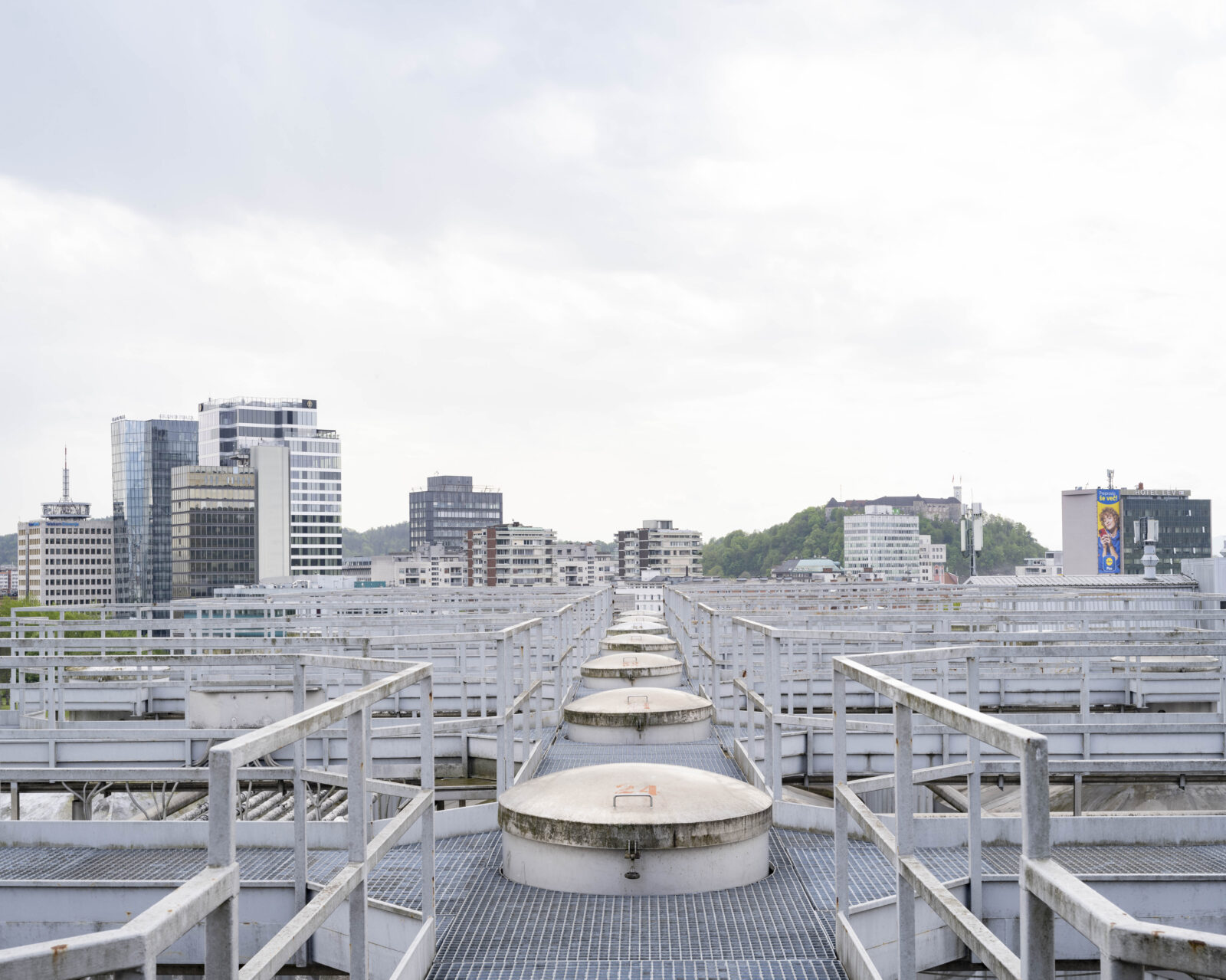
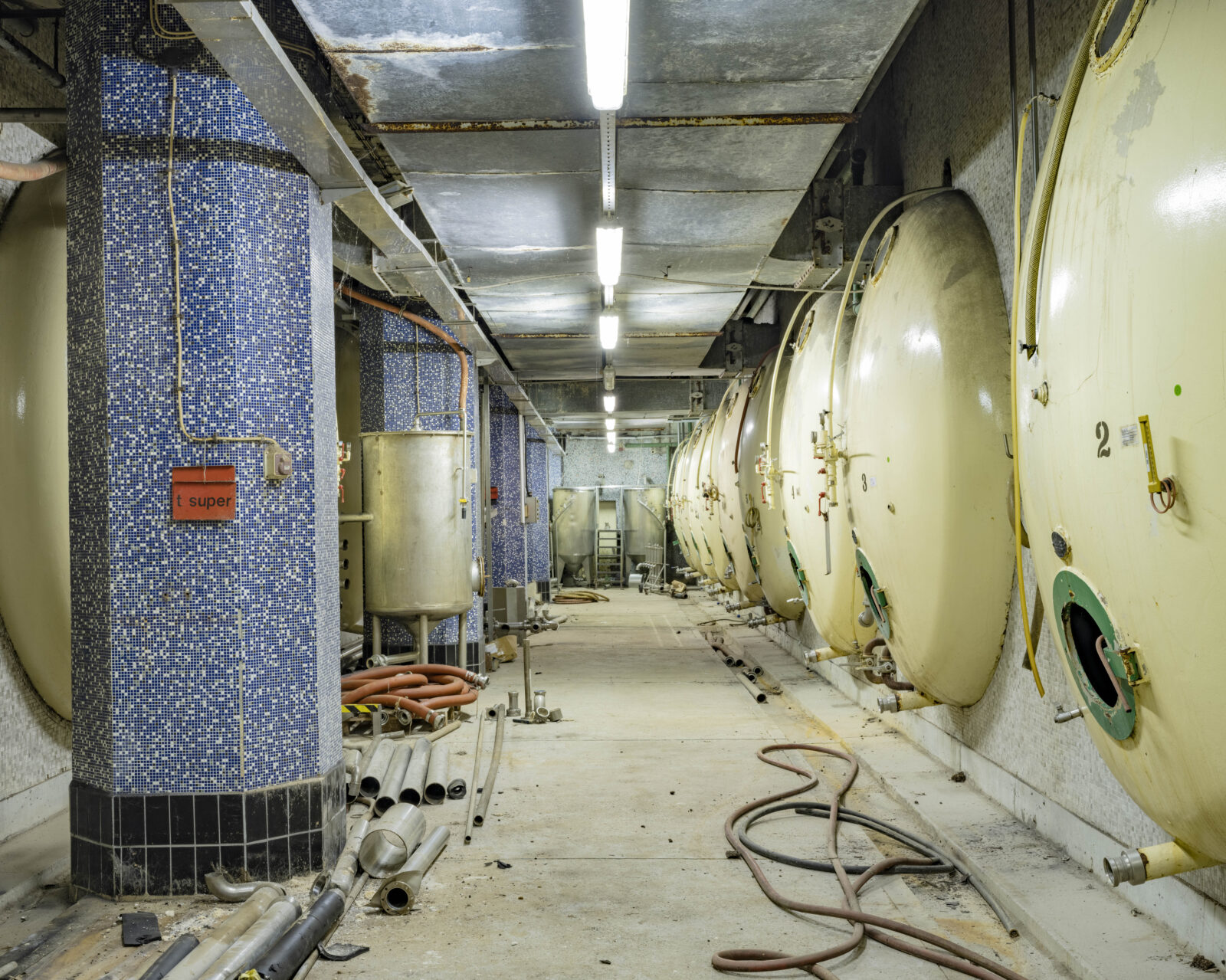
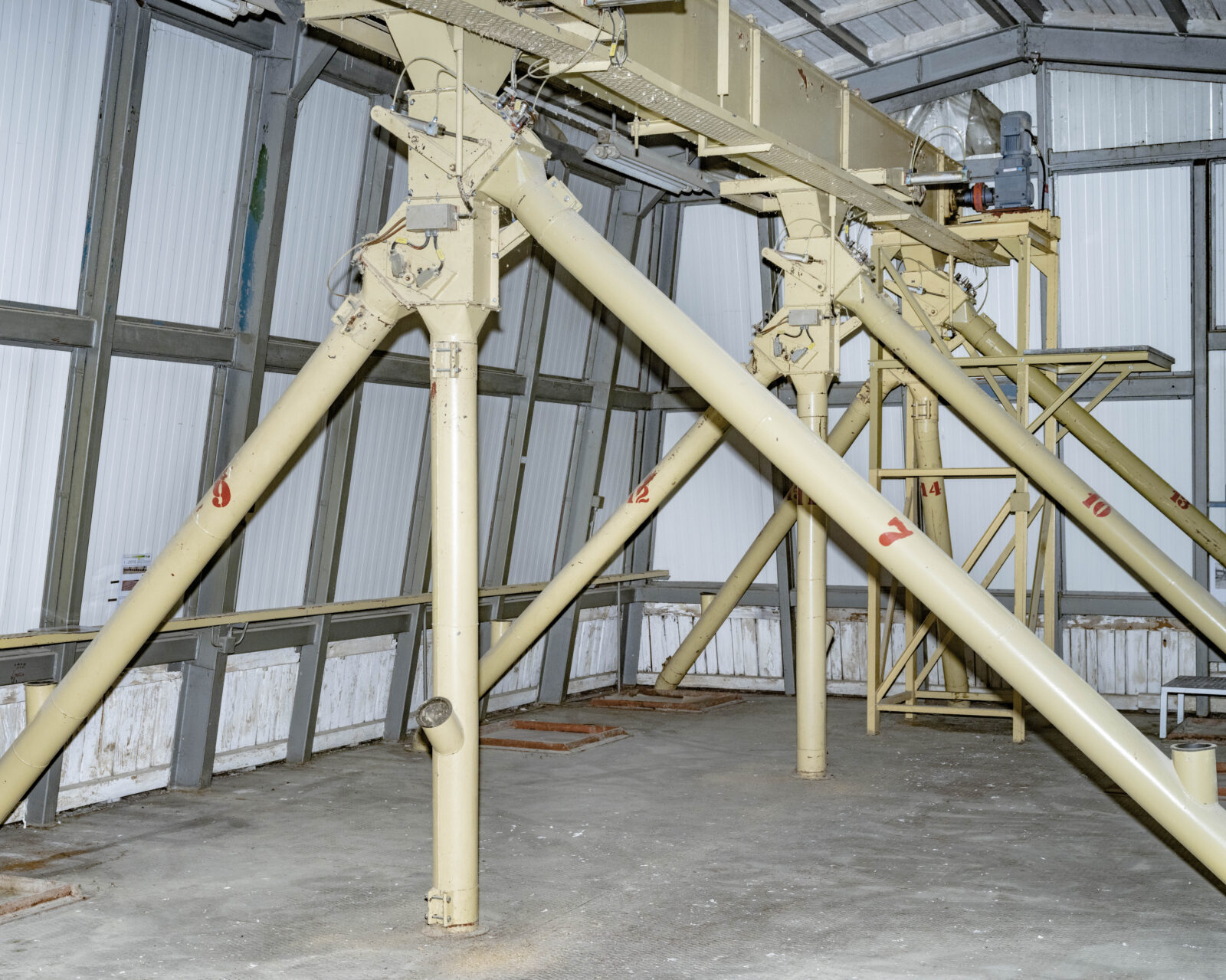
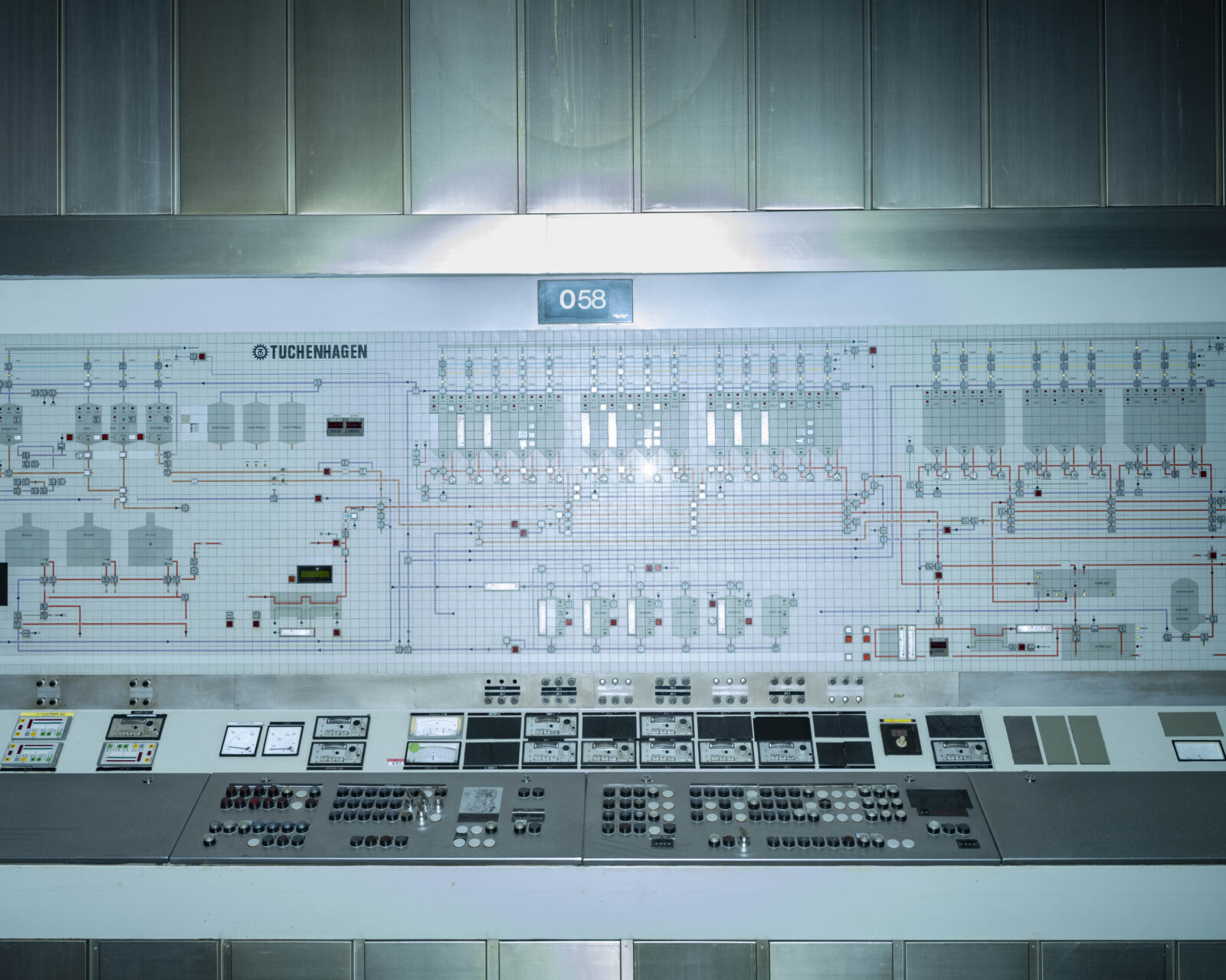
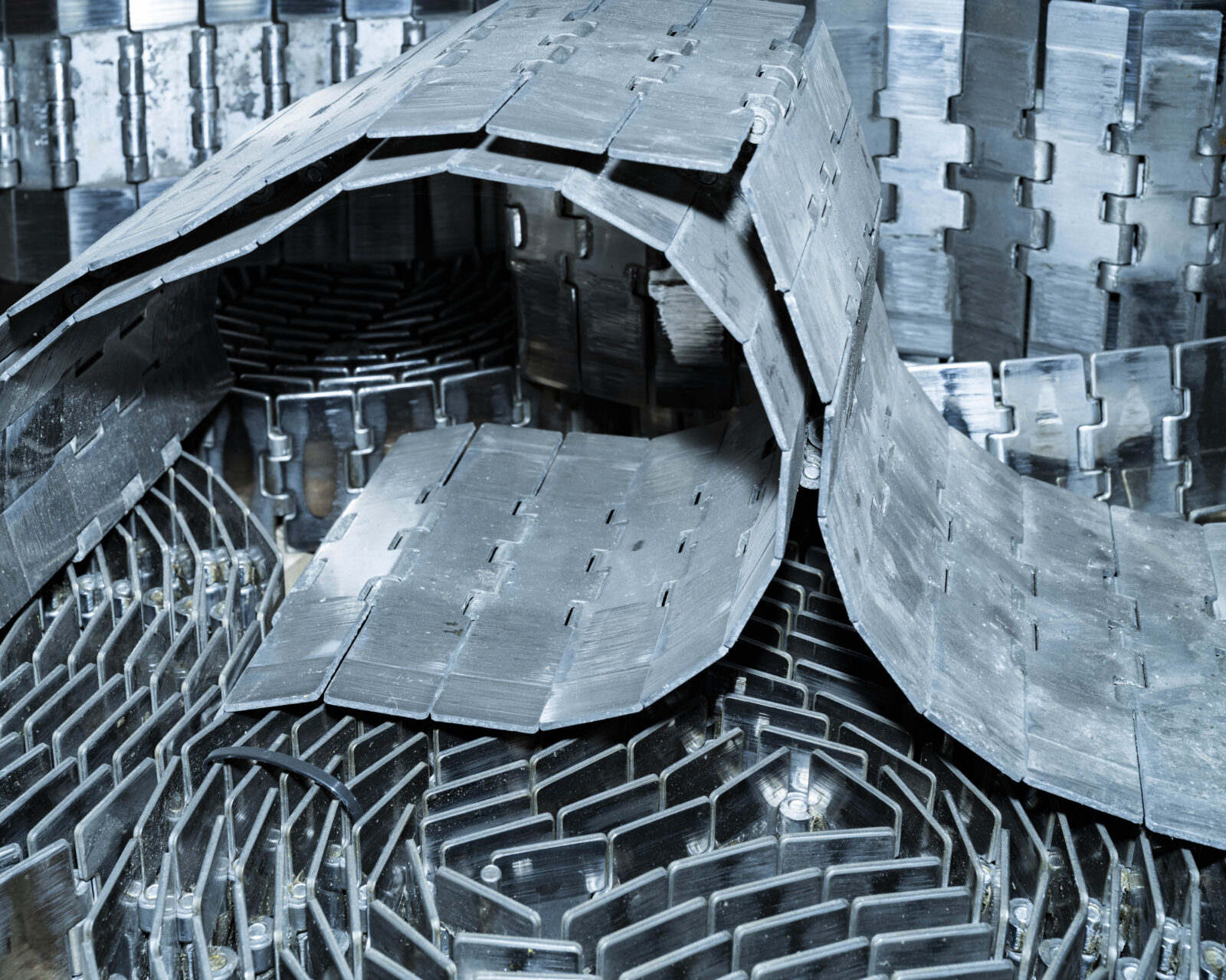
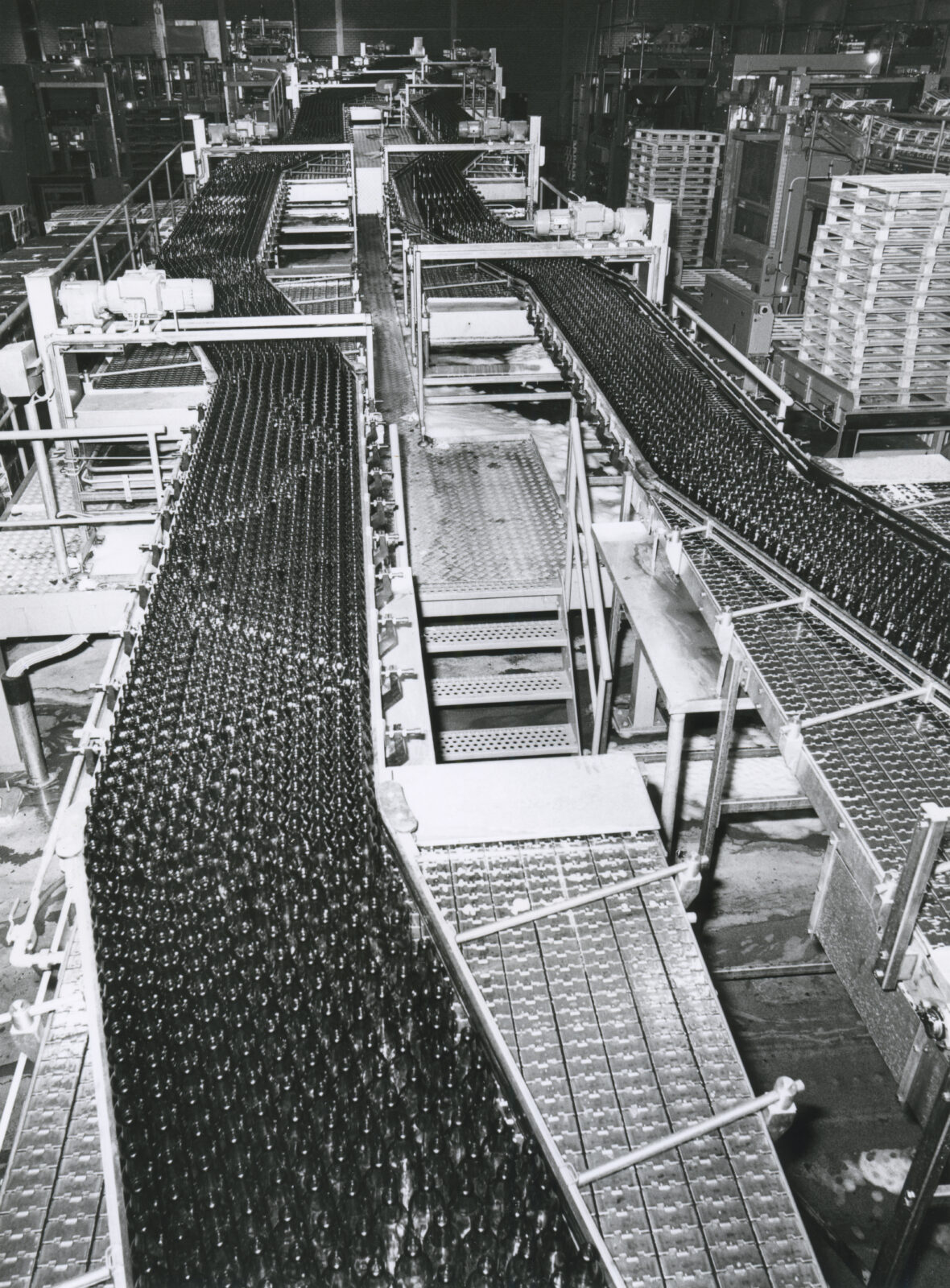
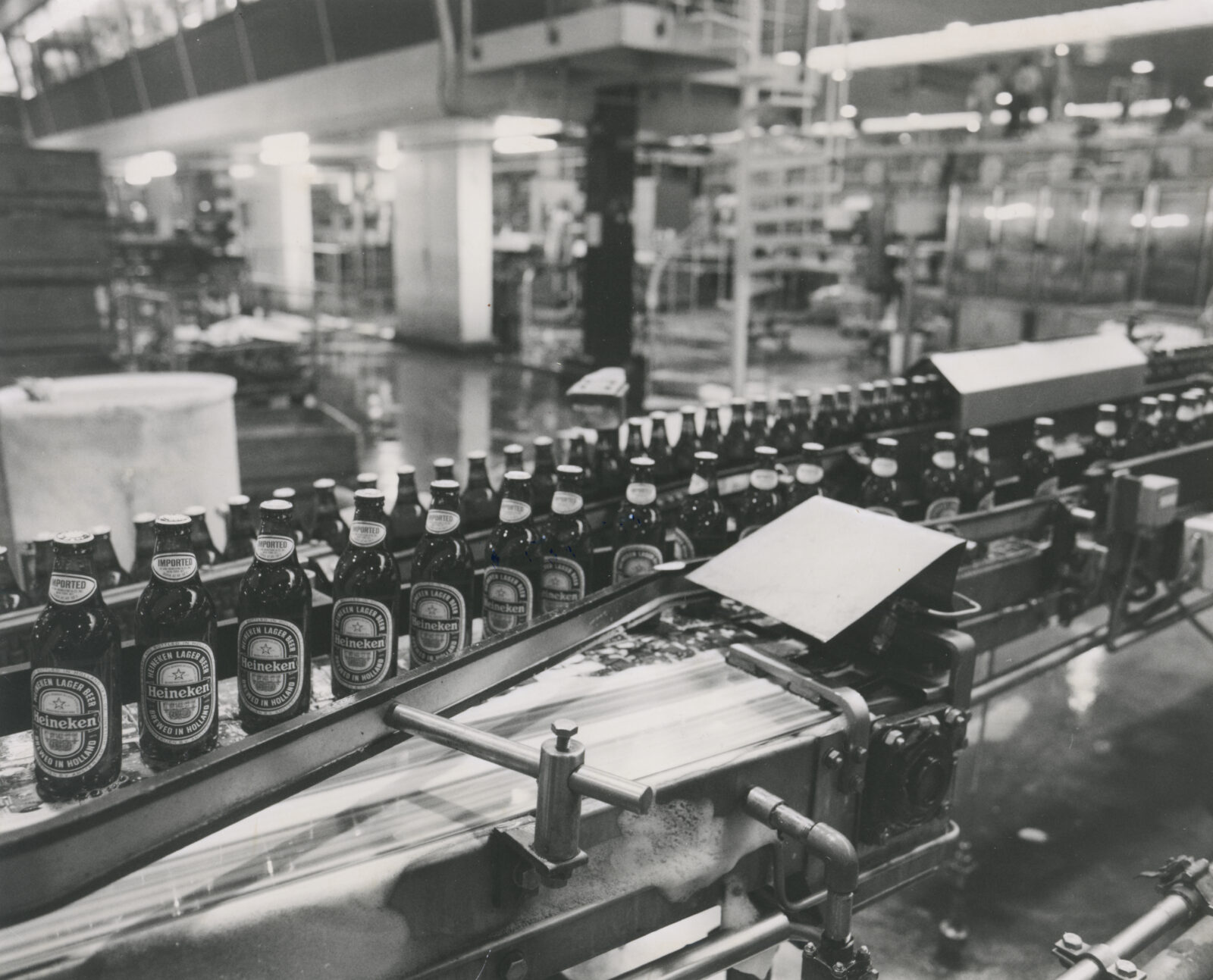
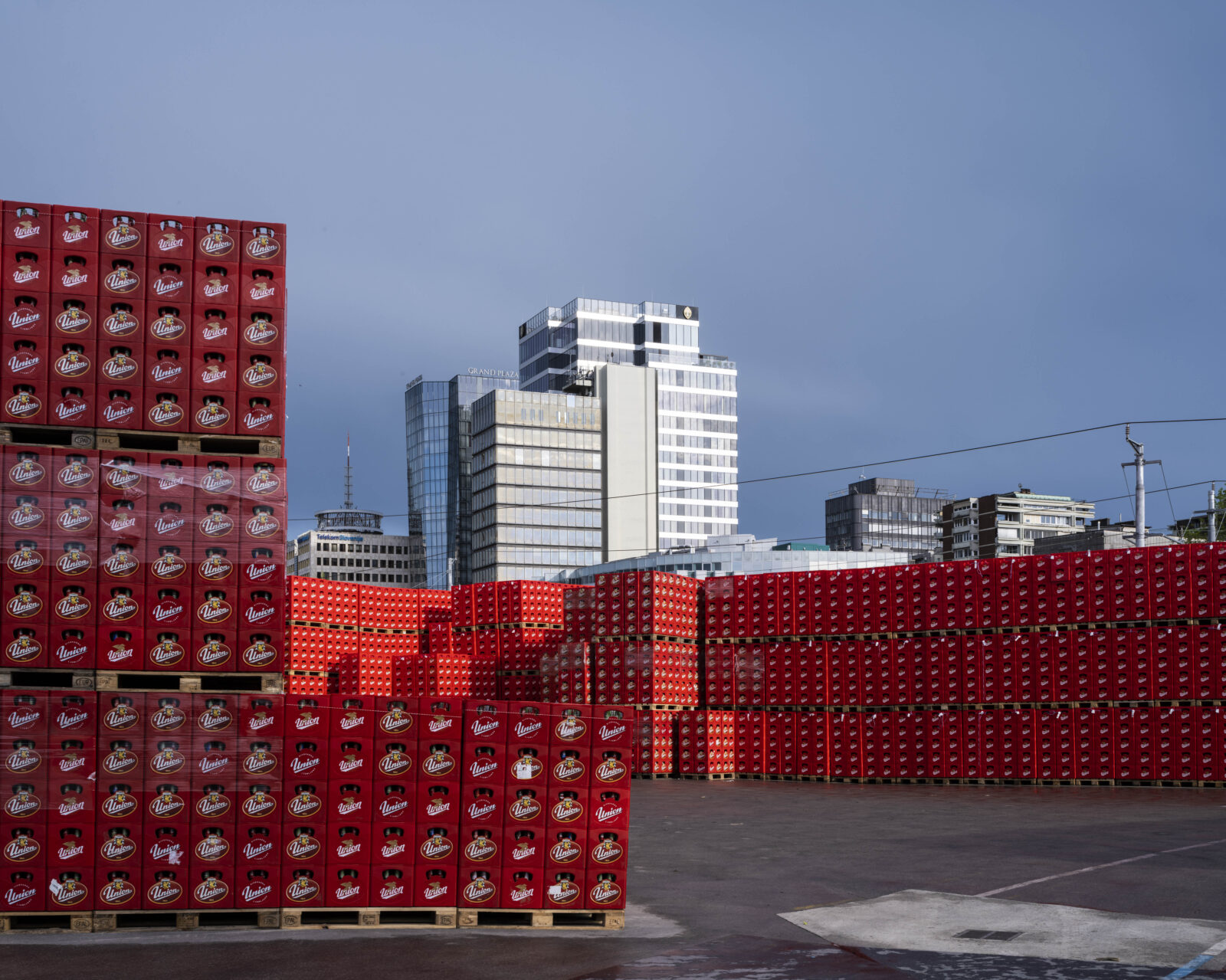
This is reflected in the completion of Green Giants, which brought twelve leadership stories together into a single oral history, and in the conclusion of the Brew Roots trilogy within The HEINEKEN Series. The final shoot in Slovenia documented a brewery at the end of its operational life and now forms the visual thread running through this year’s annual report.
Alongside this outward‑facing work, safeguarding the Collection remained an ongoing focus. Audiovisual heritage continued to be digitised at scale, conservation and registration work progressed steadily, and digitally born material was systematically captured to ensure contemporary developments receive the same level of care as historical ones.
04_Mission, Vision & Motto



Mission, vision
& motto
MISSION
The Heineken Collection Foundation (HCF) preserves and presents the heritage of HEINEKEN.
VISION
The HCF wants to inform and inspire a worldwide audience by preserving, collecting & sharing compelling and authentic objects and stories about Heineken (company, brand & family) and certain incorporated breweries.
Through the promotion of knowledge, understanding and enjoyment of the Heineken Collection, the HCF enriches the understanding of Dutch entrepreneurship in a global context.
Motto 2025 – 2027
05_Chairperson’s Statement

Chairperson’s
statement
T
his was the first year of a new strategic period under a new motto; For-EverGreen: our history, our future. It was a steady, constructive year in which the team delivered across all three pillars of our strategy: thought leadership, a more connected collection, and futureproof collection management.
Heritage storytelling continued to play a meaningful role across the organisation. The team supported senior leaders, global functions, and markets with talks, tours, and tailored sessions that linked HEINEKEN’s history to the organisation’s current ambitions. The Green Giants series was completed and shared widely, bringing twelve pivotal leadership stories together in one coherent body of work. Visual projects under The HEINEKEN Series added new layers of documentary value to the collection.
We also launched the first edition of the For-EverGreen Day Awards, inviting OpCos to submit objects that reflect pioneering work across the EverGreen 2030 priorities. The strong response showed the appetite across HEINEKEN to contribute tangible stories of progress to the collection.
Behind the scenes, the team kept the foundations healthy: Archive Revive stayed on track, conservation work remained disciplined, digitisation efforts continued to expand, and system upgrades prepared us for the next phase of data and collection management. These operational steps often go unnoticed, but they are essential for longterm stewardship.
I want to thank Demelza and the team for their professionalism and commitment throughout the year, and I am grateful to the Executive Board of Heineken N.V., Mrs Charlene de Carvalho-Heineken, and Mrs Lieke Westendorp for their continued support.
As we move further into this strategic period, our focus remains clear: protect what has shaped HEINEKEN’s identity, document what is shaping it now, and ensure the collection continues to serve the organisation with relevance and integrity.
Cheers!

Marc Koster
Chairperson Heineken Collection
06_Reflections from our Collection Manager



reflections
from our collection manager
L
ooking back on 2025 from inside the Heineken Collection team, what stands out is not a shift in who we are, but in how we delivered our work. We have long operated as a strategic partner to The HEINEKEN Company, and this year strengthened that role through sharper methods, clearer priorities, and more consistent collaboration across the organisation.
Much of our work took place behind the scenes: refining workflows, strengthening registration practices, stress‑testing our systems, and reinforcing the foundations that allow us to scale our work in a fast‑moving environment. At the same time, 2025 brought renewed visibility – from media attention to speaking engagements and project showcases. Both the visible and less visible parts of our work, and the impact they created, are reflected in this report.
We also saw more colleagues turning to historical context to support leadership decisions, capability building, and brand development. This growing demand encouraged us to simplify our storytelling, improve our tools, and work more proactively across regions and functions.
Looking ahead, our priorities for the coming strategic period remain grounded in EverGreen 2030 – the long‑term direction of The HEINEKEN Company. The Collection is already the reference point for HEINEKEN’s heritage resources and expertise. The focus now is on improving access, so colleagues can use that knowledge when historical context matters.
To deliver on this, we will continue strengthening the three pillars of our Strategic Plan 2025–2027:
• Thought Leadership & Inspiration – gathering, interpreting, and sharing reliable historical information, and scaling standardised storytelling that connects EverGreen themes to their historical context.
• Connected Collection – improving digital access, accelerating digitisation, and building tools that make the Collection easier to use across markets.
• Future‑proof Collection Management – maintaining rigorous, efficient, and sustainable stewardship through refined procedures, cost‑conscious operations, and proactive care of both physical and digital assets.
2025 reaffirmed the active role heritage plays in HEINEKEN’s future. The years ahead are about making that role even clearer, more practical, and easier for colleagues to draw on when they need it.
Thank you to the team for their continued commitment, and to all colleagues, partners, and supporters who helped strengthen our work this year. Your engagement keeps us moving forward.
Warm regards,

Demelza van der Maas
Collection Manager
07_Thought leader & Inspirator

WE are
thought-leader & inspirator
I
This segment of our annual report highlights how we have supported narrative development, creative work, and broader historical understanding across the organisation.



Setting the strategic direction
Ahead of a wider rollout, the strategy was formally endorsed by the HEINEKEN Executive Board, providing a clear mandate and alignment at the highest level of the organisation.
We subsequently presented our plan at the Heineken Experience Q1 meeting, marking the start of implementation. It sharpens our focus on audience‑centric storytelling and increased standardisation, making HEINEKEN’s heritage easier to find, easier to use, and more clearly linked to the EverGreen 2030 priorities.
This phase balances innovation with stewardship. By safeguarding authenticity and accessibility, the Collection fulfils its role as a thought leader and a practical contributor to how HEINEKEN understands, applies, and activates its history.
Storytelling highlights

Amsterdam in the spotlight
Celebrating 750 years
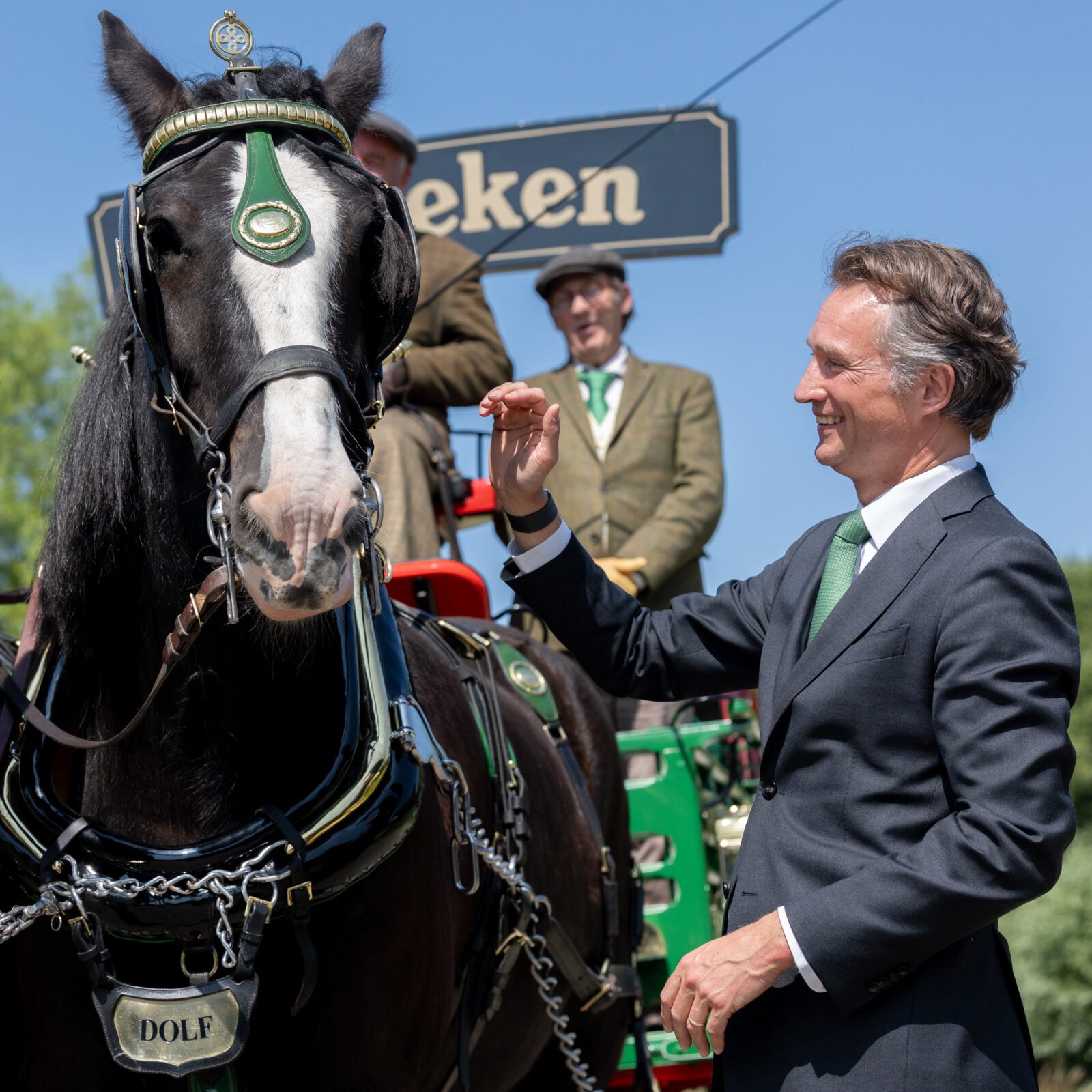
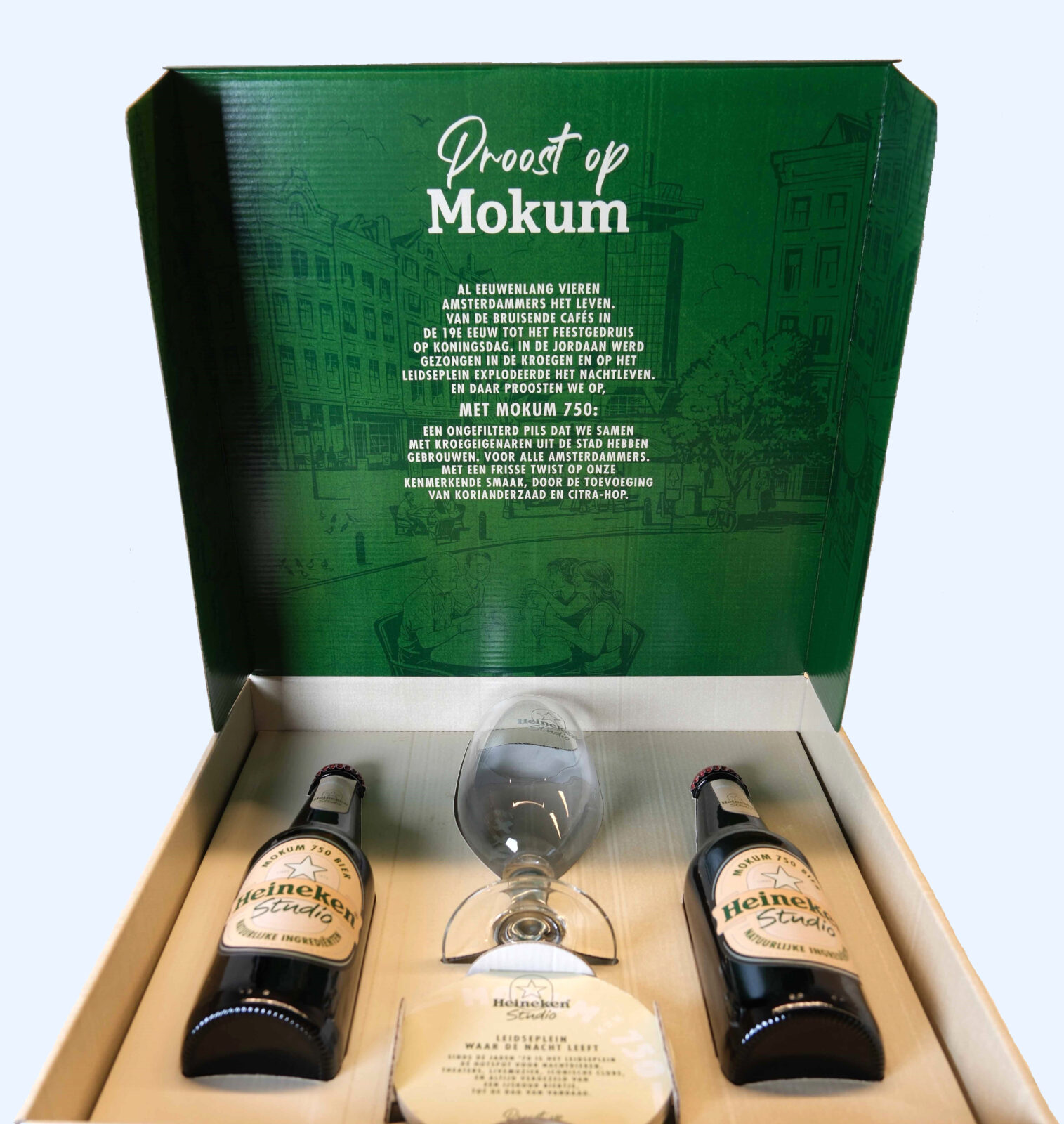
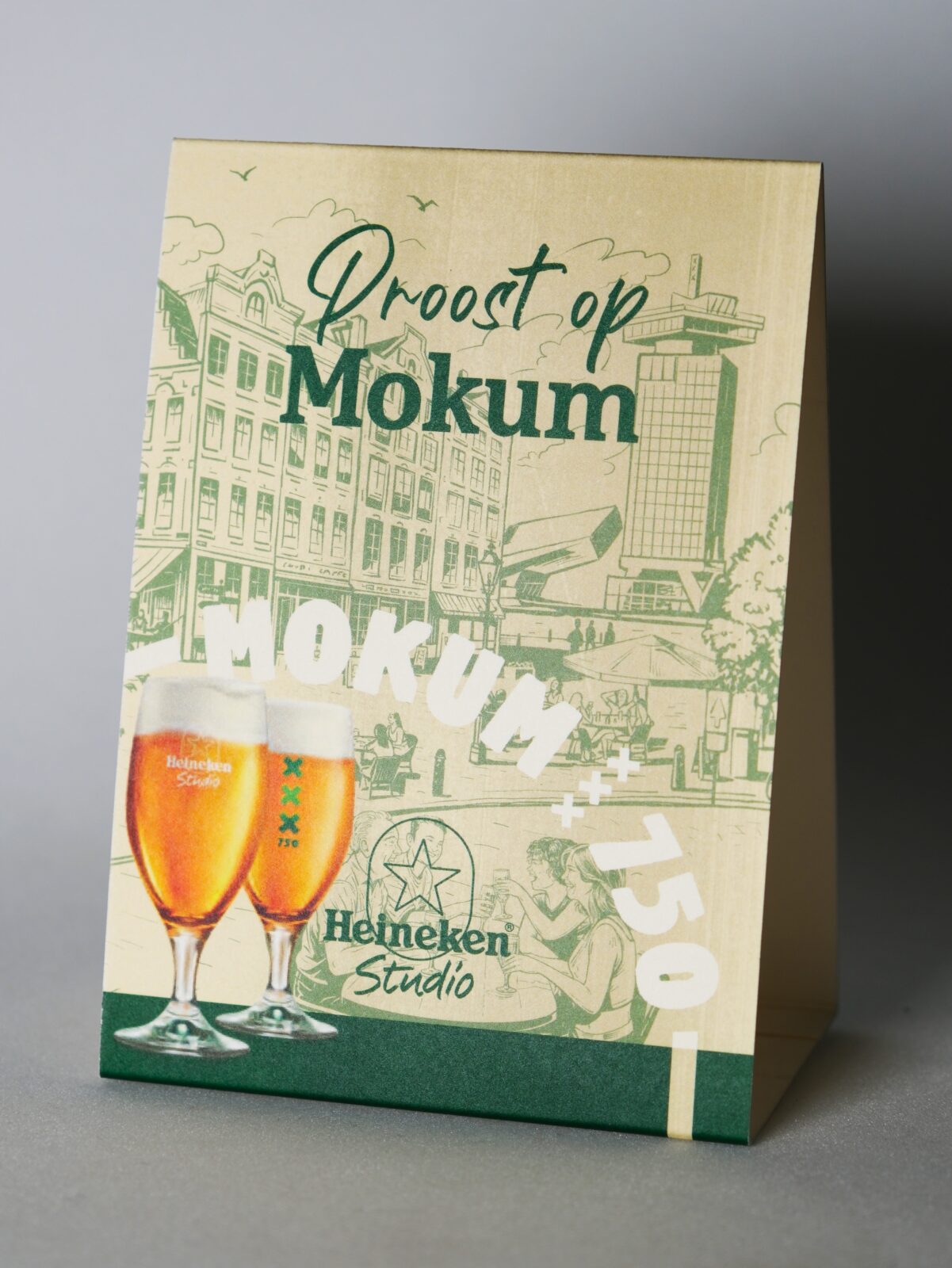
As part of Amsterdam’s 750th anniversary celebrations, the Heineken Collection Foundation (HCF) played a leading role in sharing Heineken’s story with the city and beyond. This work included an interview for Het Parool, a keynote presentation at the Dutch press launch of Mokum 750 in Café De Eland in Amsterdam, and a joint presentation at HEINEKEN’s Head Office Townhall. The HCF also authored a special HEINEKEN story for the official ‘750 verhalen (externe link, opent in nieuw tabblad)’ website, ensuring that the company’s deep connection to Amsterdam was highlighted throughout this milestone year.
Celebrating innovation
Opening new R&D Centre
50 years of partnership
SAIL Amsterdam
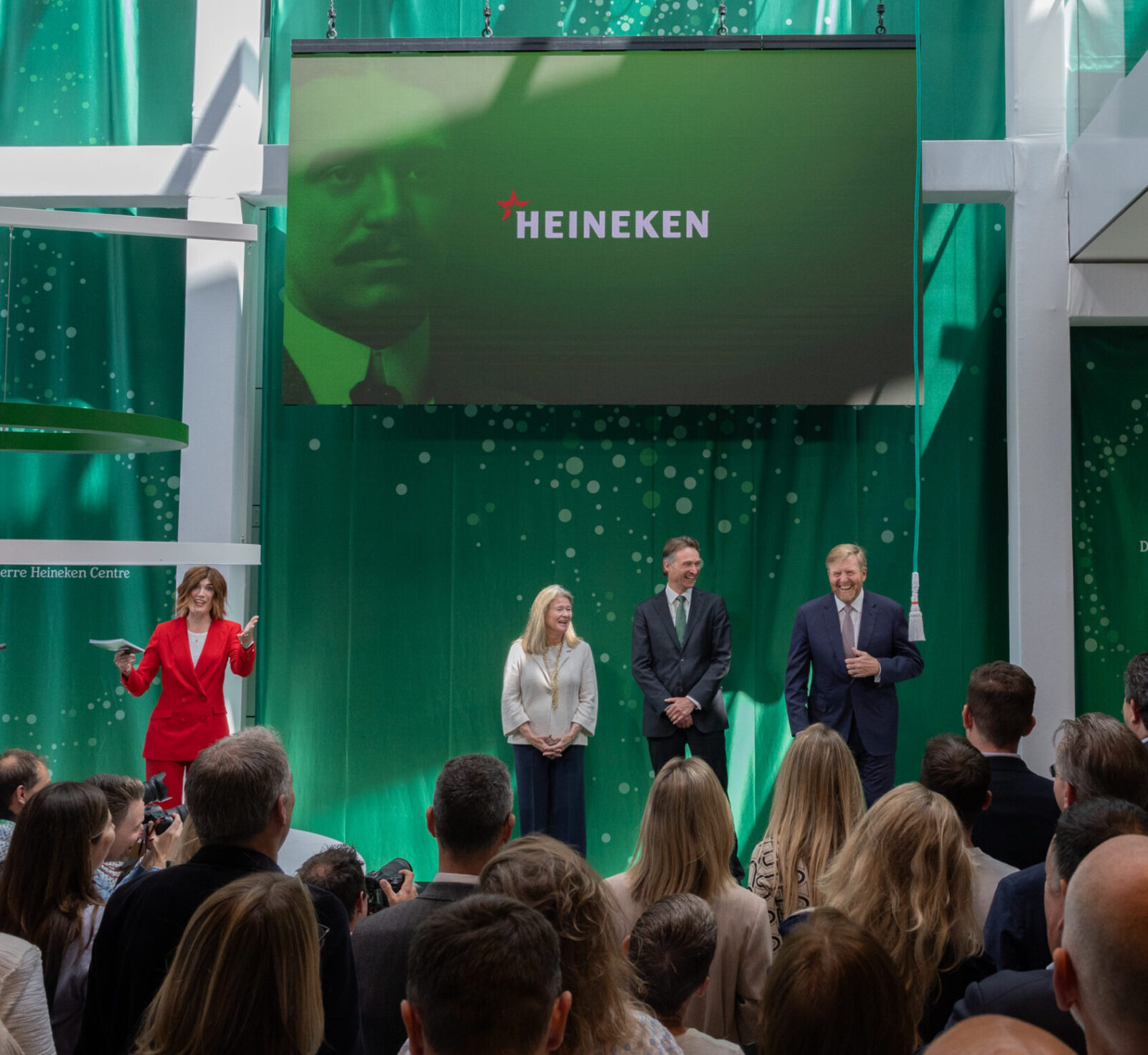
In 2025, SAIL Amsterdam marked its 10th edition, celebrating both 50 years of SAIL and 50 years of partnership with Heineken®. The HCF shared the rich history connecting Heineken and SAIL—highlighting how water, shipping, and tradition have shaped Heineken’s growth and identity. Our contributions included crafting the storyline for the press release, presenting to stakeholders during the SAIL-in parade, and sharing anecdotes about iconic Heineken moments and objects, such as the legendary Bierboeier. These efforts helped showcase Heineken’s enduring role in Amsterdam’s maritime heritage.
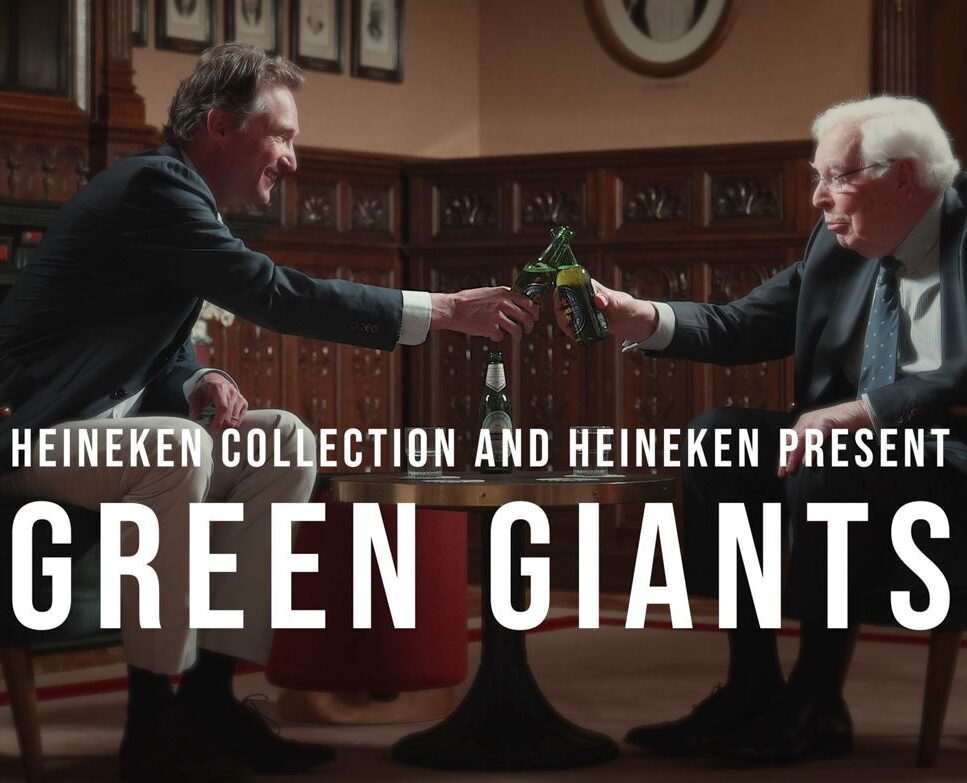

Green Giants
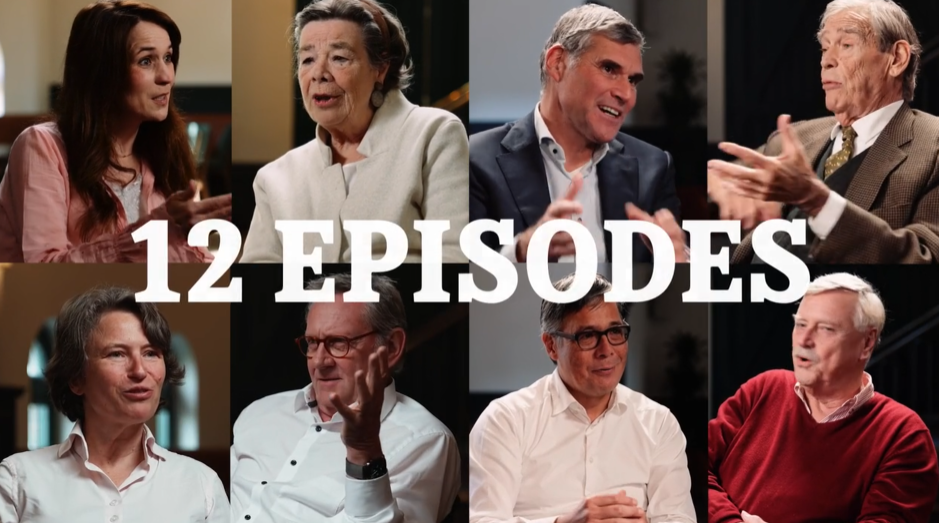
Launched in 2024, Green Giants was our long‑term oral history project capturing firsthand reflections from current and former colleagues across the organisation. In 2025, the final four episodes were published, bringing the series to a close.
With a total of twelve episodes now added to the Collection, Green Giants enriches our corporate memory by combining personal experience with archival context. To mark the end of the project, we produced a short wrap reel capturing the people, stories and values at its core.
All episodes can be found on the Heineken Collection website (externe link, opent in nieuw tabblad).


The HEINEKEN series
The HEINEKEN Series is our ongoing collaboration with Magnum, an internationally respected collective of photographers and visual storytellers known for independent documentary work. Their approach aligns with the purpose of the Series: capturing HEINEKEN’s contemporary story with artistic integrity and a clear sense of place. For each shoot, Magnum partners with local photographers to ensure the work reflects the character, community, and lived reality of each location — grounding the Series in authentic, context‑specific perspectives.
Each edition adds high‑quality, current material to the Collection, helping us capture not only where the company comes from but how it is changing today.
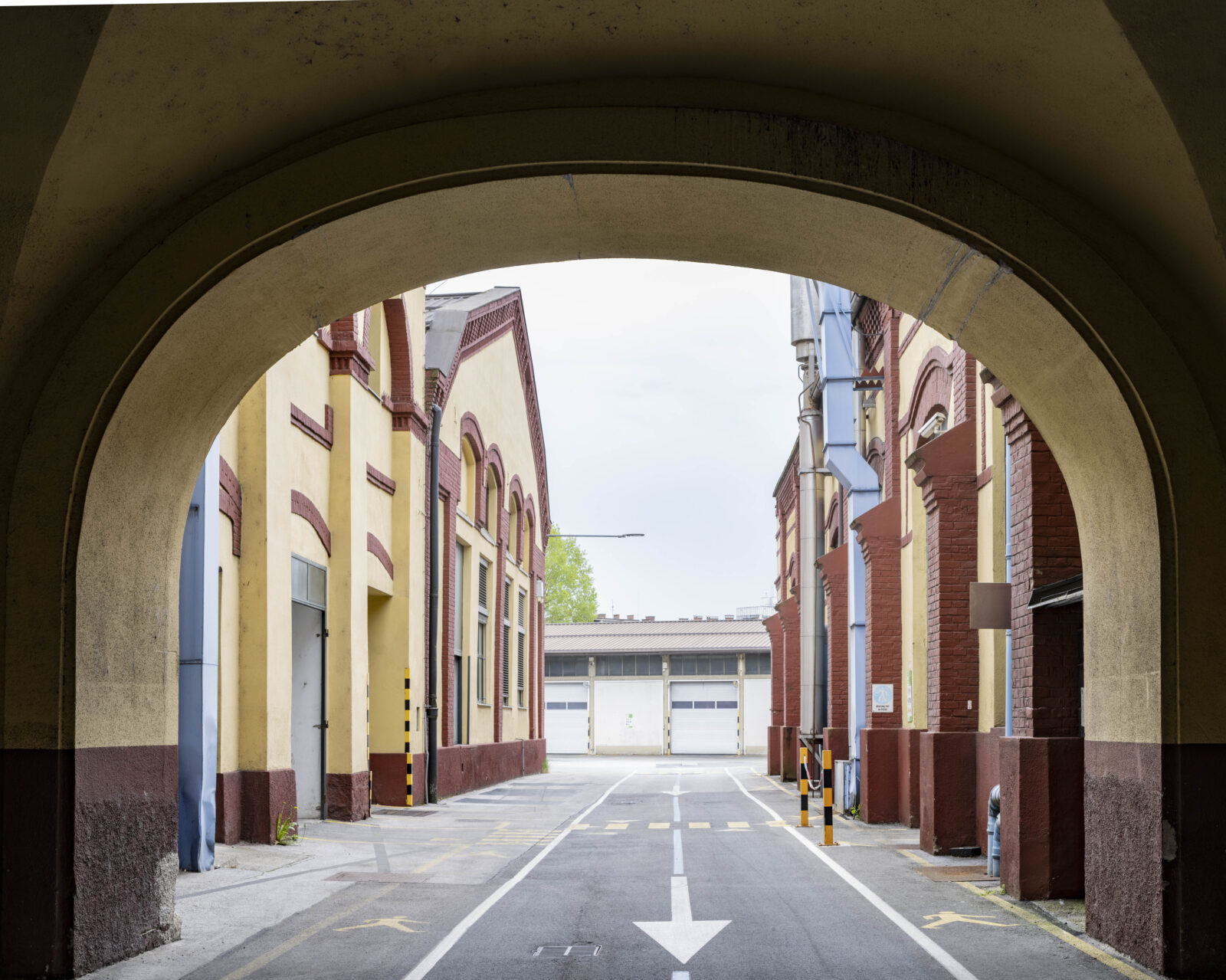
The first trilogy, Brew Roots, focuses on European heritage breweries that have closed or are at risk of closing. After Edinburgh and Schiltigheim, the final shoot took place in early 2025 at the Union Brewery in Ljubljana. The shoot documented the craft, atmosphere, and community role of a brewery at the end of its operational life.
With the trilogy now complete, the next HEINEKEN Series will shift to global bar culture, keeping the same principle: using contemporary photography to strengthen HEINEKEN’s living heritage.















Vintage Bottle Campaign
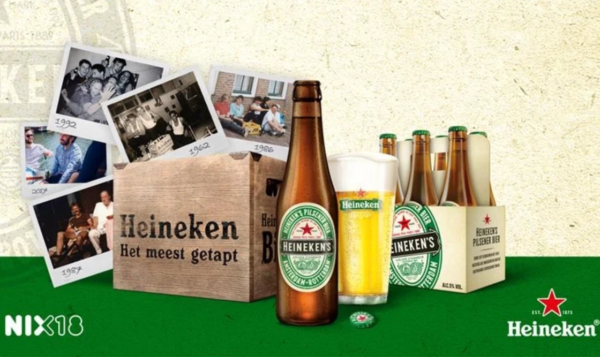
In partnership with HEINEKEN in the Netherlands, the Collection team helped develop the concept for the Vintage Bottle Campaign, celebrating Heineken®’s iconic bottle design.
Working closely with the Dutch brand team, we contributed historical insights for the bottle and crate design, and co-authored the press release and Q&A to highlight the story behind the limited-edition packaging. We also participated in a video shoot with influencer Quinty Misiedjan, resulting in an engaging and humorous social media post (externe link, opent in nieuw tabblad).
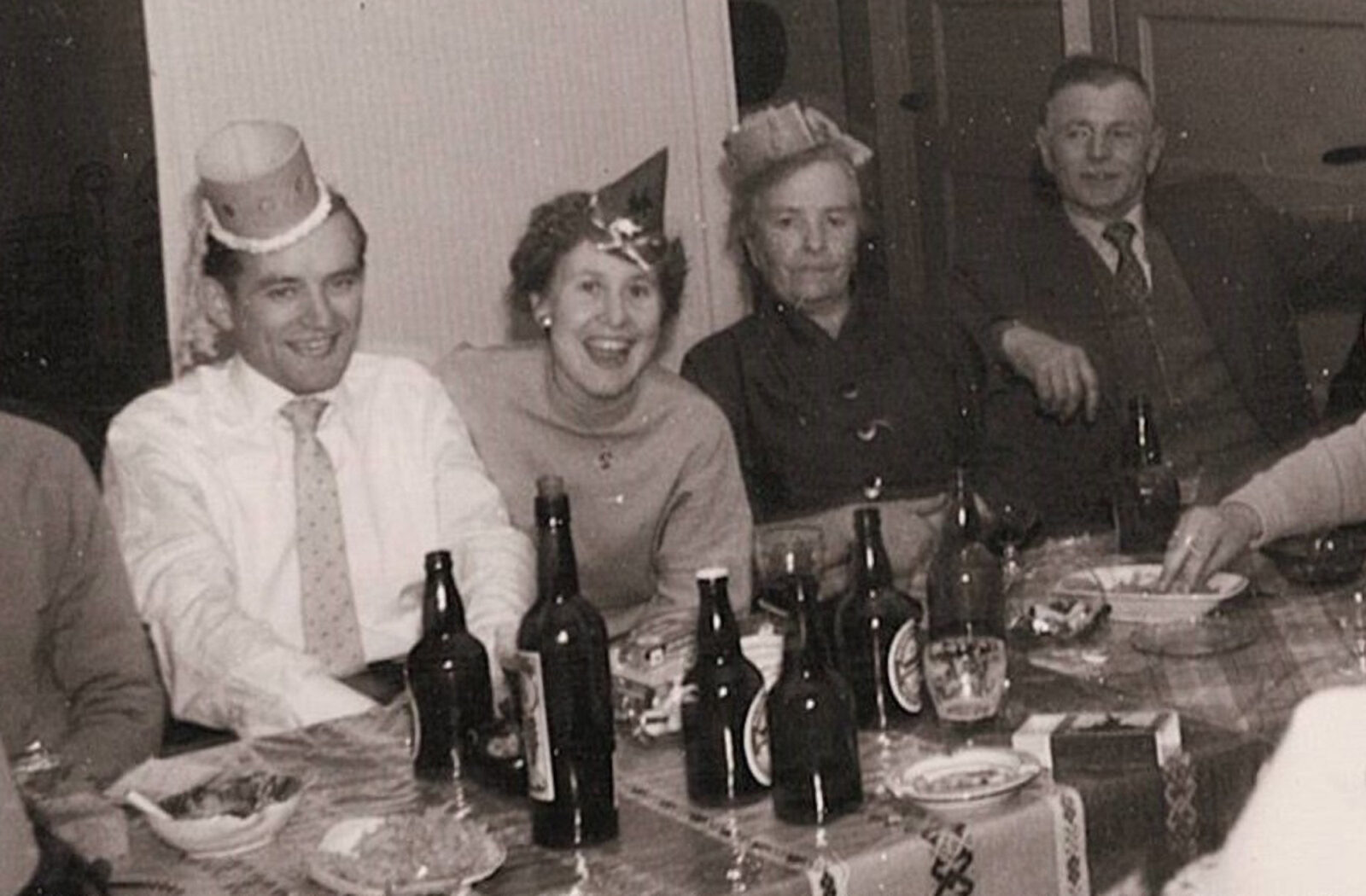
The campaign’s photo competition winners were prominently featured on the Heineken Collection Foundation website (externe link, opent in nieuw tabblad) and can be seen in the image slider below.
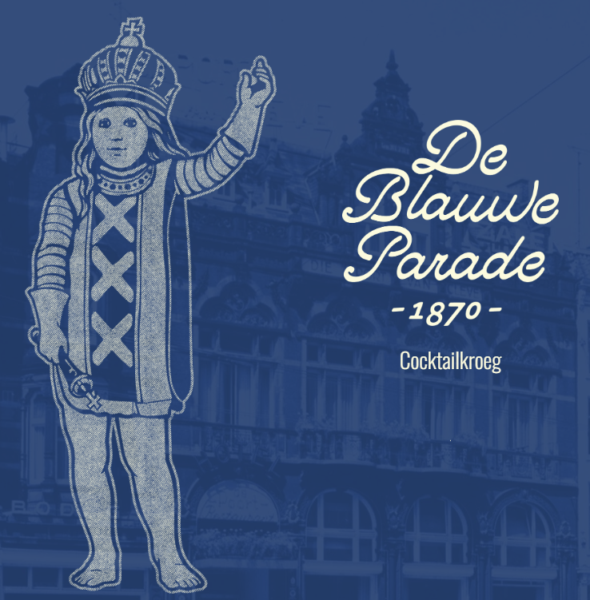
De Blauwe Parade
Our team was asked to provide historical context for the redesign of the Blauwe Parade (externe link, opent in nieuw tabblad) — a café that forms part of the historic Die Port van Cleve complex, built on the site of HEINEKEN’s first 1864 brewery.
HEINEKEN People Conference
Drawing inspiration from the company’s Amsterdam roots, our Collection Manager took the audience on a journey through HEINEKEN’s people-centric evolution. Through stories of employees from different eras and backgrounds, Demelza illustrated how HEINEKEN’s people function has grown from personal care and community to a global, purpose-driven culture.
The session celebrated the company’s commitment to empowering individuals, embracing change, and building a future that matters for all generations.









Celebrating female achievements in brewing
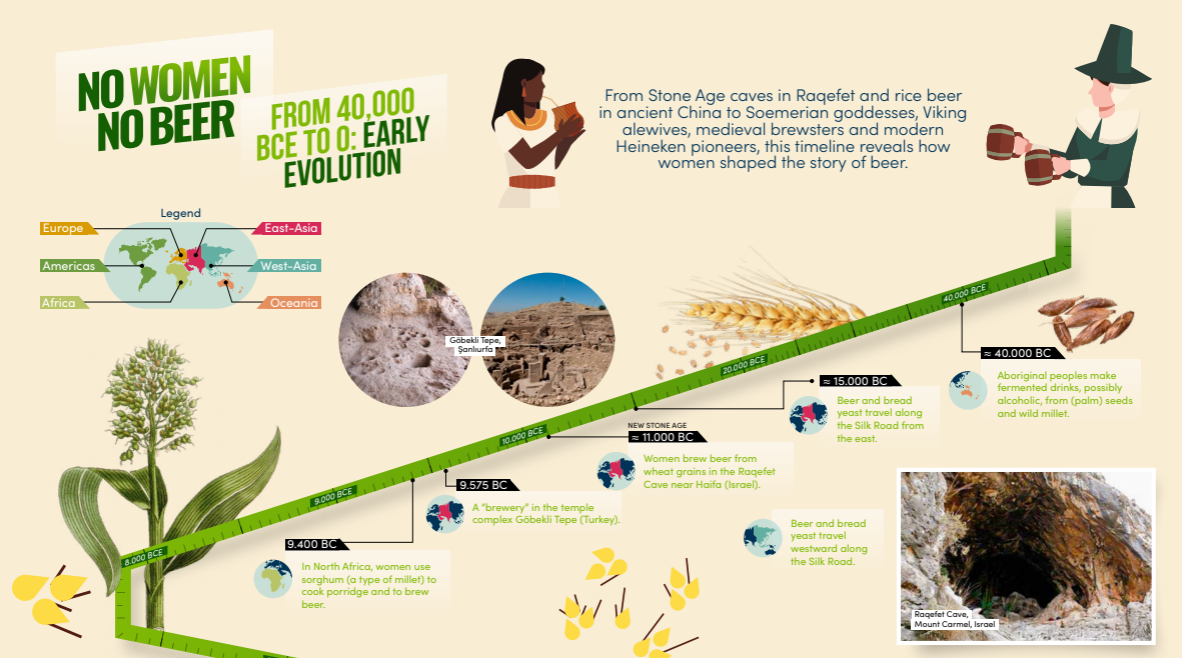
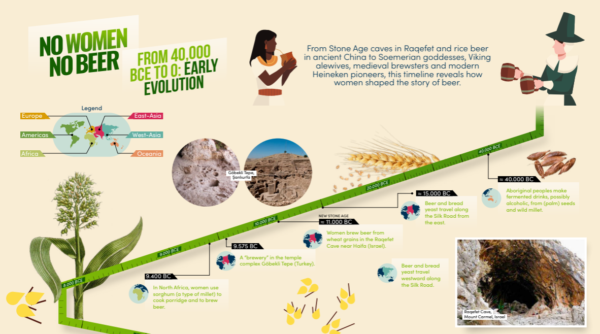
No Women, No Beer
This year saw the successful completion of the No Women, No Beer project, shining a spotlight on the vital role women have played in the history of beer.
The project resulted in a rich variety of assets, including multiple stories that highlight female achievements in brewing across cultures and centuries, three engaging videos, and a set of visual timelines illustrating the evolution of women in beer. Together, these resources inspire a broader appreciation for the contributions of women to the world of beer.
Special recognition goes to Charlotte Grotenhuis, Olaf Slijkhuis, and Marie Baarspul, whose dedicated research and storytelling brought these long-overlooked histories to life.

Driving acquisitions and strengthening Horeca partnerships
Throughout the year, the Collection supported HEINEKEN Netherlands’ commercial and Horeca teams by using heritage to bring depth and credibility to key stakeholder moments. This aligns with our new strategy, which positions heritage as a practical asset for growth, creativity, and stronger partnerships.
Tailored tours, customised heritage sessions, and focused presentations helped colleagues frame negotiations, enrich partnership conversations, and show how HEINEKEN’s story continues to shape contemporary hospitality environments. Our work ranged from bespoke tours for House of Noa and NAM Leisure—highlighting how brand history reinforces premium positioning—to a history session for Poollokaal De Gracht centred on beer culture, social games, and community spaces. We also contributed heritage context to strategic engagements such as contract renewal discussions and early explorations linked to the Warmoesstraat Biennale 2026.
To scale this approach, we launched an acquisition pilot in collaboration with the Heineken Experience Operations team and HEINEKEN in the Netherlands. The pilot introduces a standardised format that reduces preparation time while still allowing client‑specific adjustments to the narrative and the objects we showcase. It also enables broader involvement of Operations colleagues through targeted training, strengthening cross‑functional collaboration.
Looking ahead, this pilot will form the foundation for a repeatable model that combines heritage storytelling with commercial impact—positioning the Collection as a strategic partner in driving growth and deepening brand engagement in the Dutch market.


Heritage Hub launch
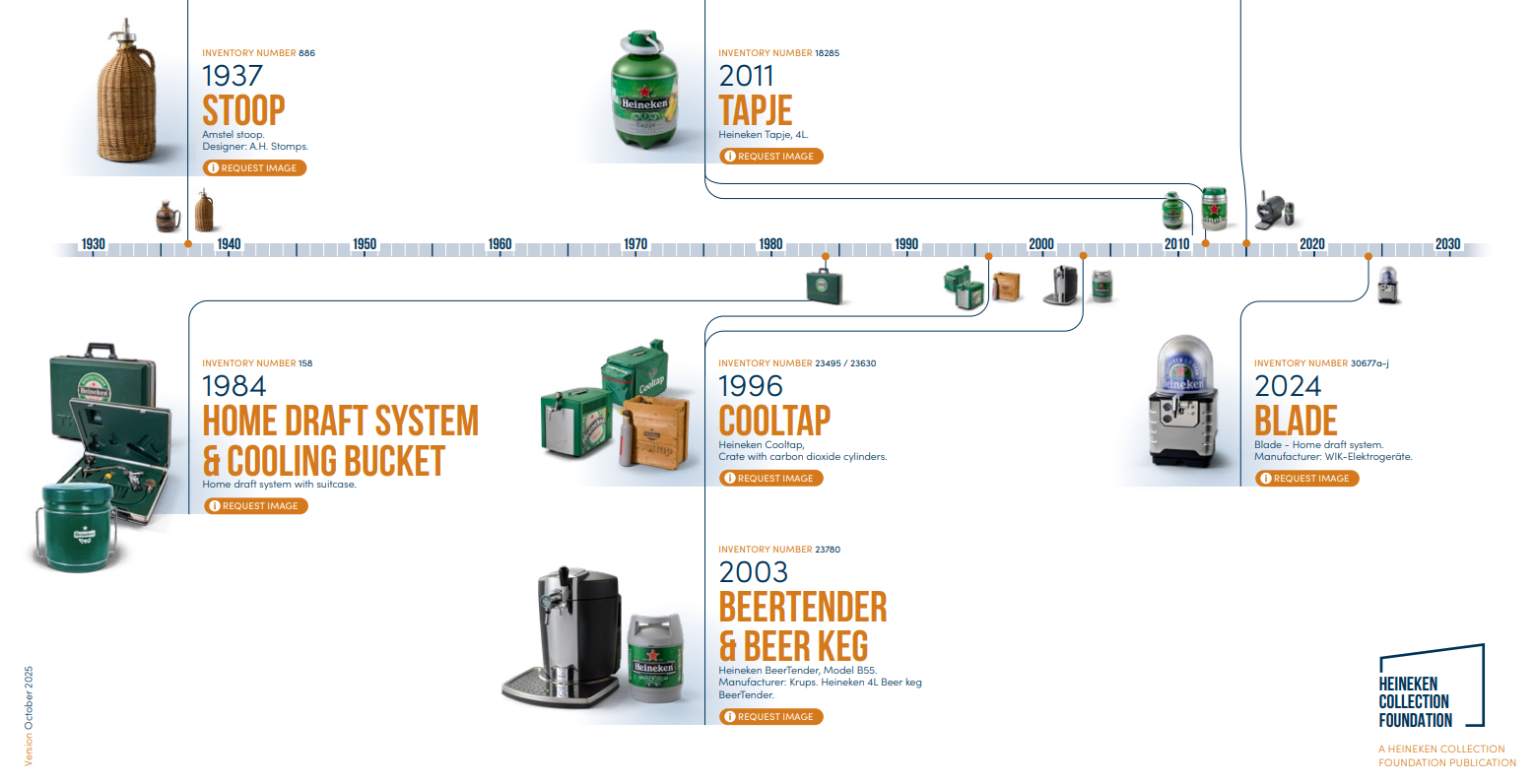
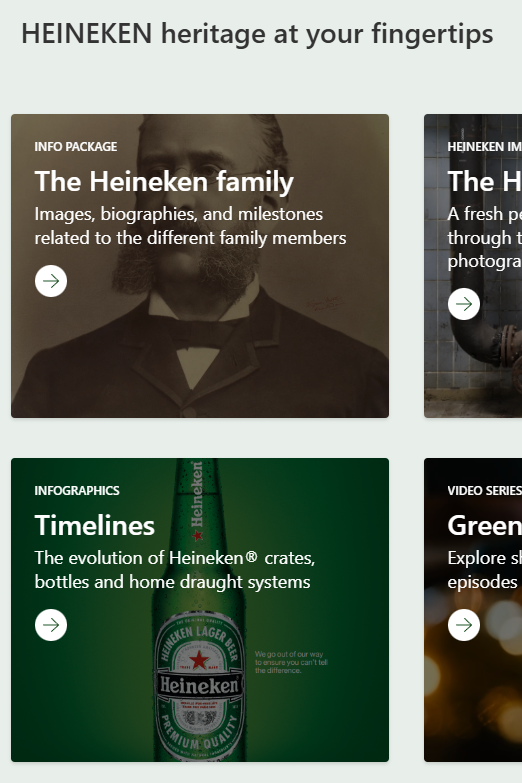
This year, we introduced the Heritage Hub: a dedicated online environment that brings together HEINEKEN’s heritage resources in one place. It offers curated timelines, stories, images, and videos that trace our development from a small Amsterdam brewery to an international business.
The Hub complements the Heineken Collection website but serves a different purpose. While the website supports external audiences, the Heritage Hub is tailored to our largest user group: HEINEKEN colleagues worldwide. As an internal environment, it provides direct access to materials that support narrative development, creative work, onboarding, and broader organisational projects.
By centralising these resources, the Hub helps standardise how heritage content is found and used across the company and strengthens how colleagues engage with our history in day‑to‑day work.


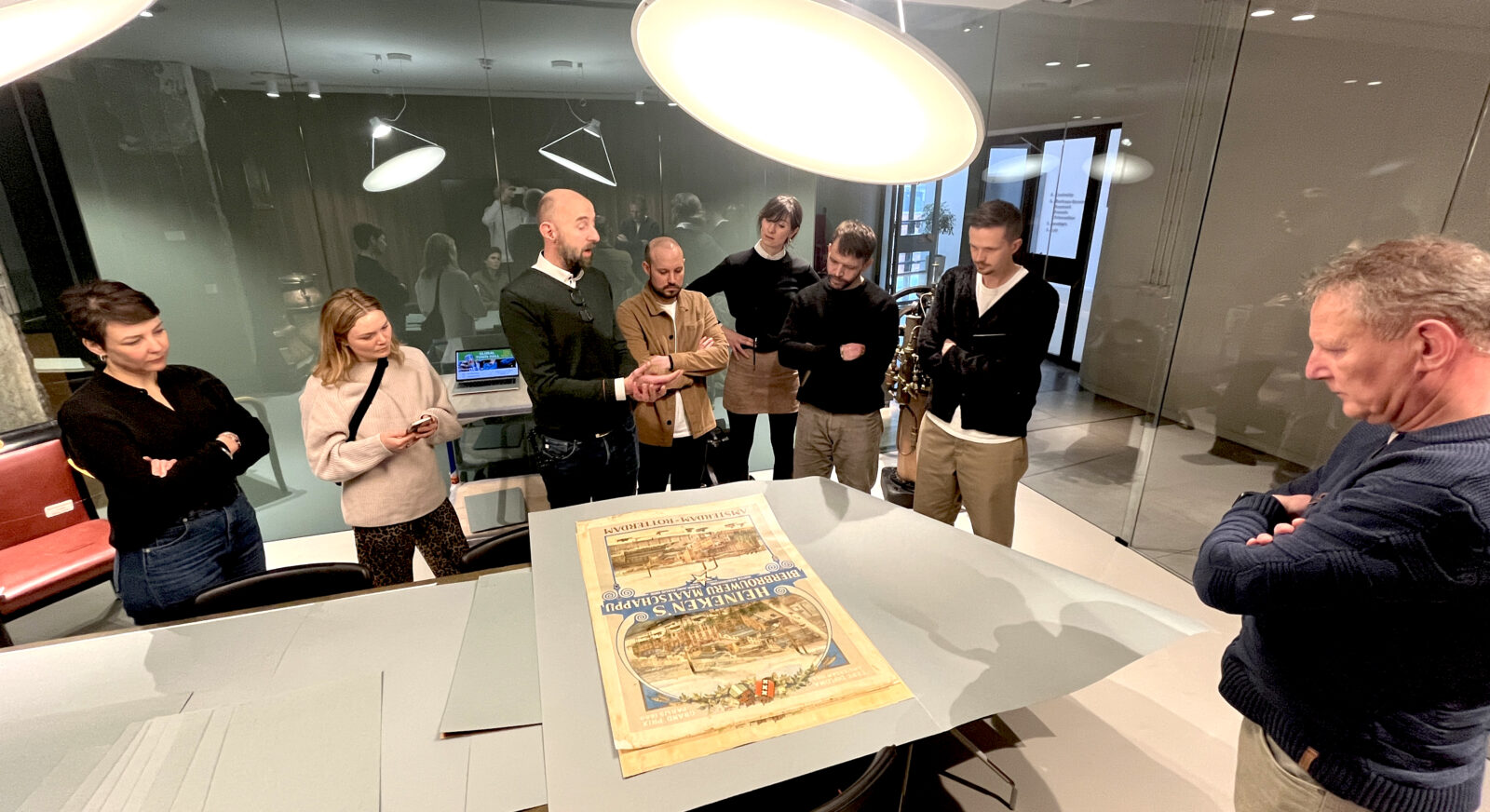

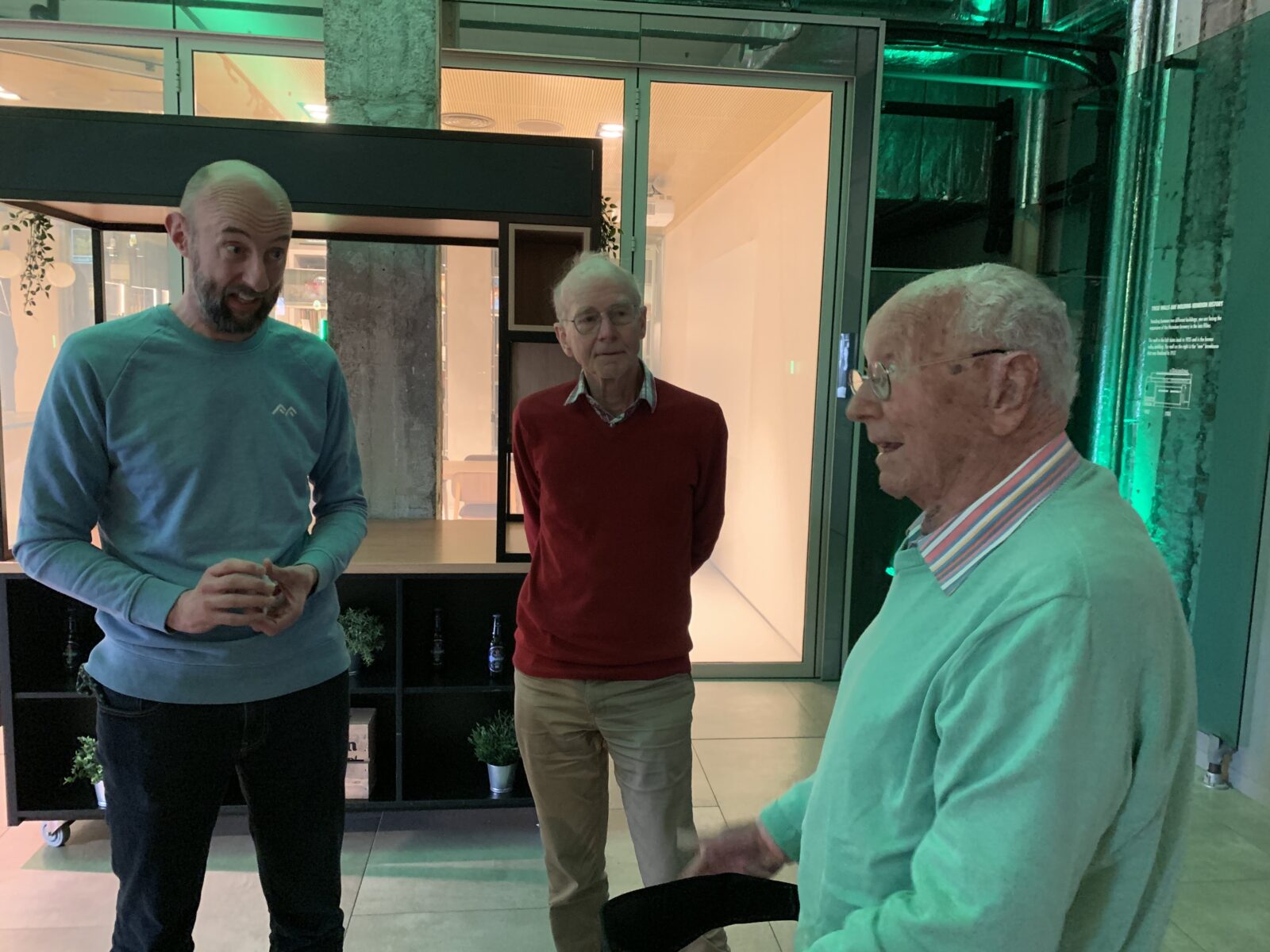

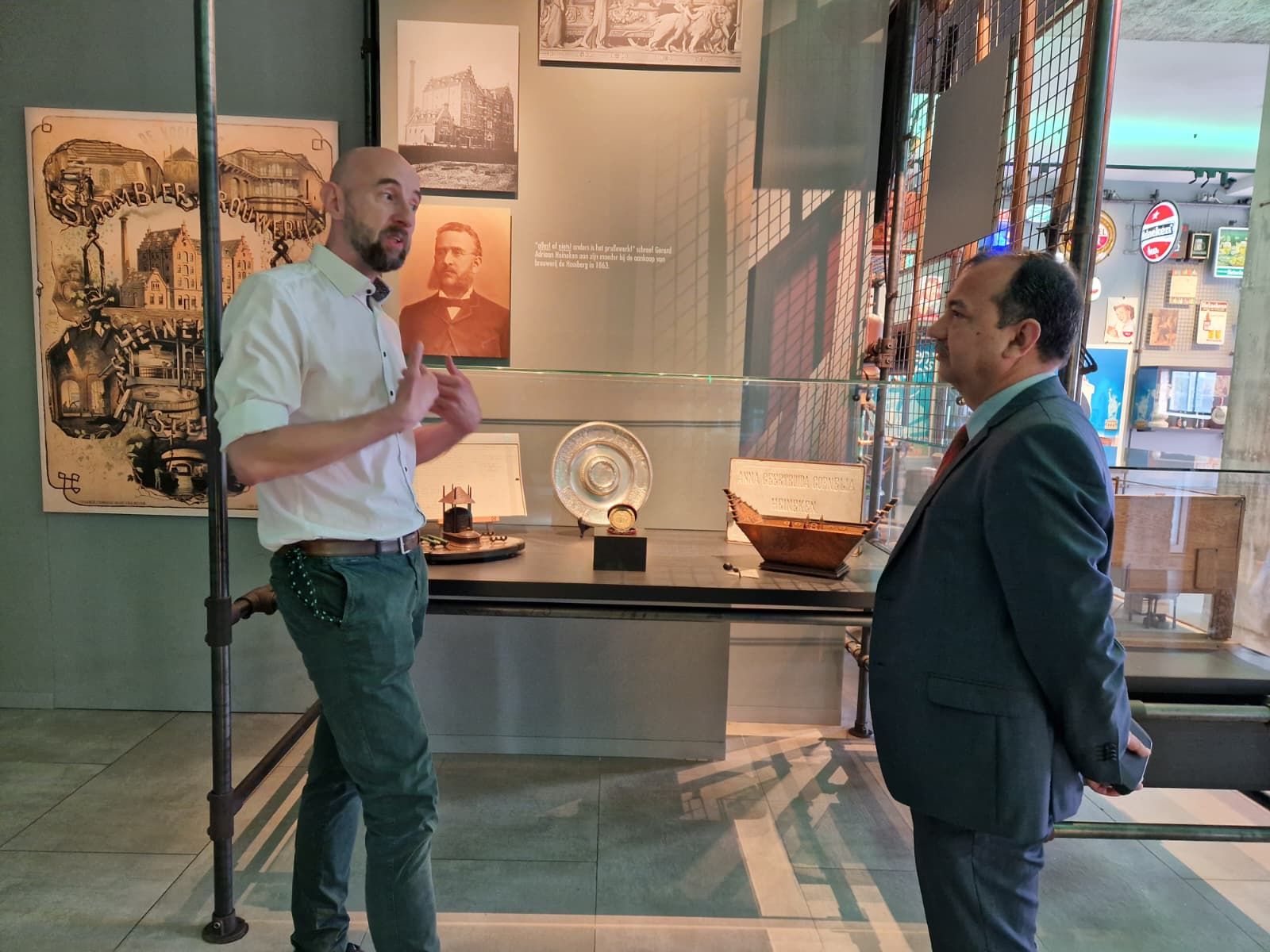

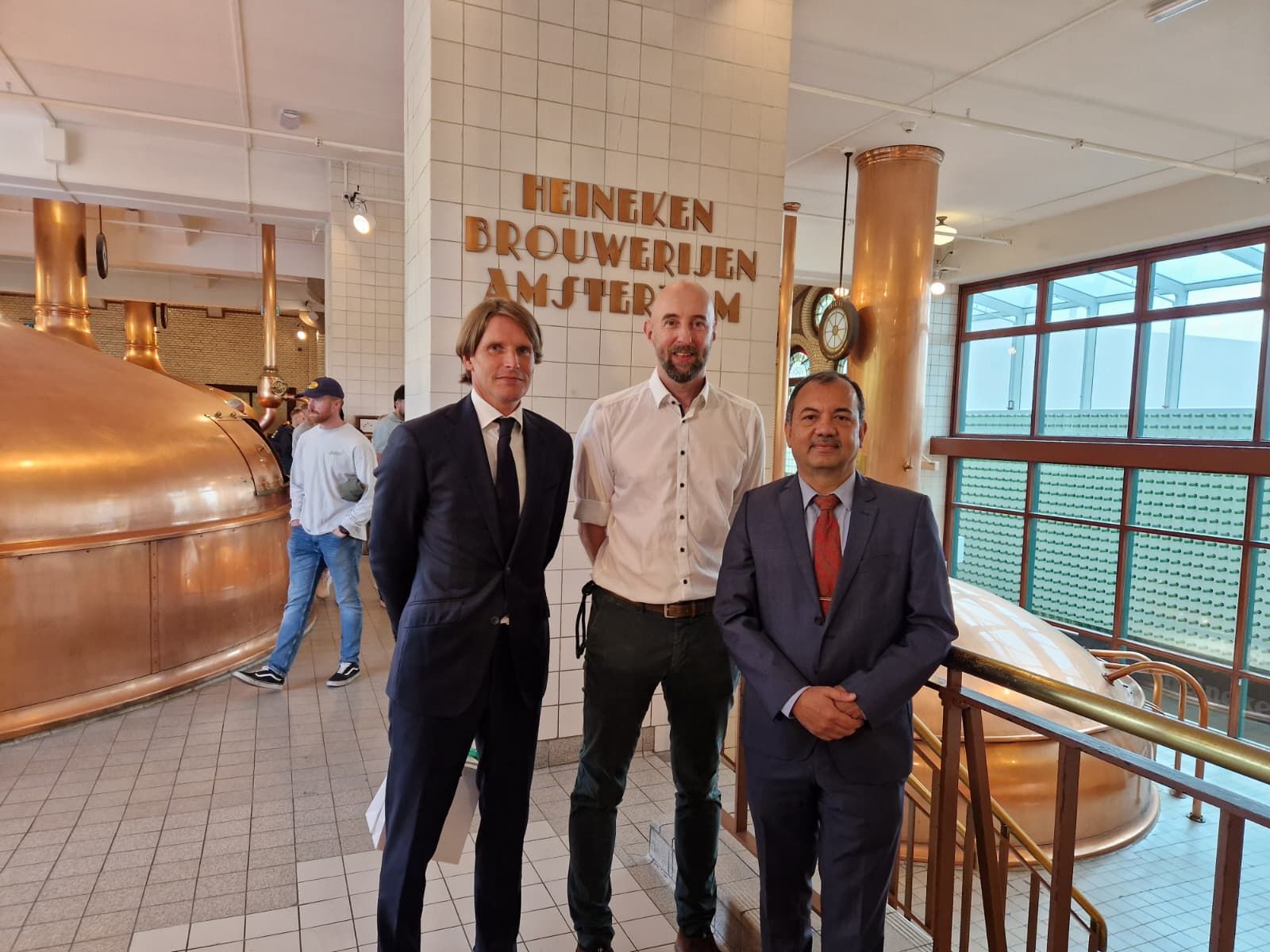

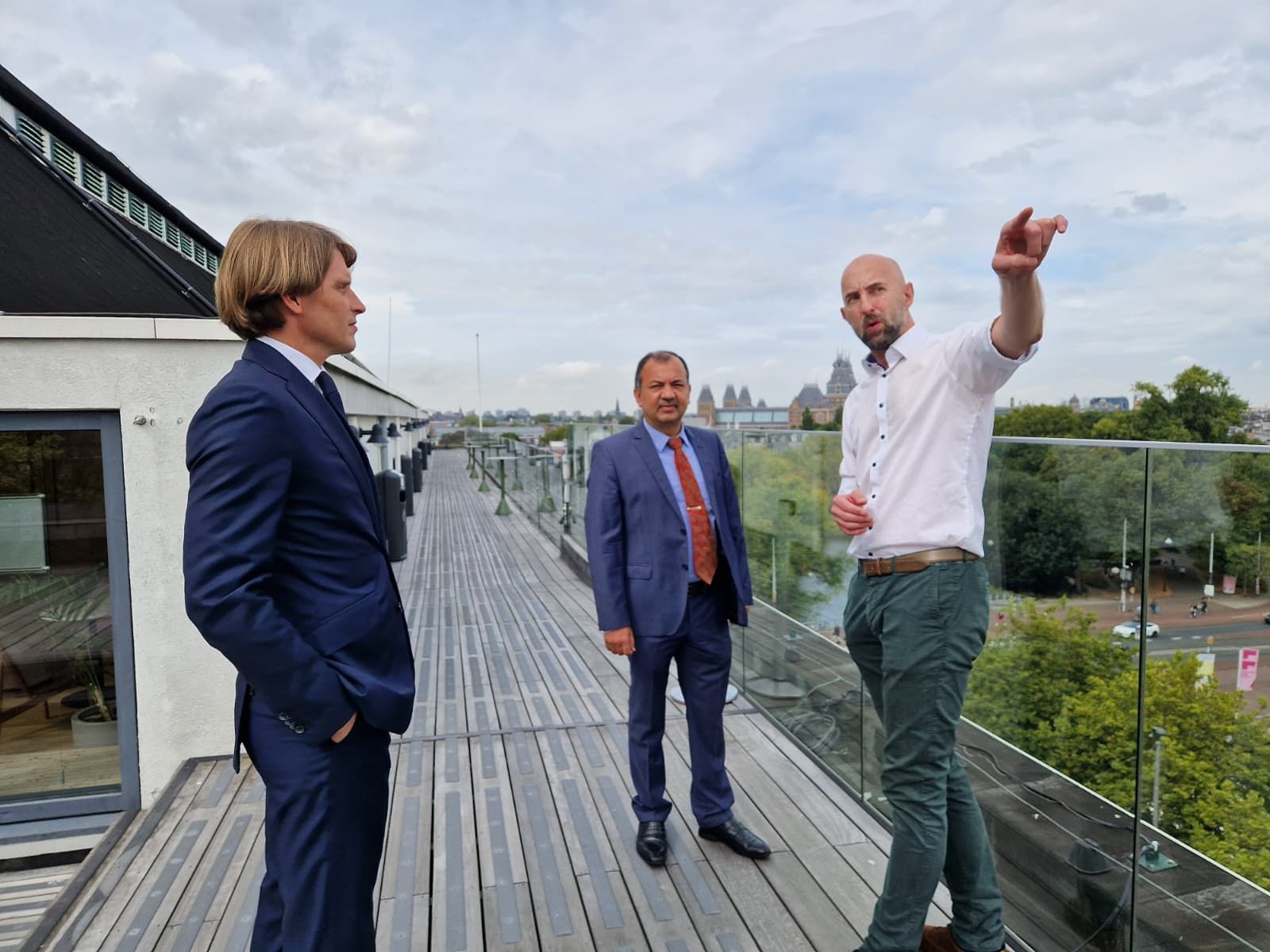

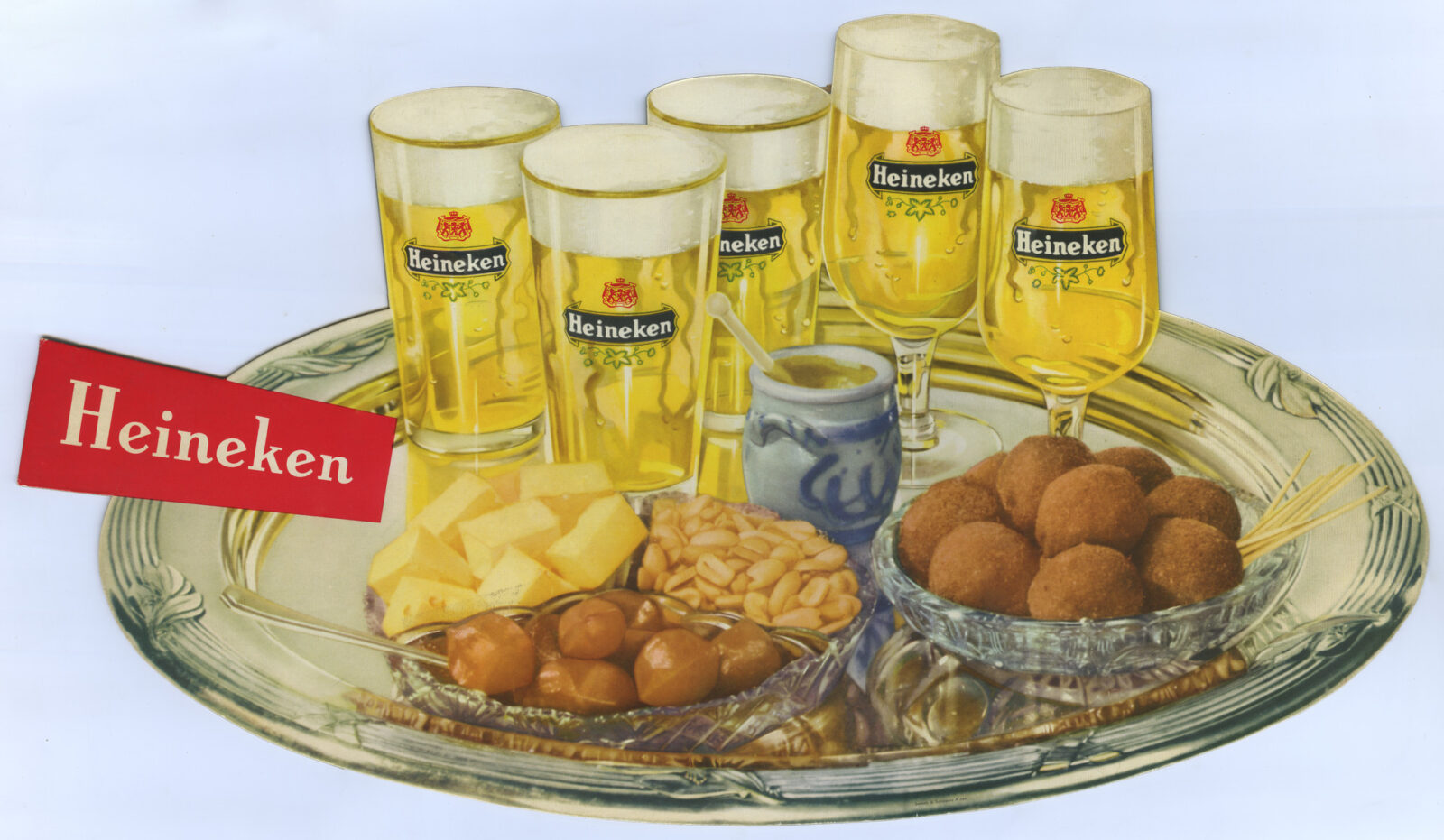

hosting guests in our depot and heritage quarter
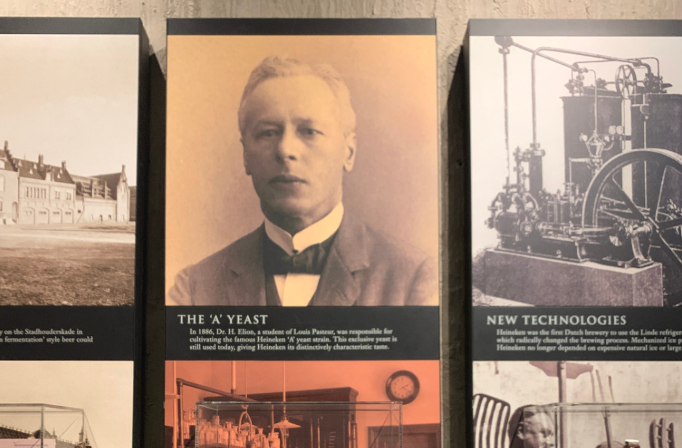
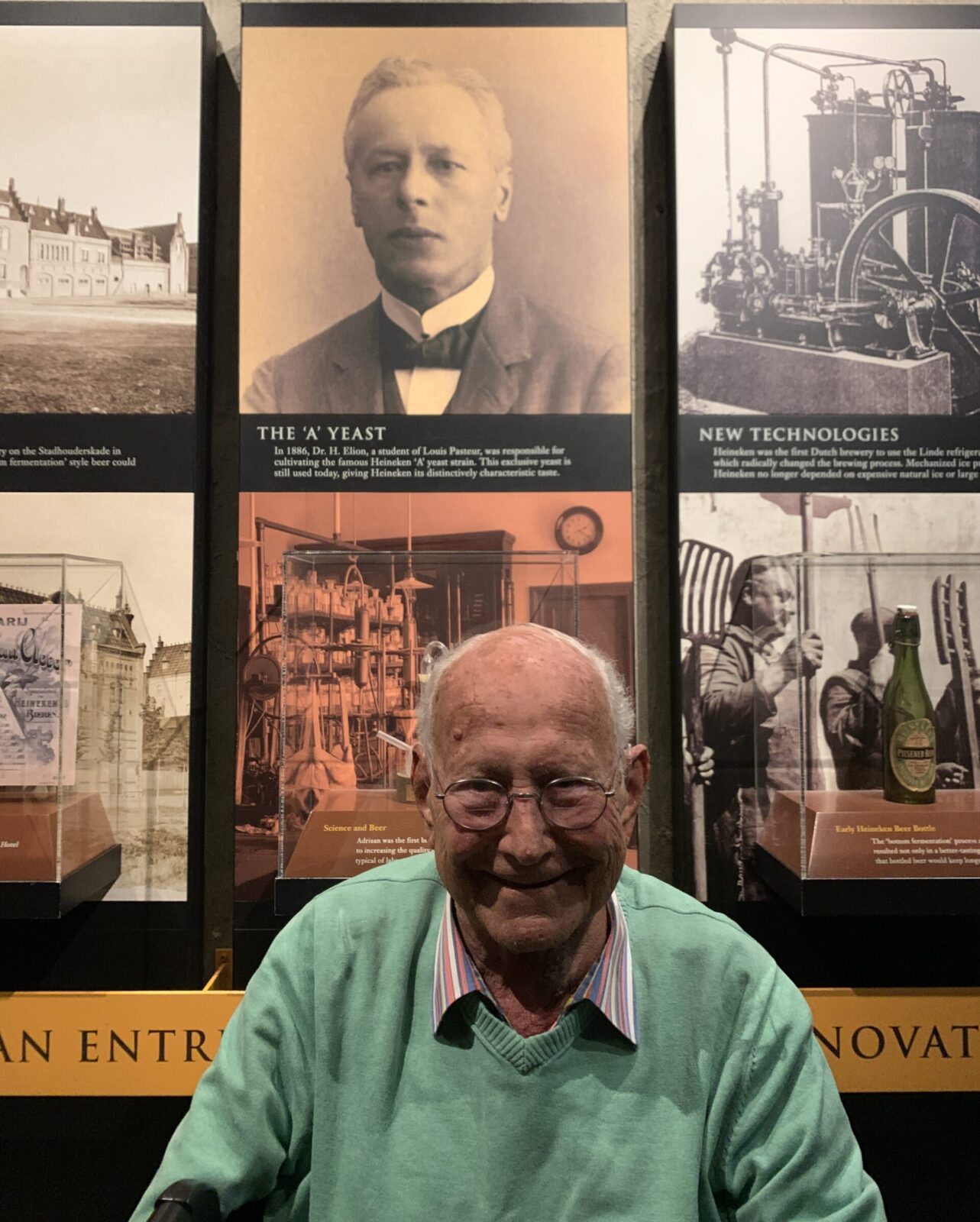
To improve efficiency in how we host visitors, we introduced standard sets of Heineken® and Amstel® objects and placed them in fixed locations within the depot. This reduces preparation time and allows us to focus on selecting the additional objects needed to tailor each visit.
Throughout the year, we welcomed several new colleagues from the Heineken Experience, as well as the new advertising agency teams for Heineken USA and Heineken Mexico. These introductions help teams understand how our heritage supports creative work and strengthens brand narratives.
We also hosted the Indian Ambassador and Economic Attaché, highlighting the Collection’s role in diplomatic engagement and its ability to bring people together.
We also organised a bespoke tour for the Australian Ambassador to the Netherlands, and an introductory session for a cohort of new Corporate Affairs Directors, offering them a structured overview of HEINEKEN’s heritage resources and storytelling potential.
Closer to home, a group of De Pijp residents visited for a session on the neighbourhood’s historic ties to Heineken®, followed by a tour of the depot, exhibition and roof terrace.
Another custom visit came from the Global Heineken Communication team, focusing on communication through the ages, with particular attention to advertising centred on socialising and bar culture.
Finally, the Amstel Brand Team continues to be a regular visitor, using the depot for inspiration. Together with teams from Ecuador, Bolivia and Paraguay, they explored how their market ambitions connect to a shared global heritage.
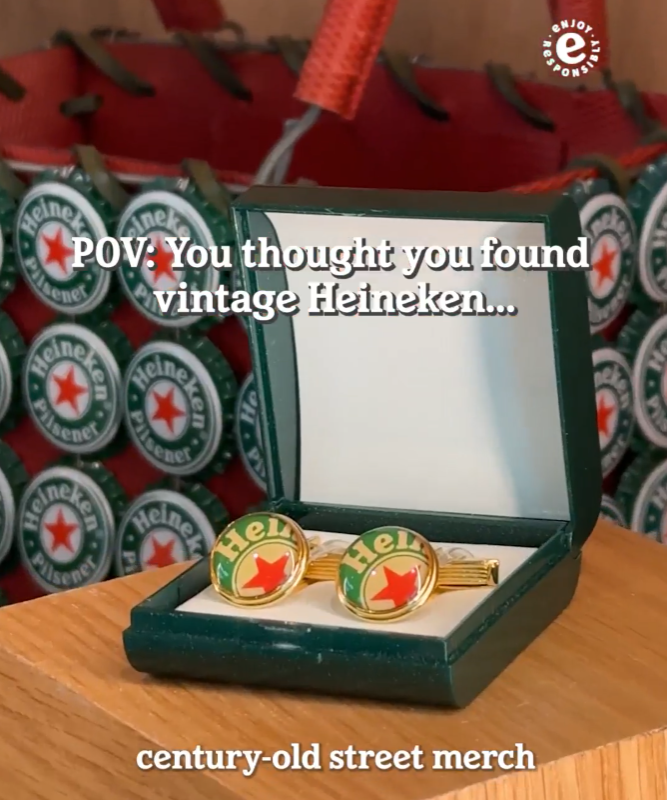

from collection to socials
Curated objects also featured in externally published content, including Instagram posts developed in collaboration with the Heineken Experience and creative partner Boomerang.
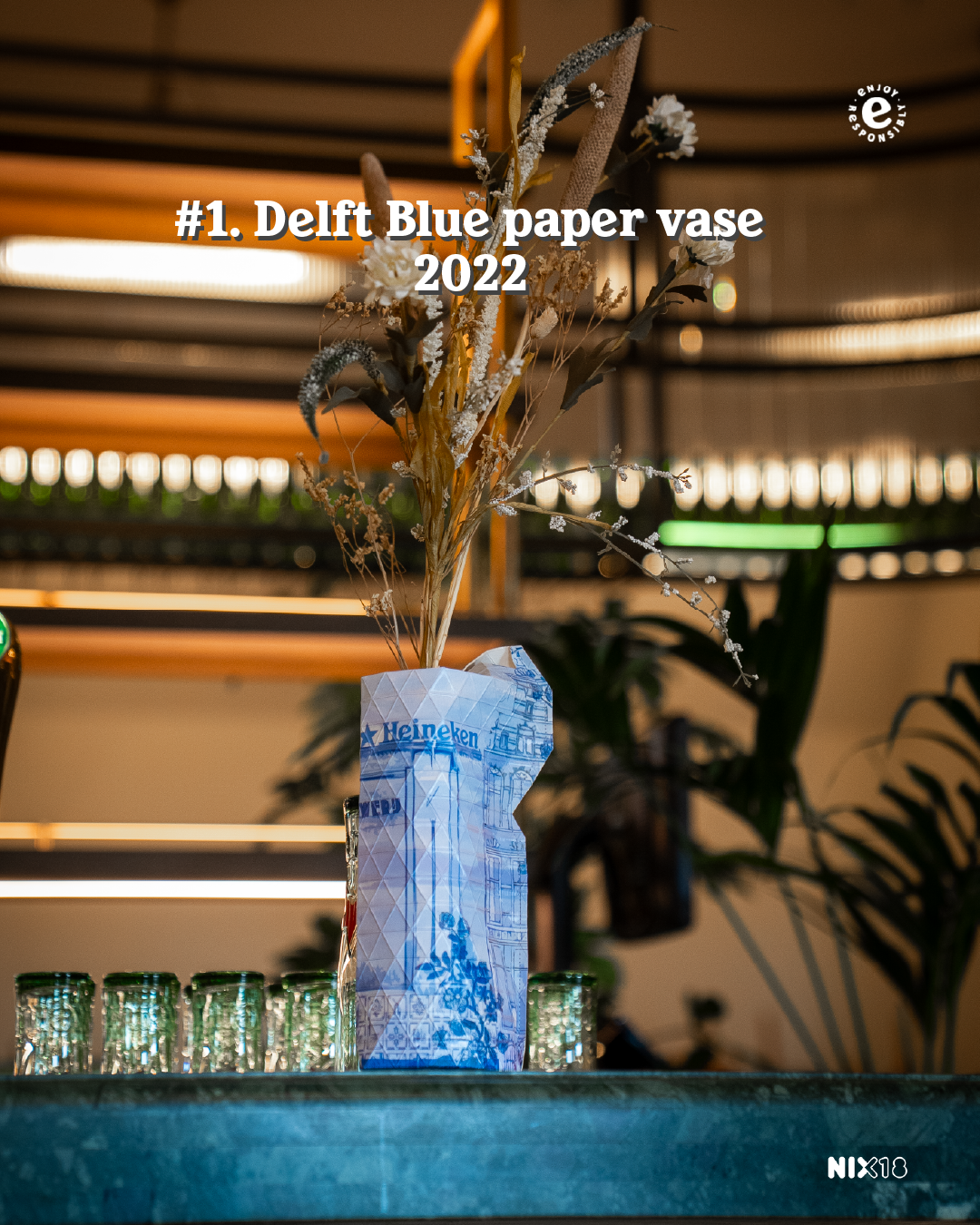

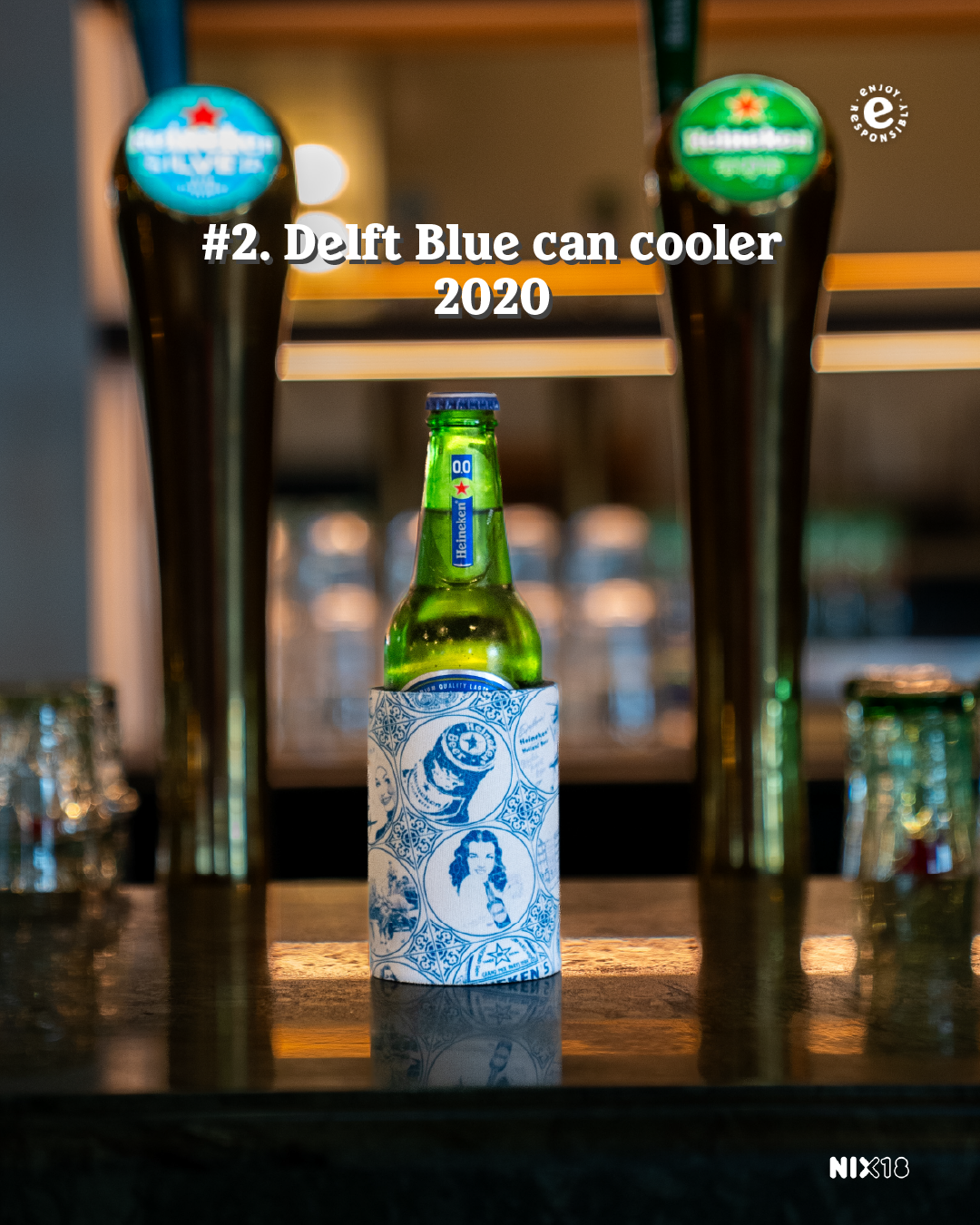

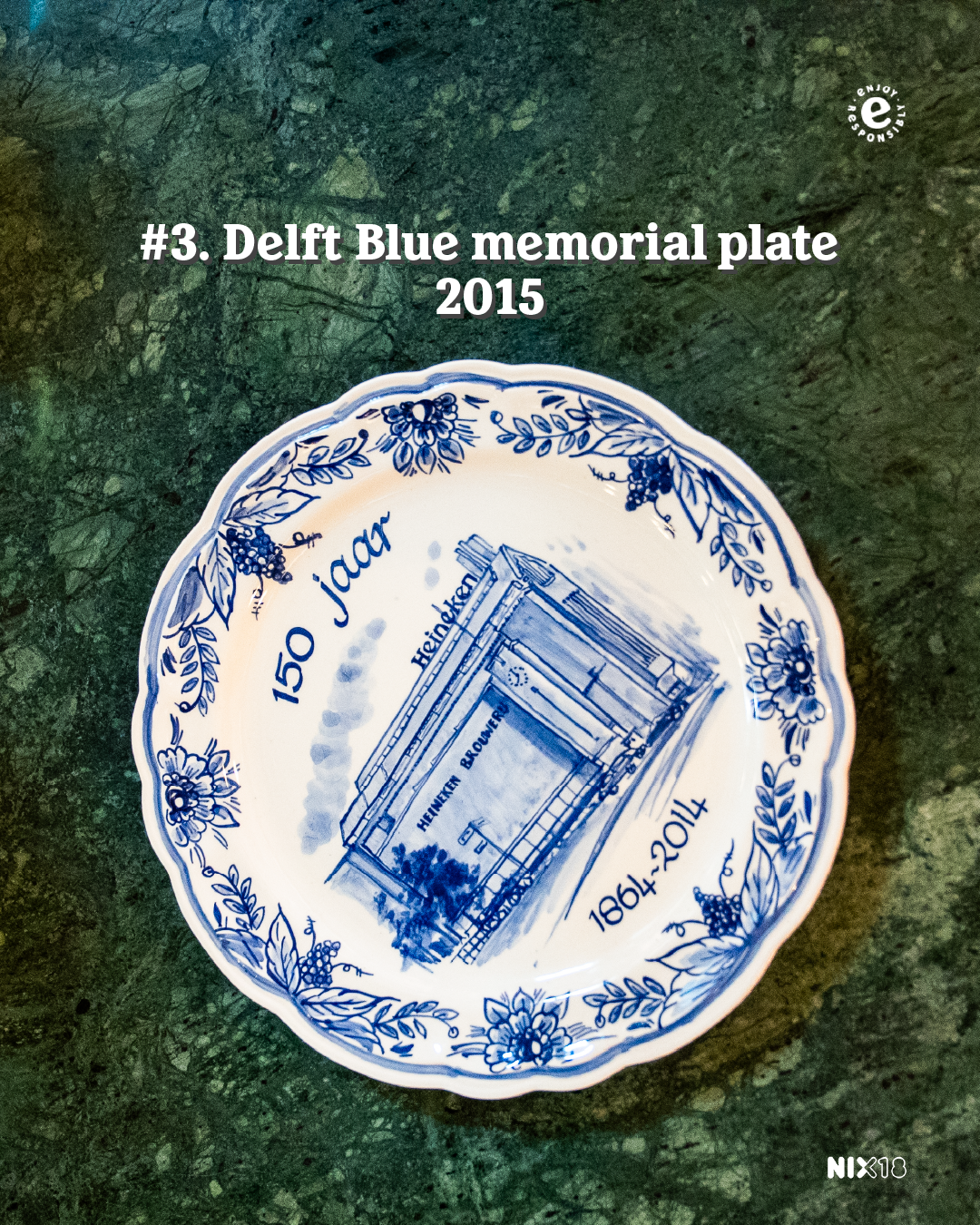


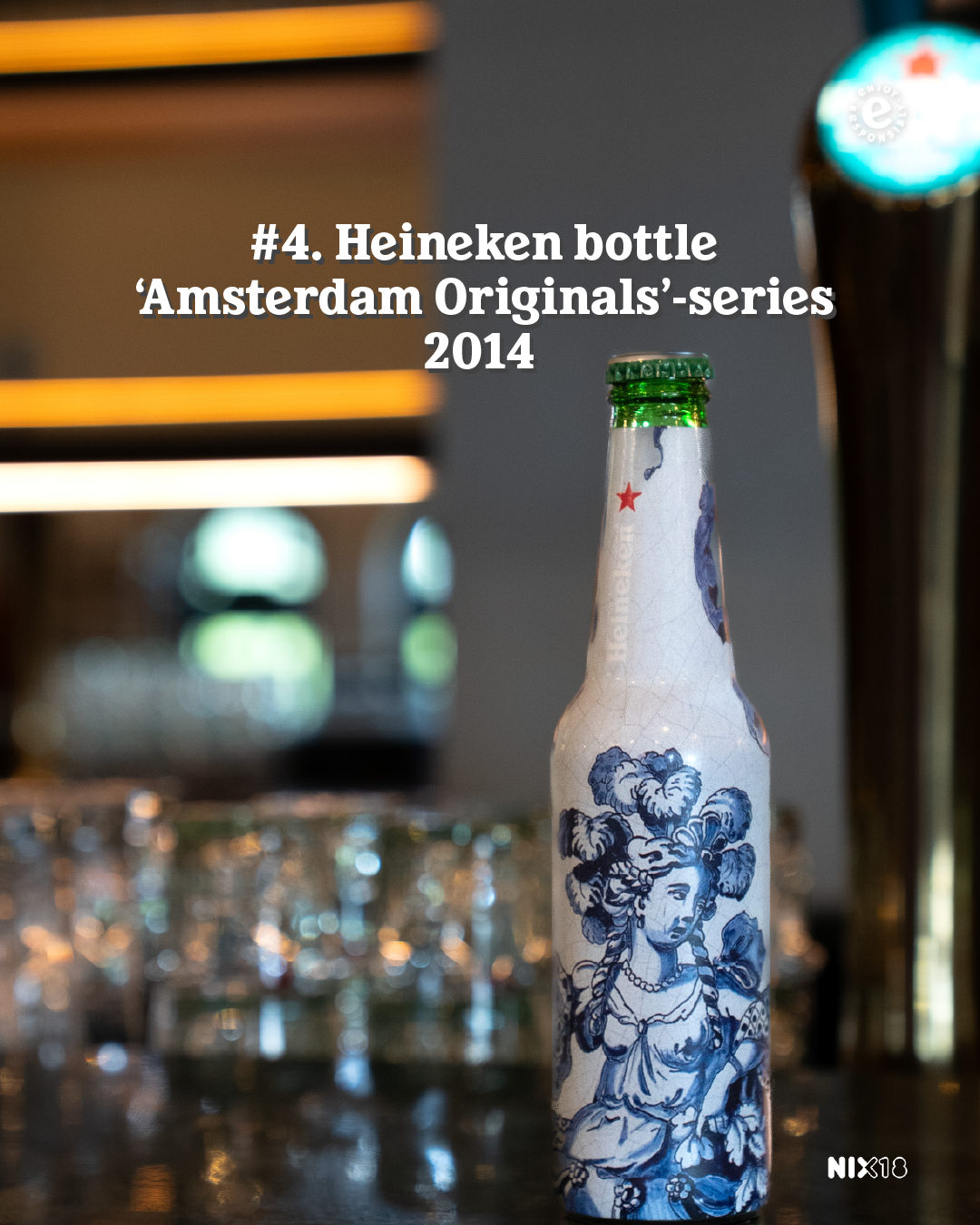

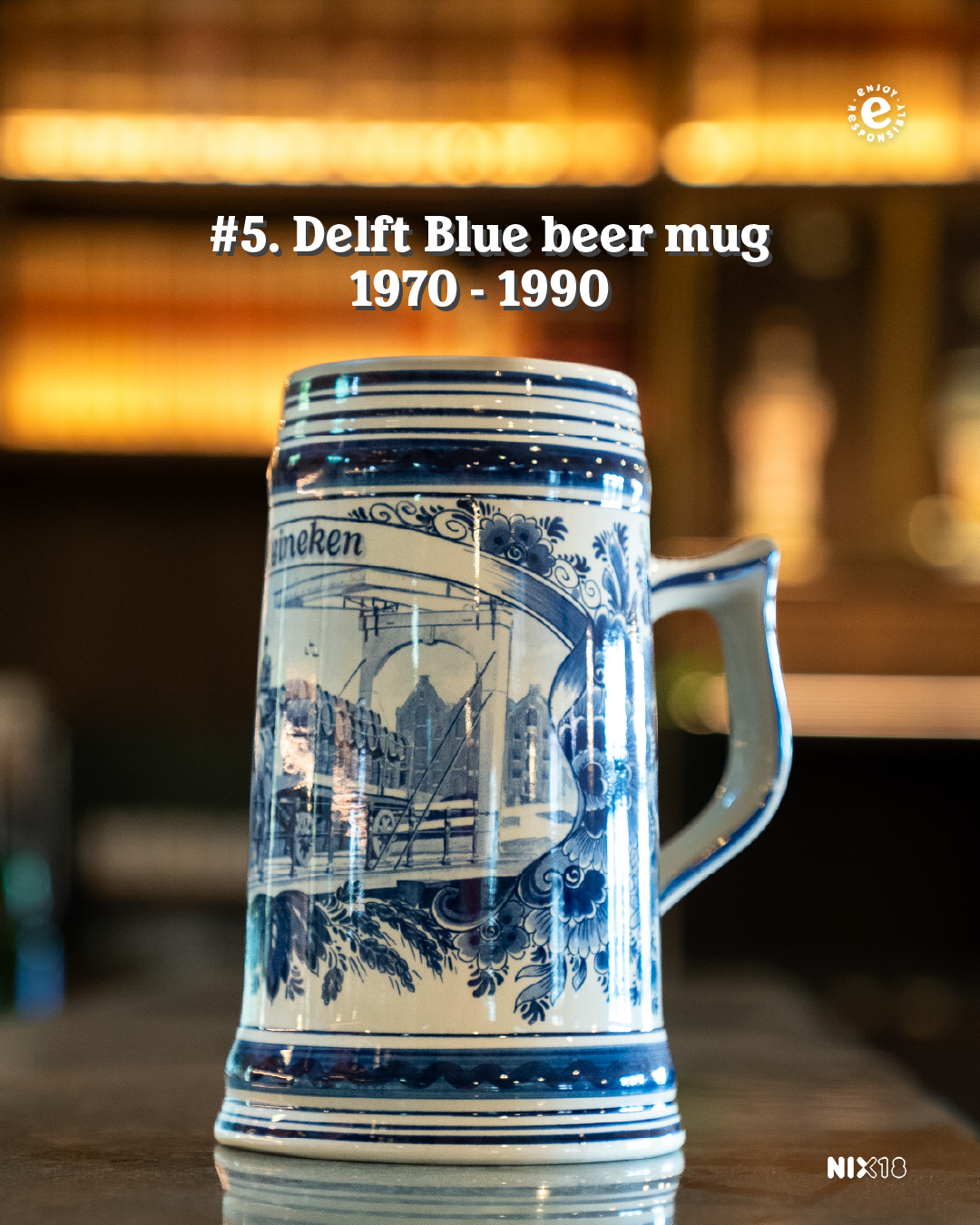

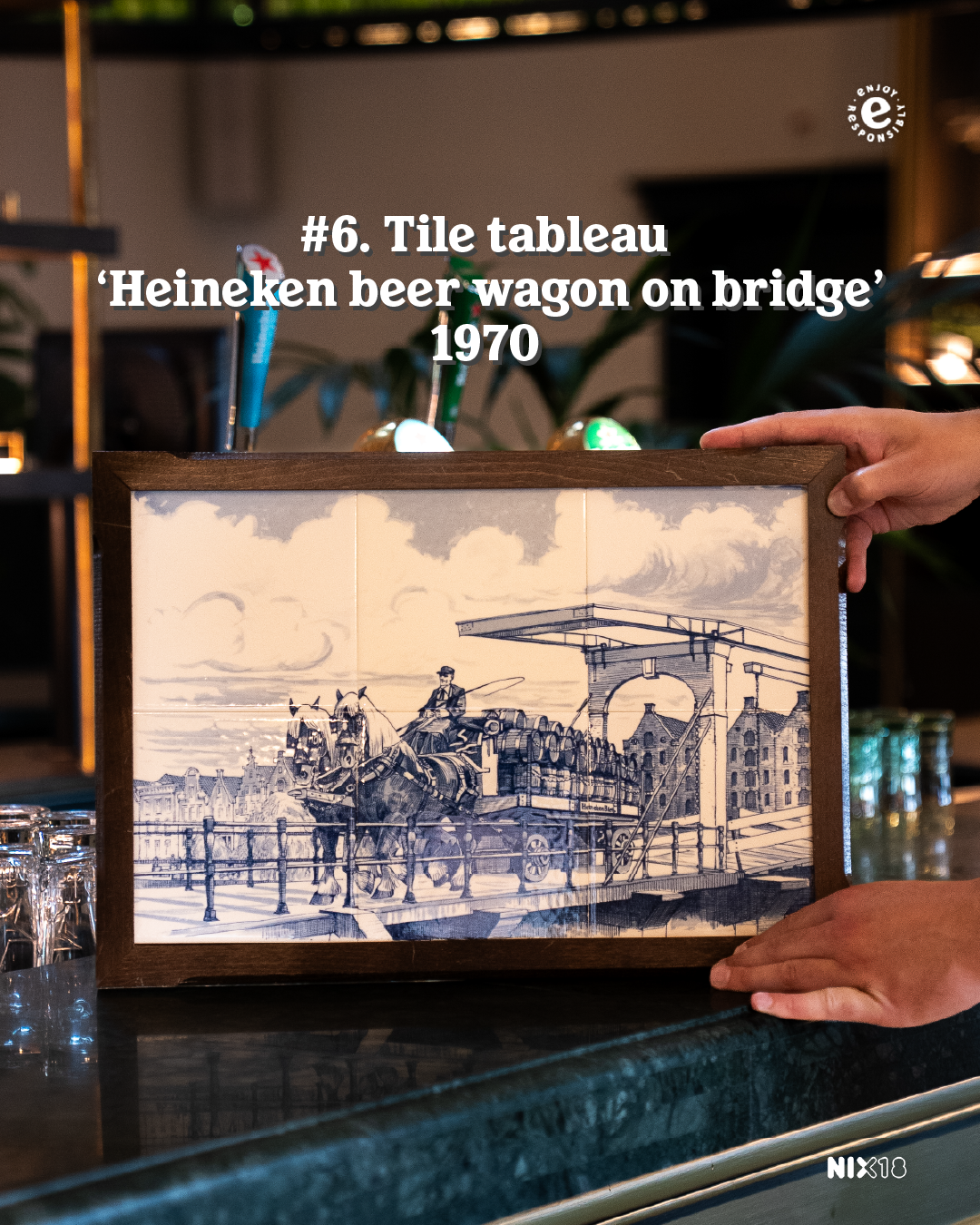

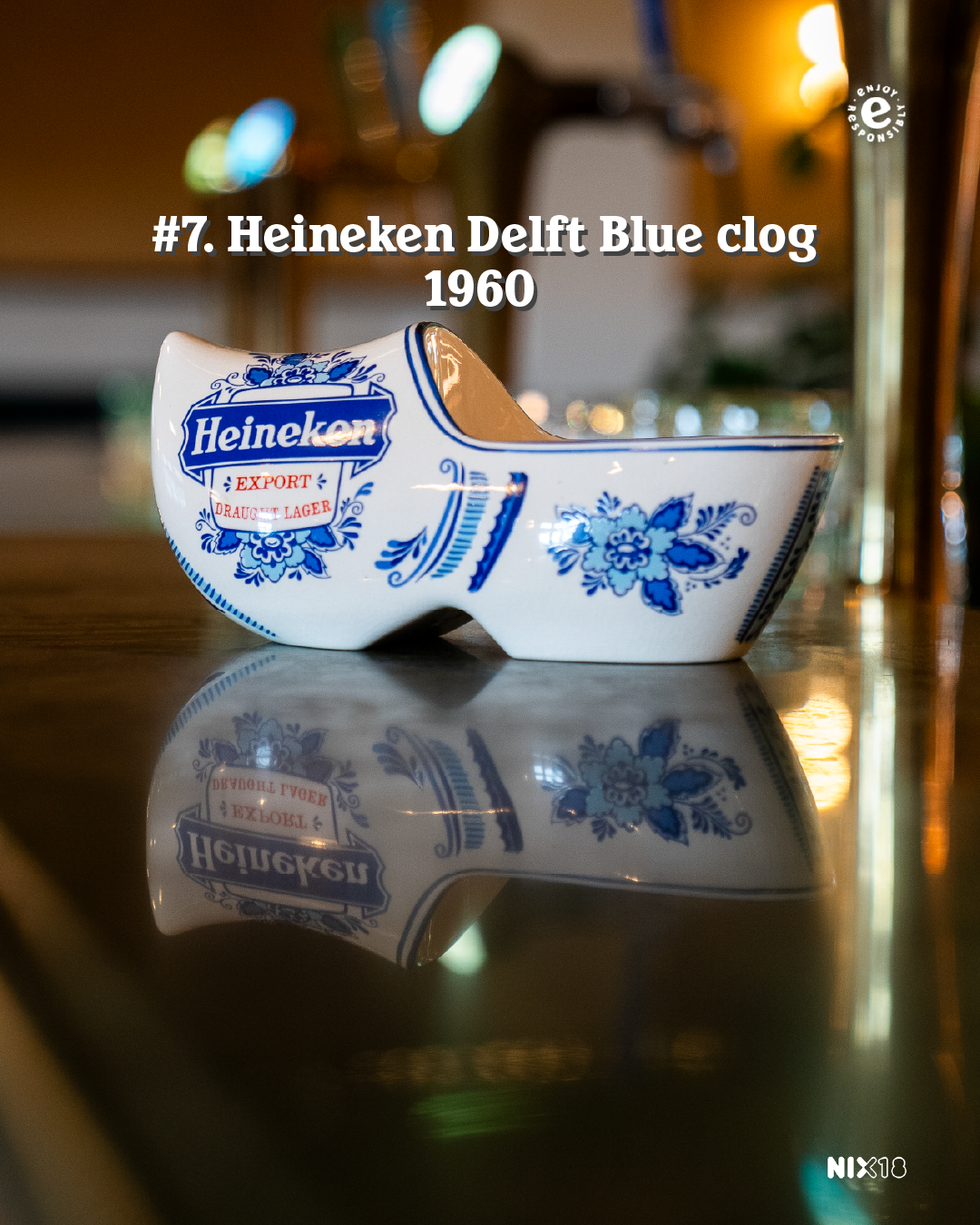


Capturing today’s progress — preserving tomorrow’s heritage.
For-EverGreen Day Awards
2025 marked the launch of the For‑EverGreen Day Awards — a new, annual initiative to collect contemporary artefacts that reflect pioneering work across The HEINEKEN Company.
Teams across the organisation were invited to submit an artefact – physical or digital – that represents recent pioneering work aligned with EverGreen 2030. These submissions enrich the Collection with tangible evidence of how colleagues are translating strategy into practice.
With around fifty submissions received during the first six‑week submission window, the response confirmed a strong appetite to contribute to HEINEKEN’s corporate memory.
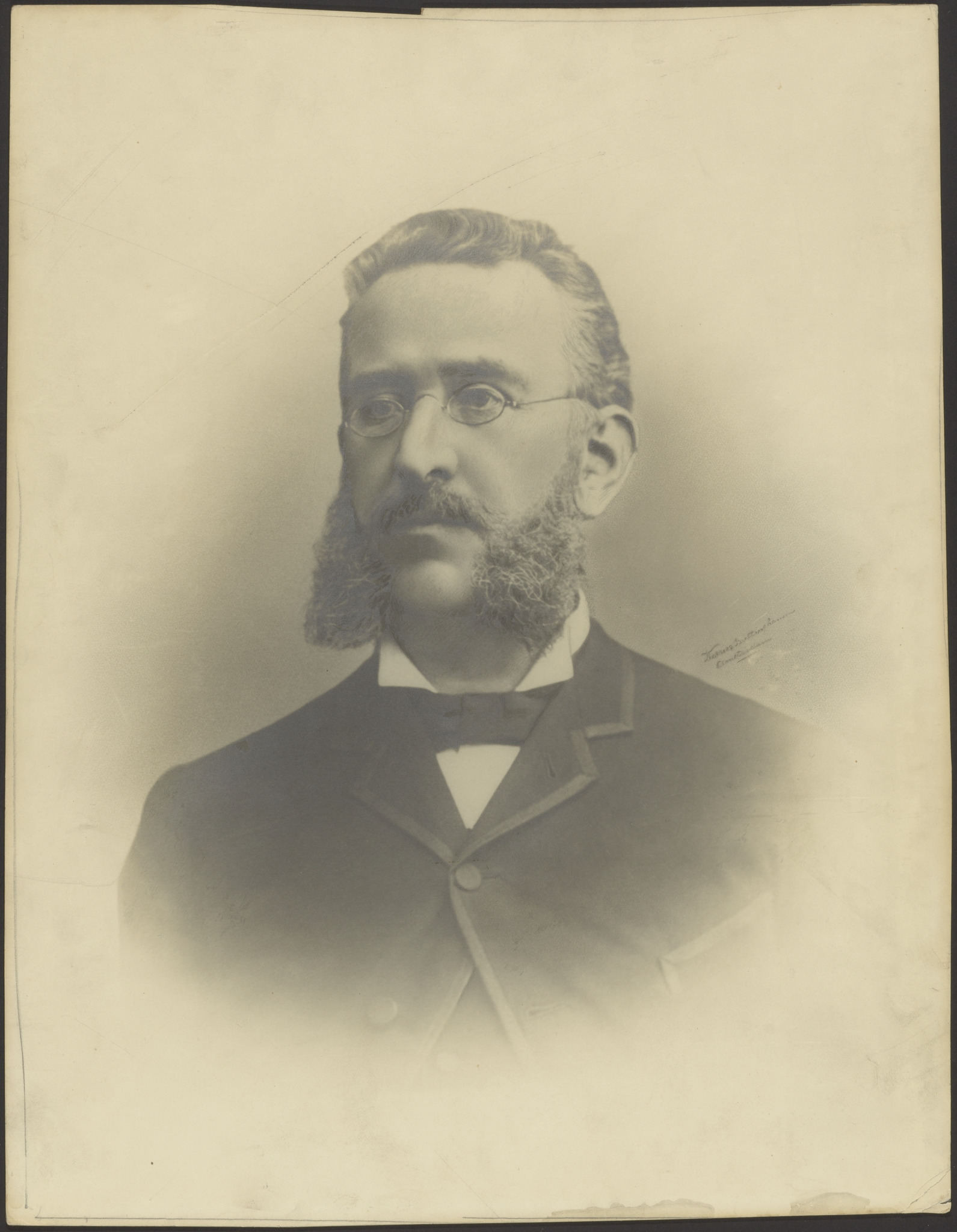
The Awards are held each year on or around 15 February, marking the date in 1864 when our founder, Gerard Adriaan Heineken, purchased his first brewery in Amsterdam. By anchoring the ceremony to this moment, we deliberately connect HEINEKEN’s origins with the innovations shaping the company today.
The first award ceremony took place on Friday 13 February 2026, establishing a clear annual rhythm for capturing today’s progress and preserving it as tomorrow’s heritage.

08_Connected Collection

WE are
connected
a
digitally accessible and well‑connected collection remains central to serving colleagues worldwide. In 2025, we continued to strengthen the systems that underpin our digital ecosystem, focusing on sustainability, security, and long‑term resilience. We accelerated digitisation, improved the quality and structure of our digital data, and advanced tools that make the Collection more usable across markets.


Digitisation with a purpose
Digitisation remains a core activity for the HCF, not as an end in itself, but as a way to safeguard fragile originals and enable wider reuse. Throughout the year, efforts were focused on clearly defined projects with practical outcomes.
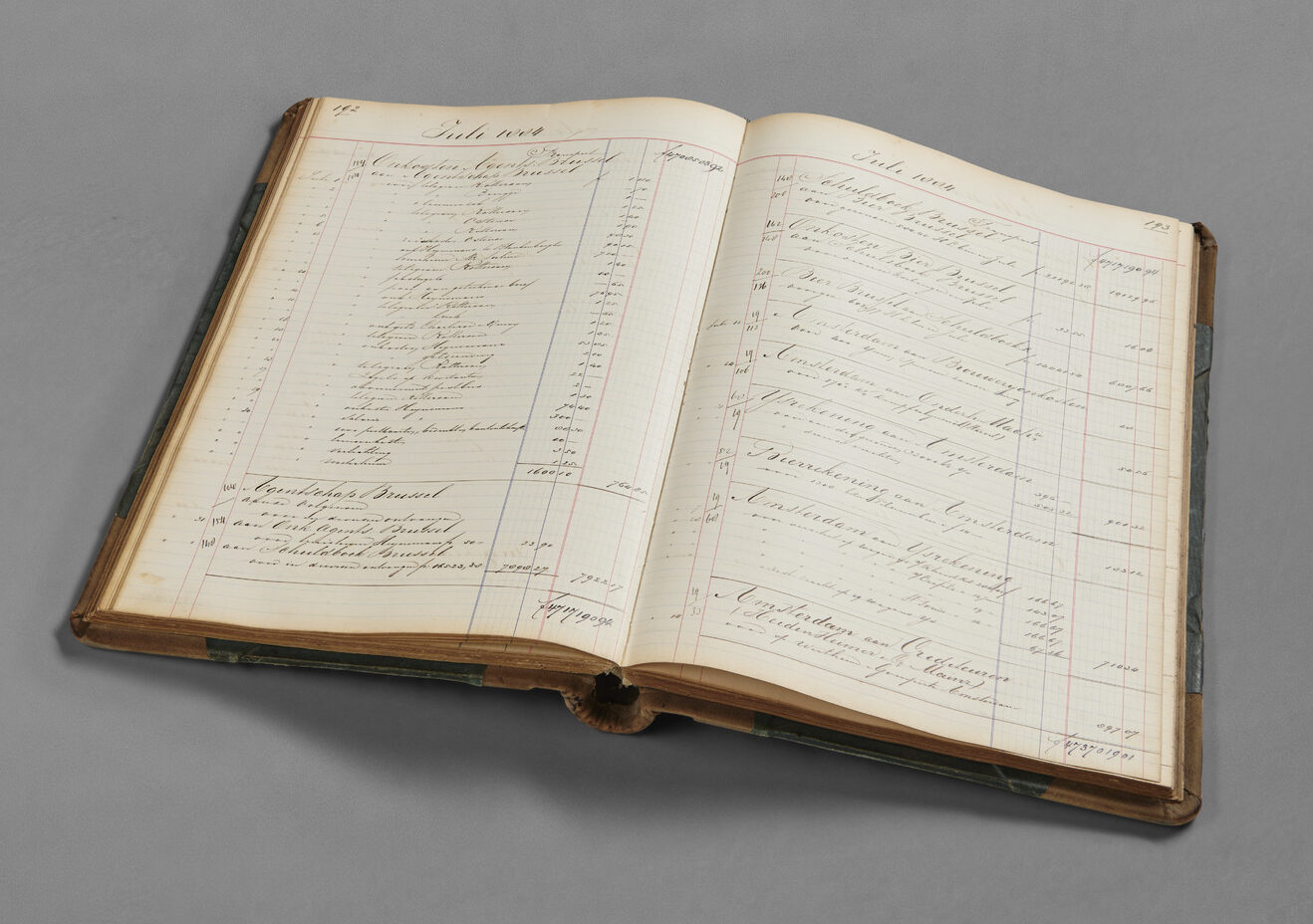
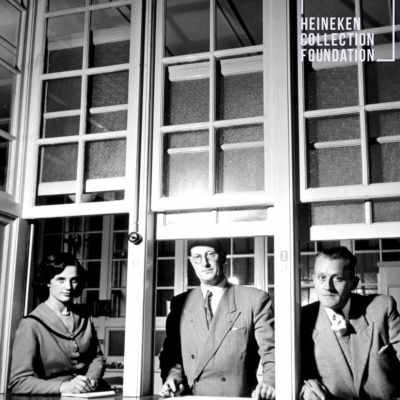
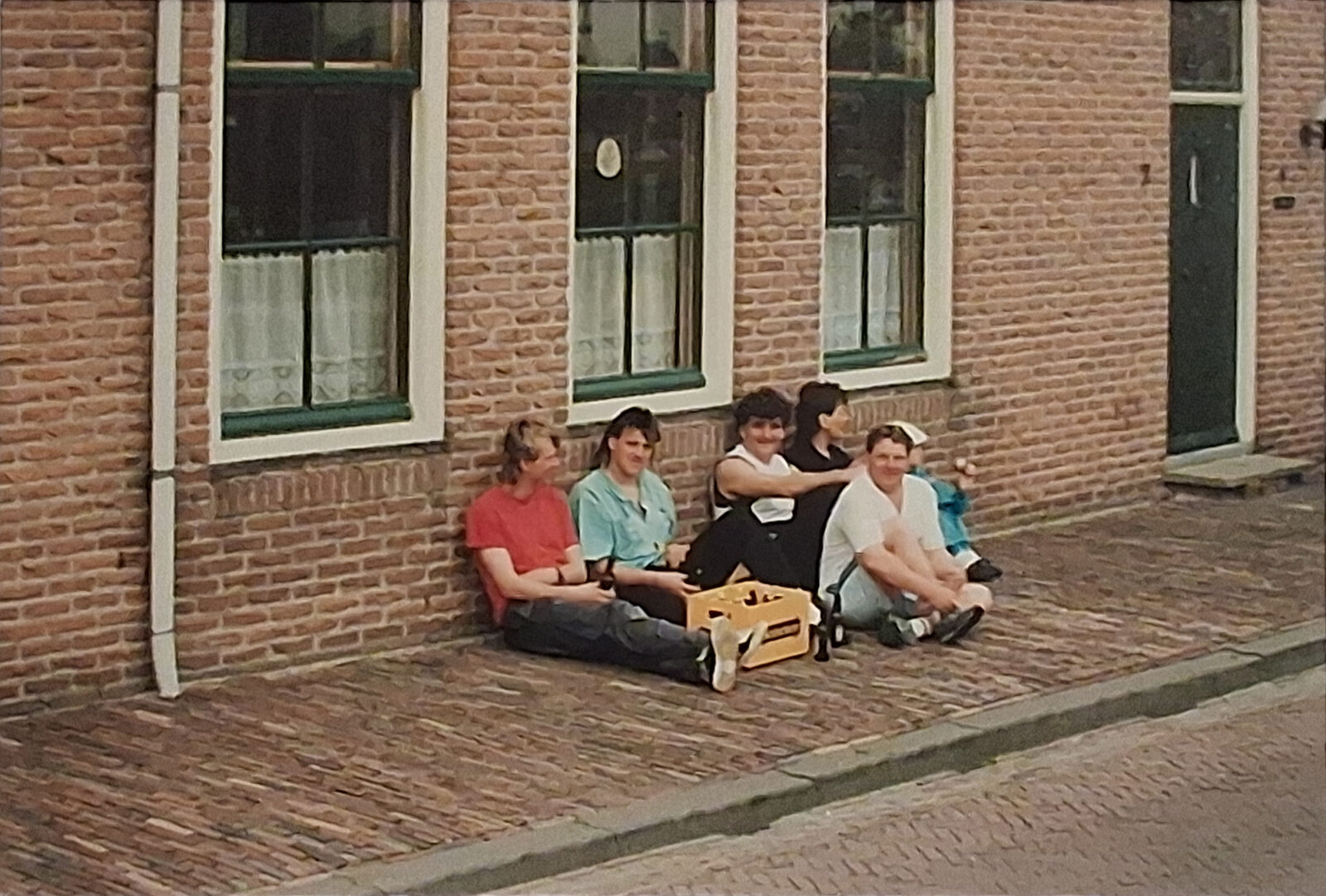
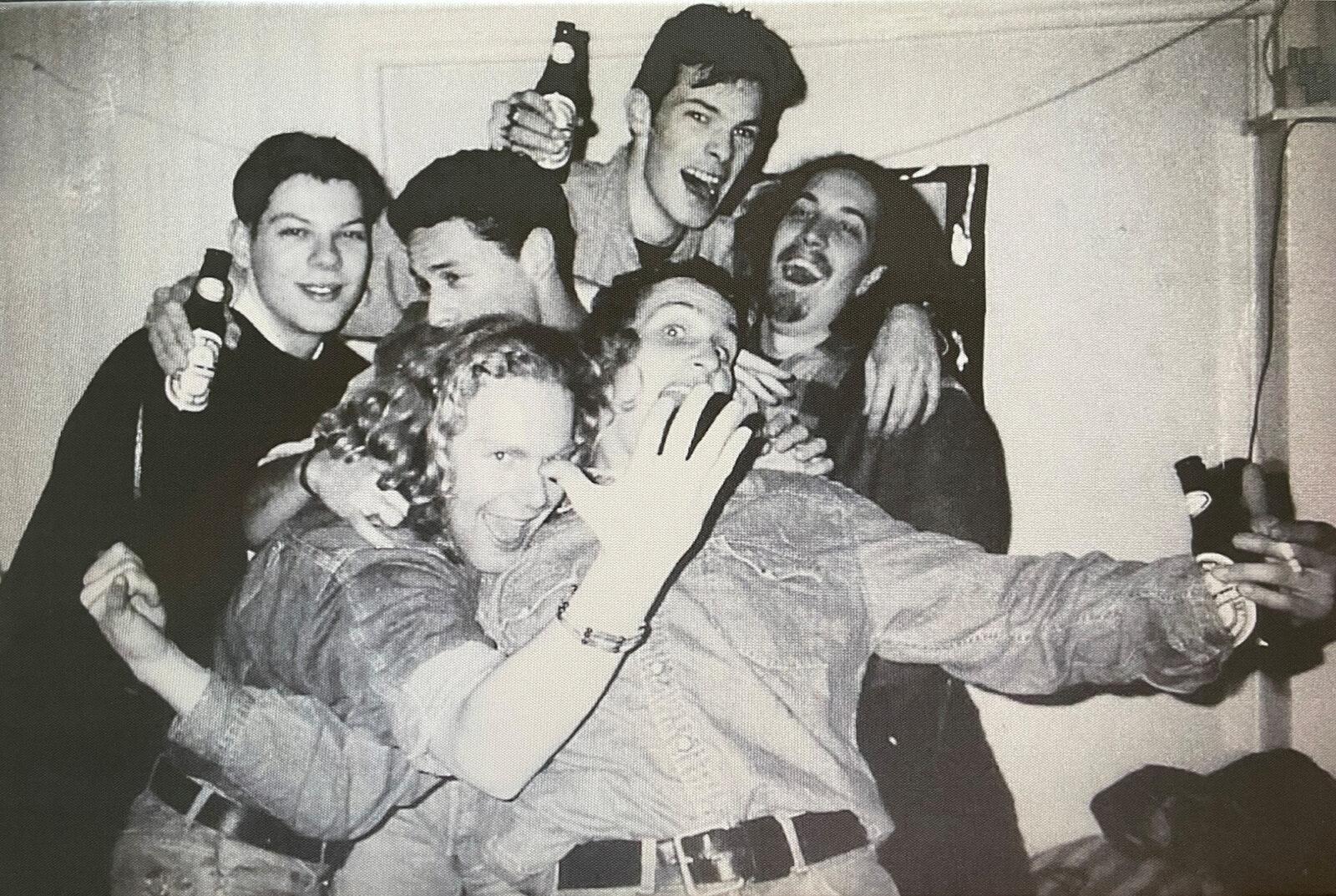
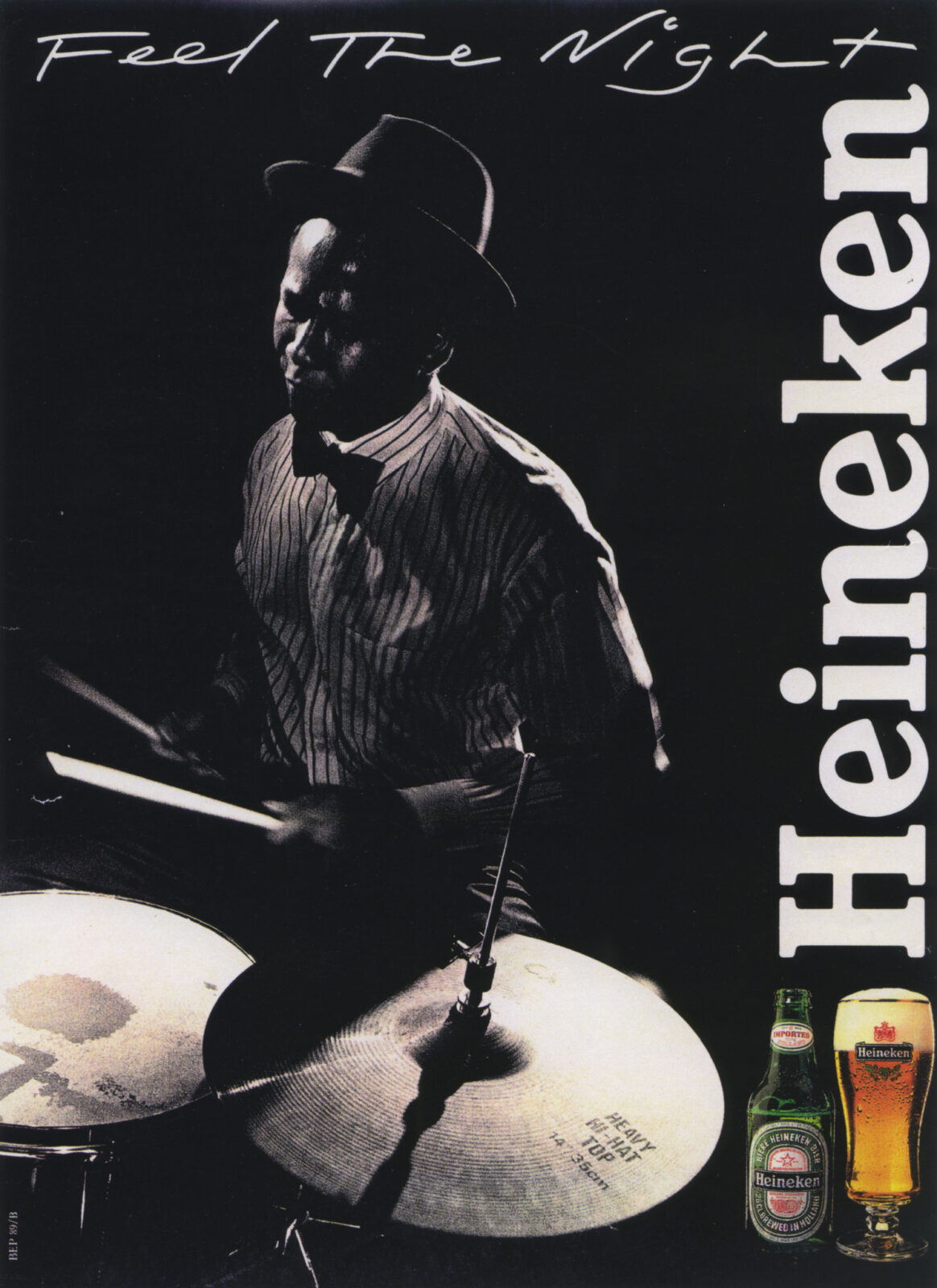
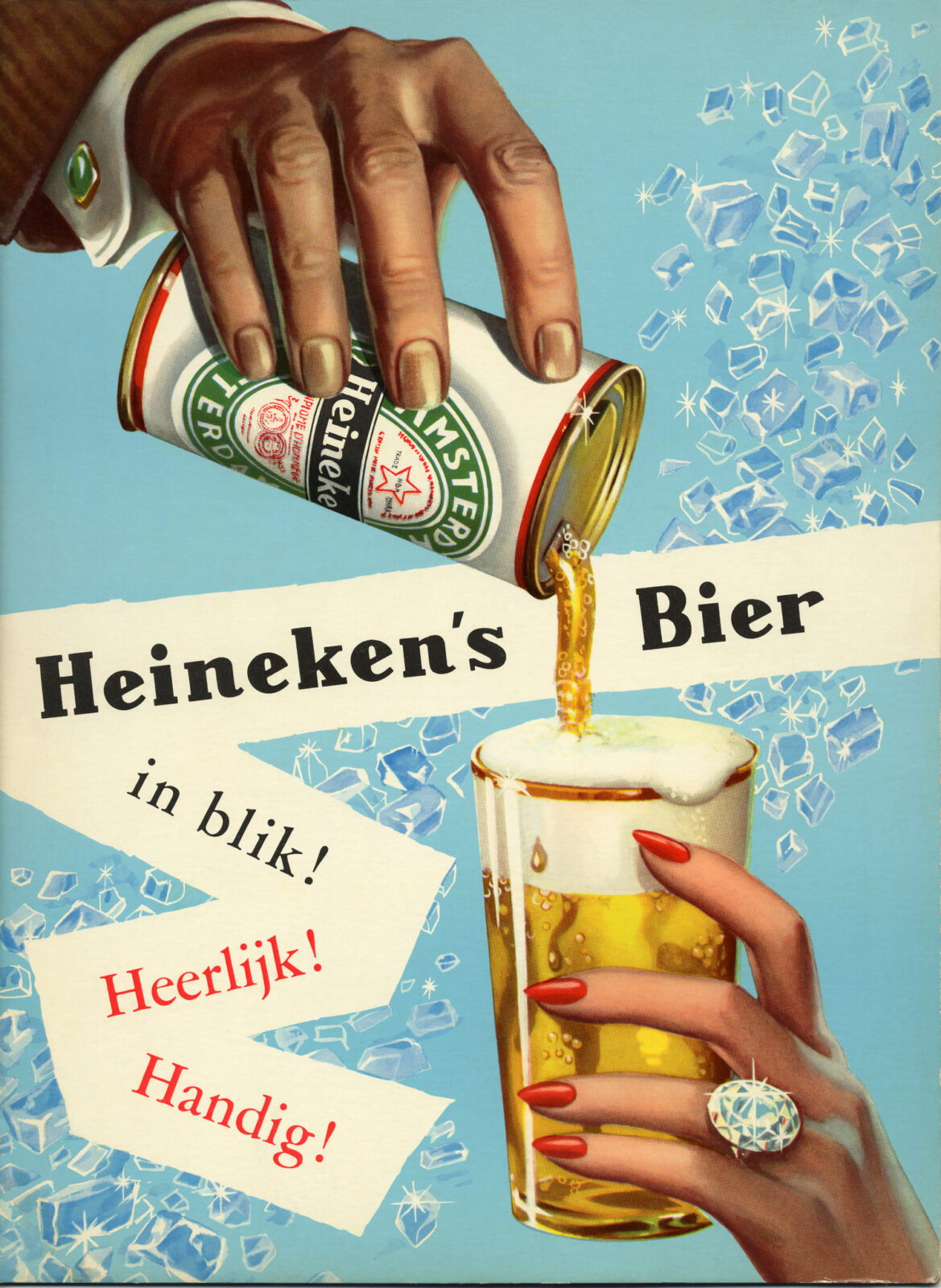
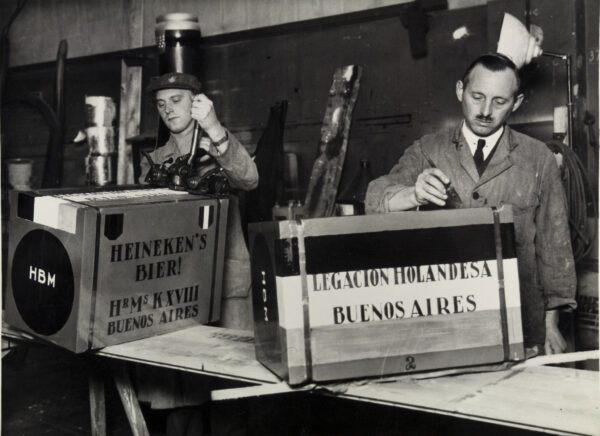
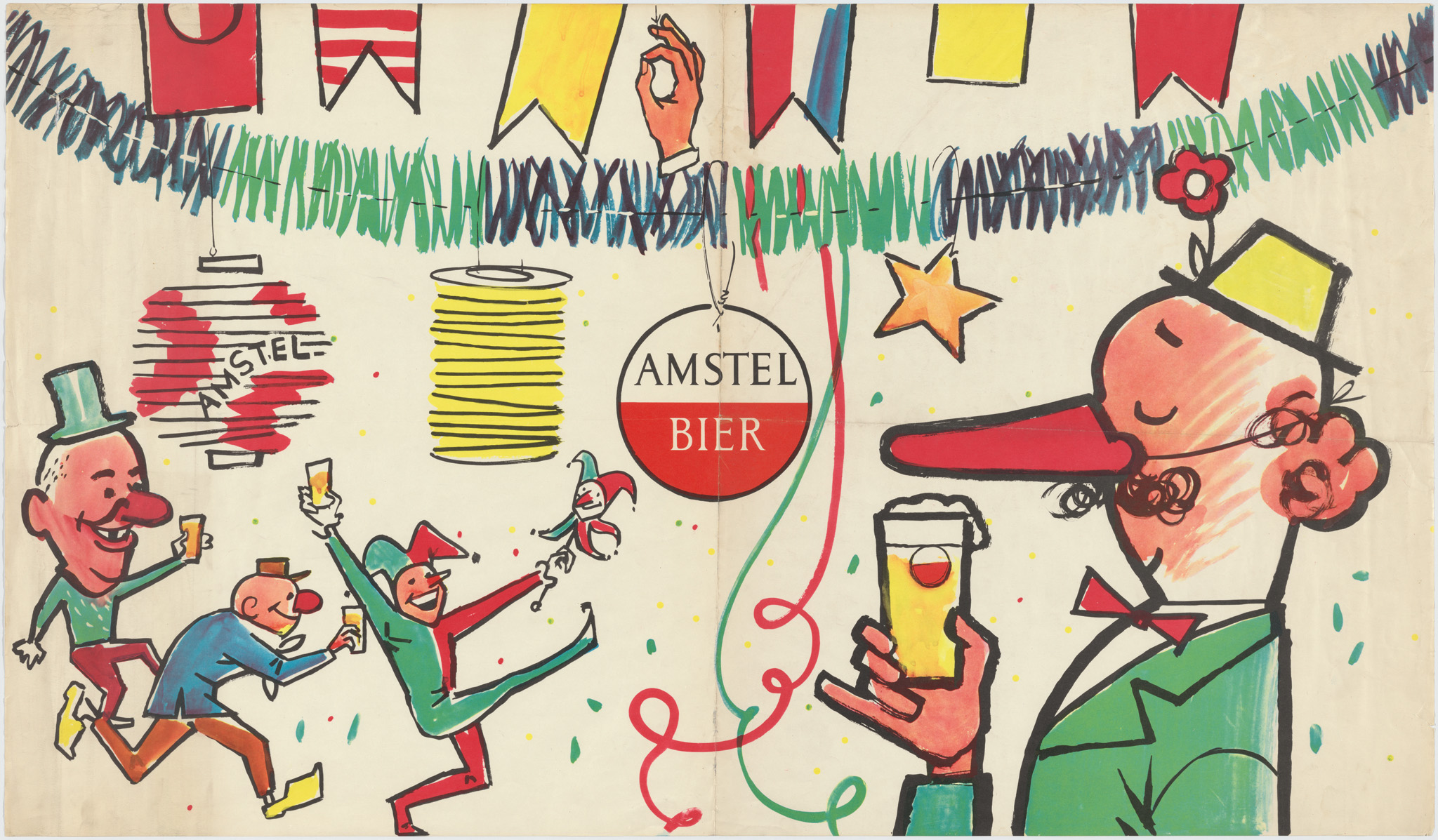
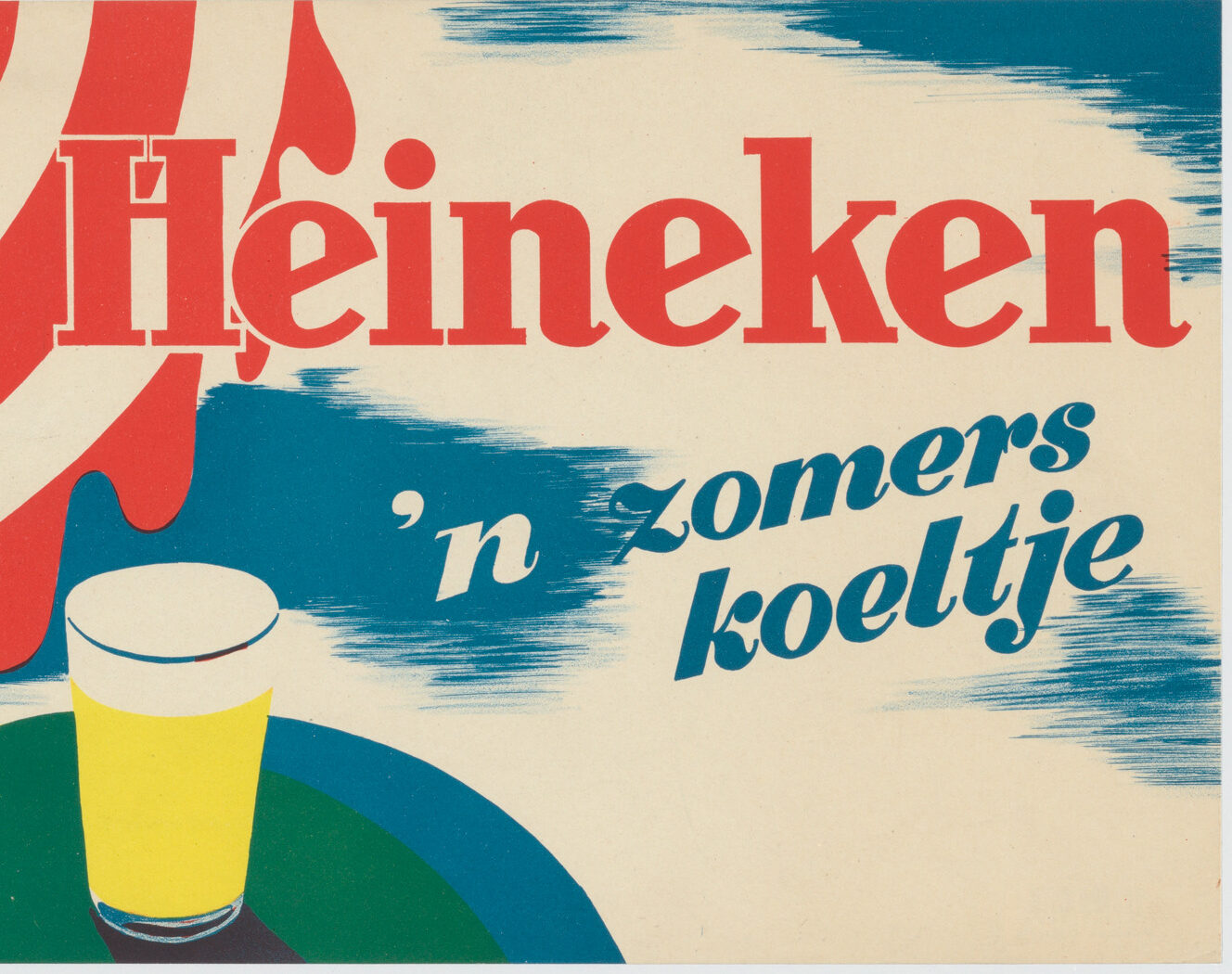
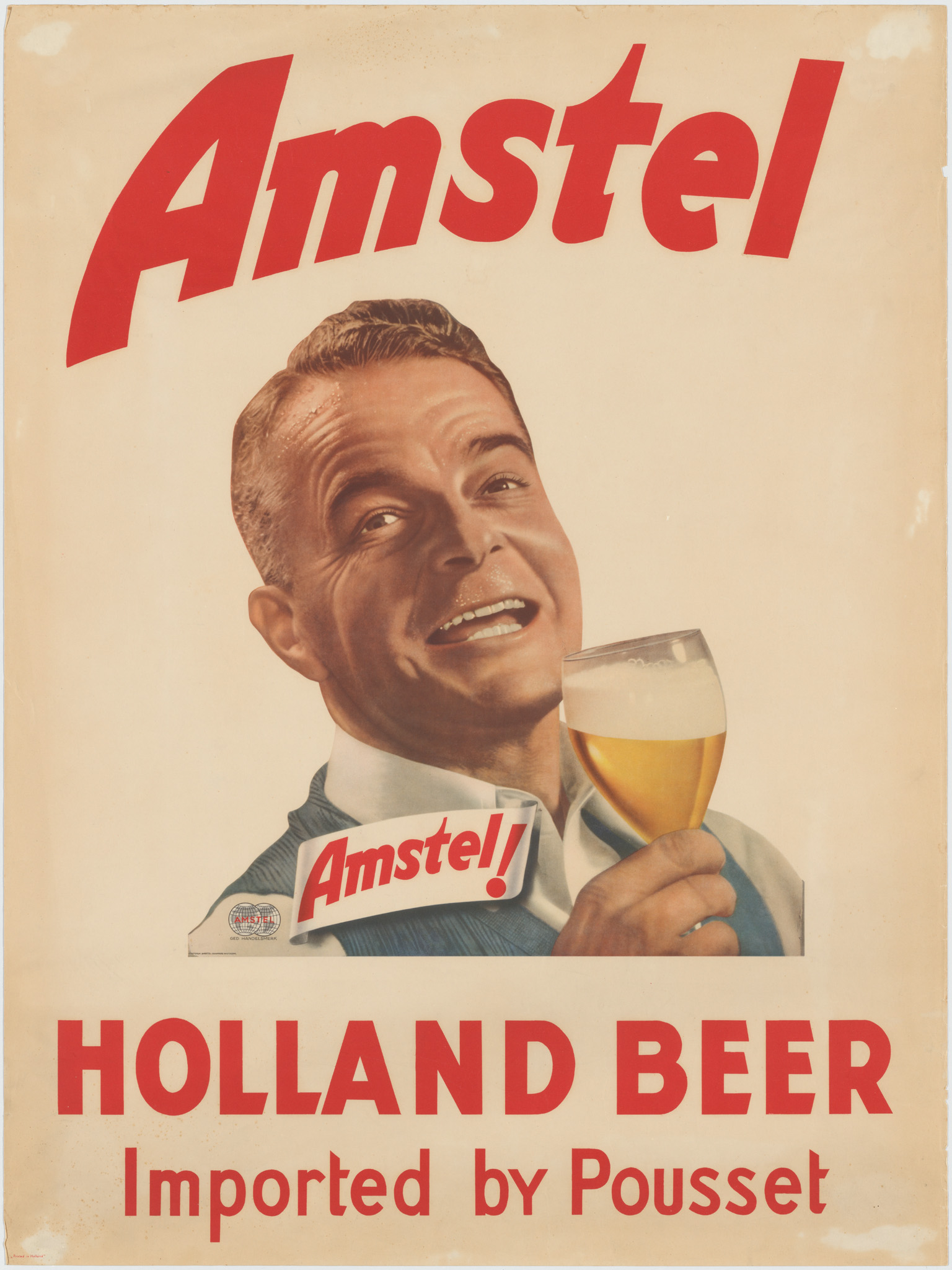
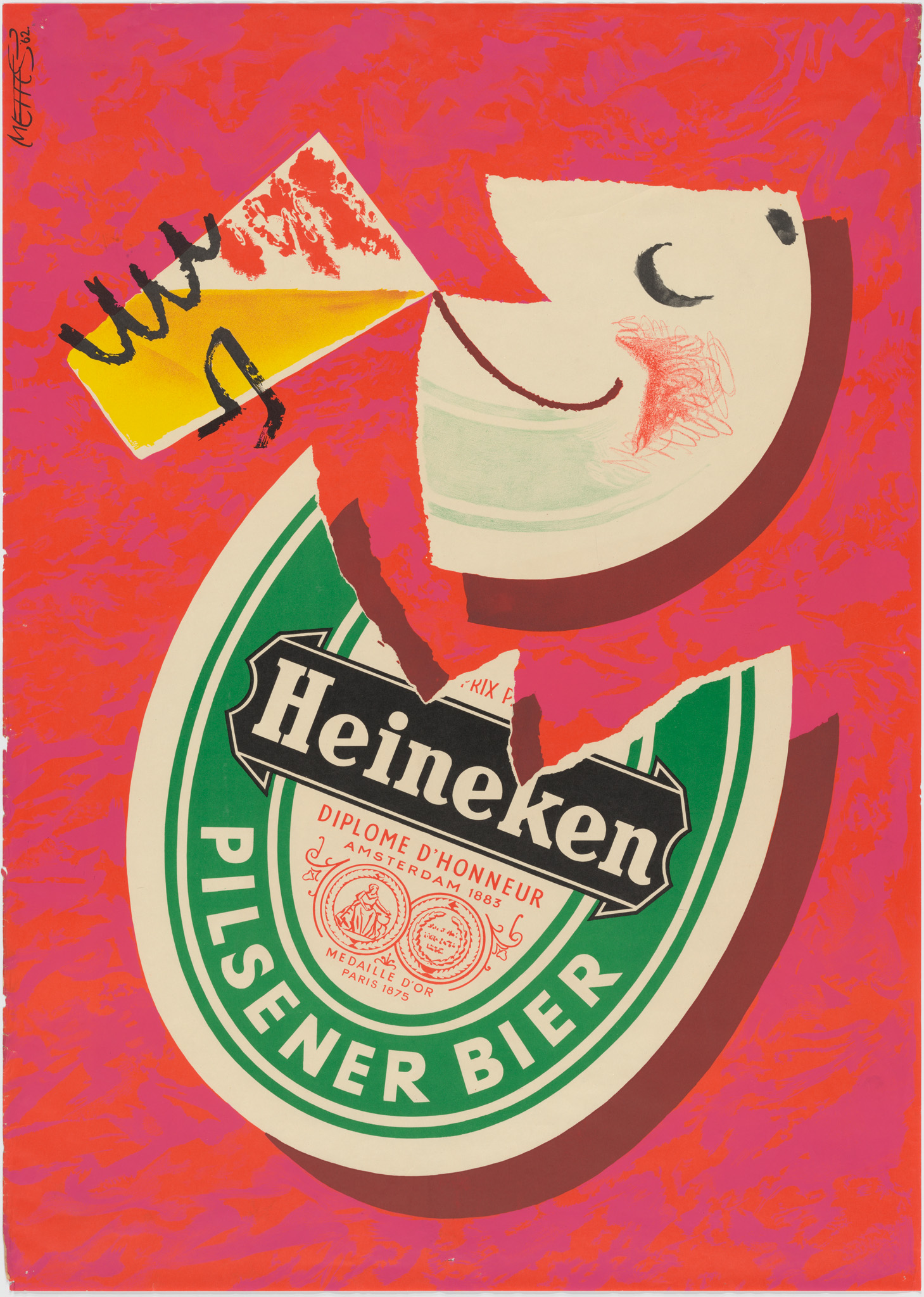
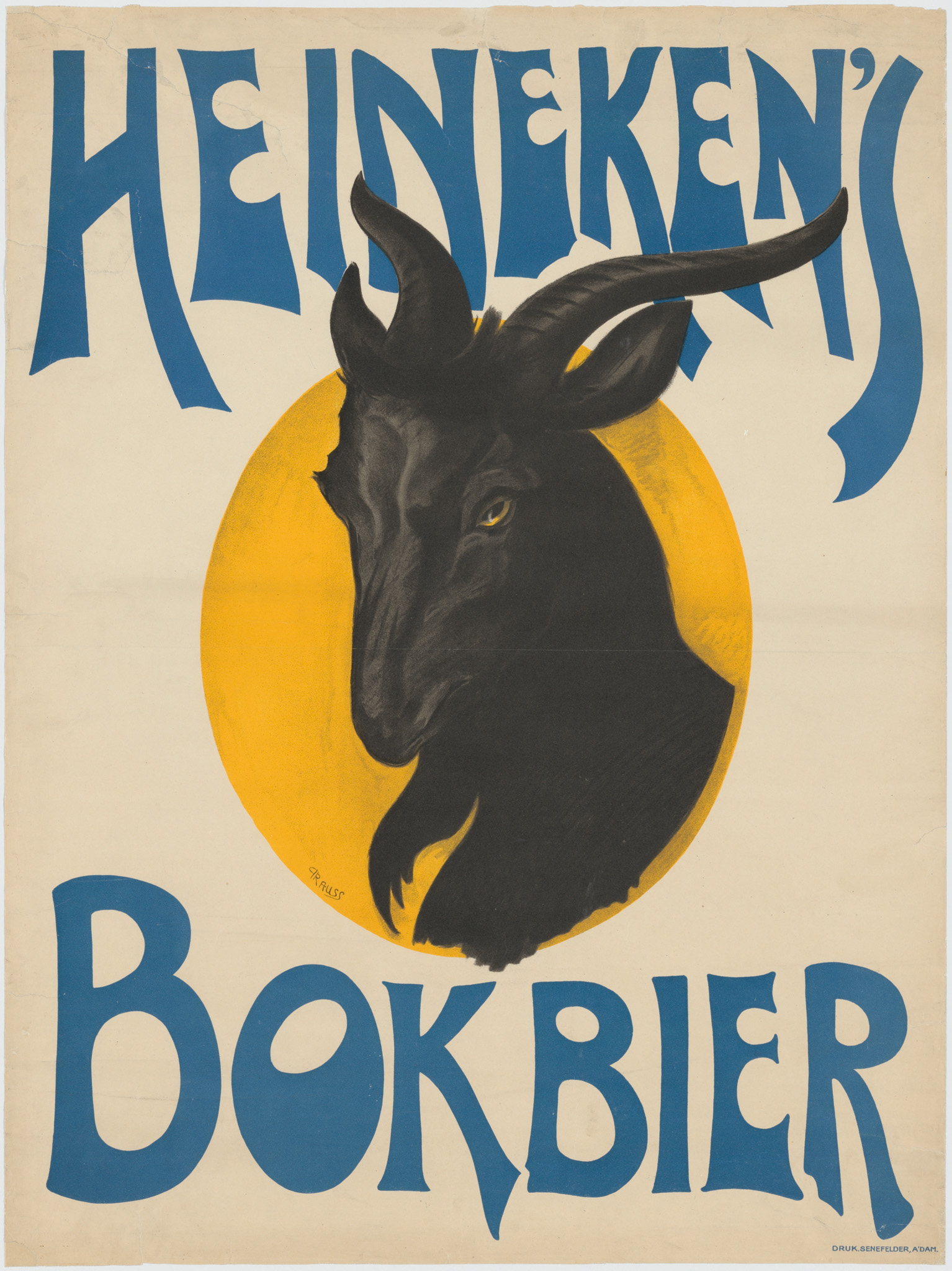
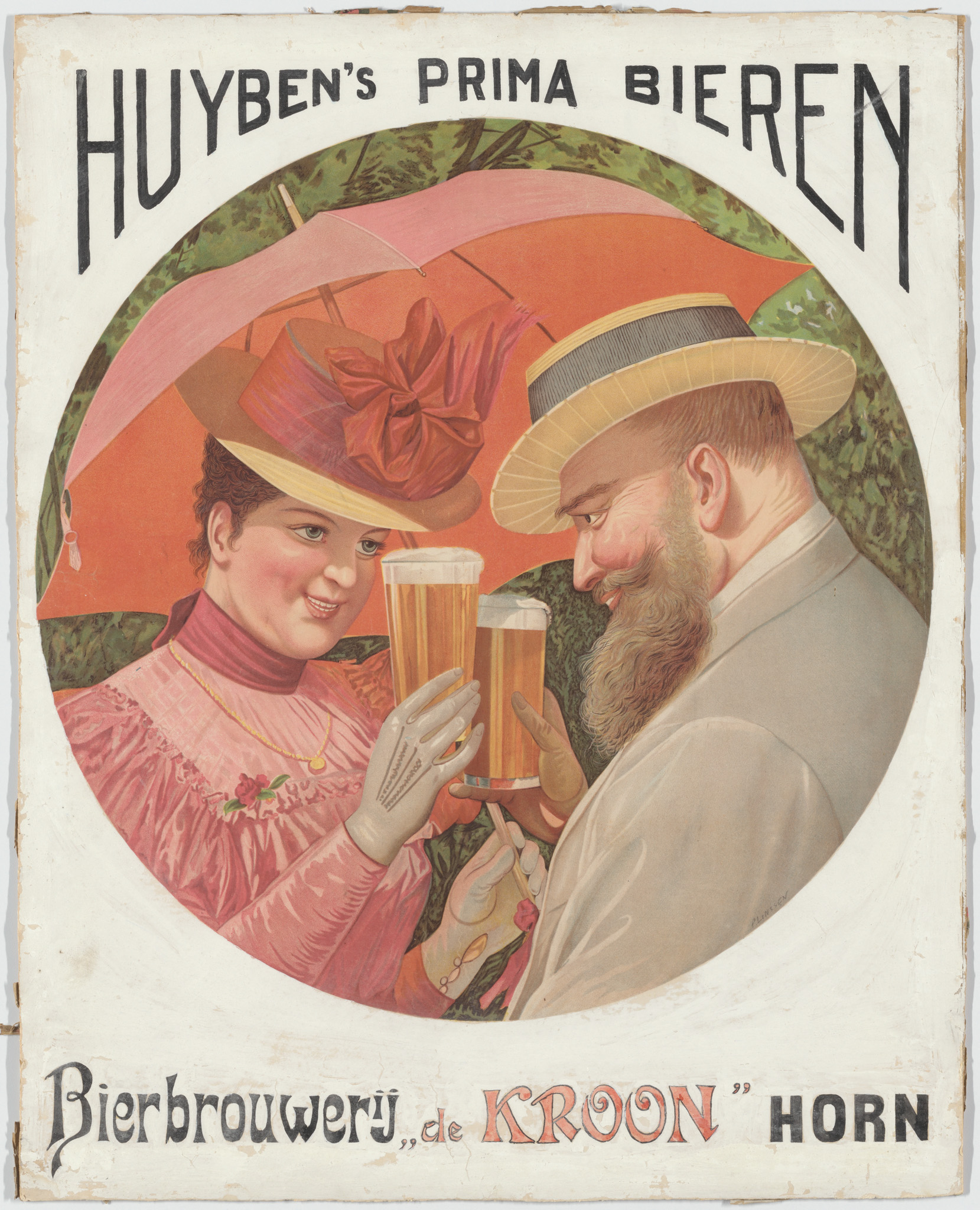
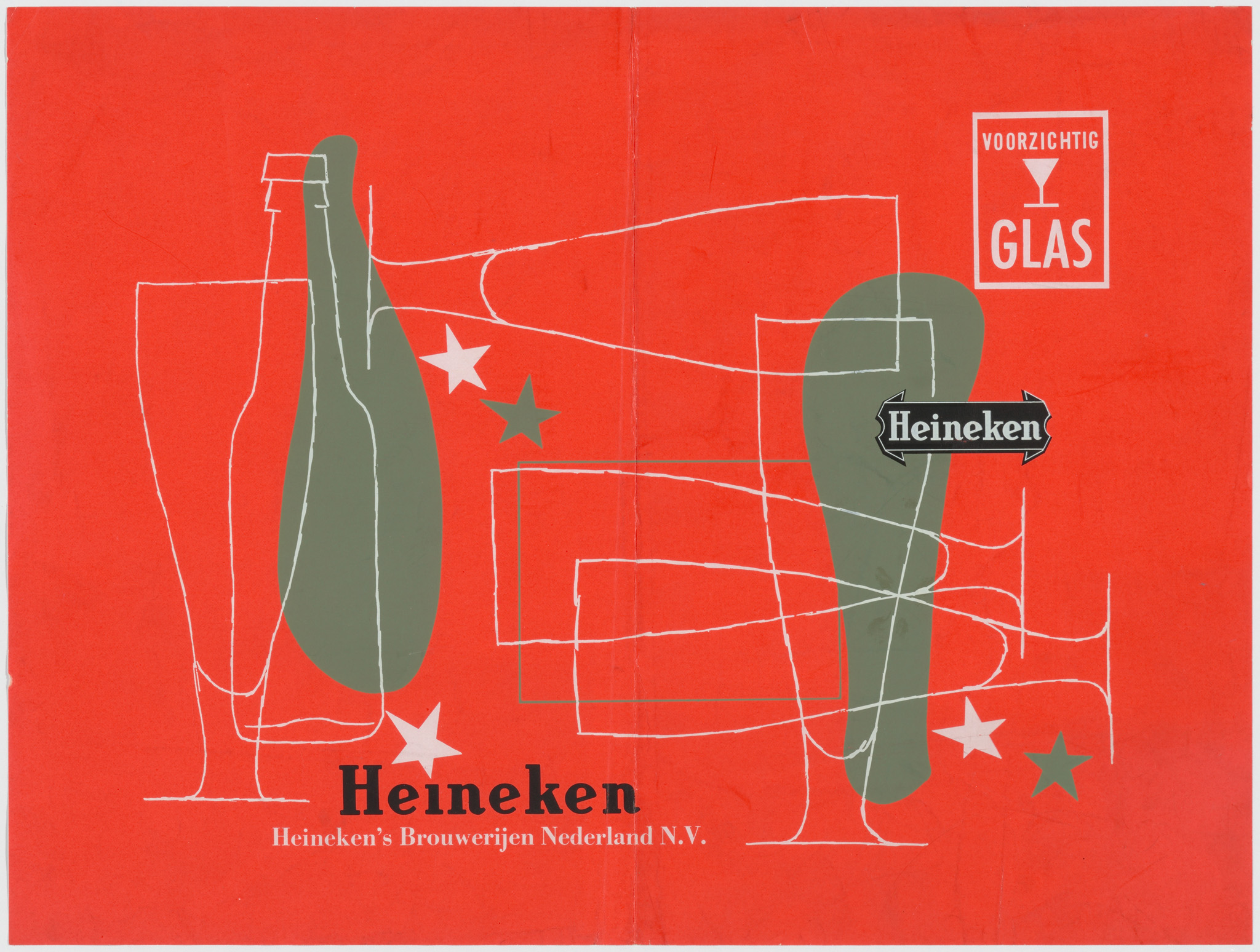
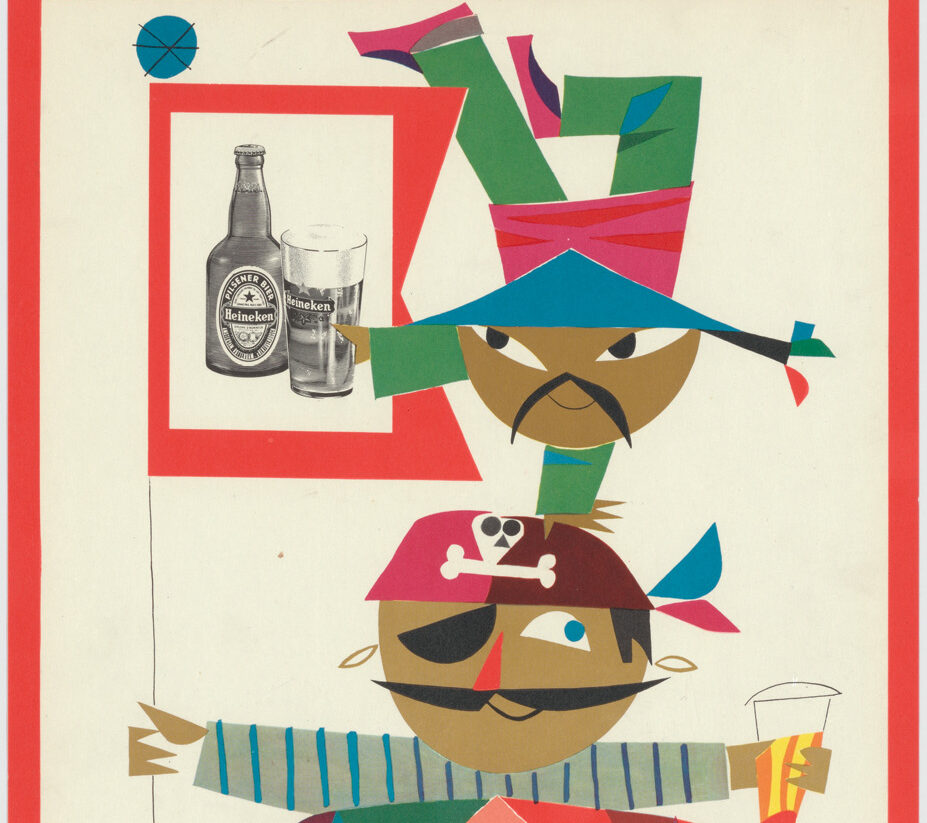
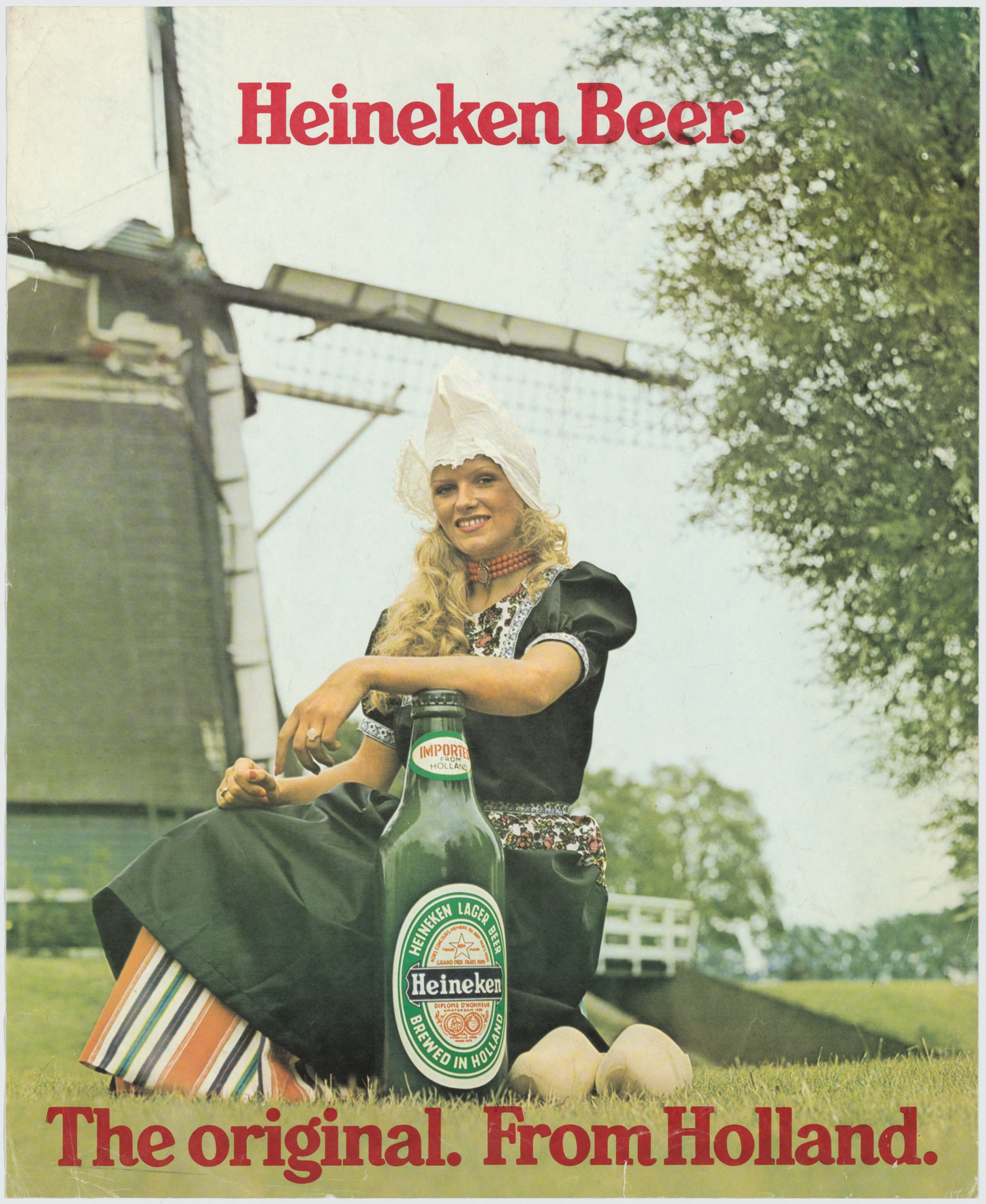
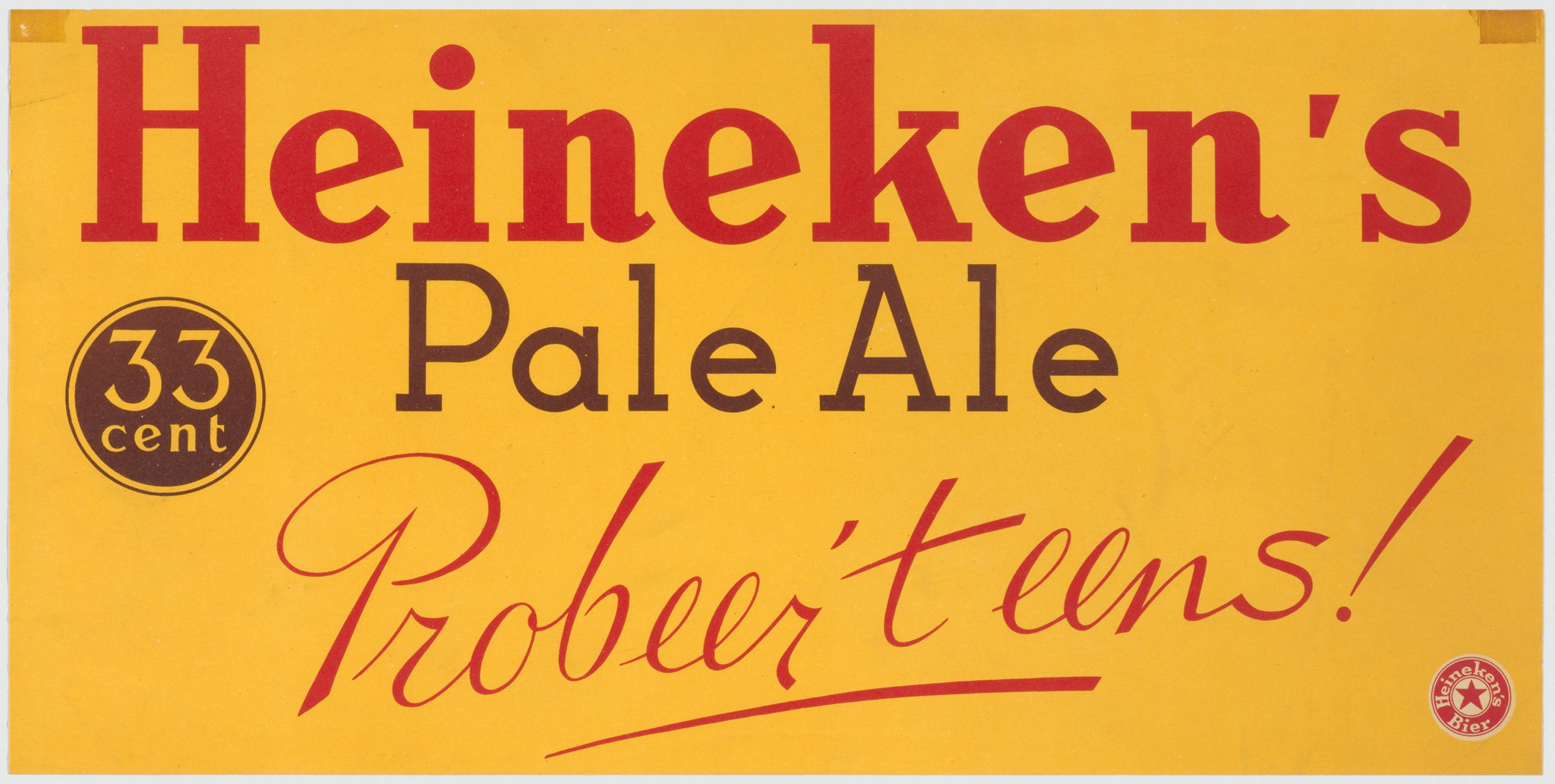
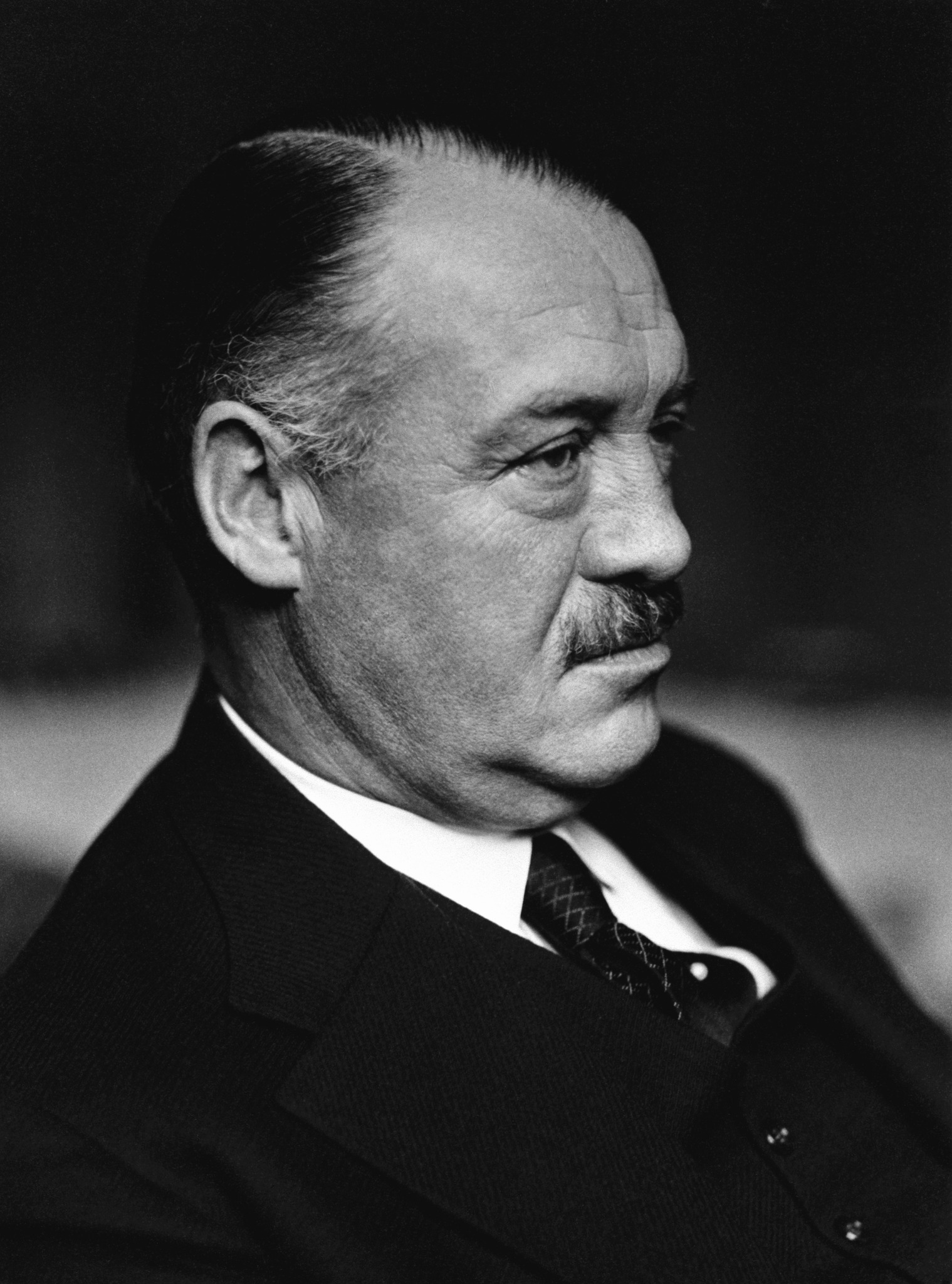
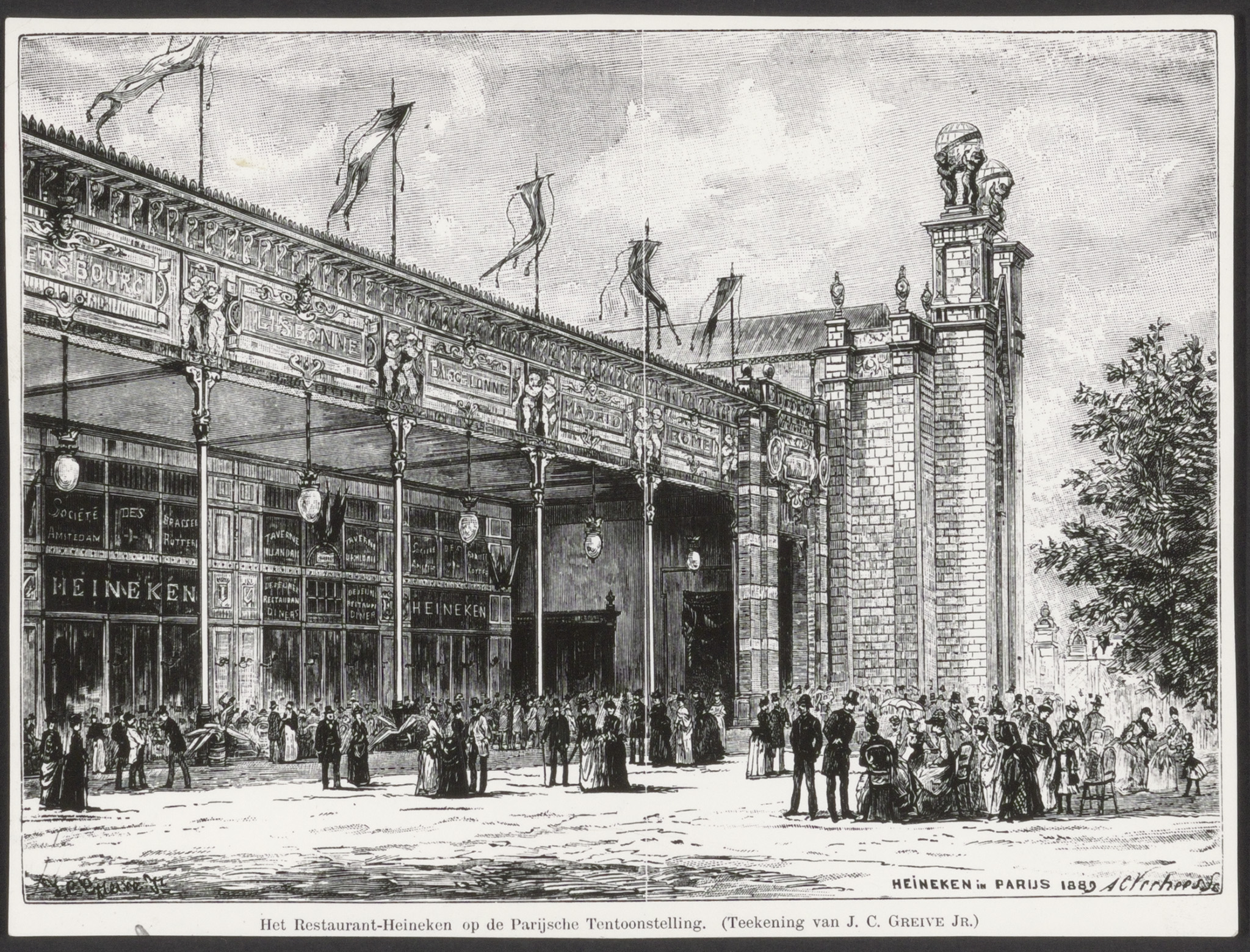
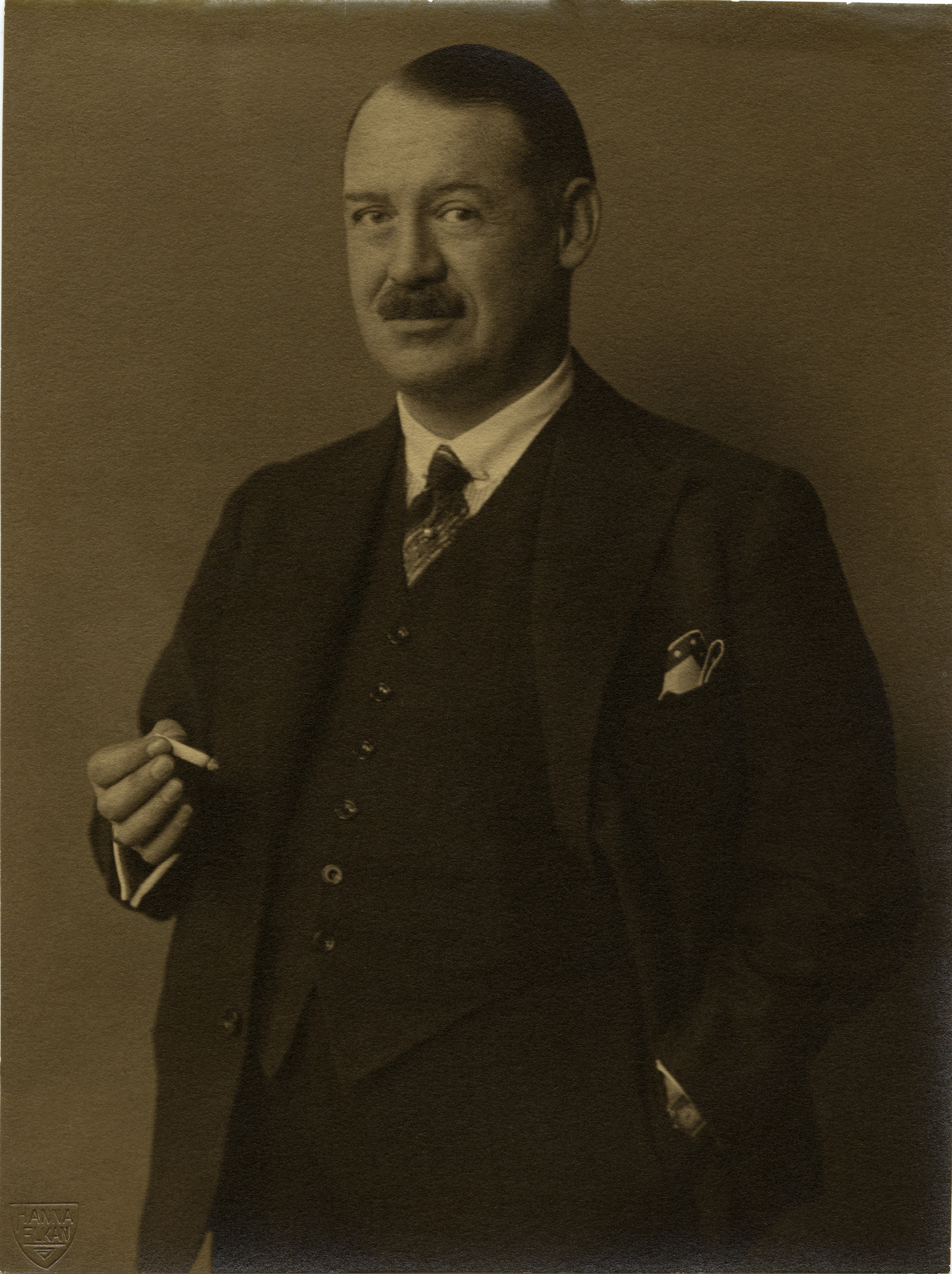
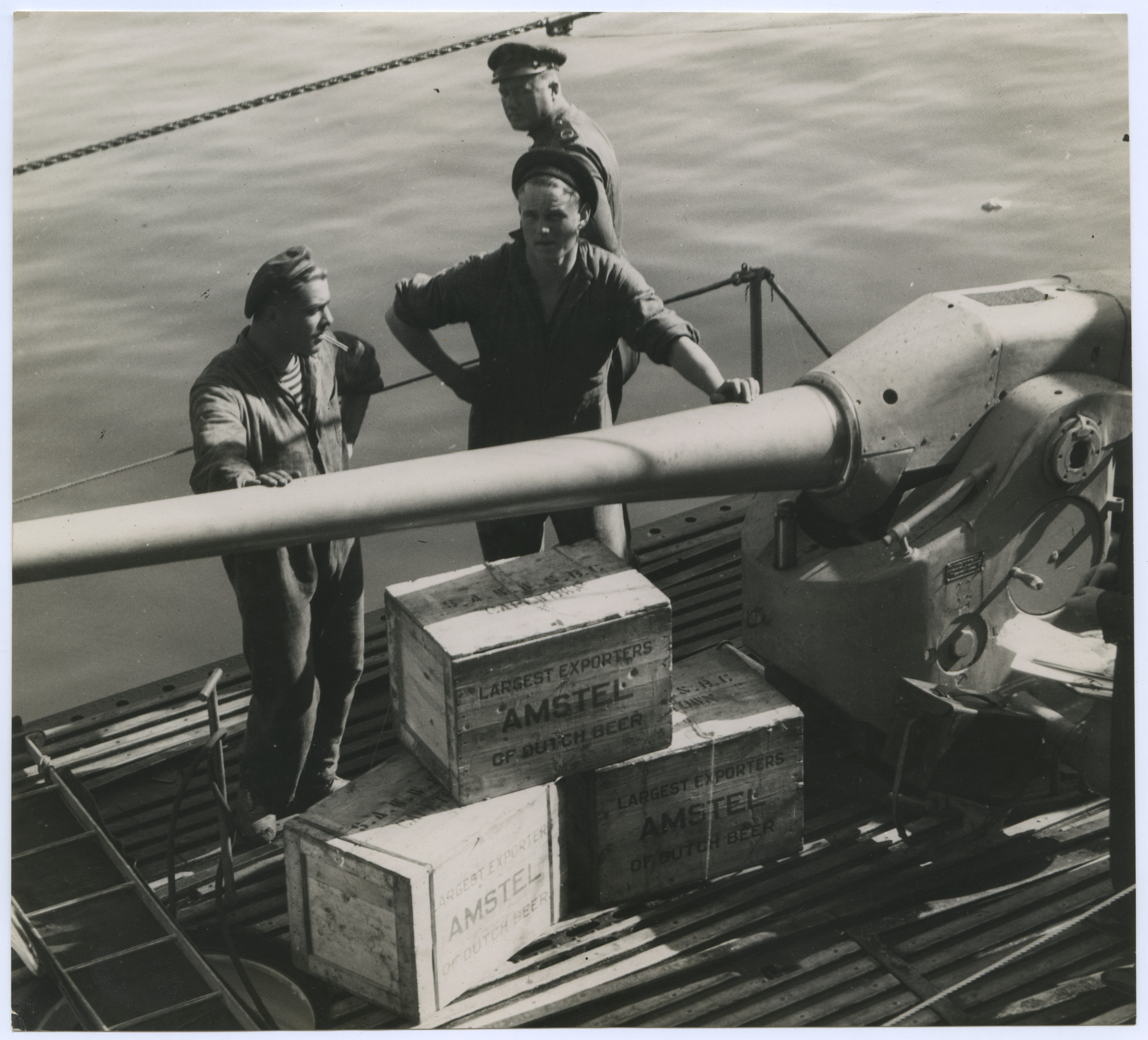
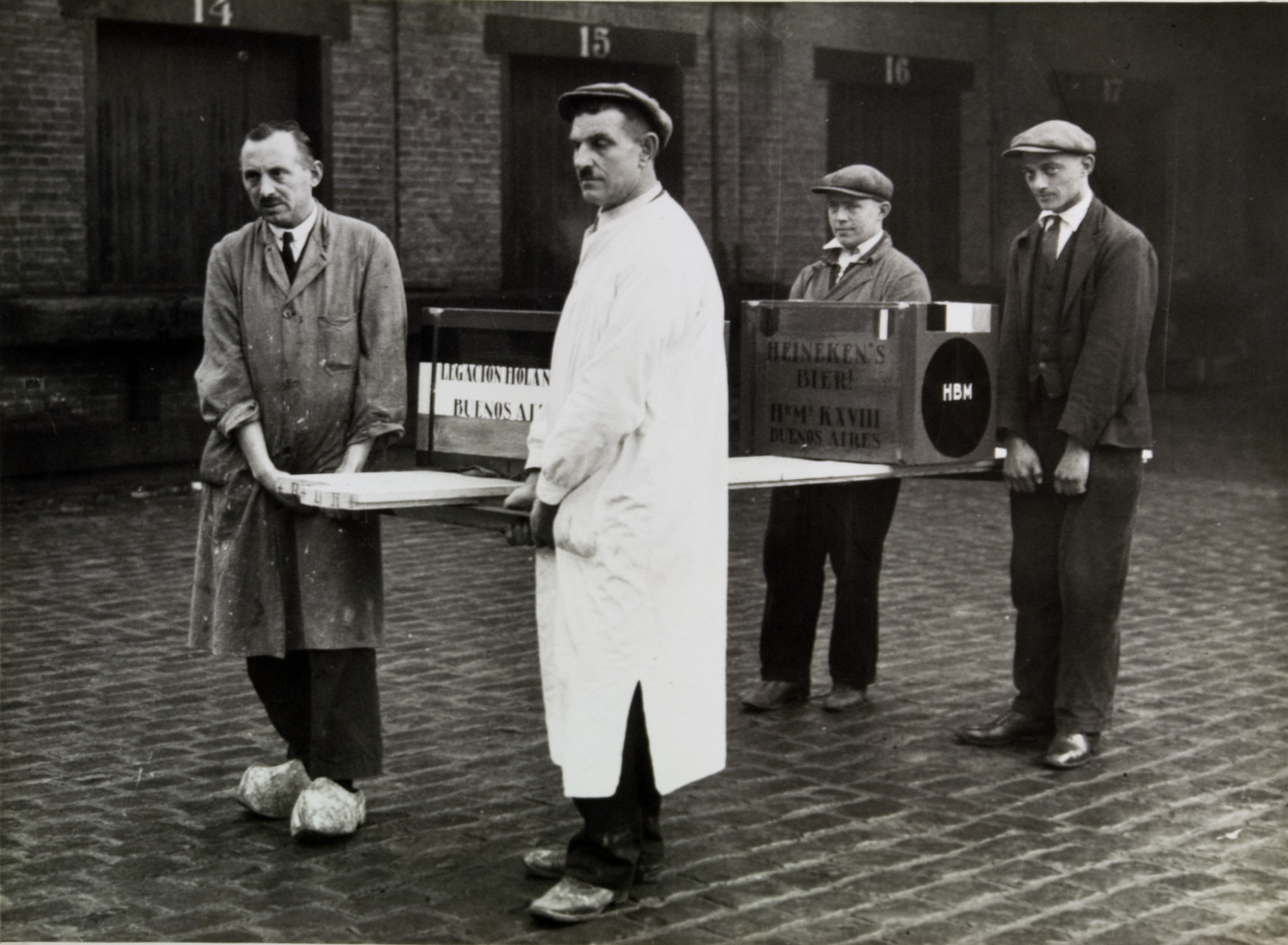
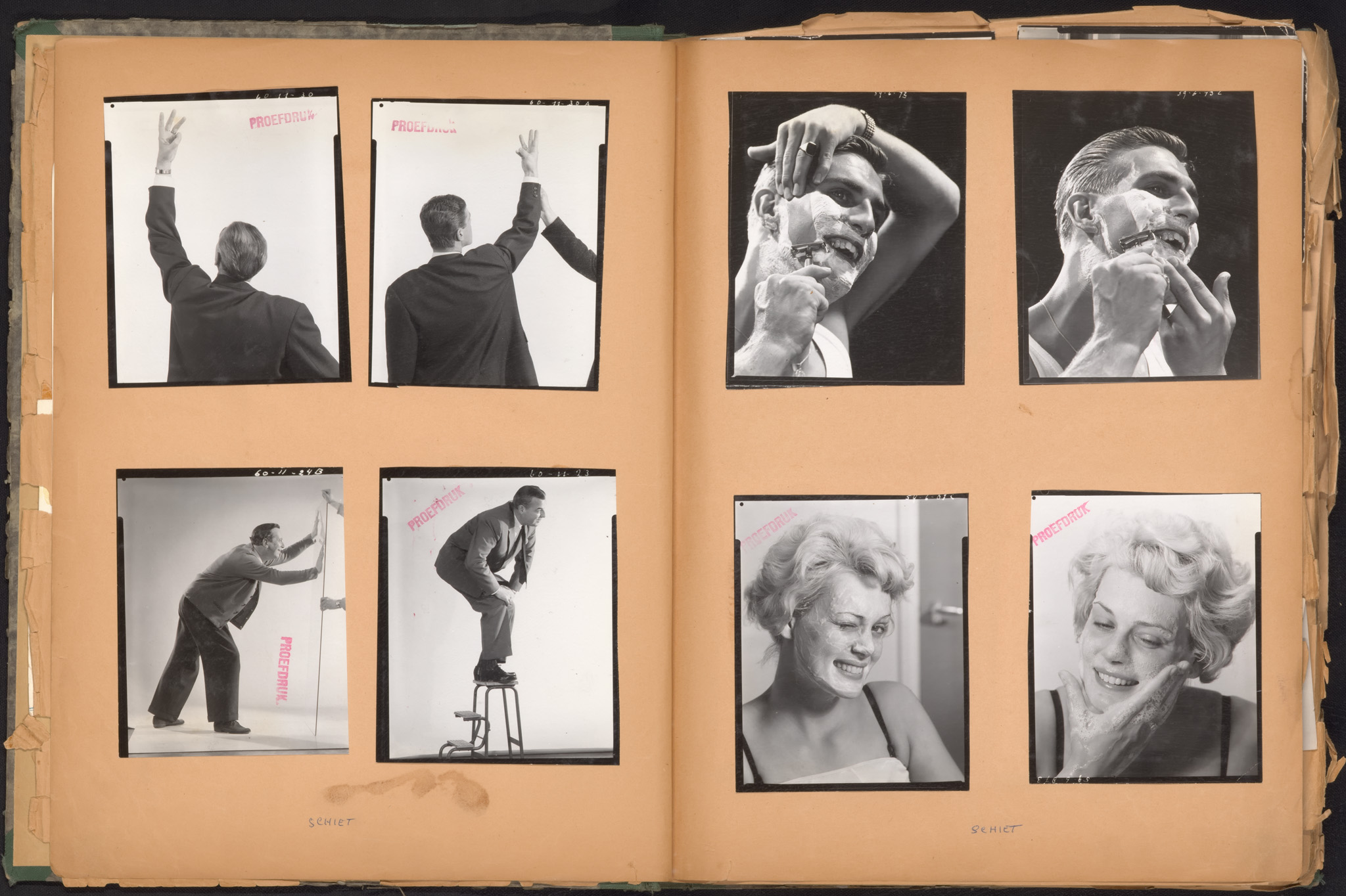
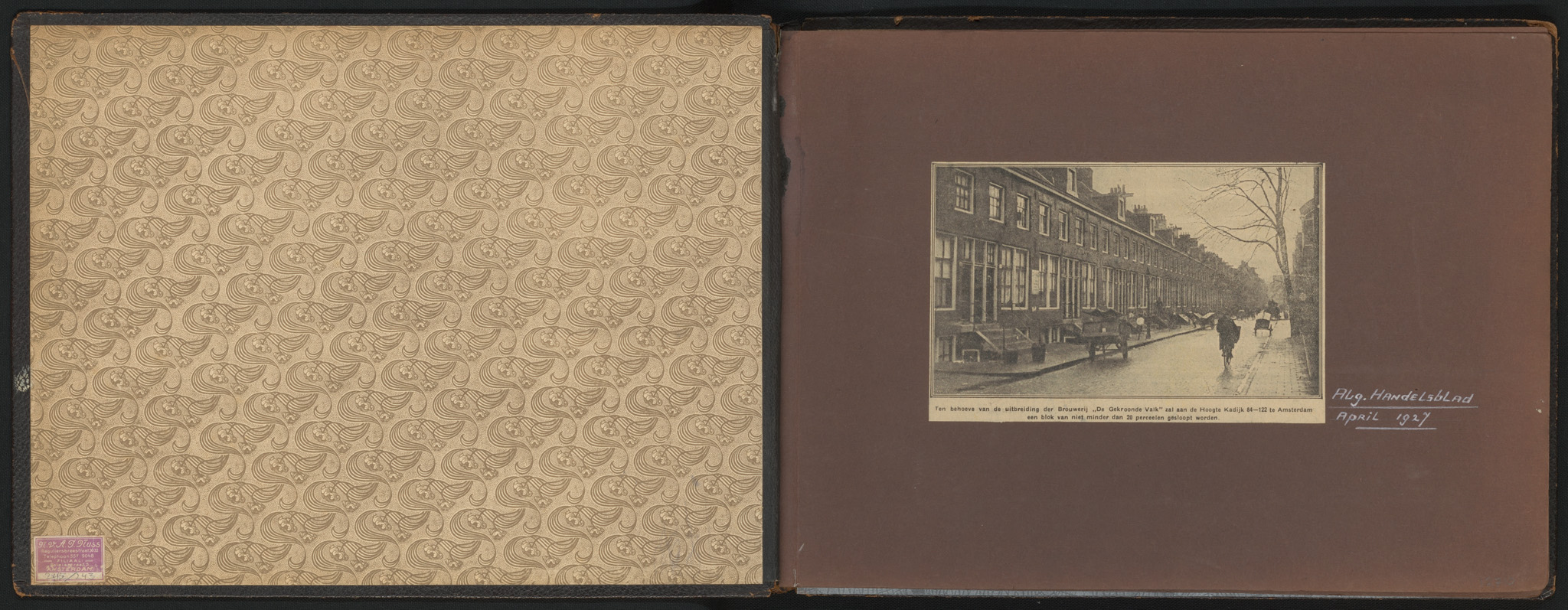
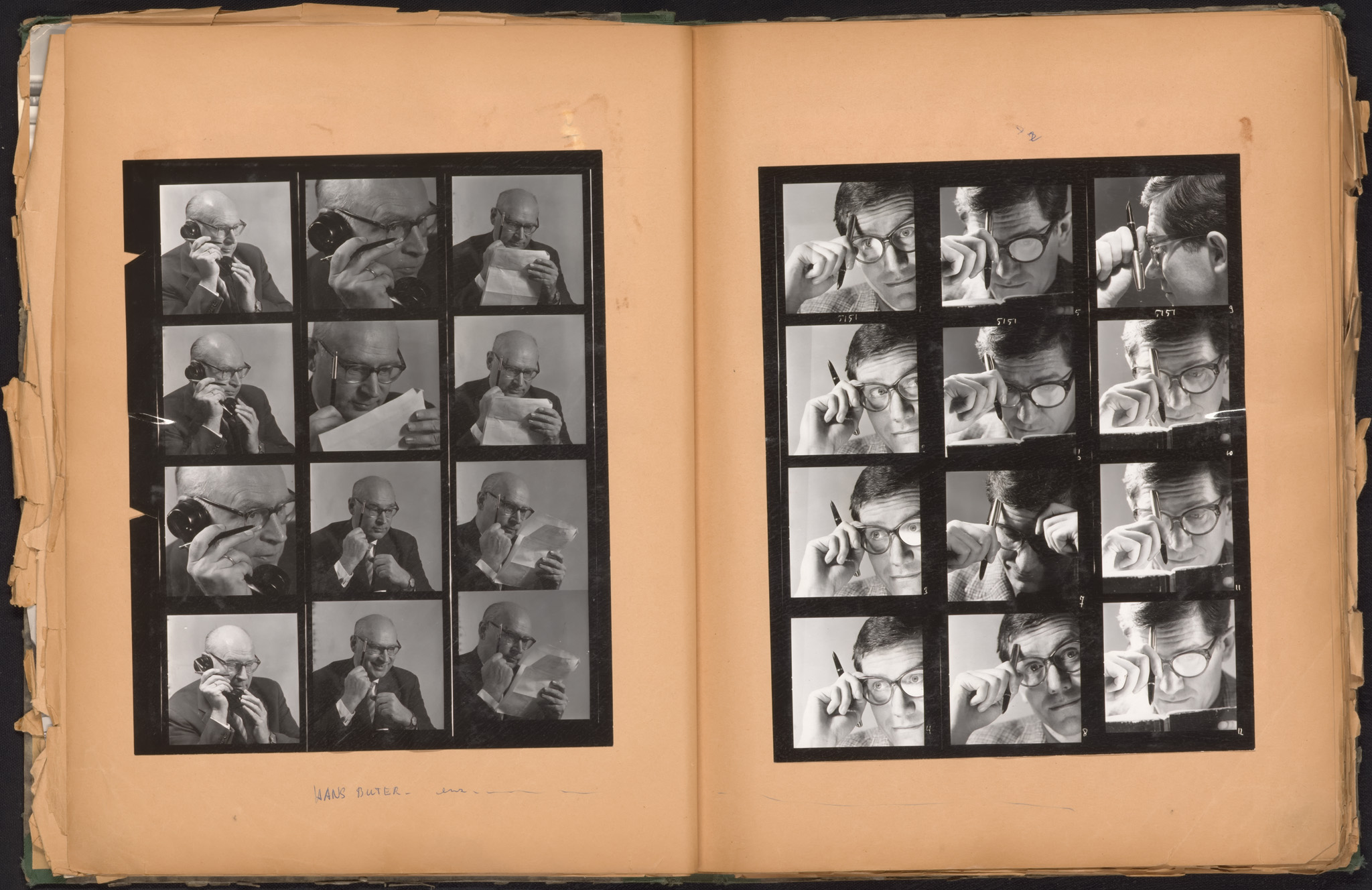
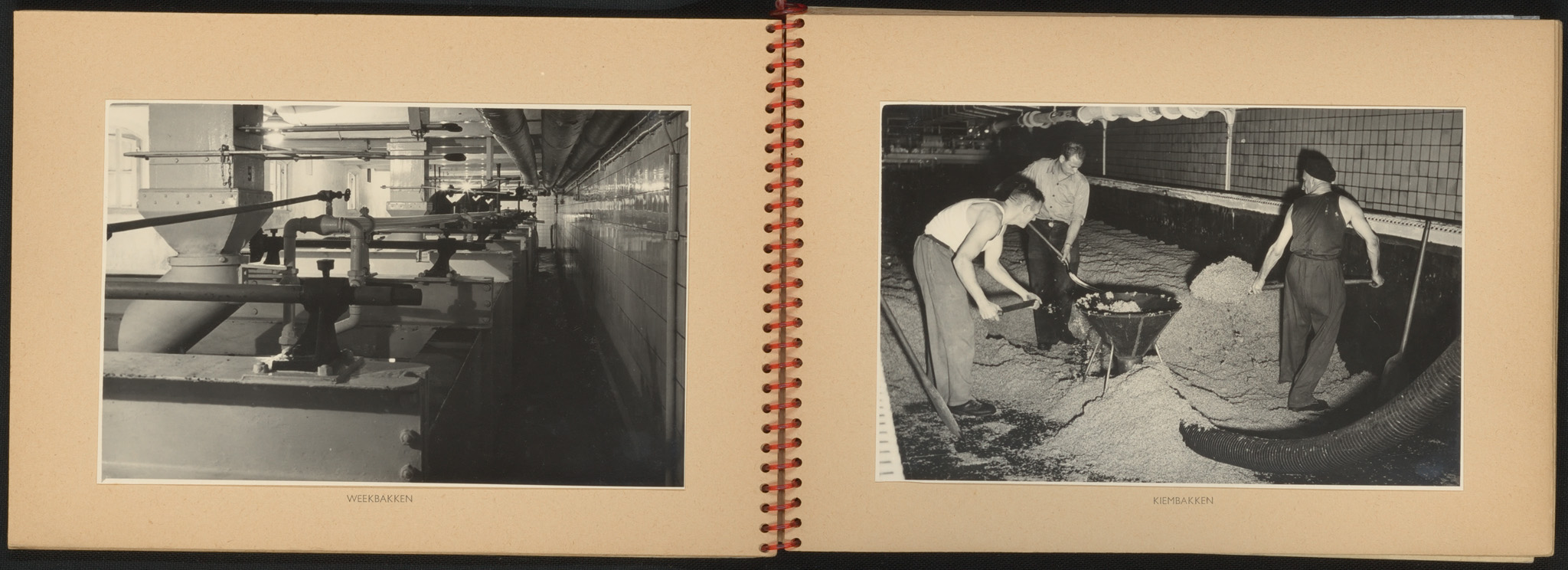
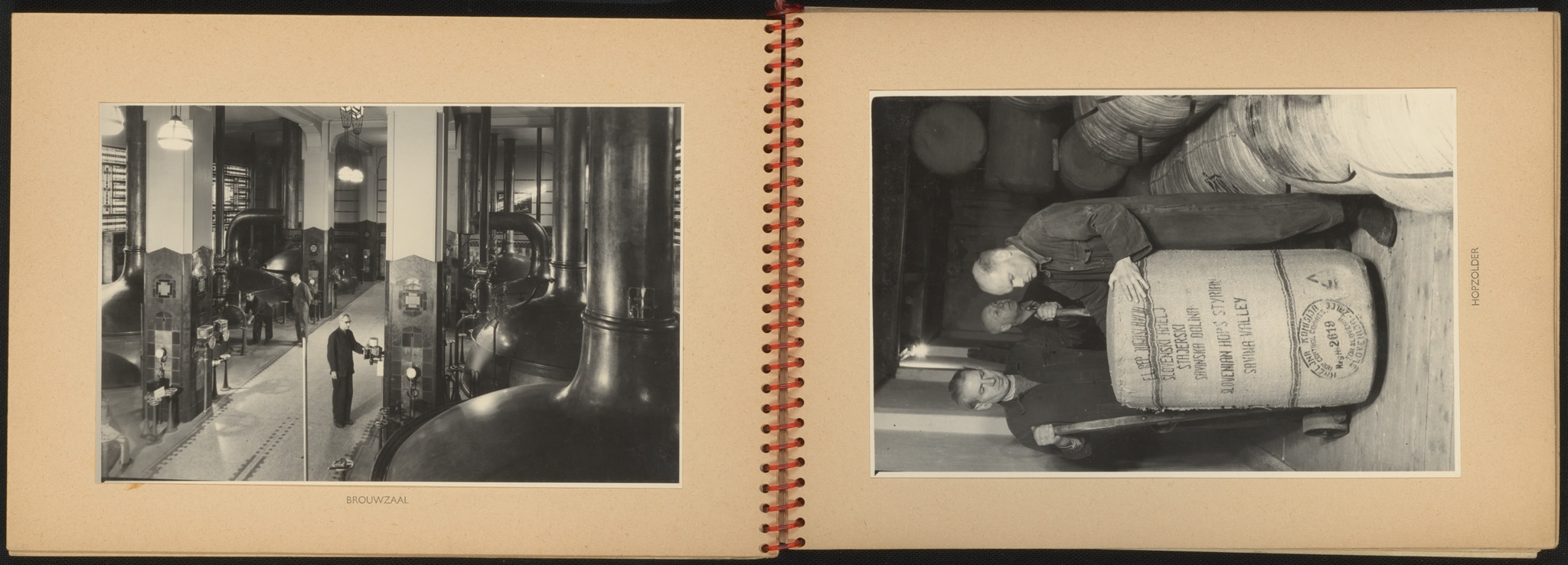
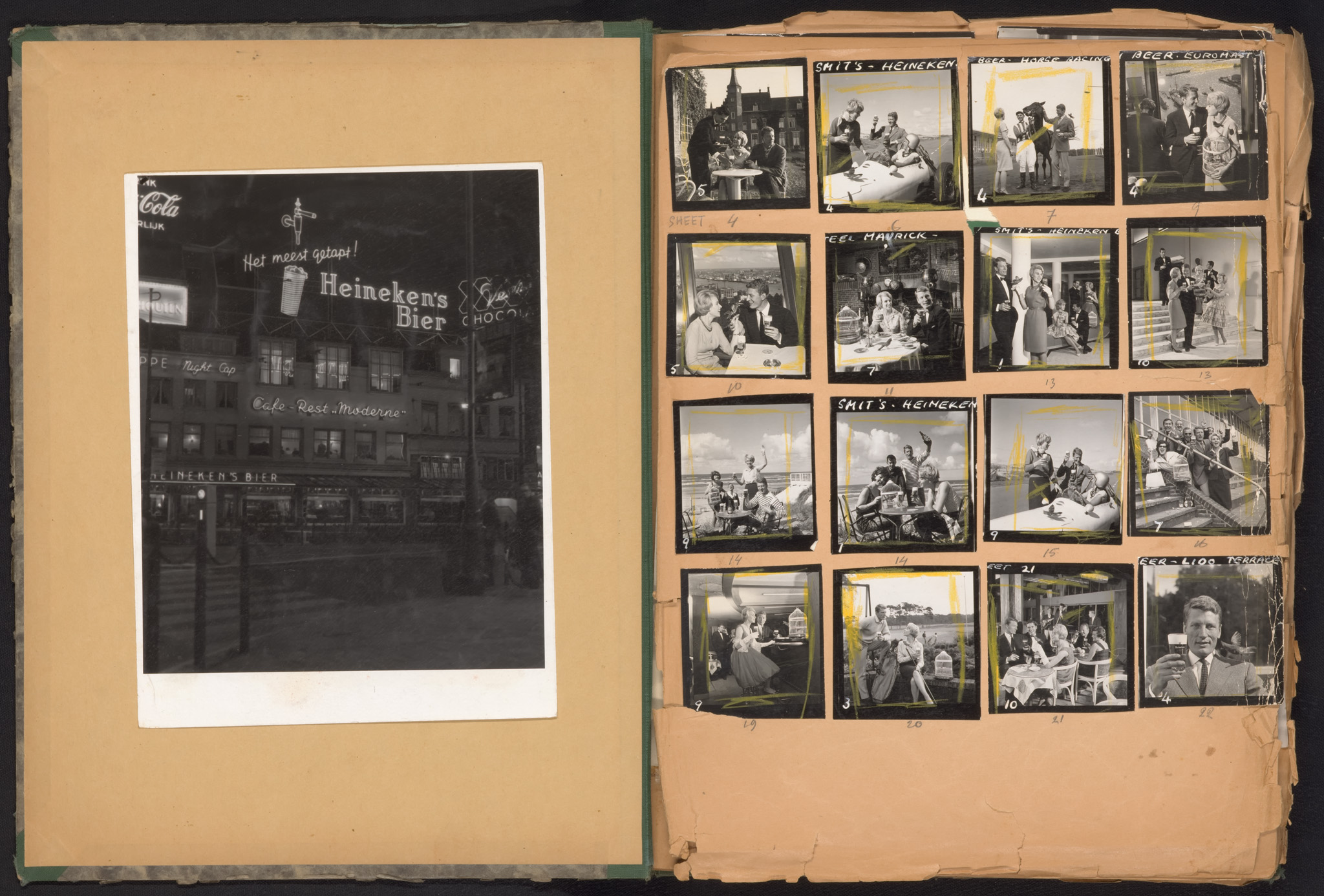
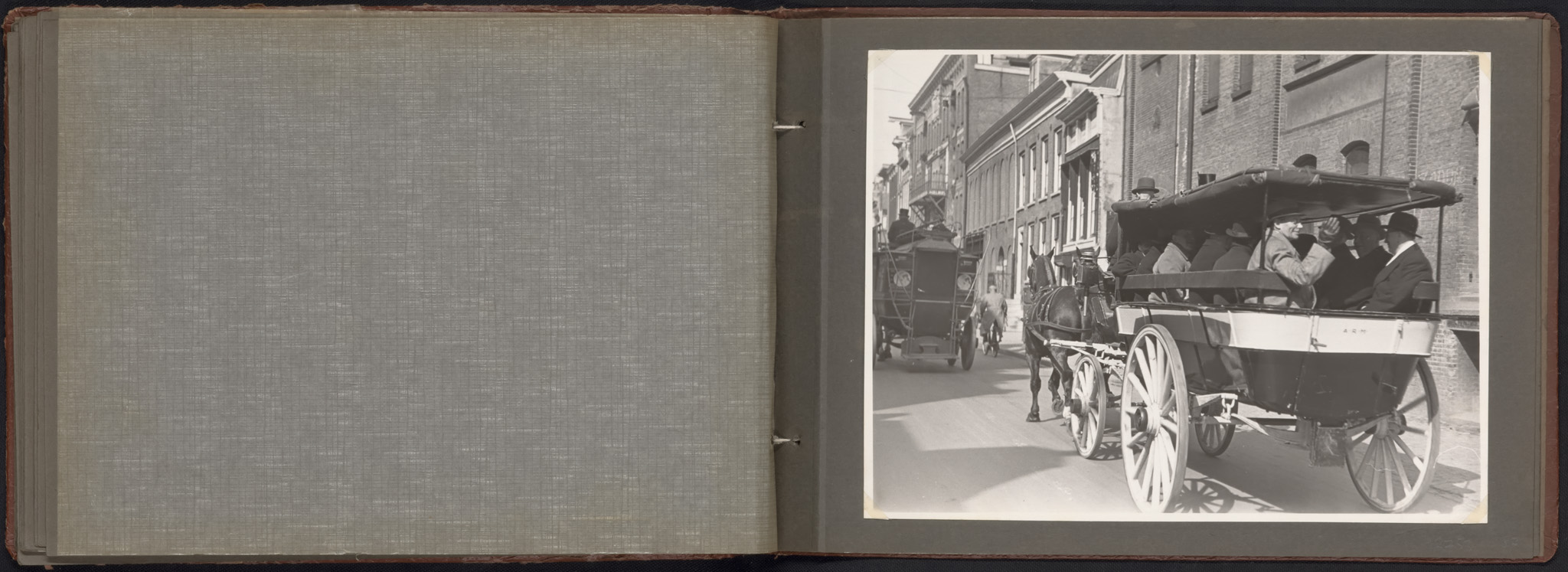
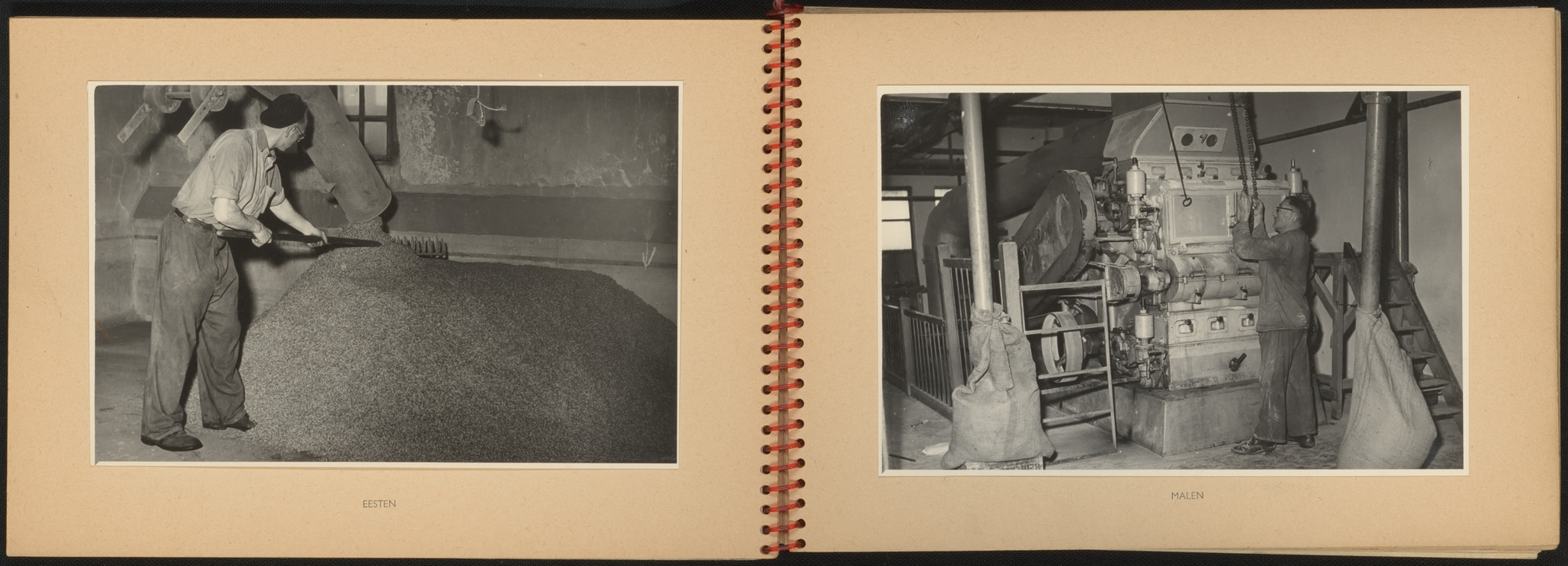
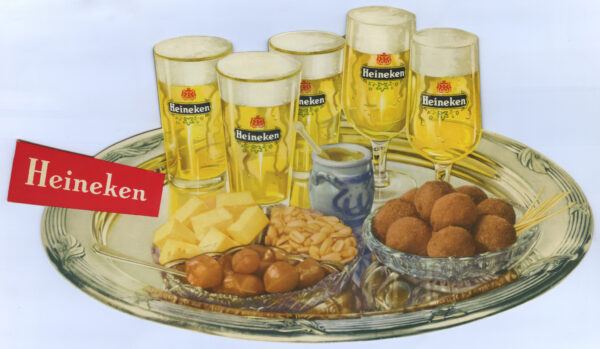
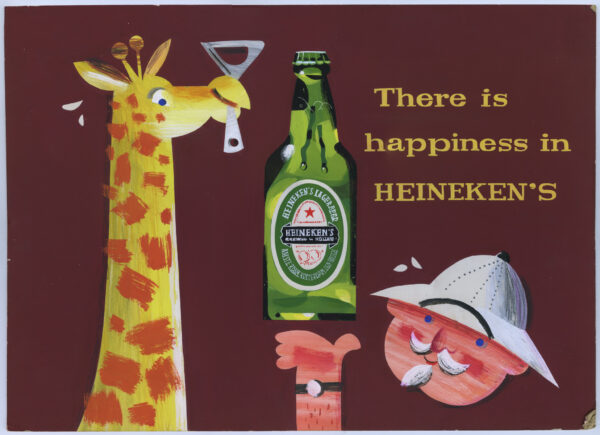
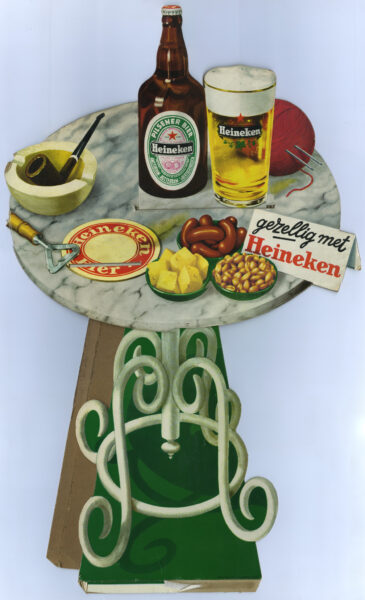
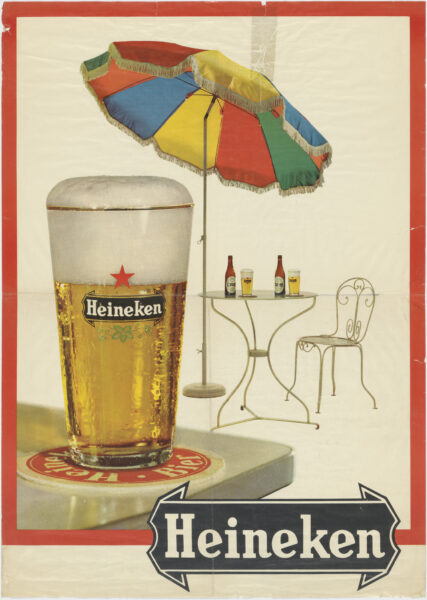
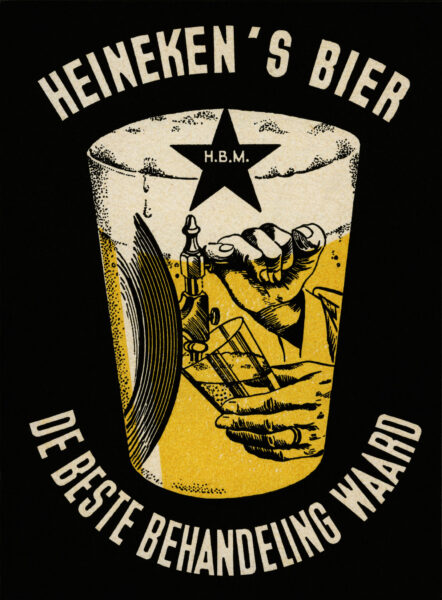
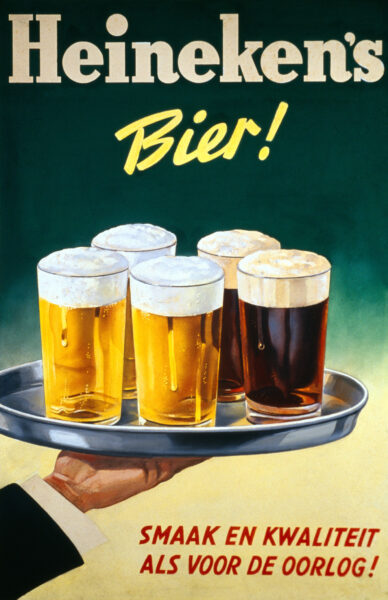
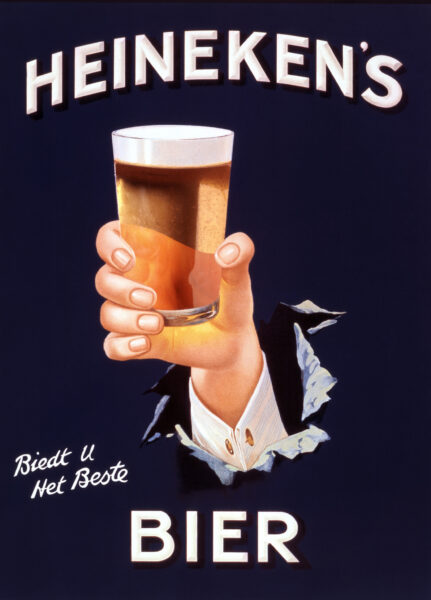
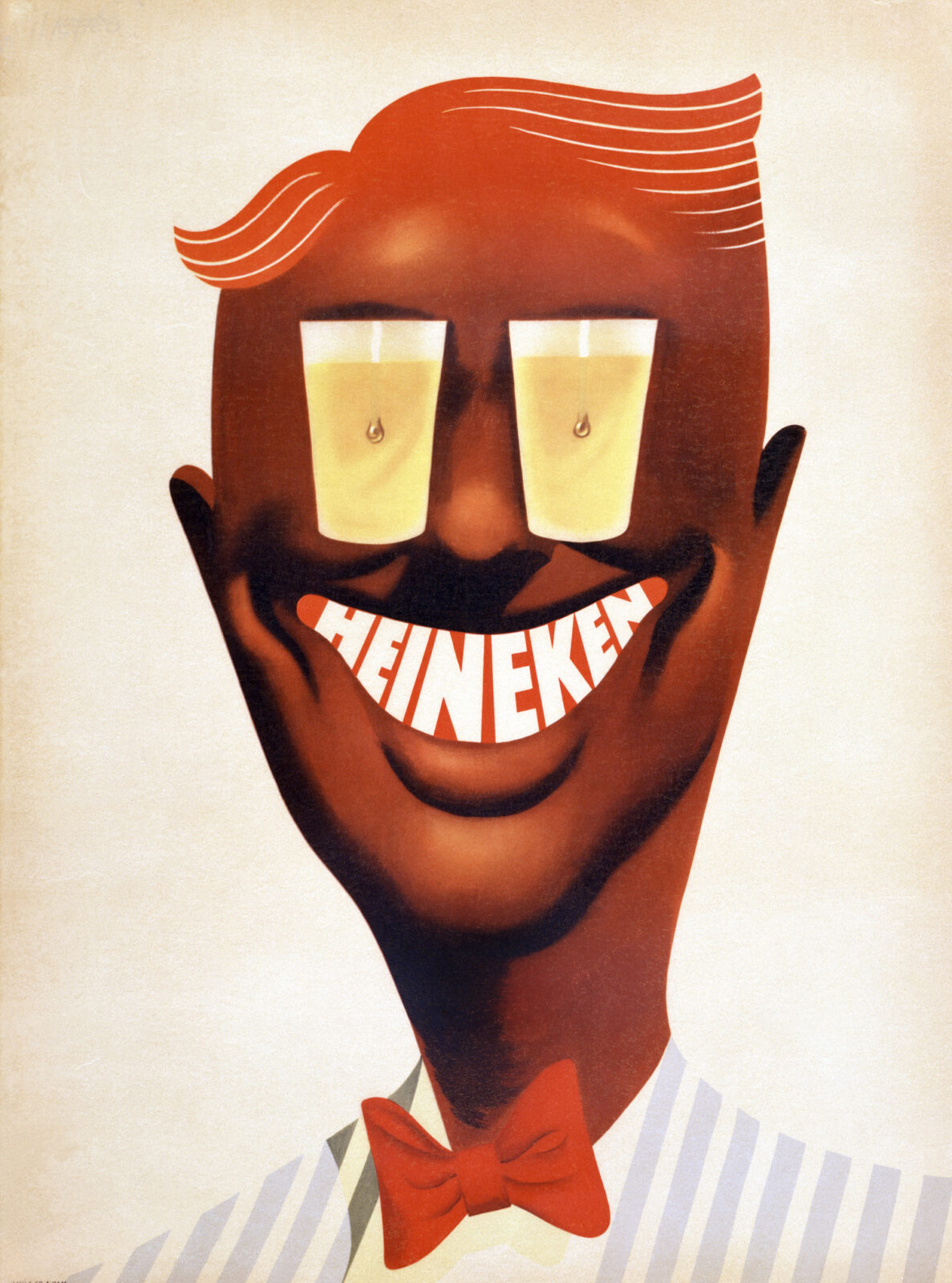
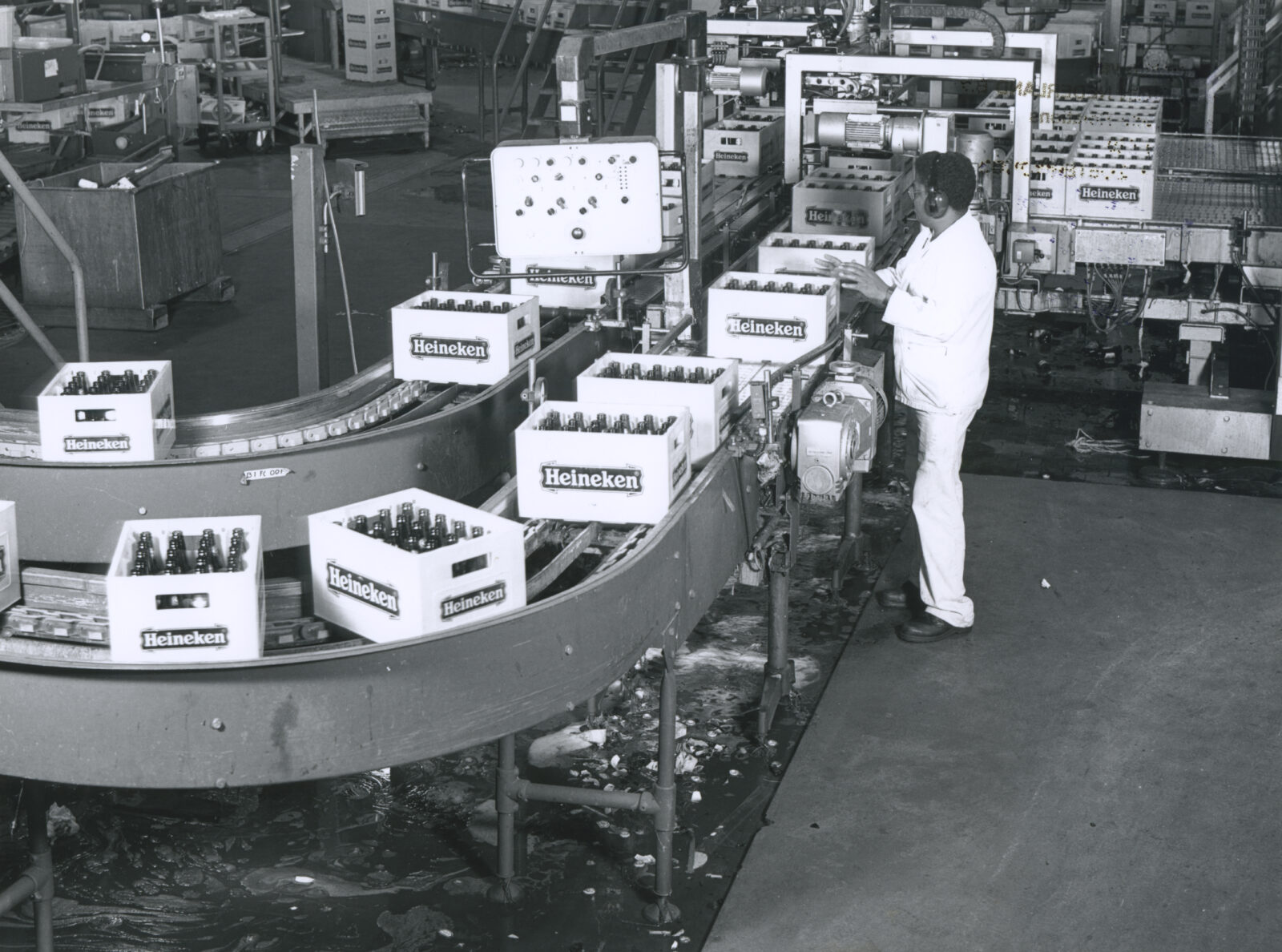
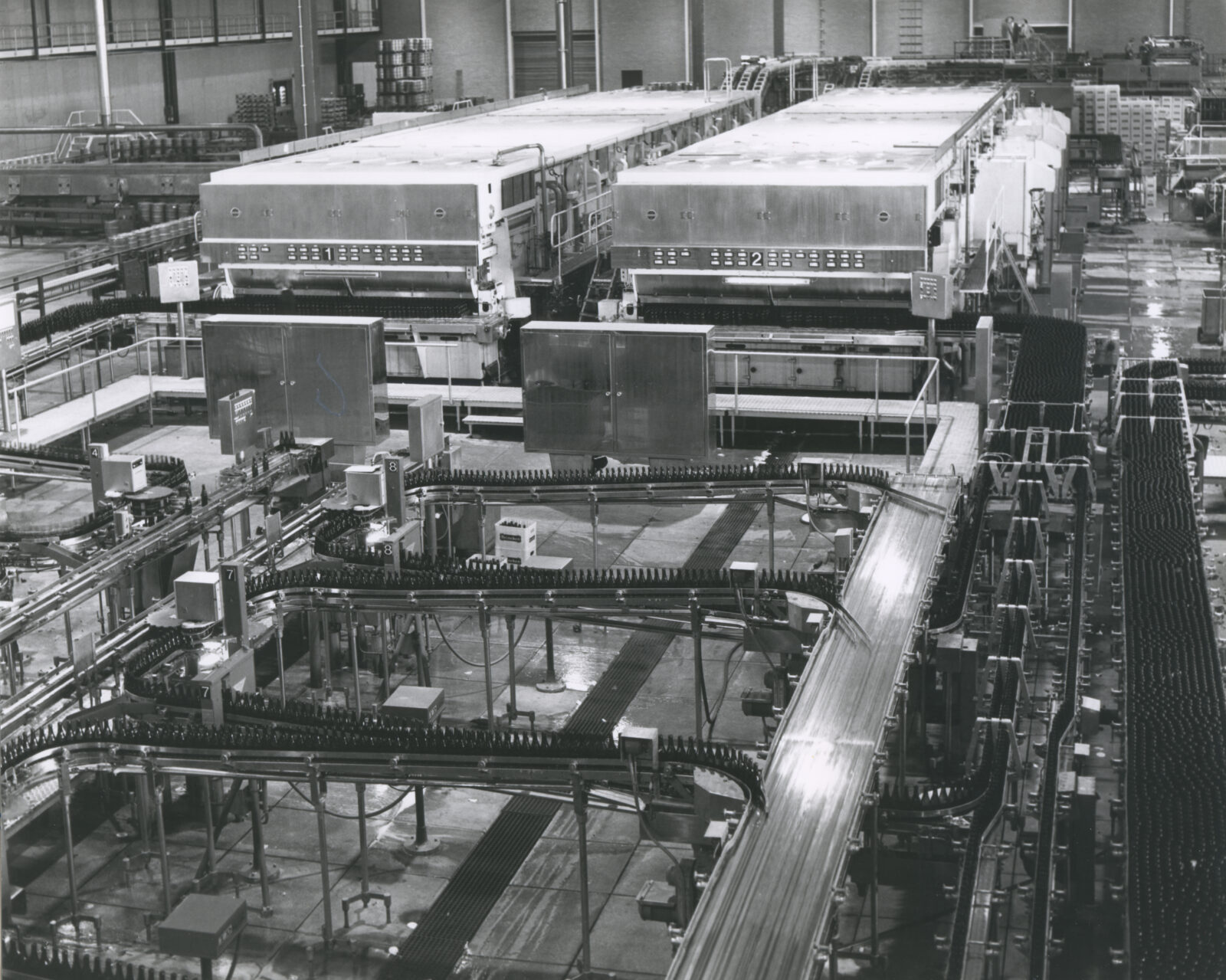
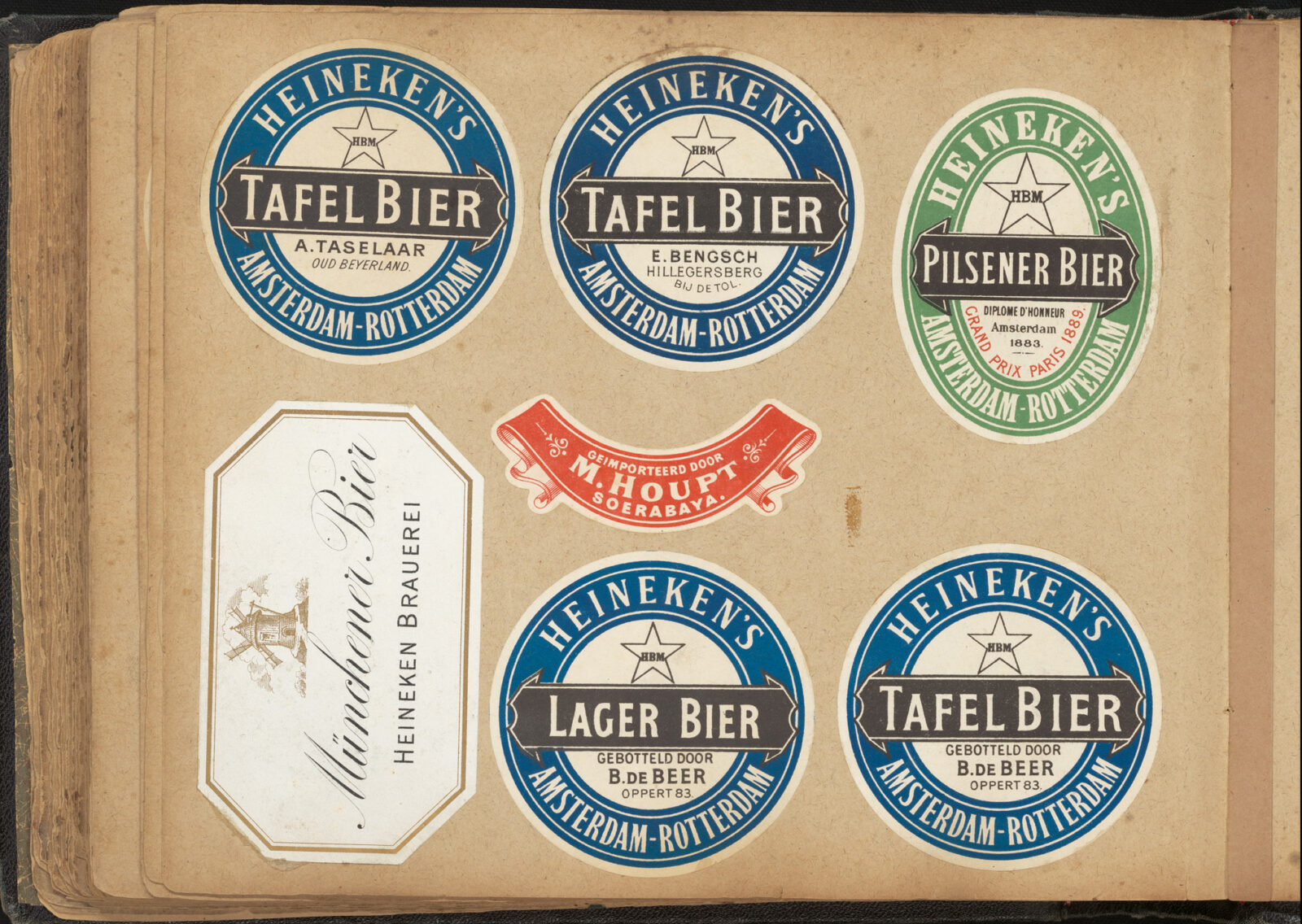
In collaboration with Picturae, an external specialist in cultural heritage digitisation, a substantial volume of posters, photographs, labels, albums, and archival materials was digitised and added to the Memorix digital asset management (DAM) system, where the Collection’s digital files are stored and managed. A selection of this digitised material is visible in this report through the images shown.
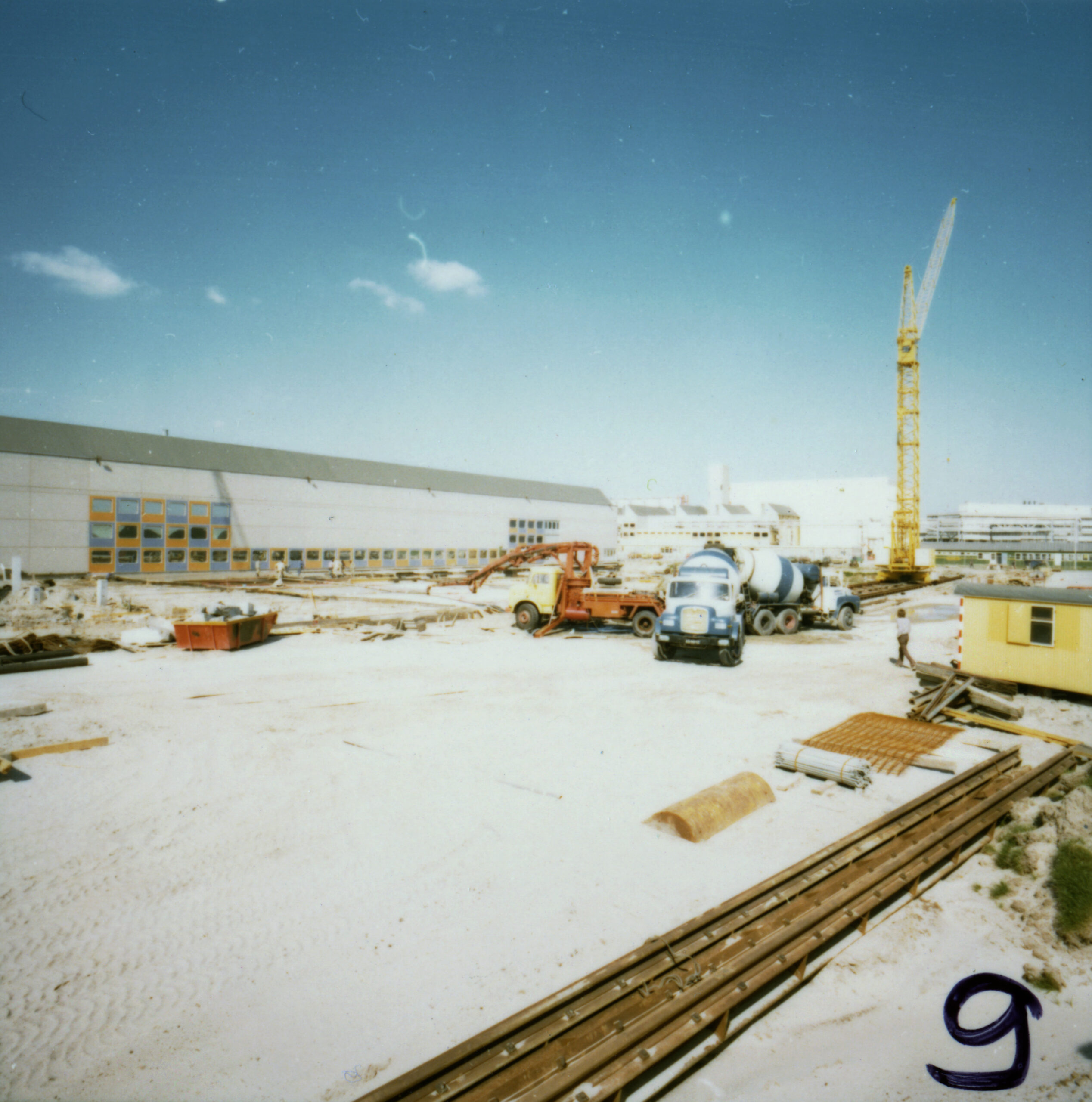
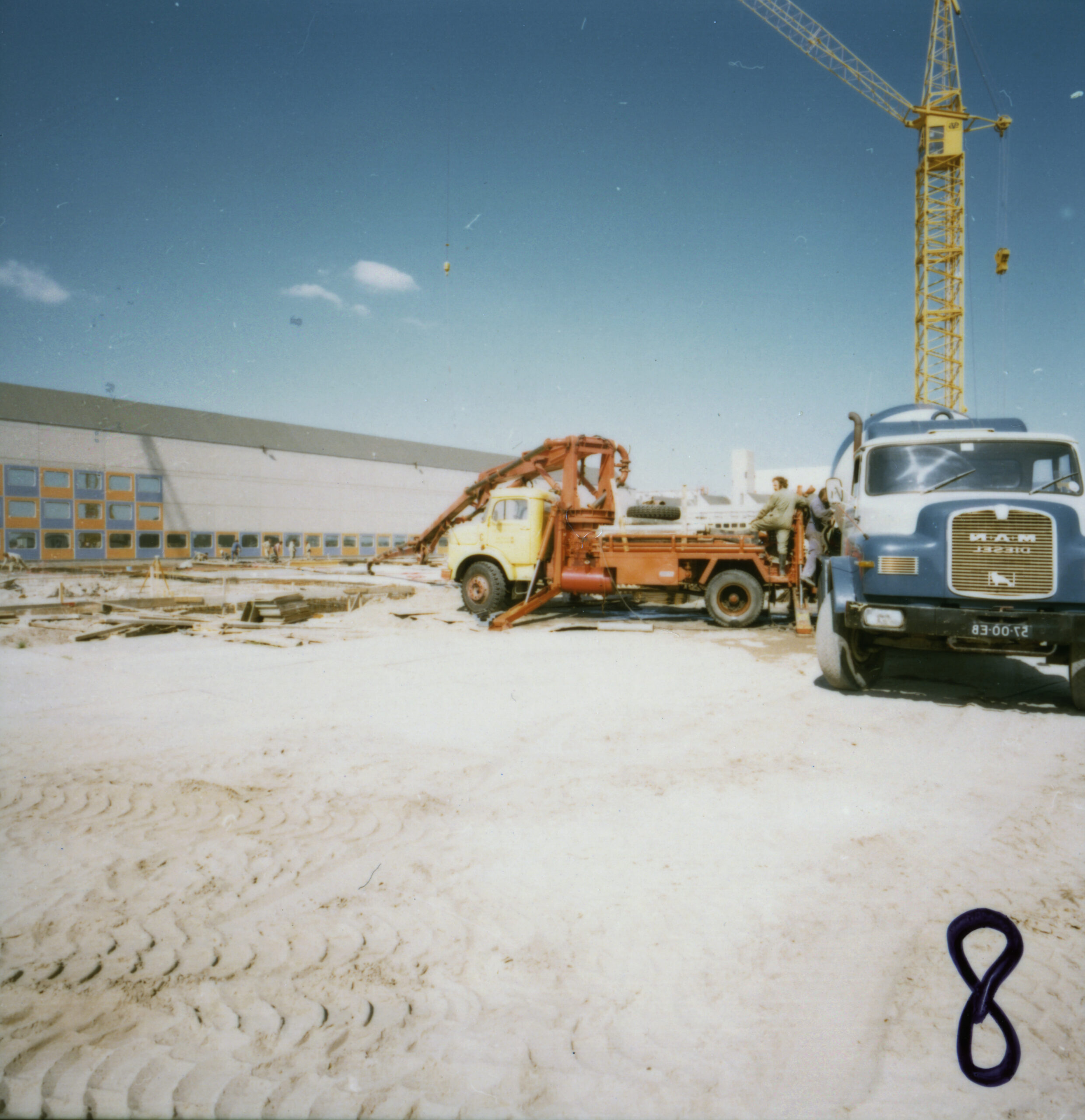
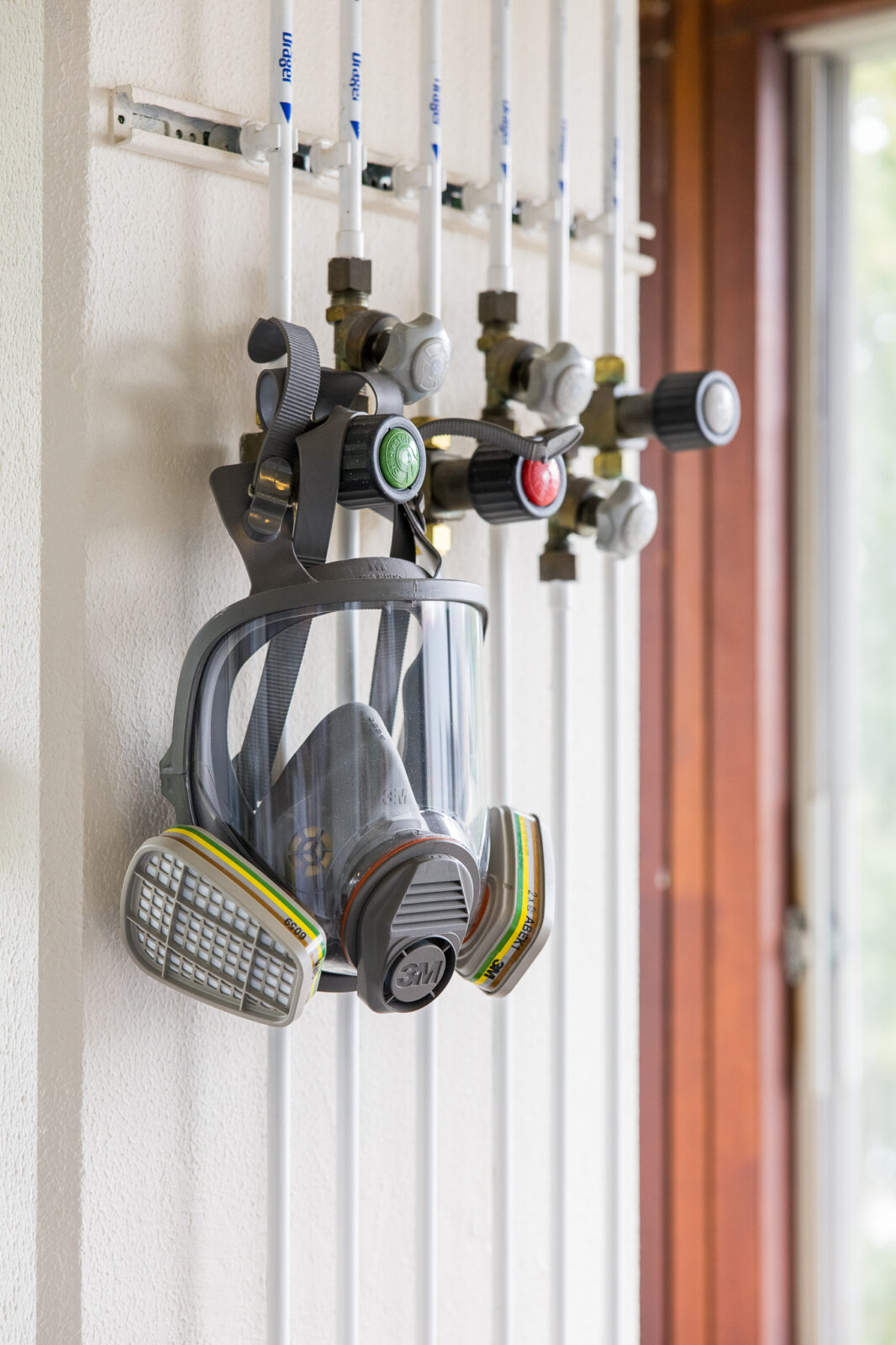
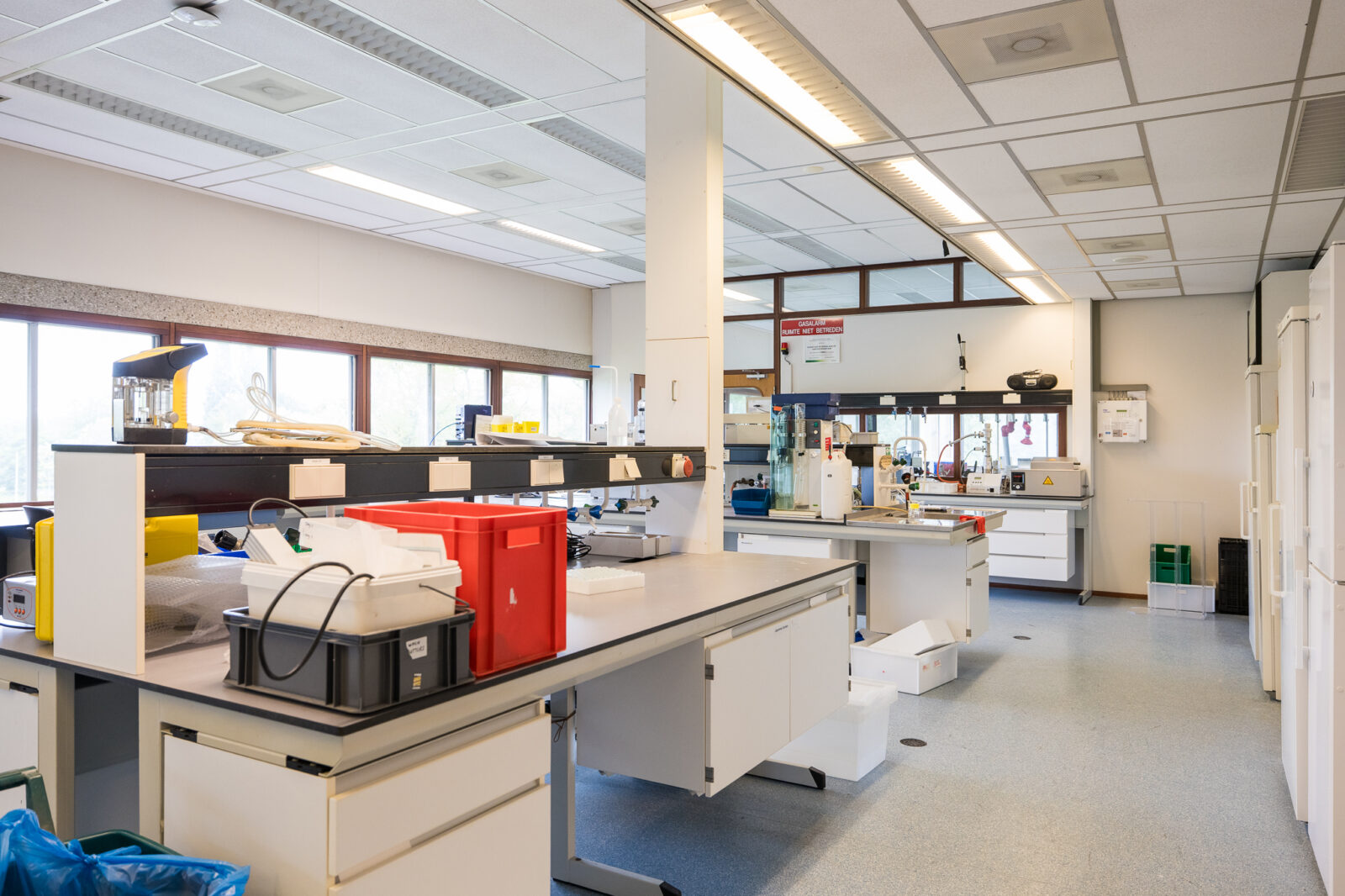
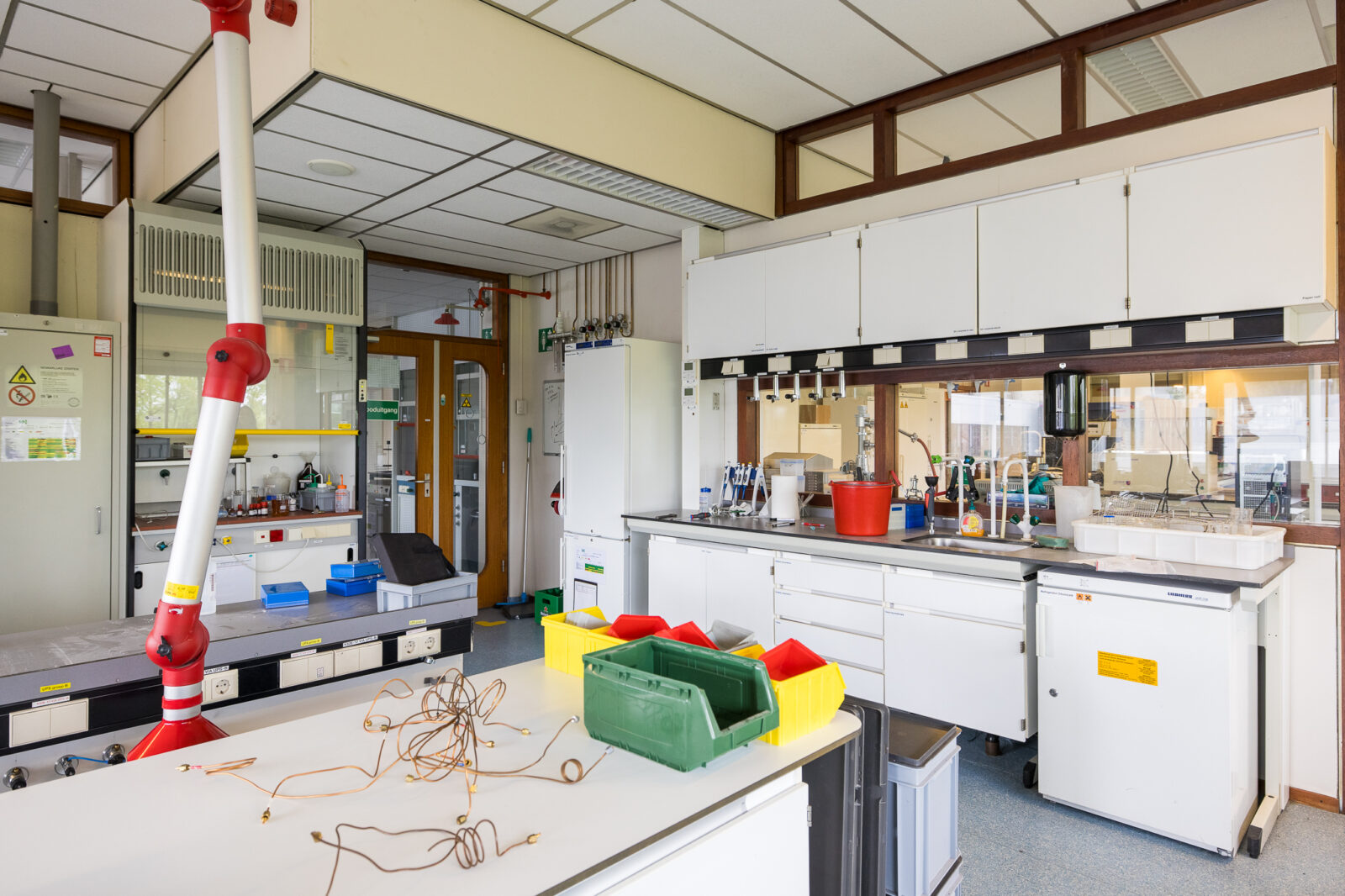
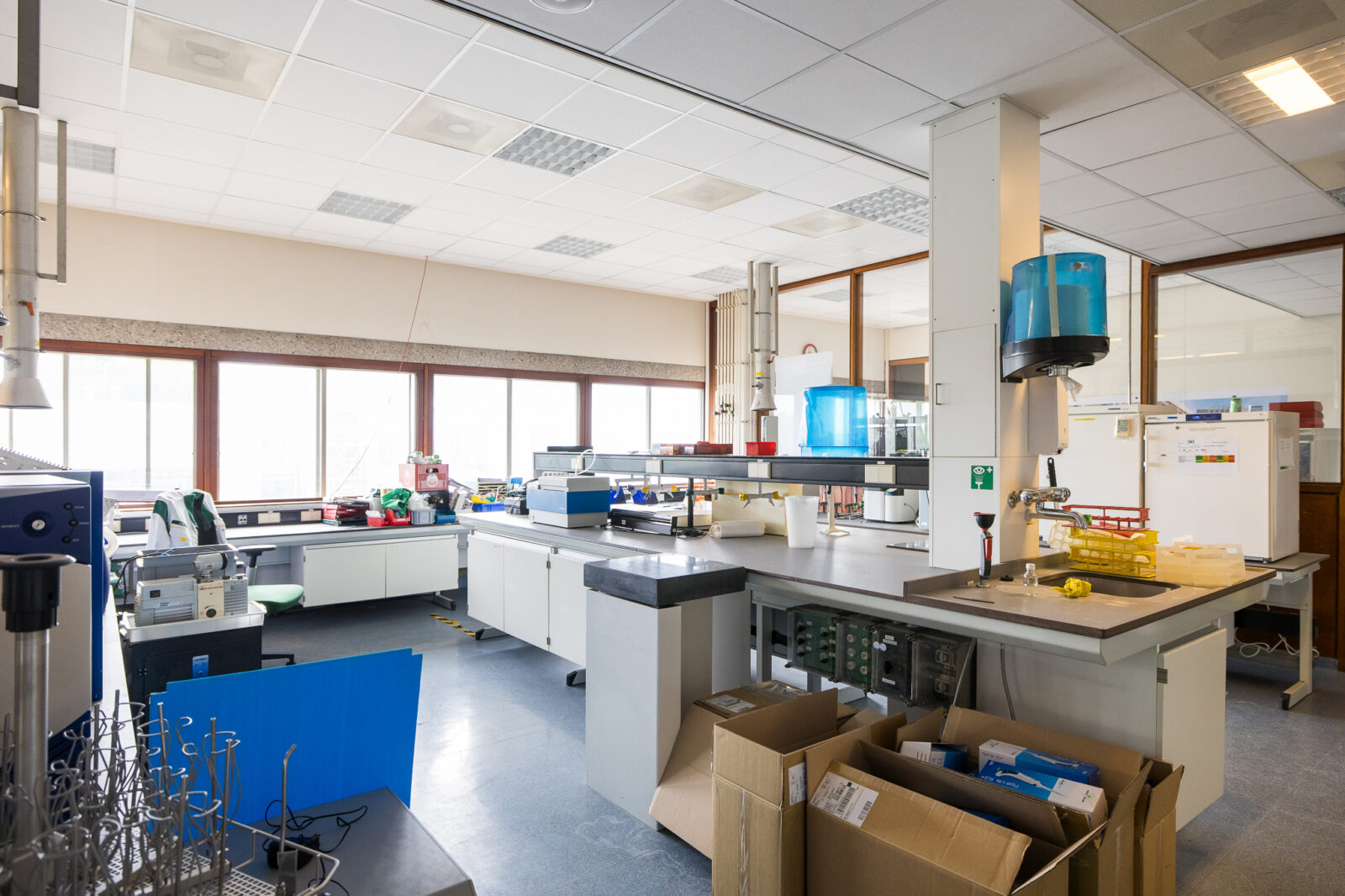
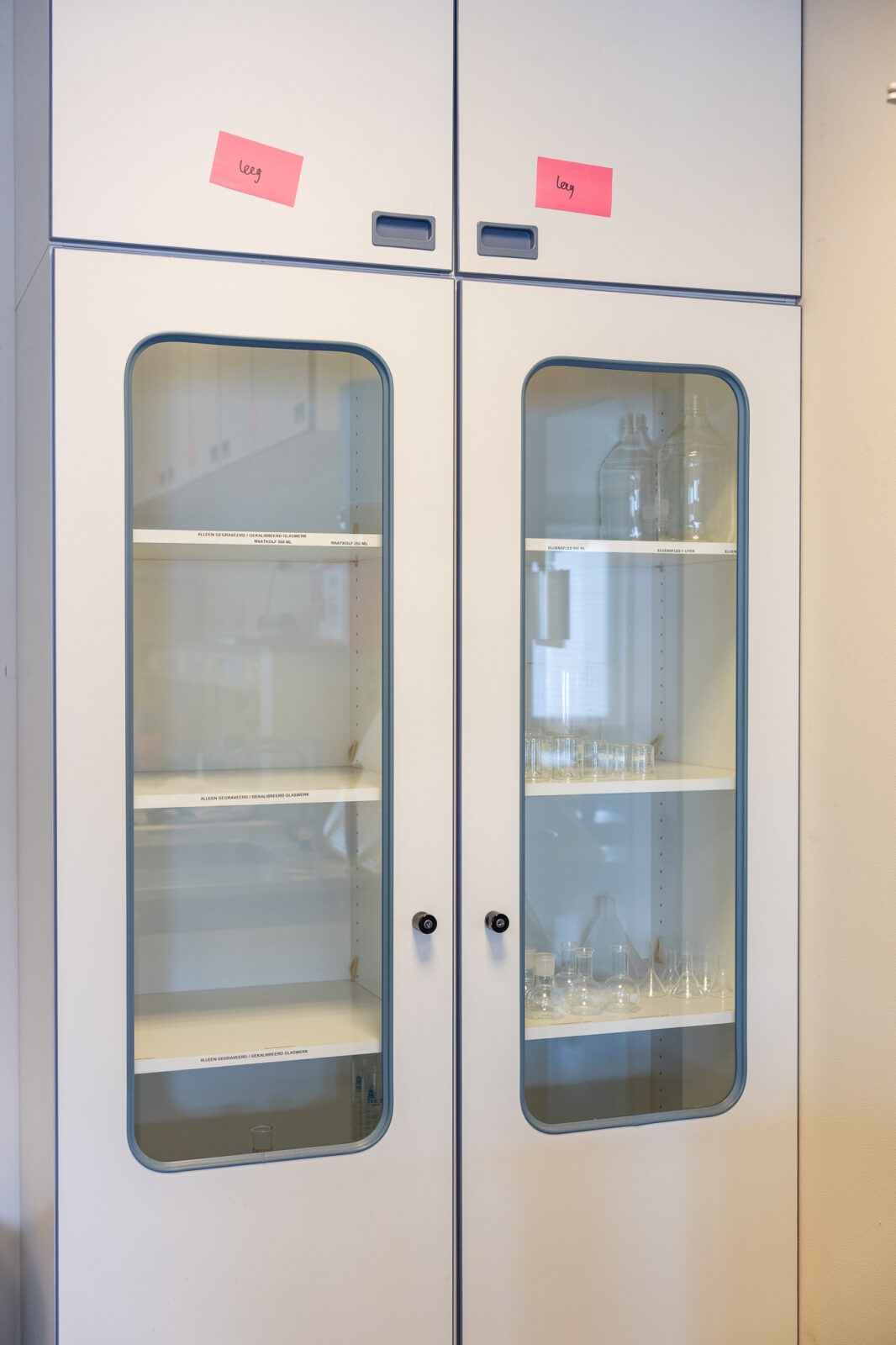
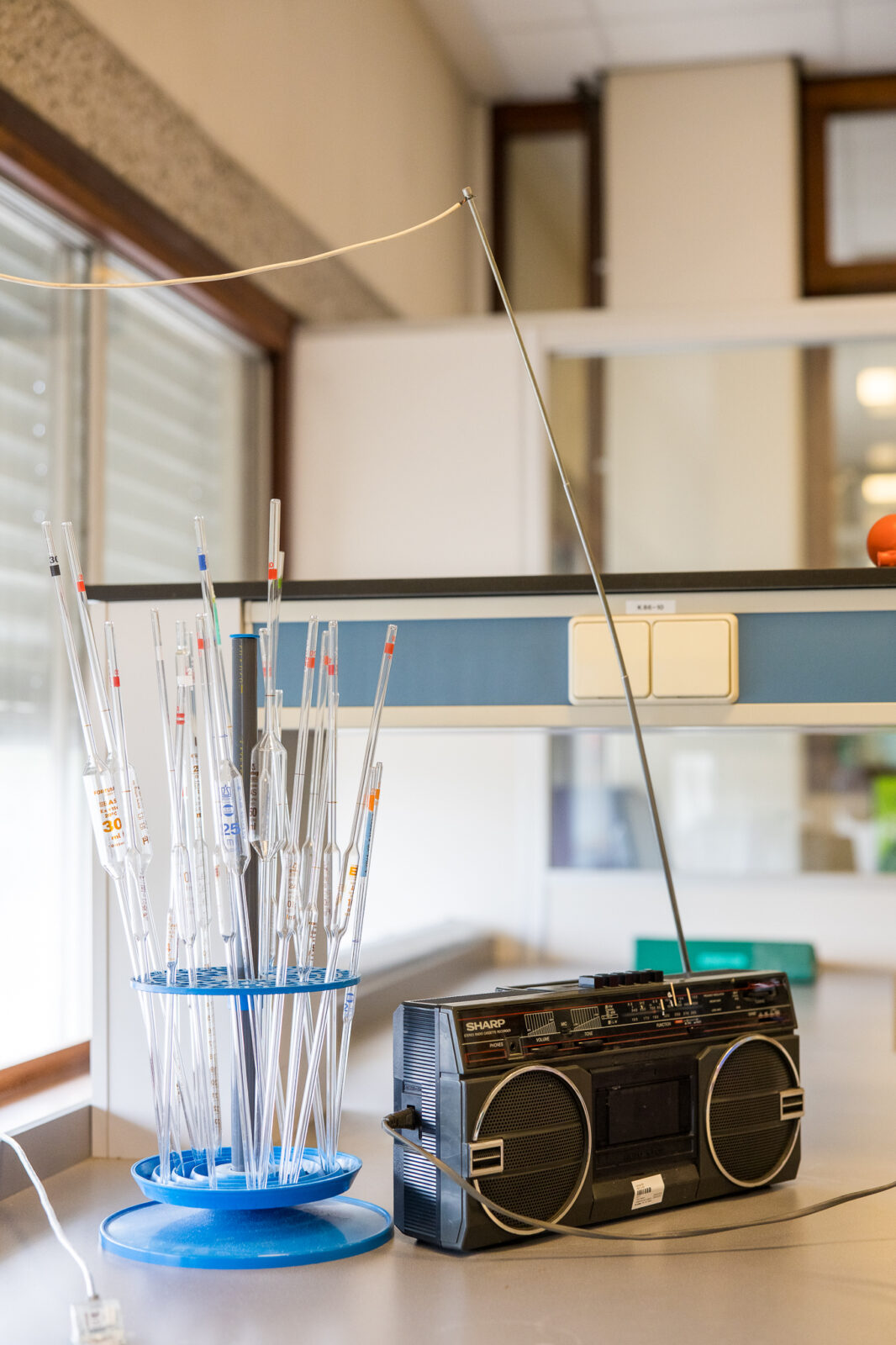
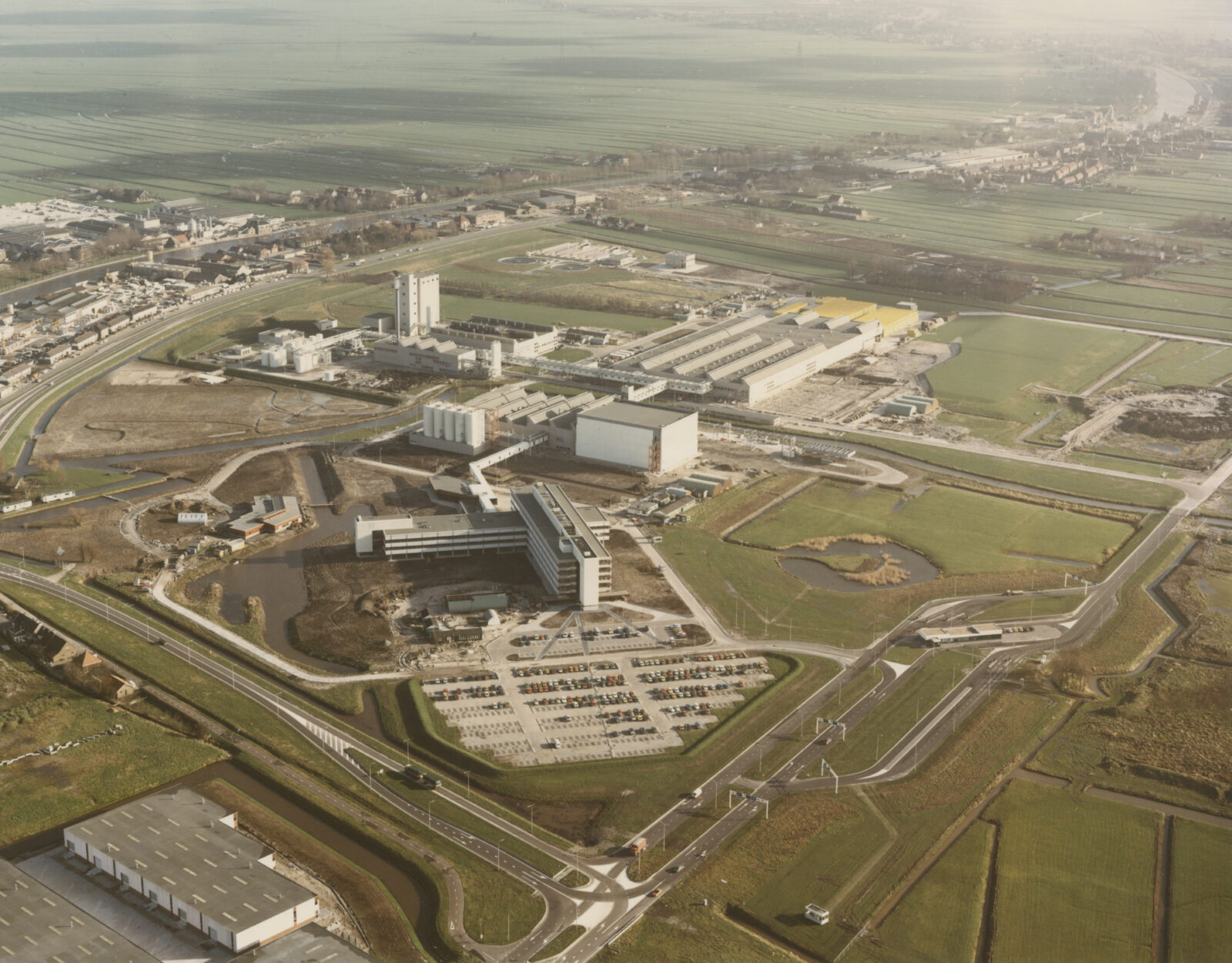
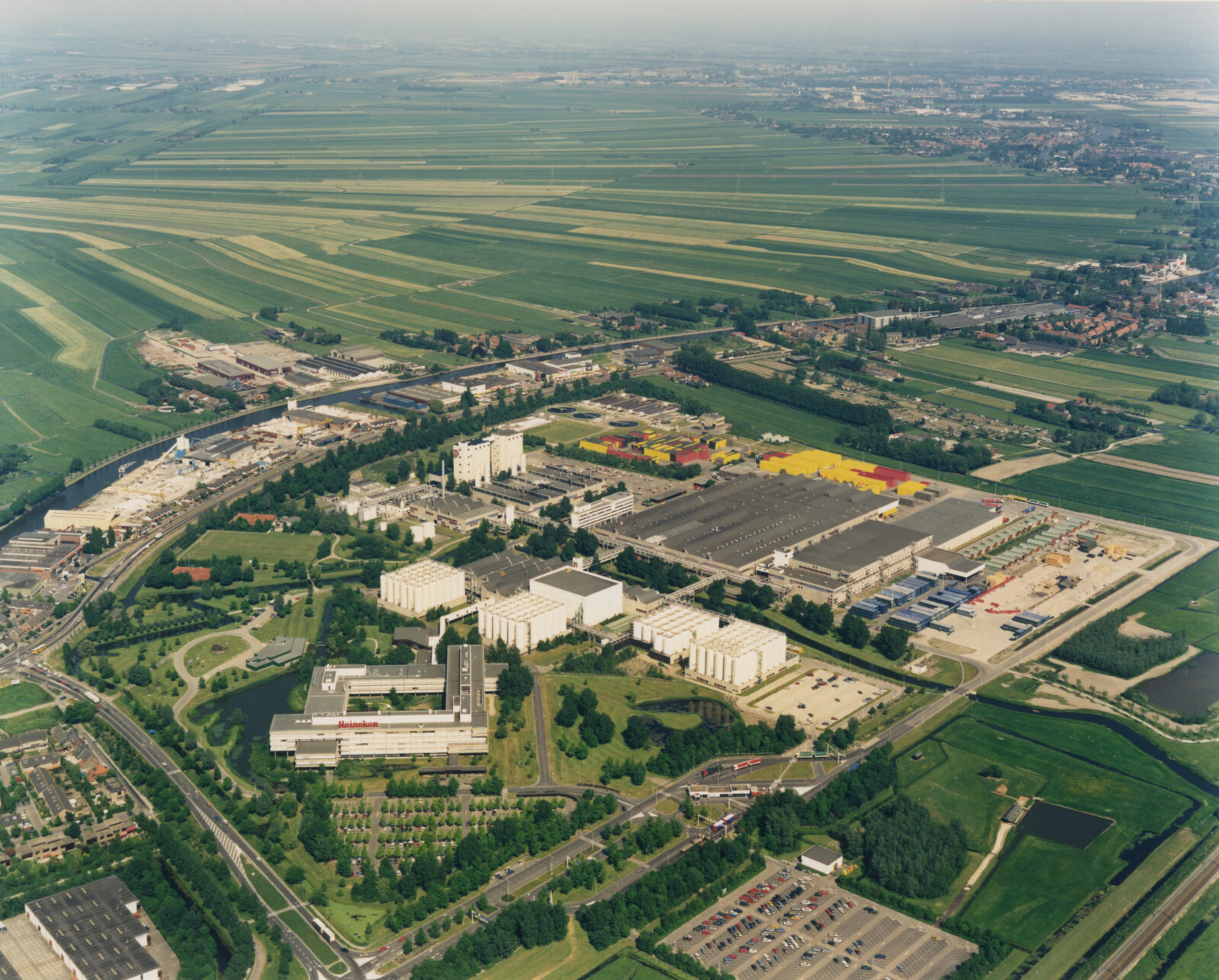
Additional photography projects documented key locations such as the Zoeterwoude brewery and its former R&D Centre. Selected objects were also digitised specifically for use in the Heineken Experience, supporting inclusive and accessible heritage presentation.
High‑resolution files were also delivered for selected internal and external productions, enabling quality reuse while reducing the need to handle original objects.

Reuse of collection assets
Digitised collection material was actively reused in 2025 to support communication, design and activation projects across HEINEKEN. This enabled heritage assets to be applied efficiently and consistently in contemporary settings, supporting a more integrated use of collection material across organisational activities.
Examples from 2025
- Use of historic imagery to support the EverGreen 2030 Forum and other executive‑level events.
- Provision of digital assets for interior and spatial design projects, including hospitality venues and brand environments.
- Supply of historic visuals for global and local brand campaigns, including football‑related activations and trade marketing initiatives.
-
Support for structured internal storytelling projects using curated heritage visuals (e.g., timelines), ensuring that heritage narratives can be reused across formats and audiences.
Preparing for linked data
Examples from 2025
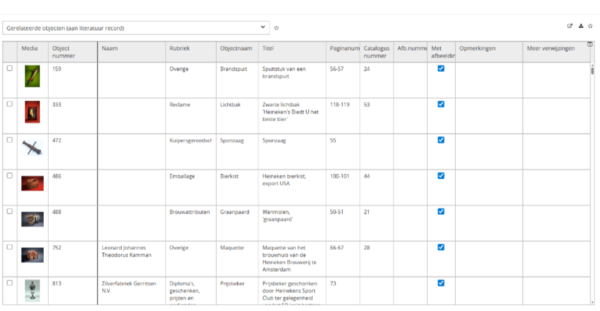
- Mapping and cleaning of existing records in preparation for migration.
- Execution of migration preparation sessions in collaboration with Vitec Memorix.
- Technical alignment of collection records to support the upcoming move to Memorix Nexus.
Expansion of our image bank
The Collection image bank continued to expand through new photography, registrations and publications. The focus was on increasing the volume and completeness of digital records, ensuring that more collection material could be accessed and reused by colleagues across the organisation.
Examples from 2025
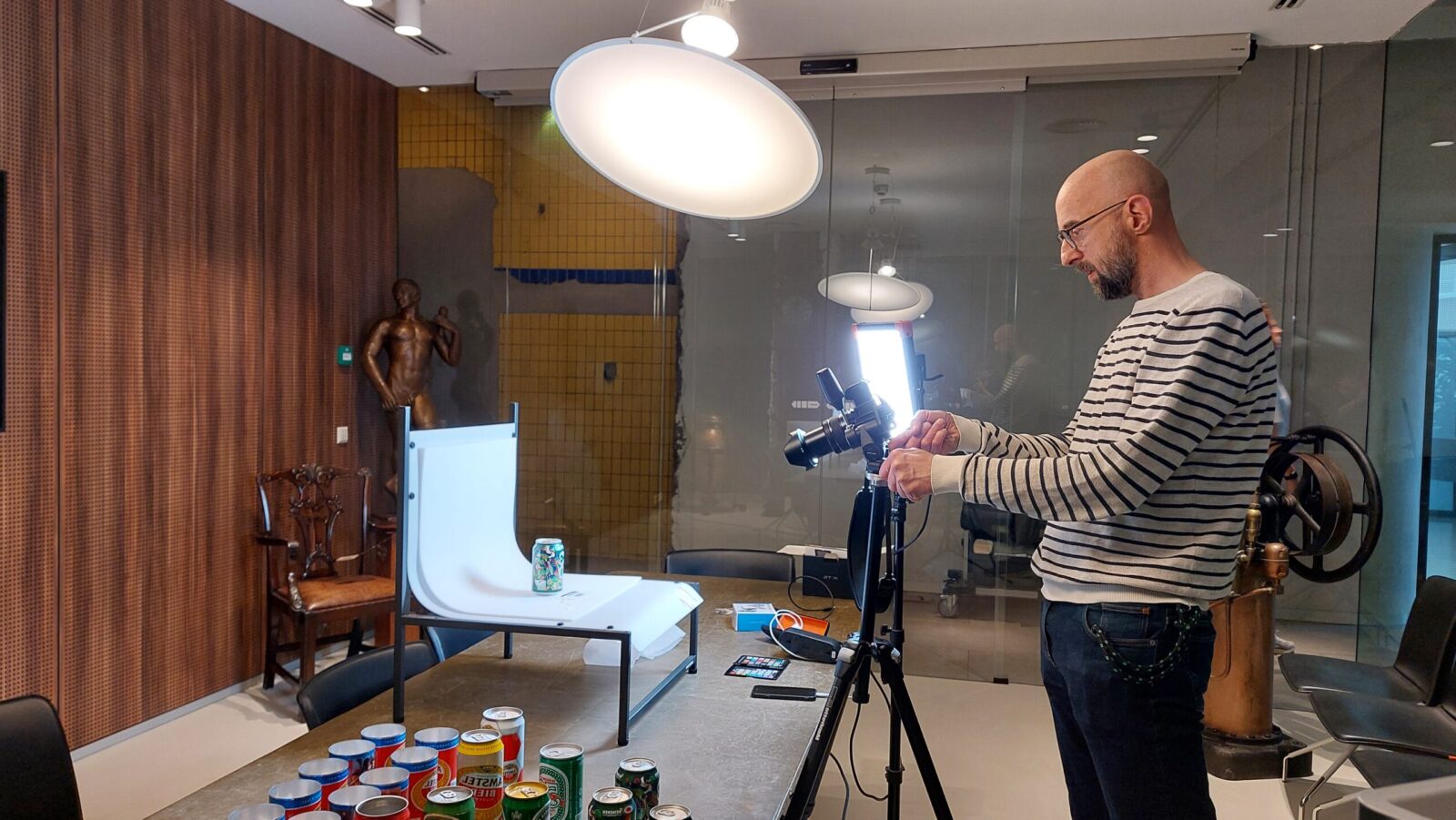
- Photography of over 150 beer cans that had been registered in previous years, enabling completion of their records and online availability.
- Growth to nearly 2,200 objects available online via the Collection website by the end of 2025, including 983 film records.
- Continued increase in registered image bank users, broadening internal access to digital assets.

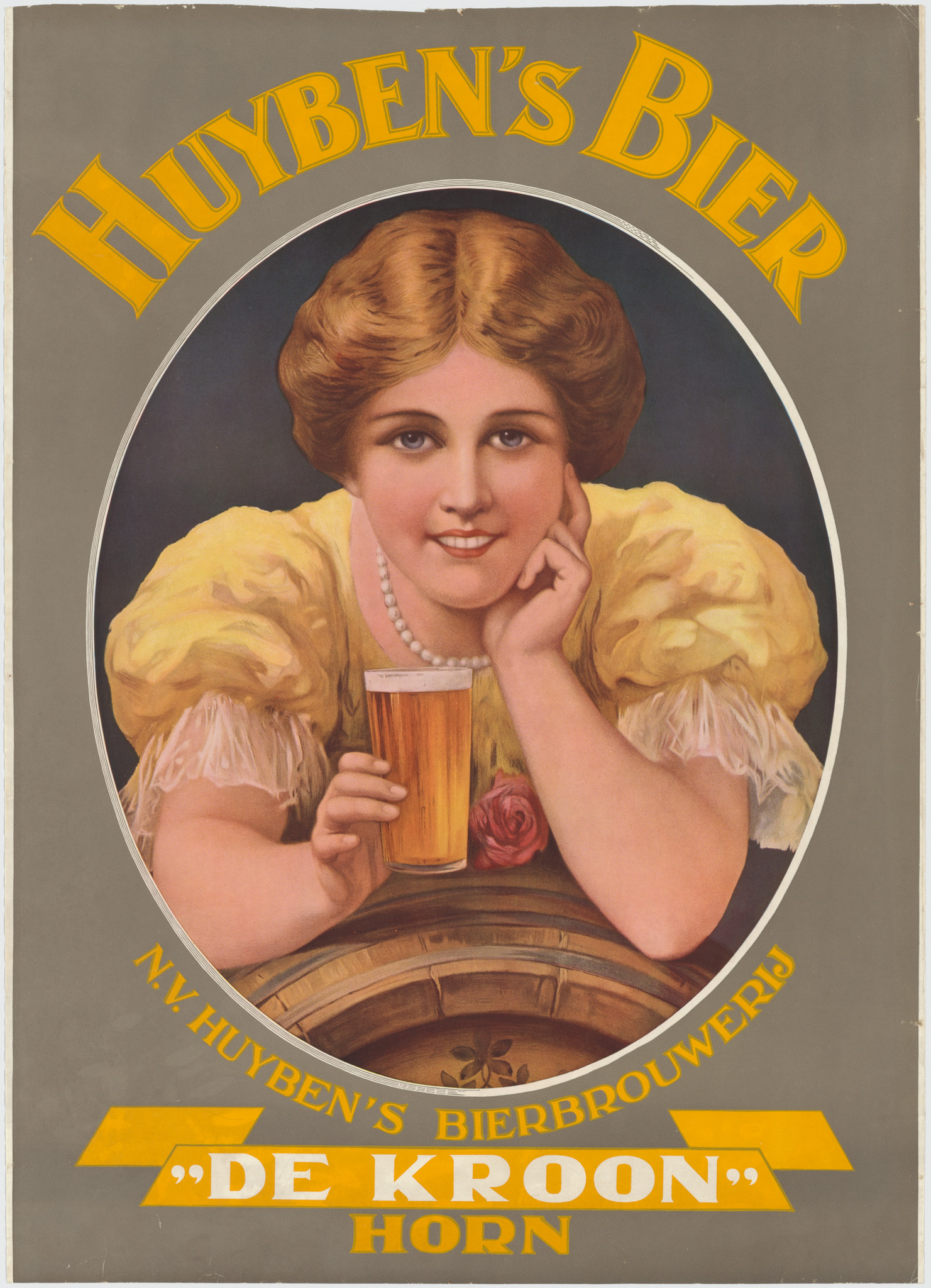
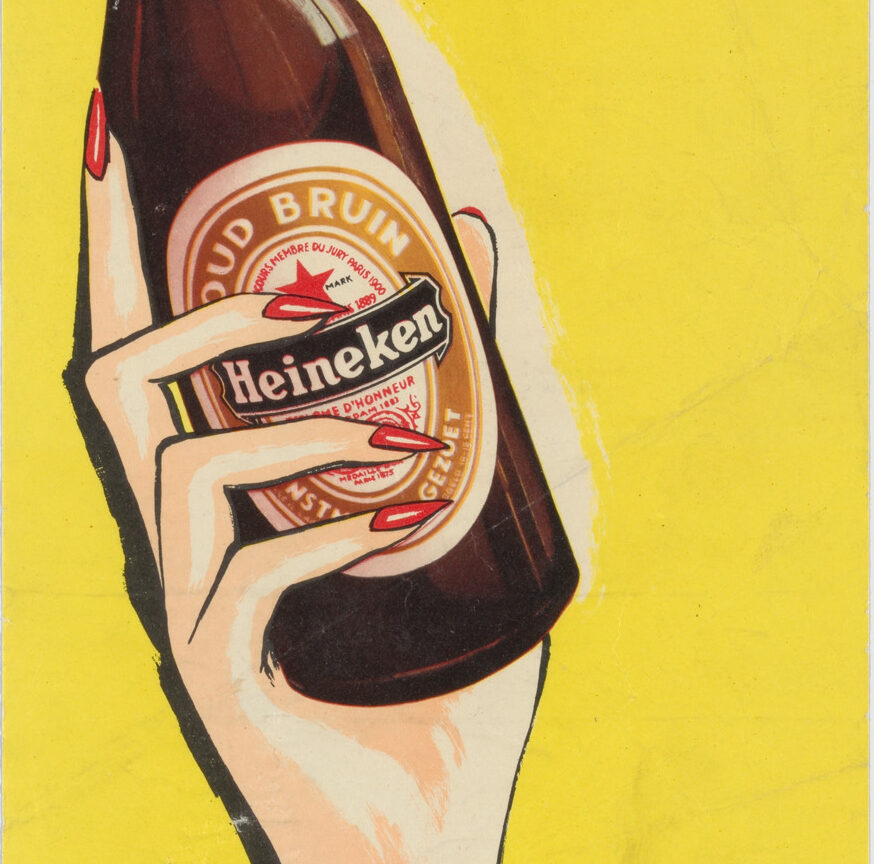
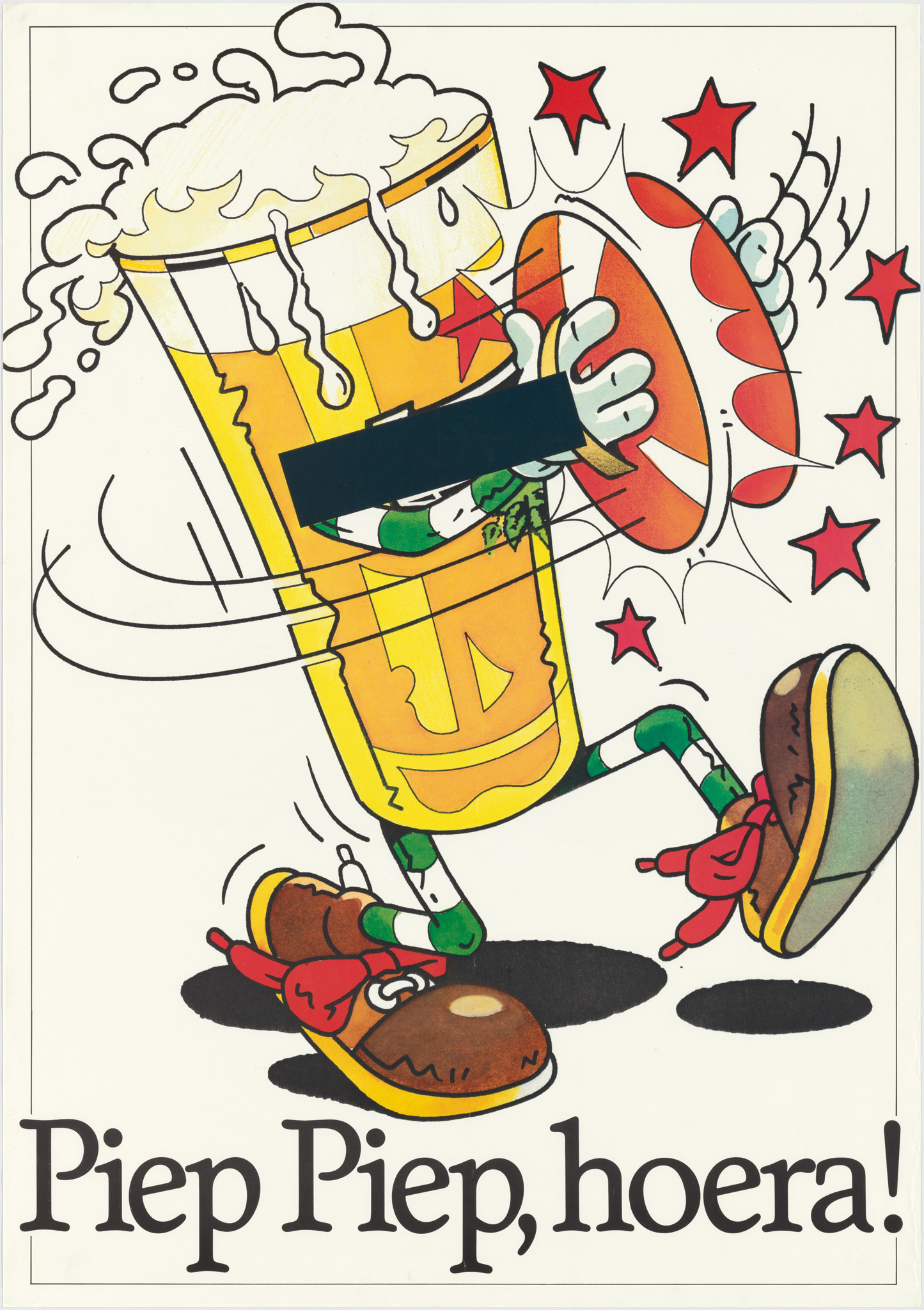
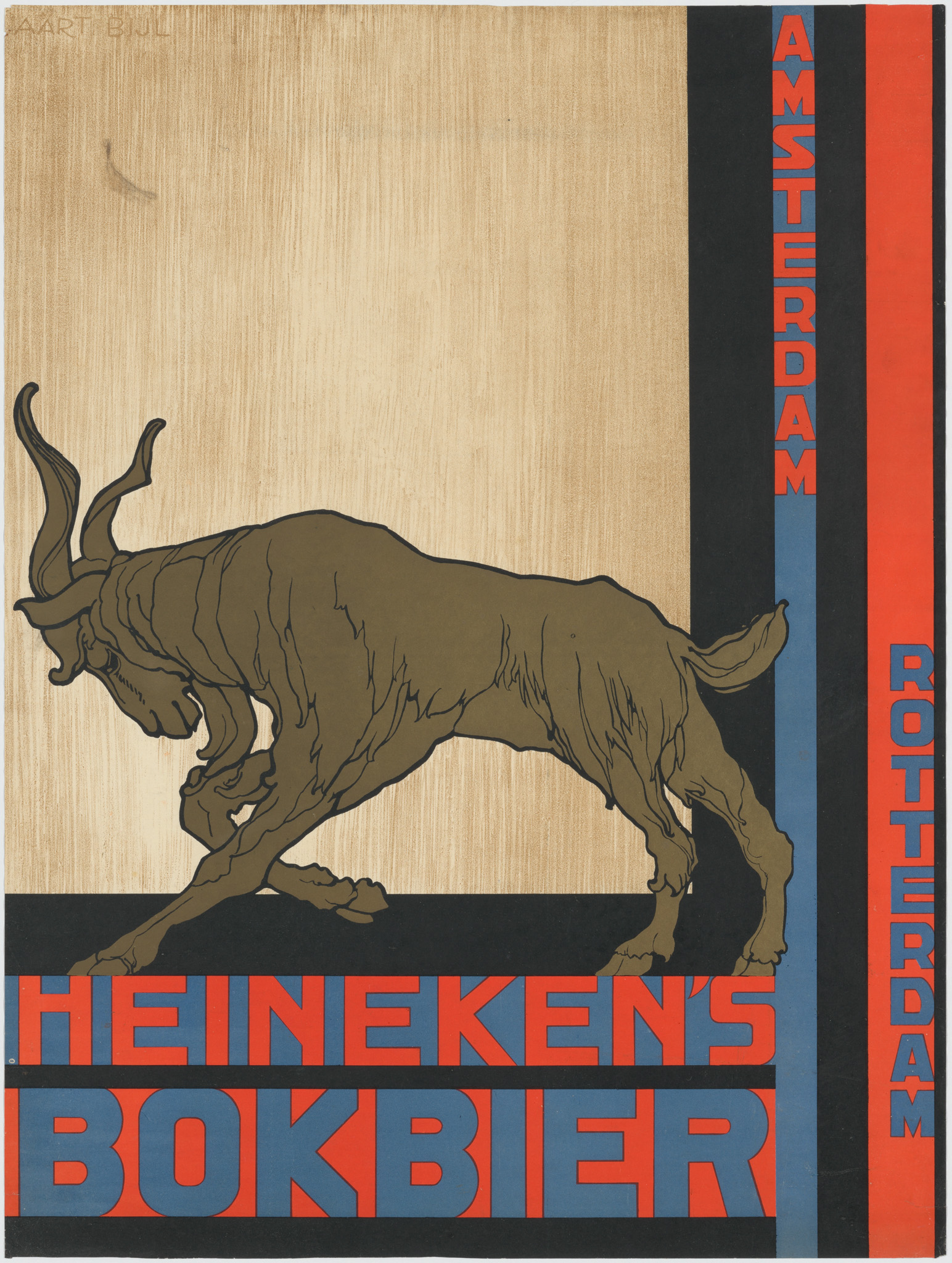
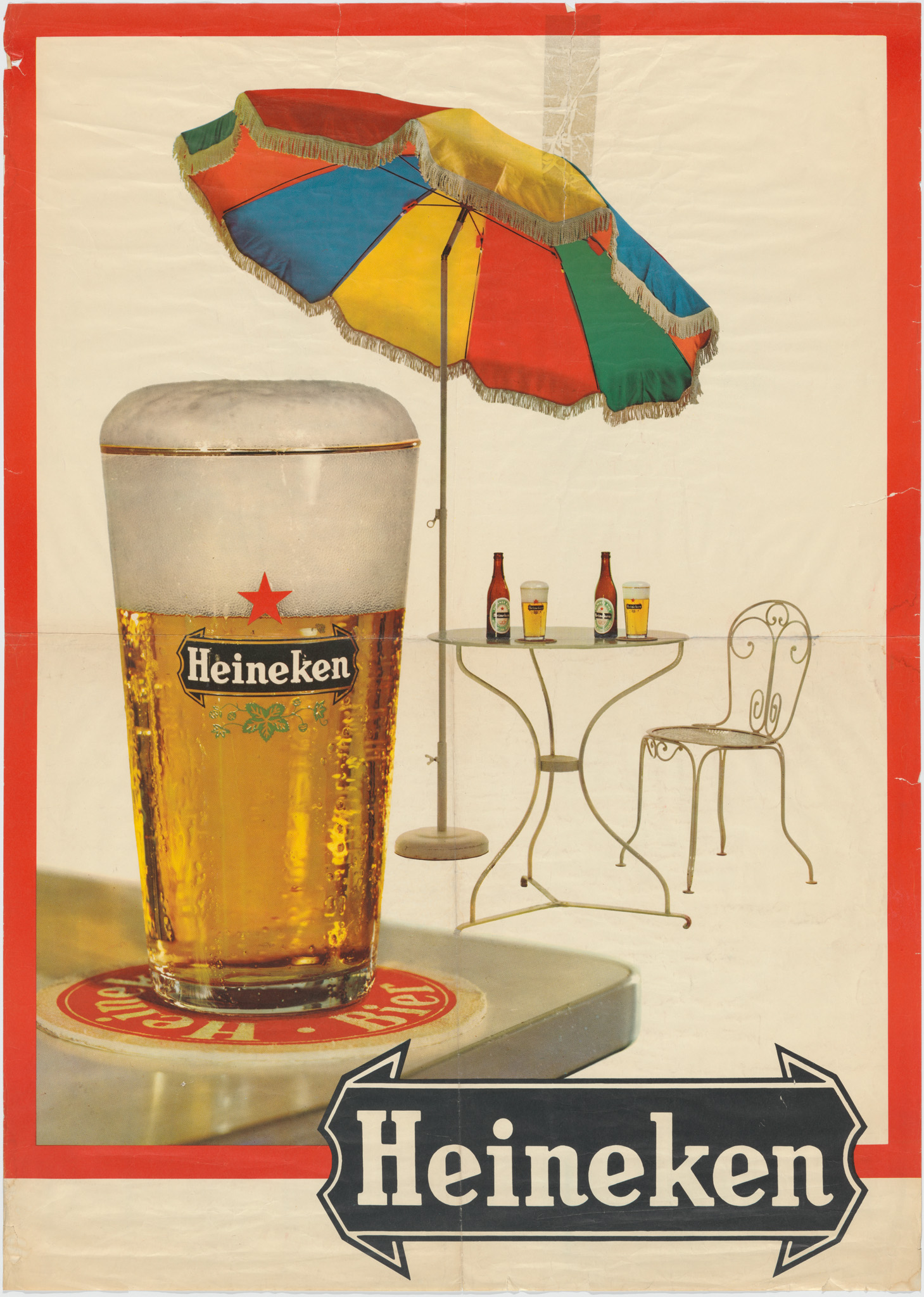
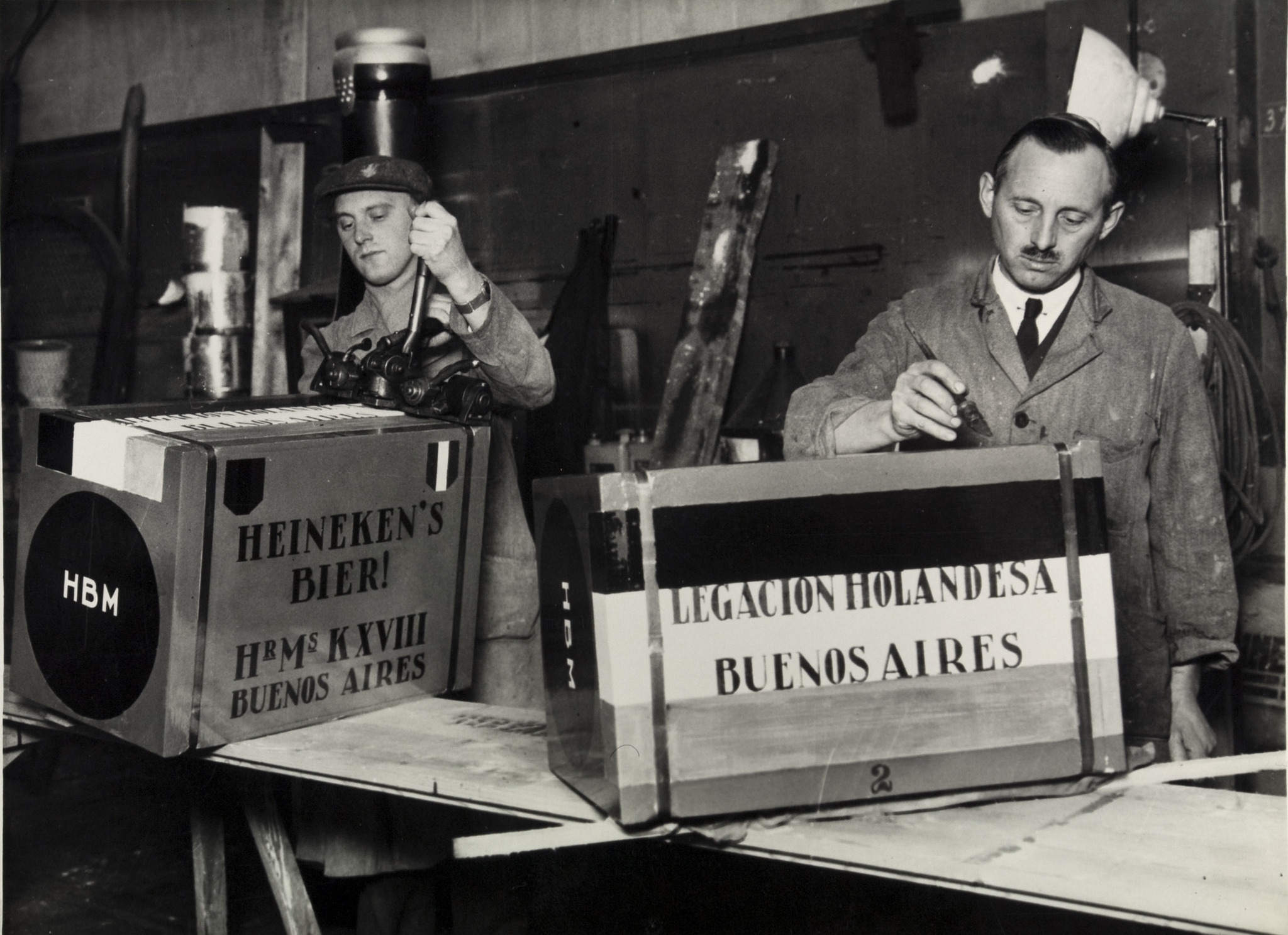
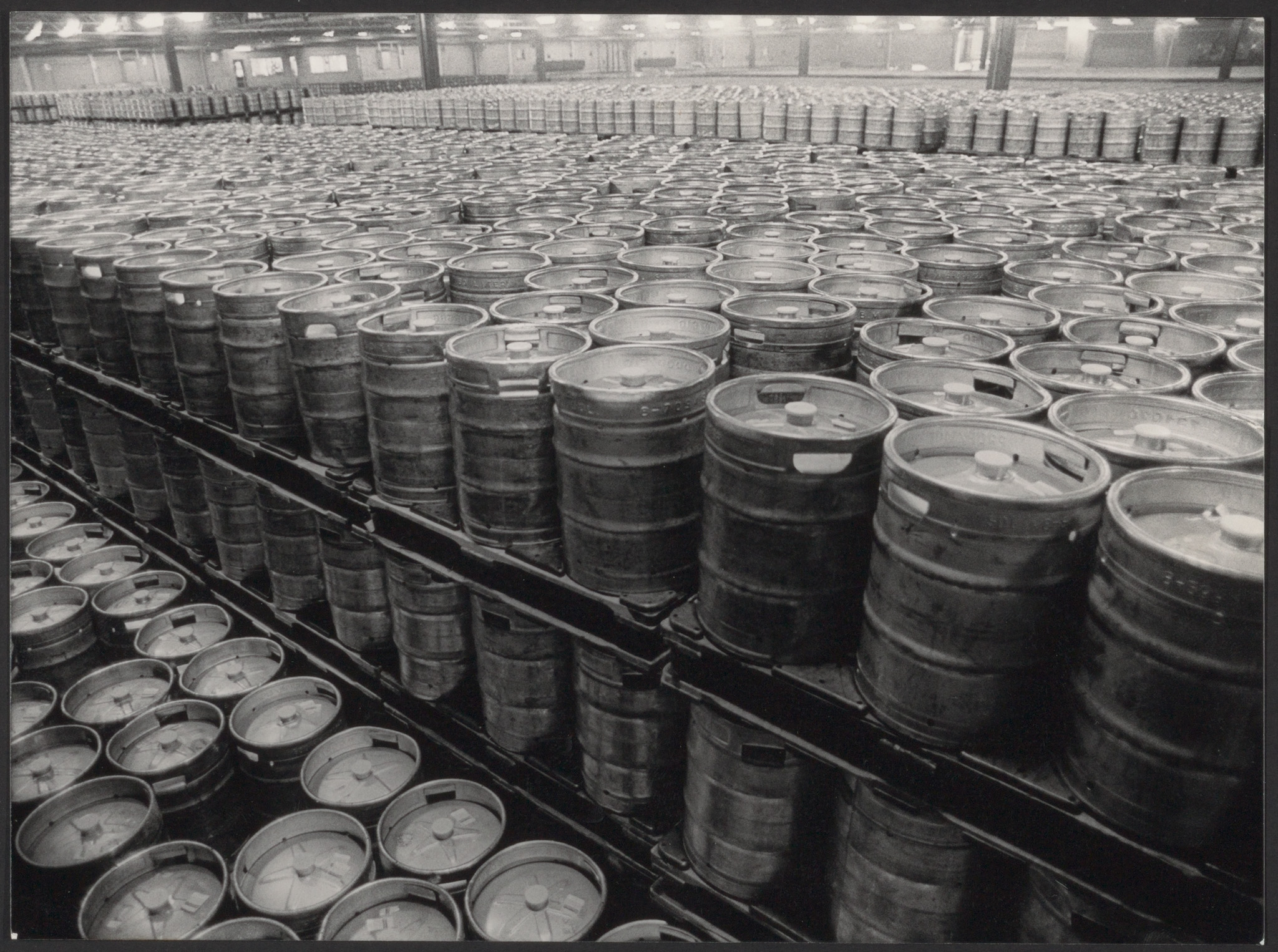
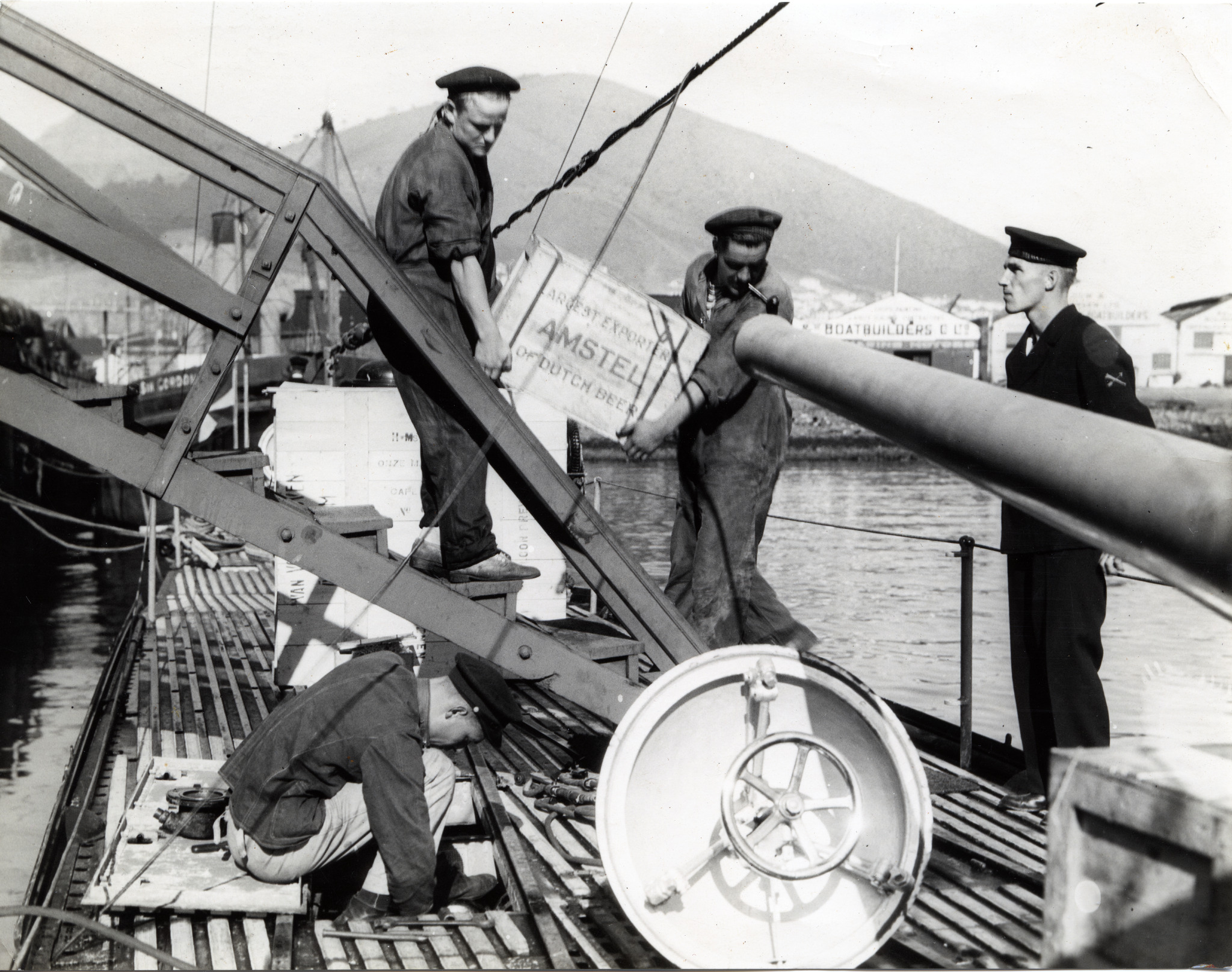
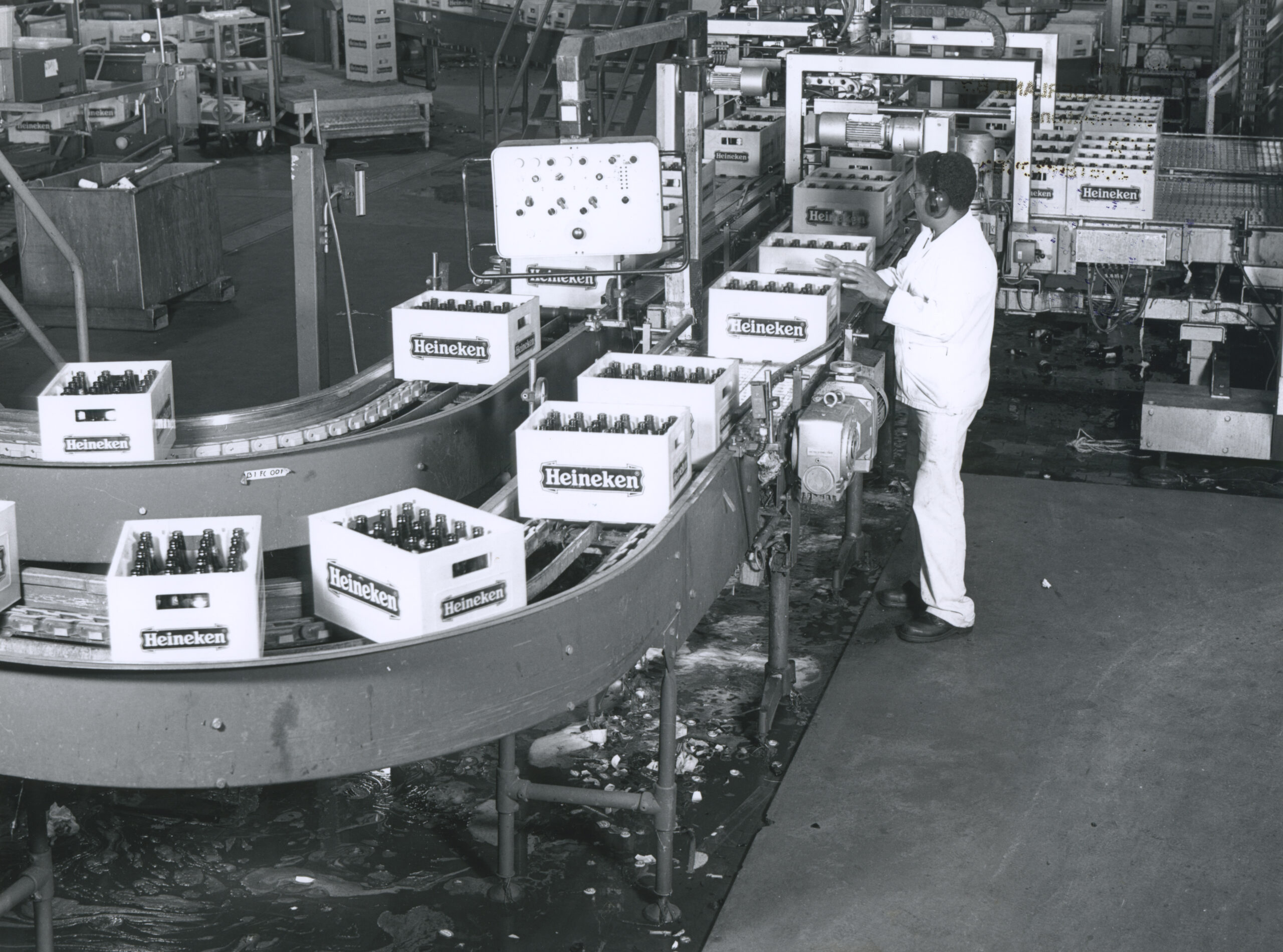
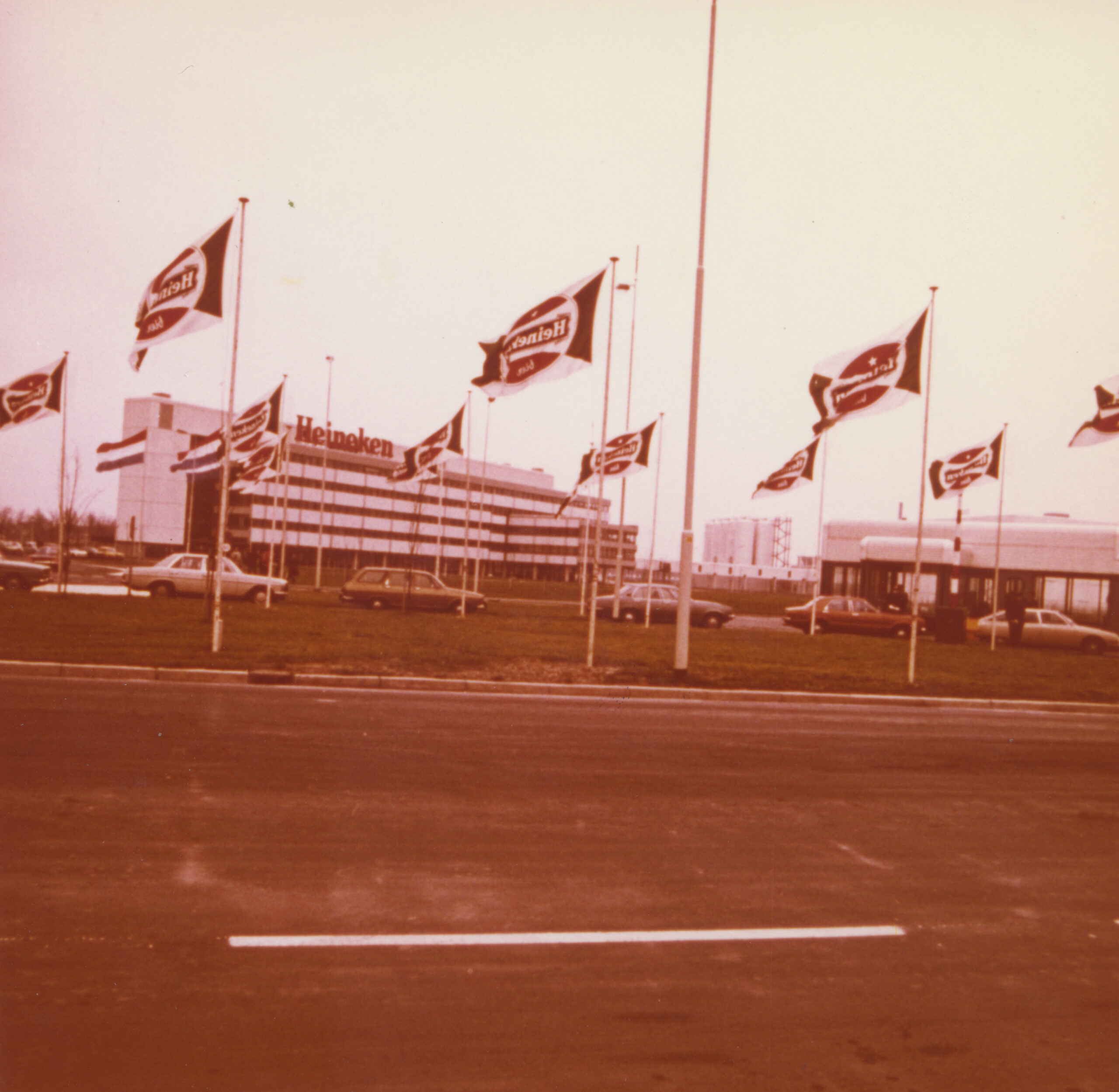
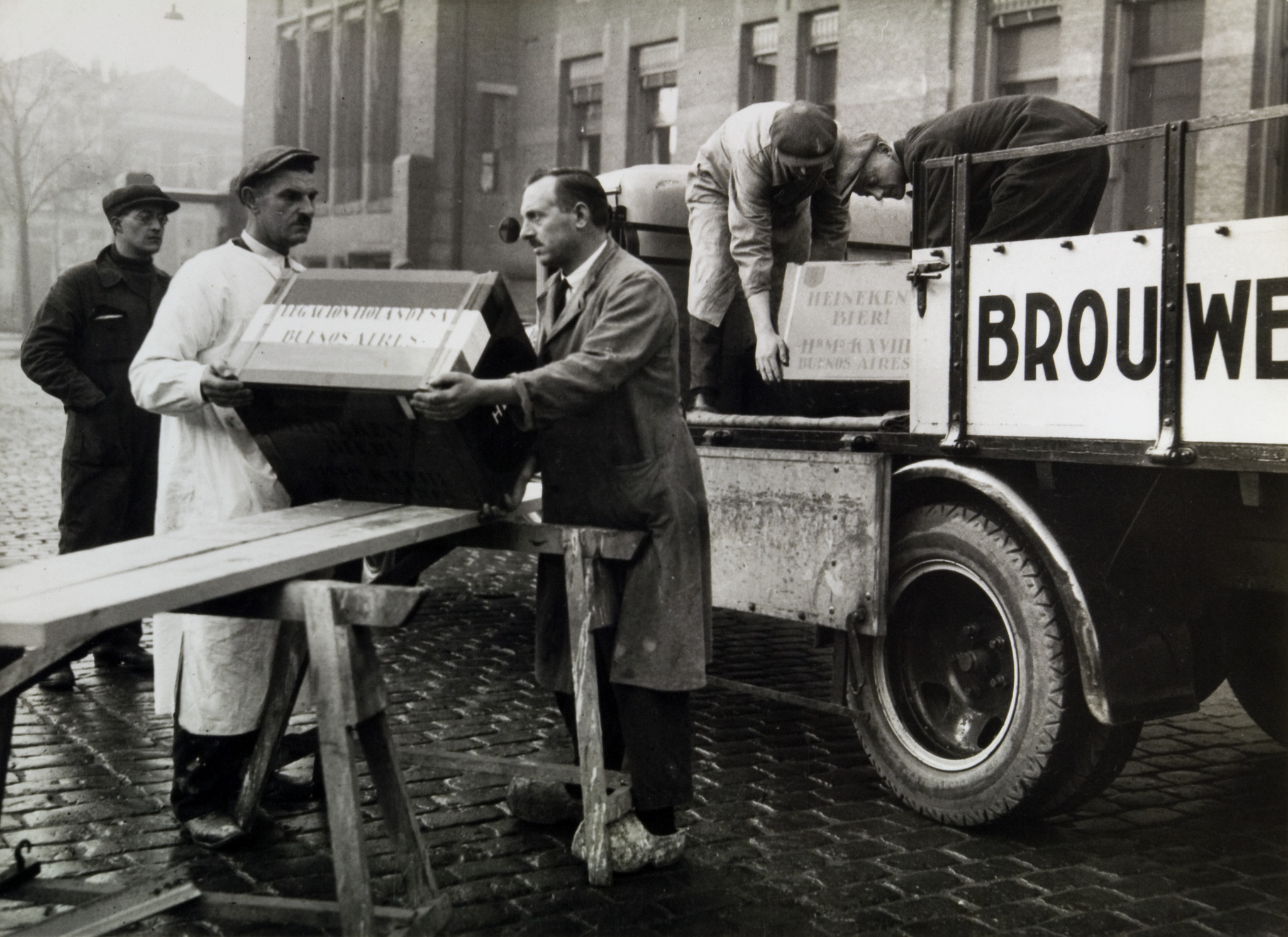
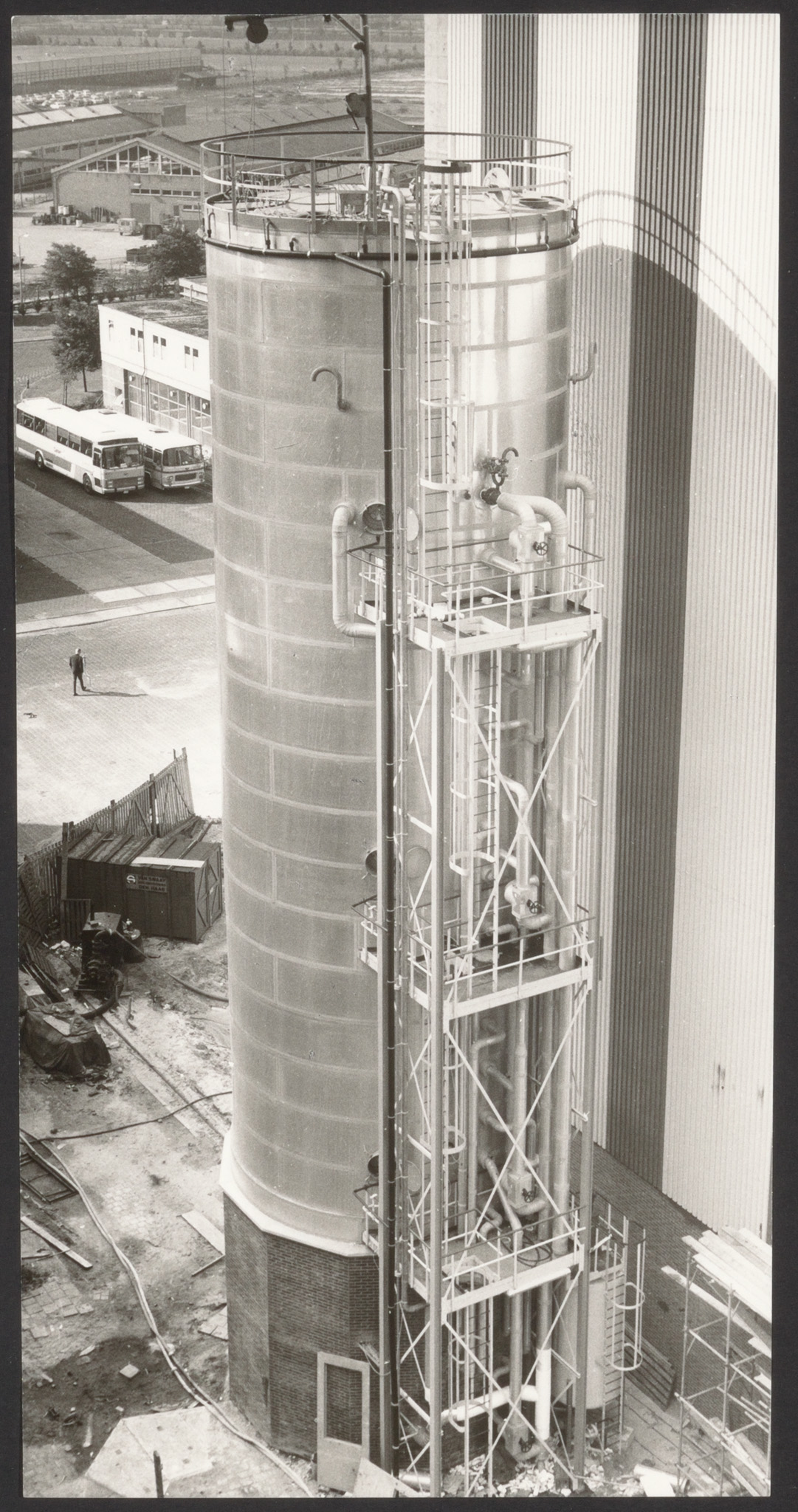
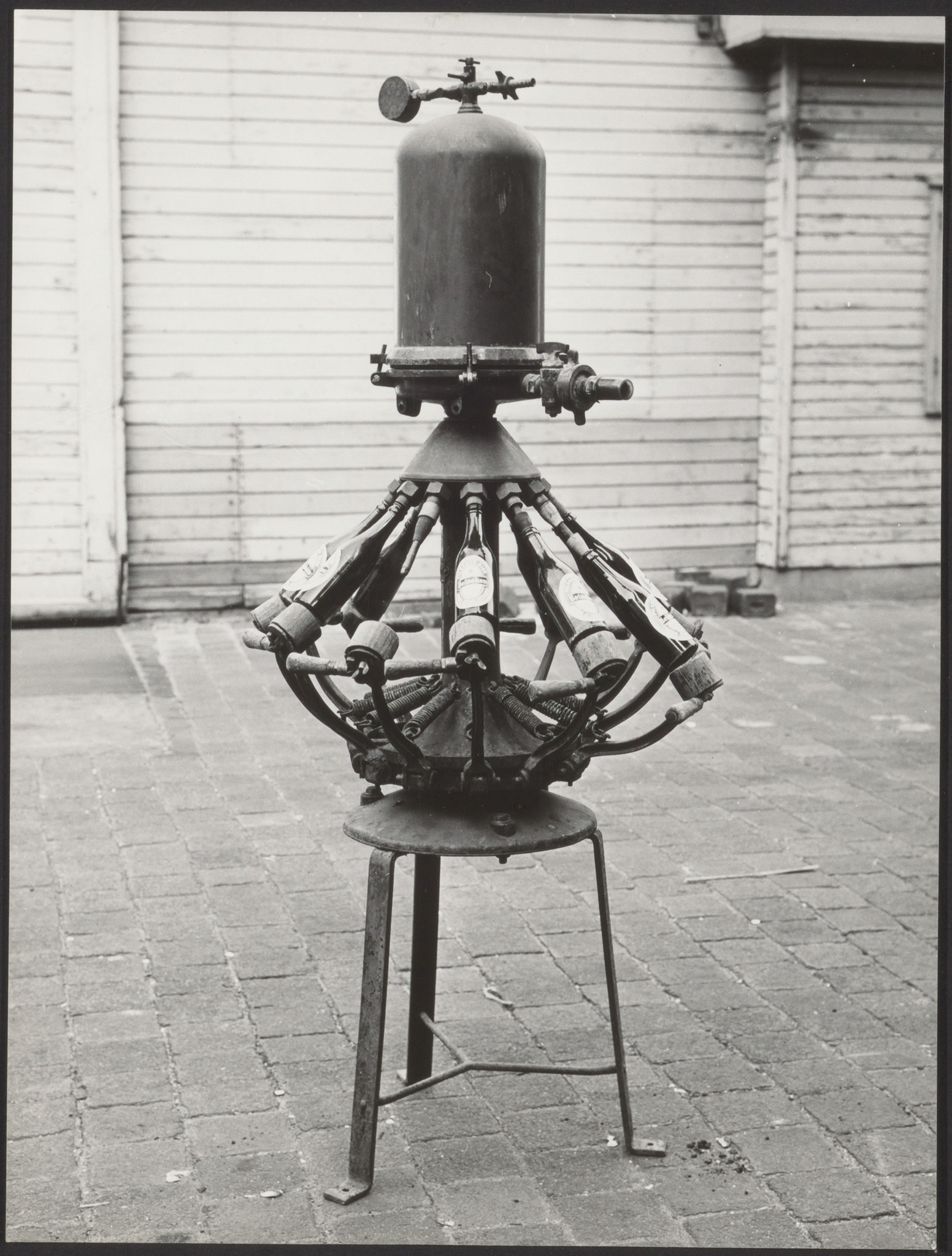
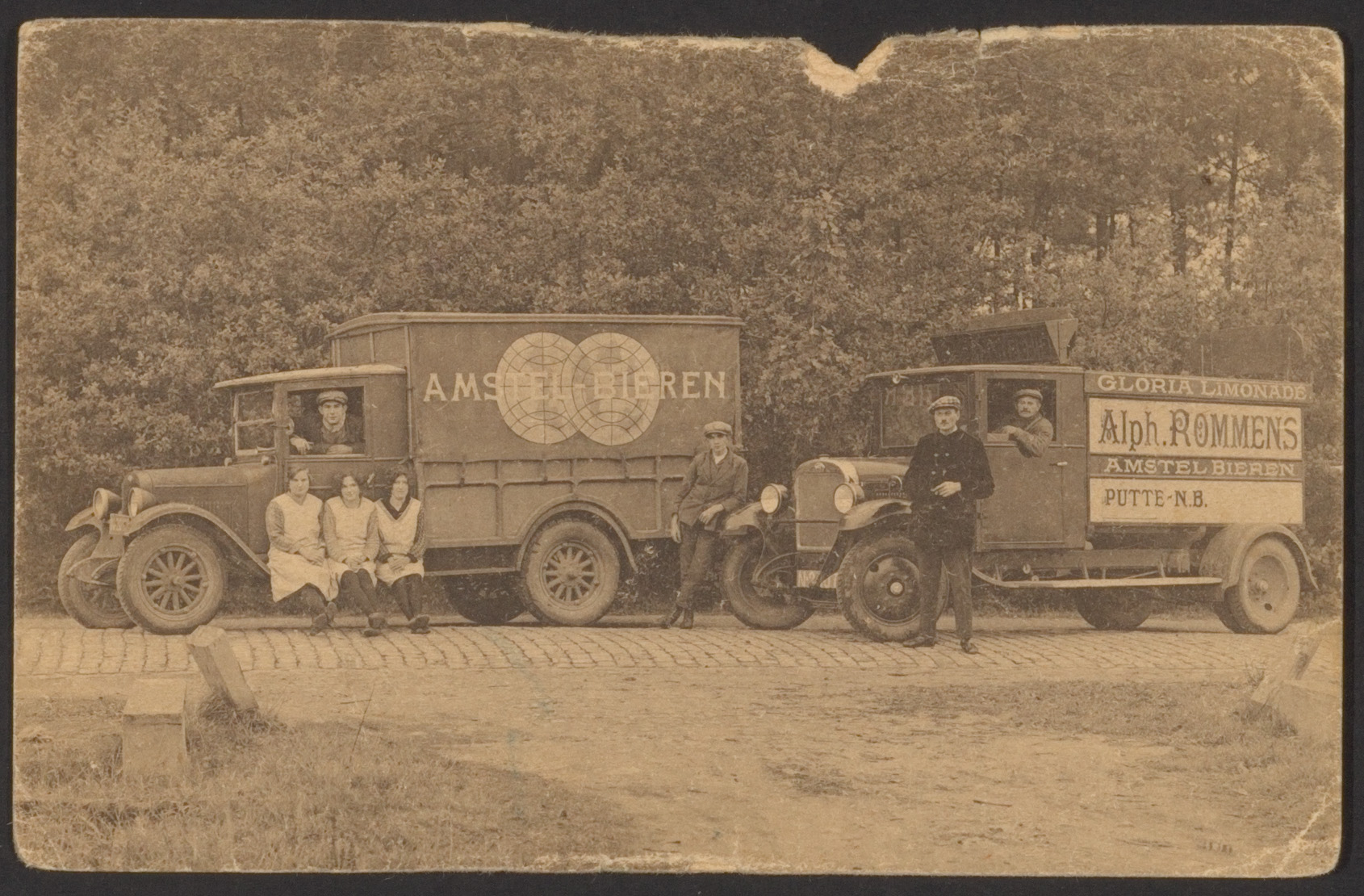
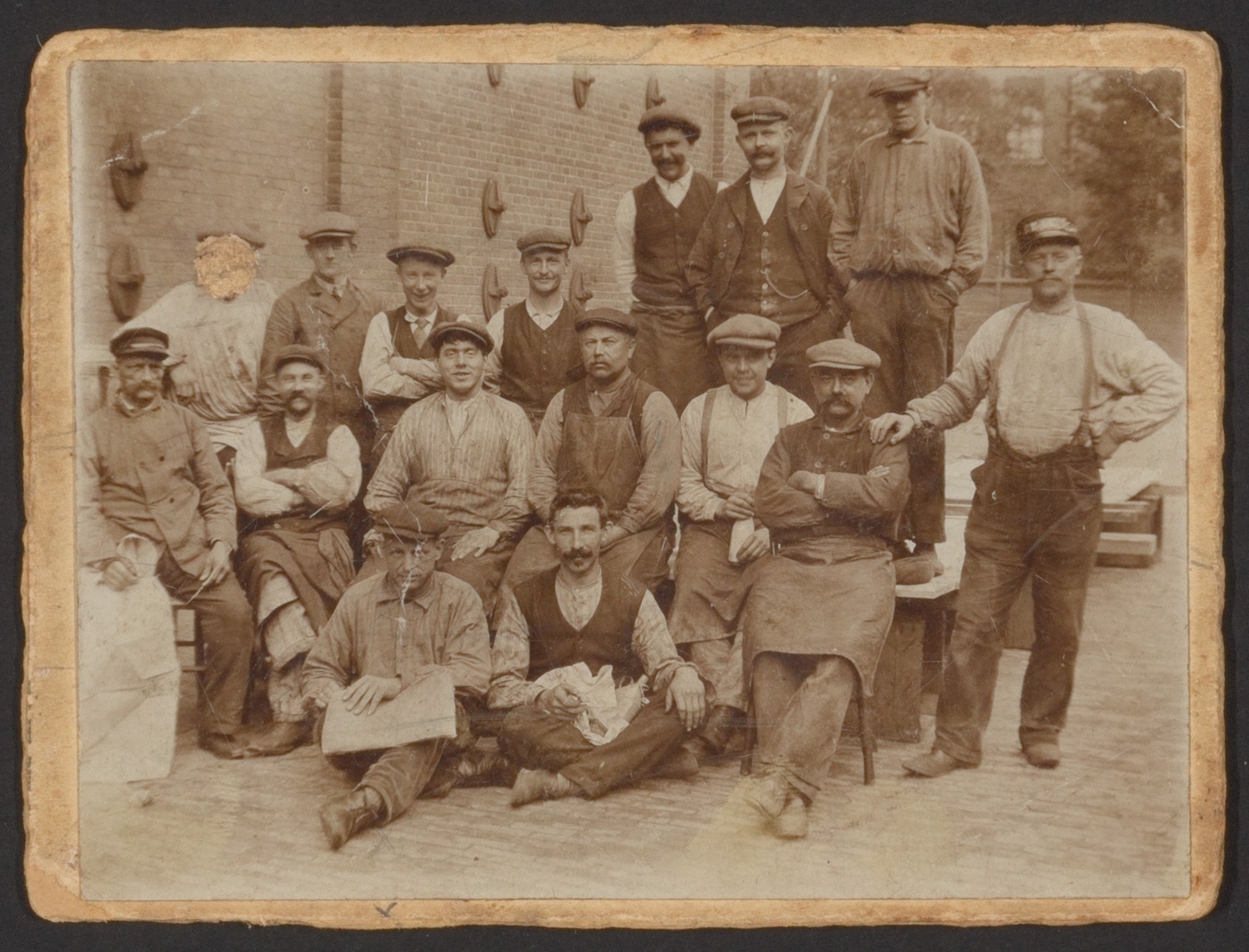
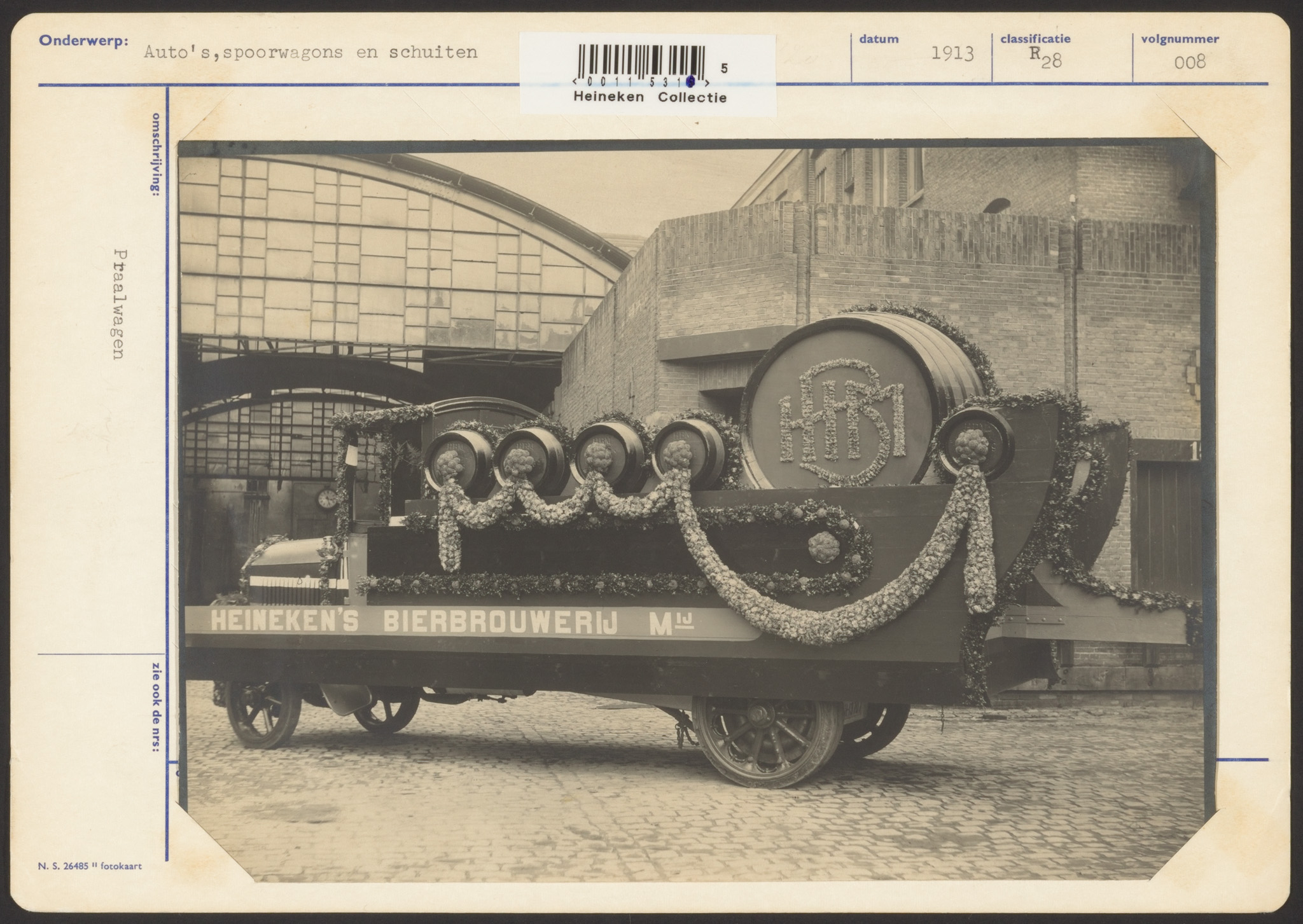
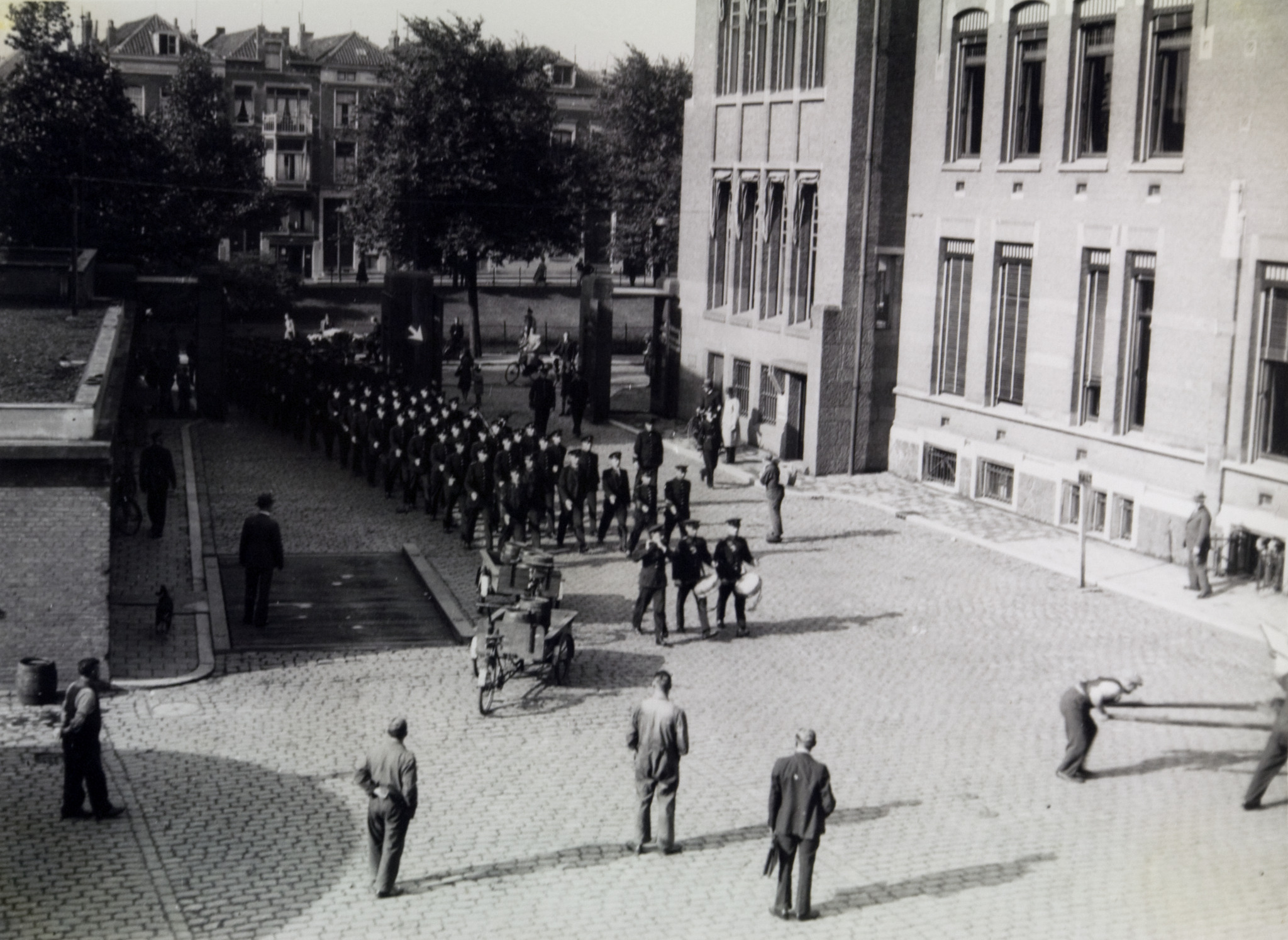
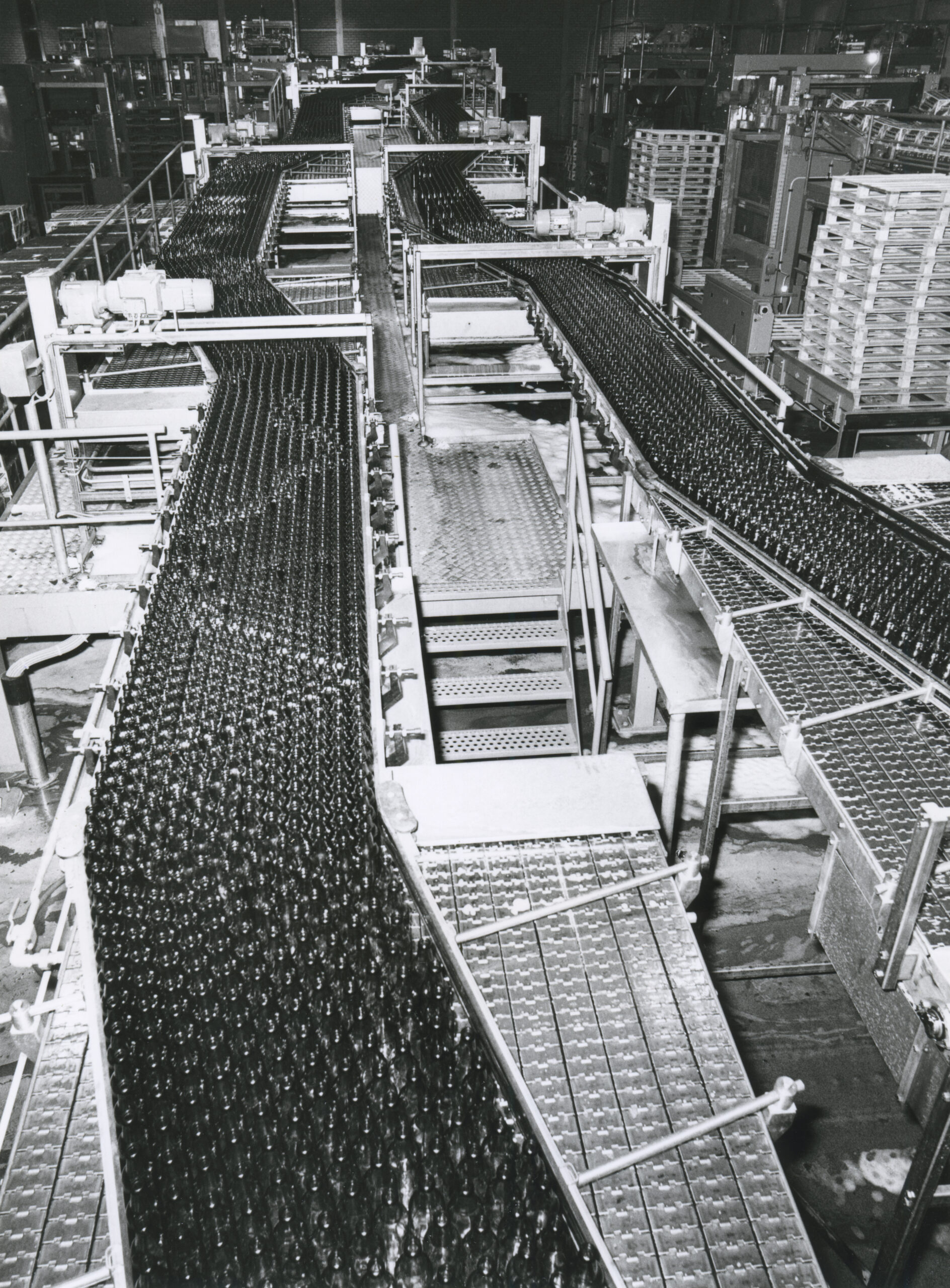
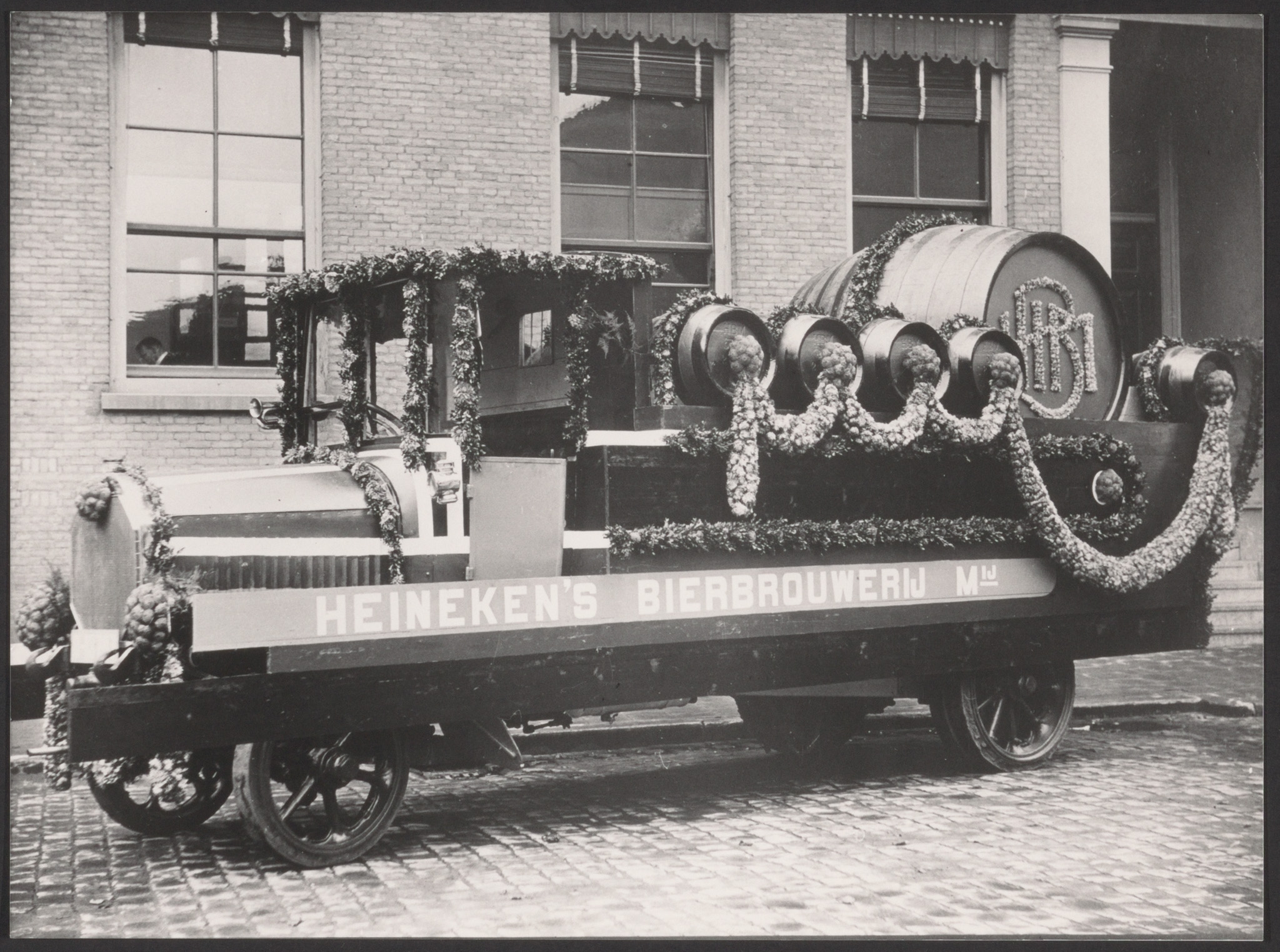
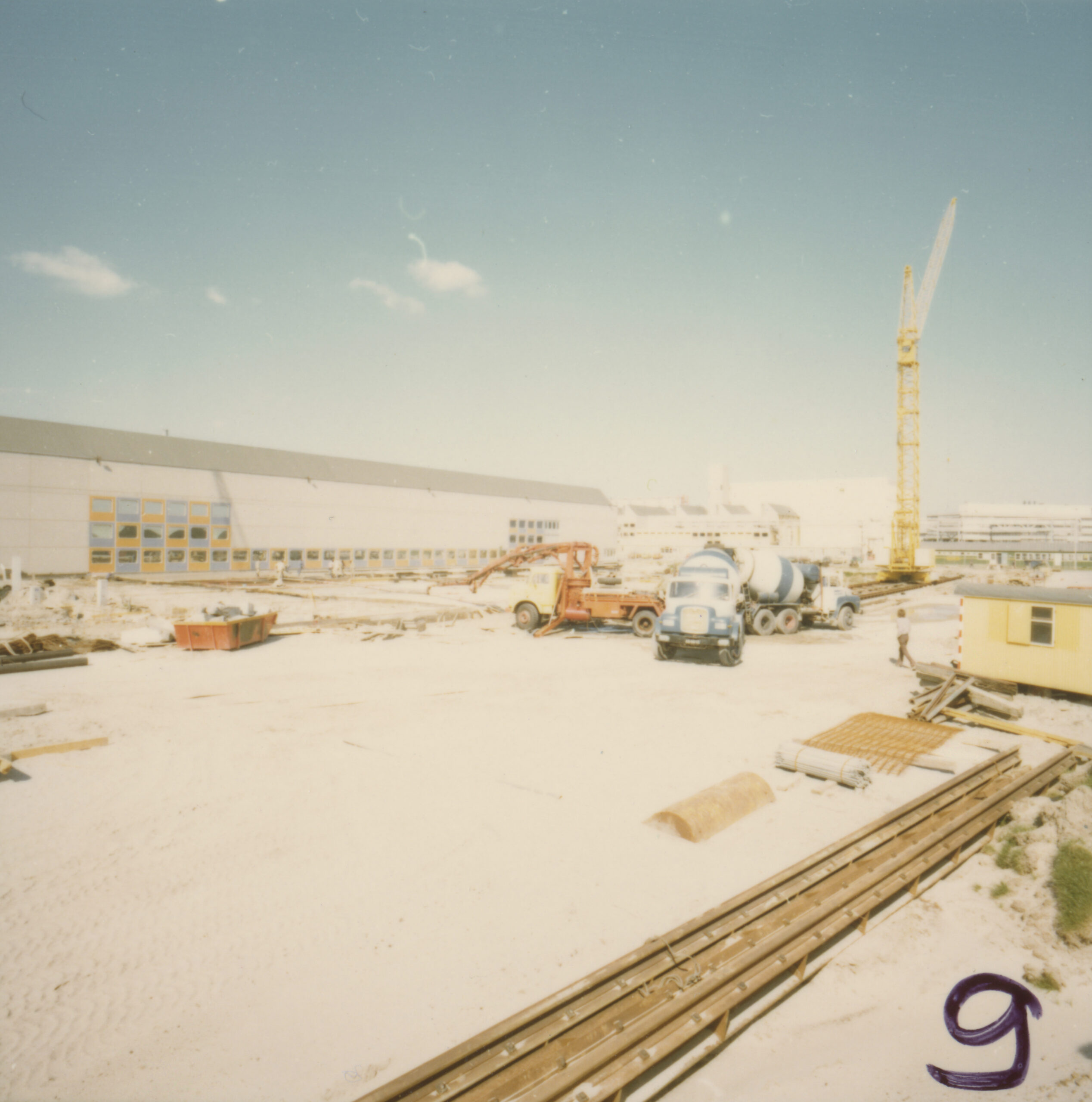
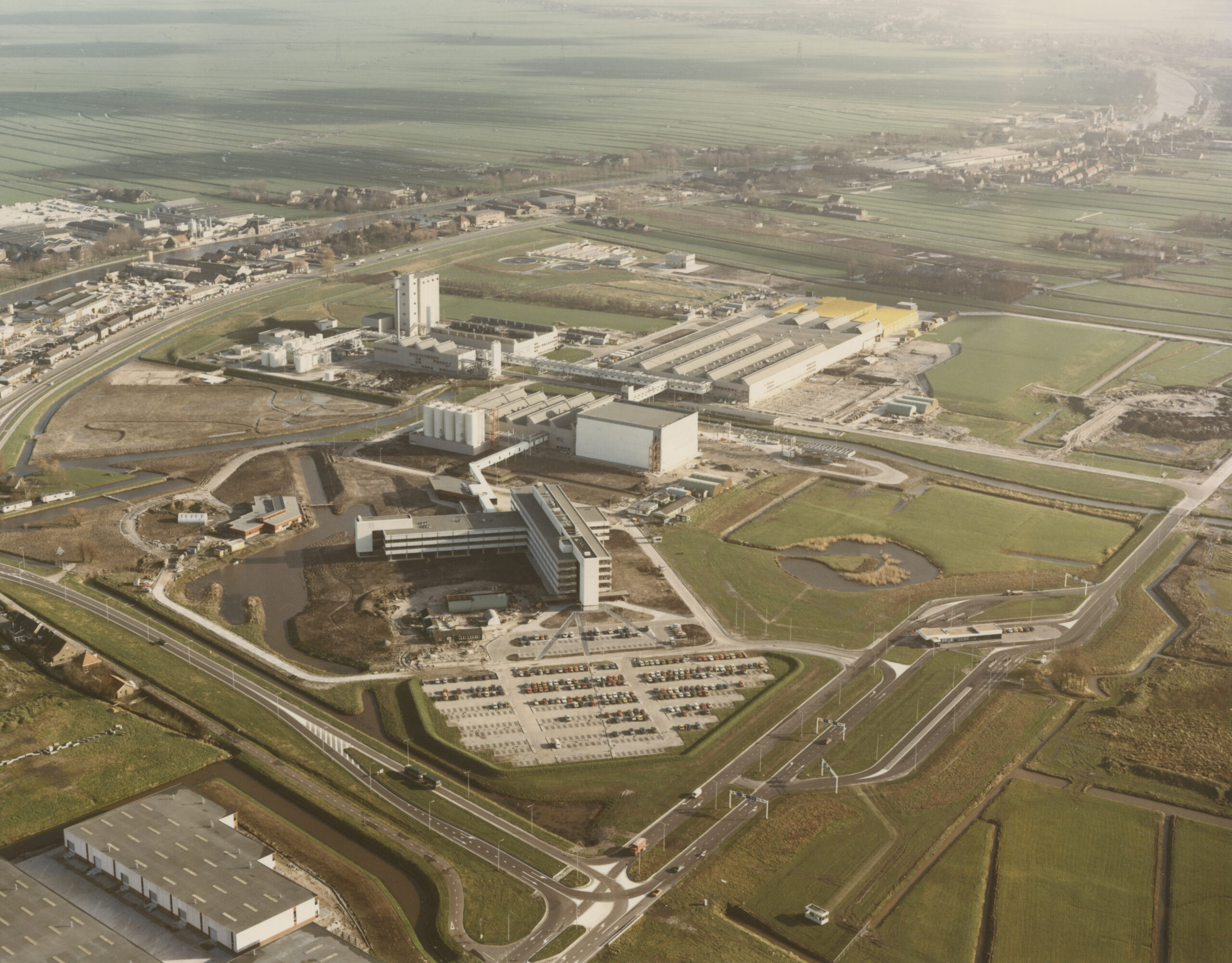
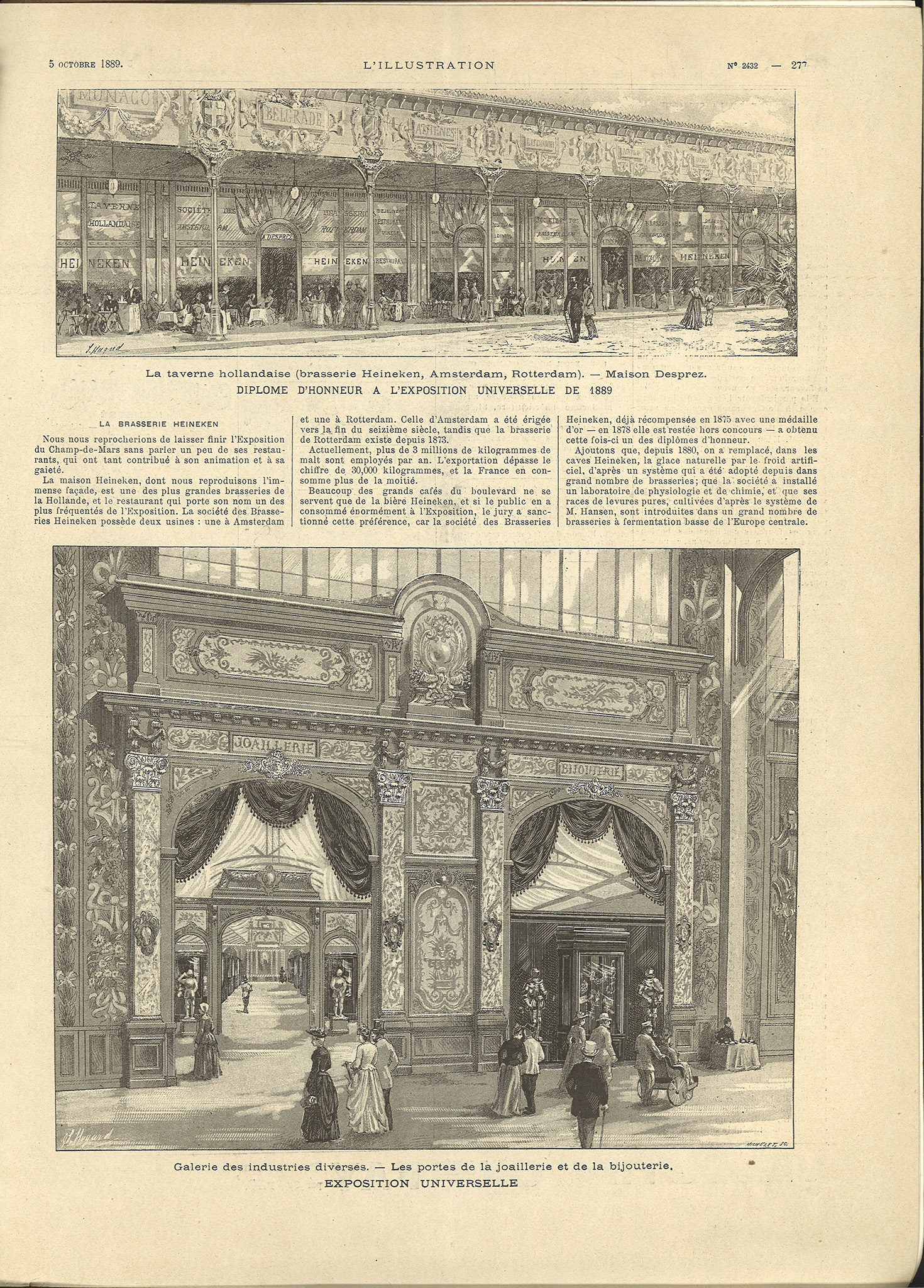
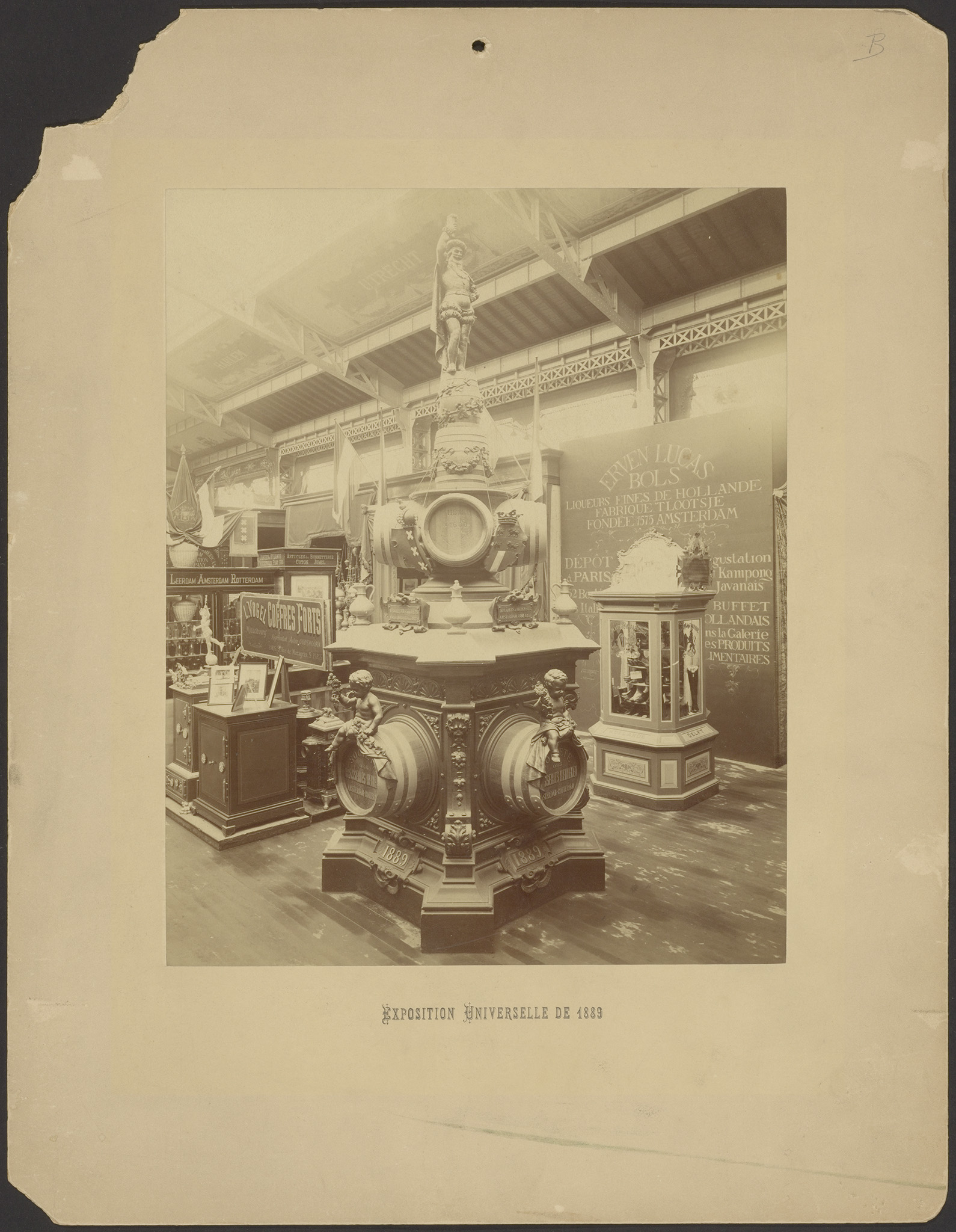
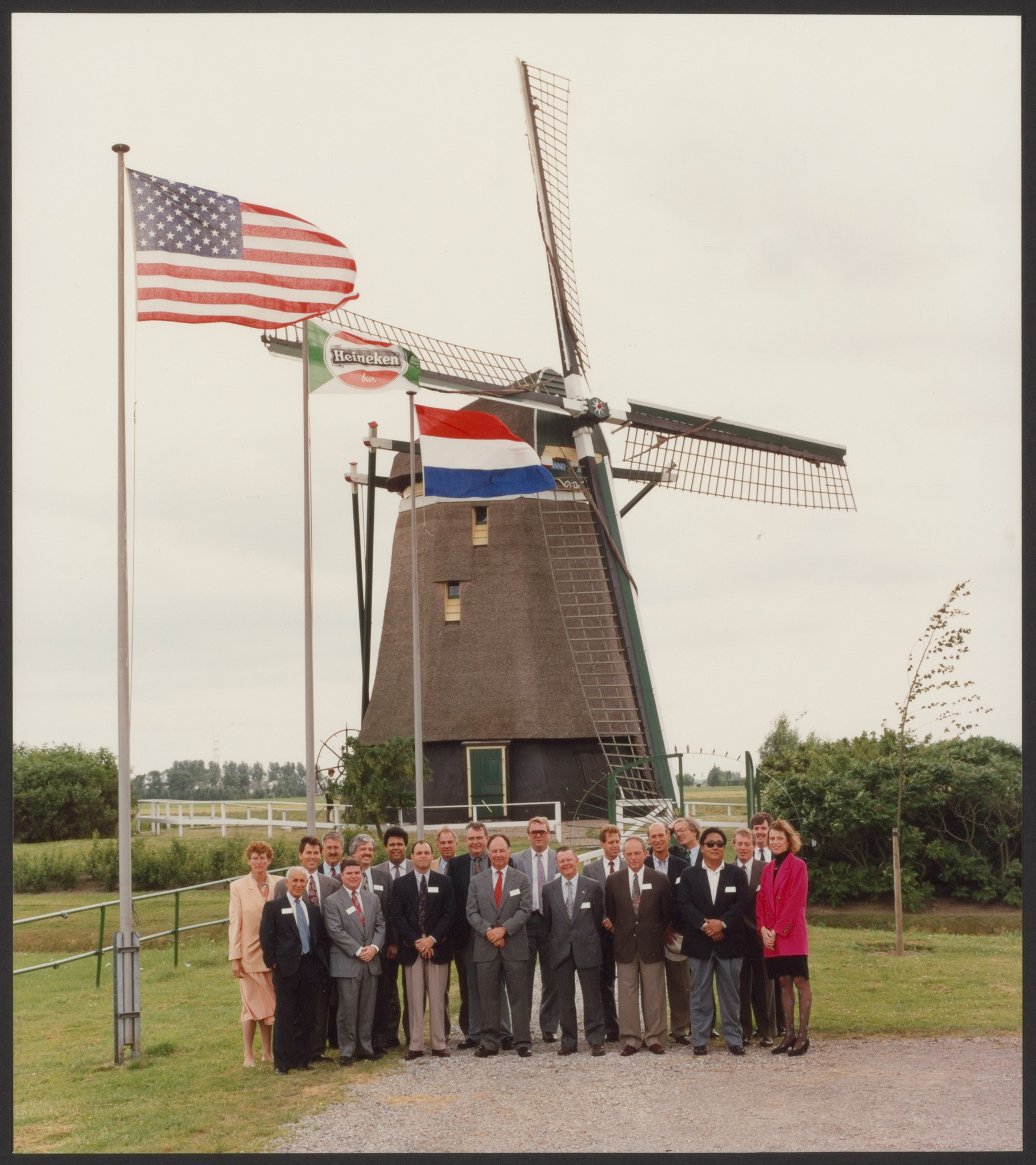
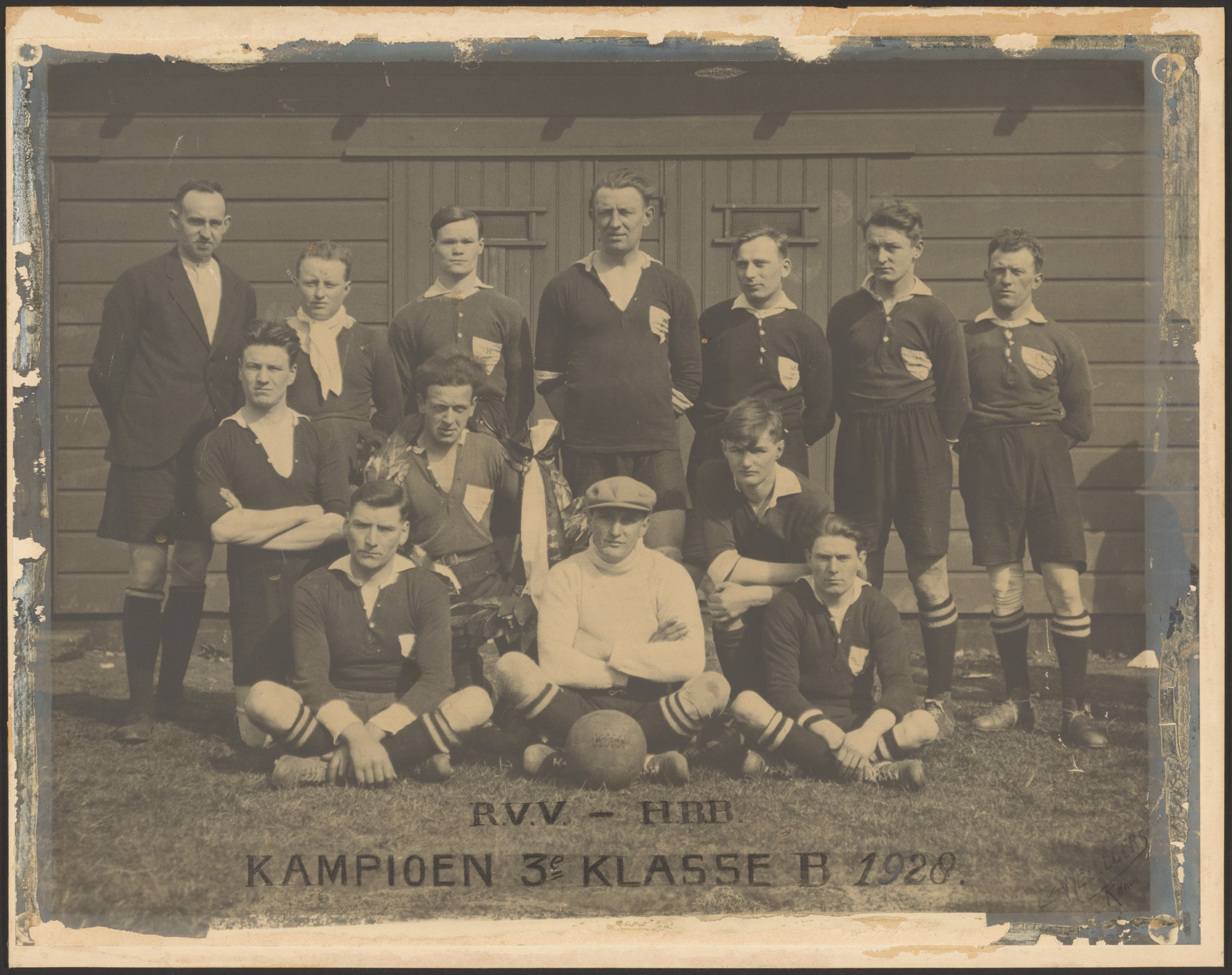
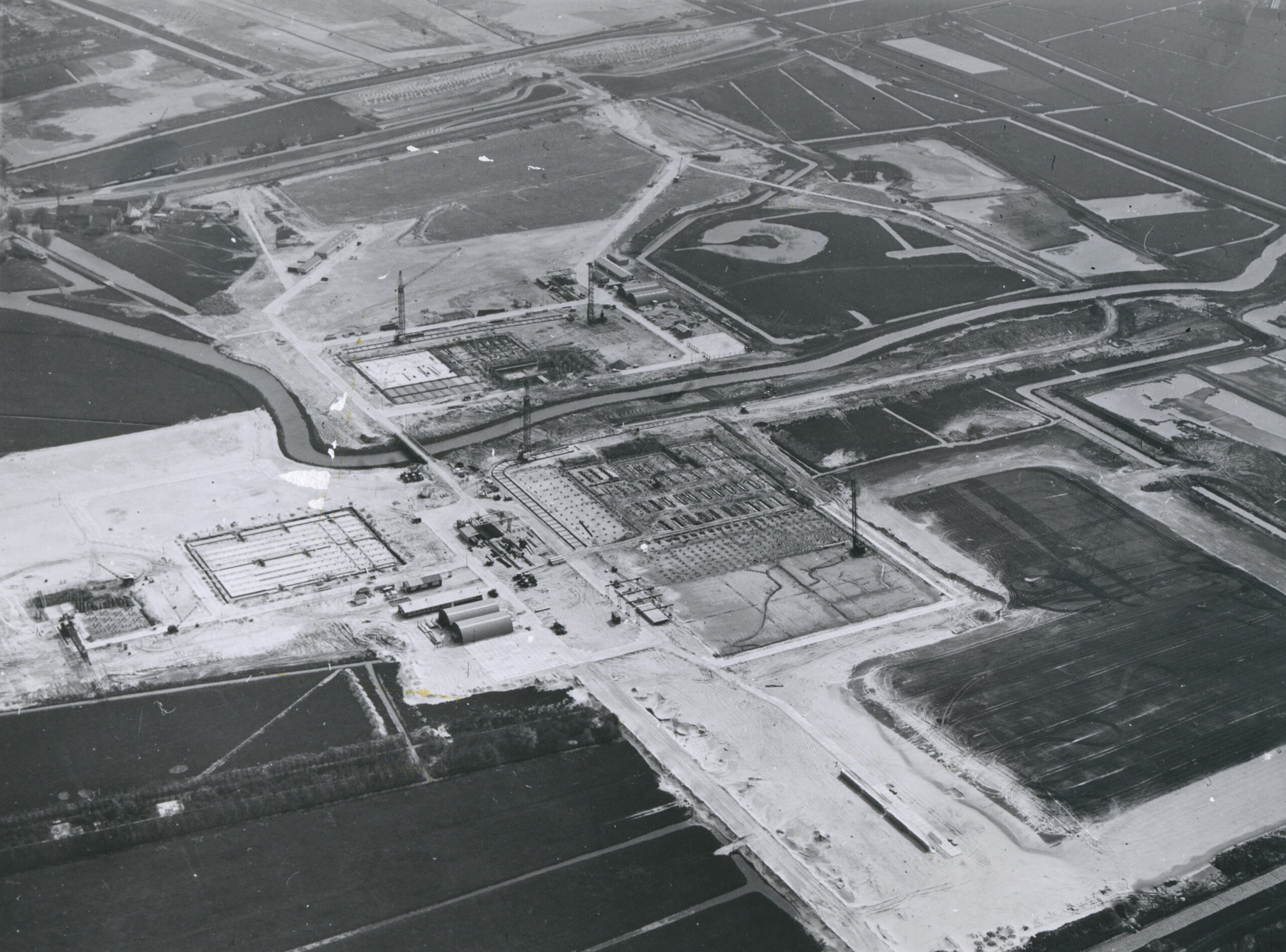
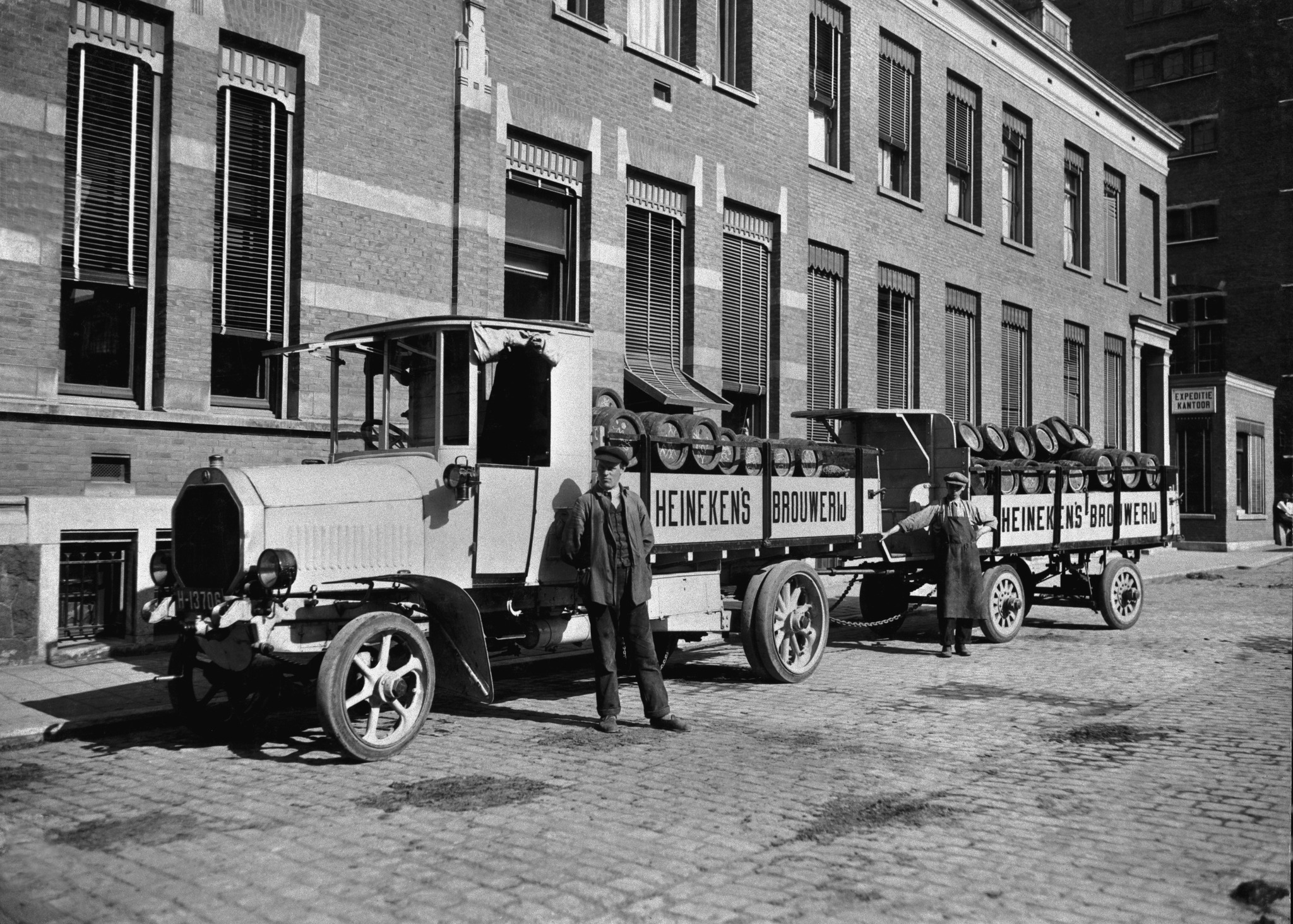
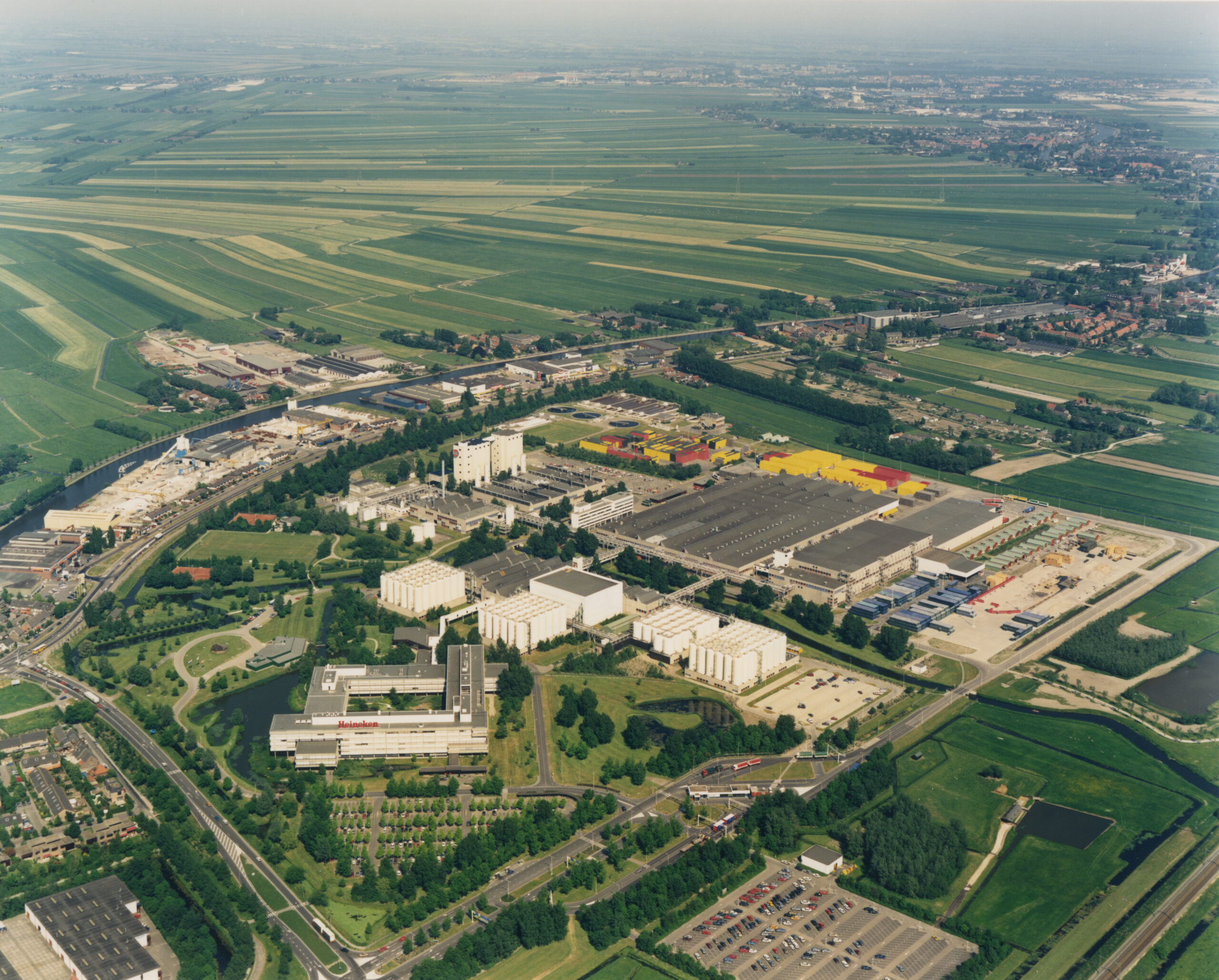
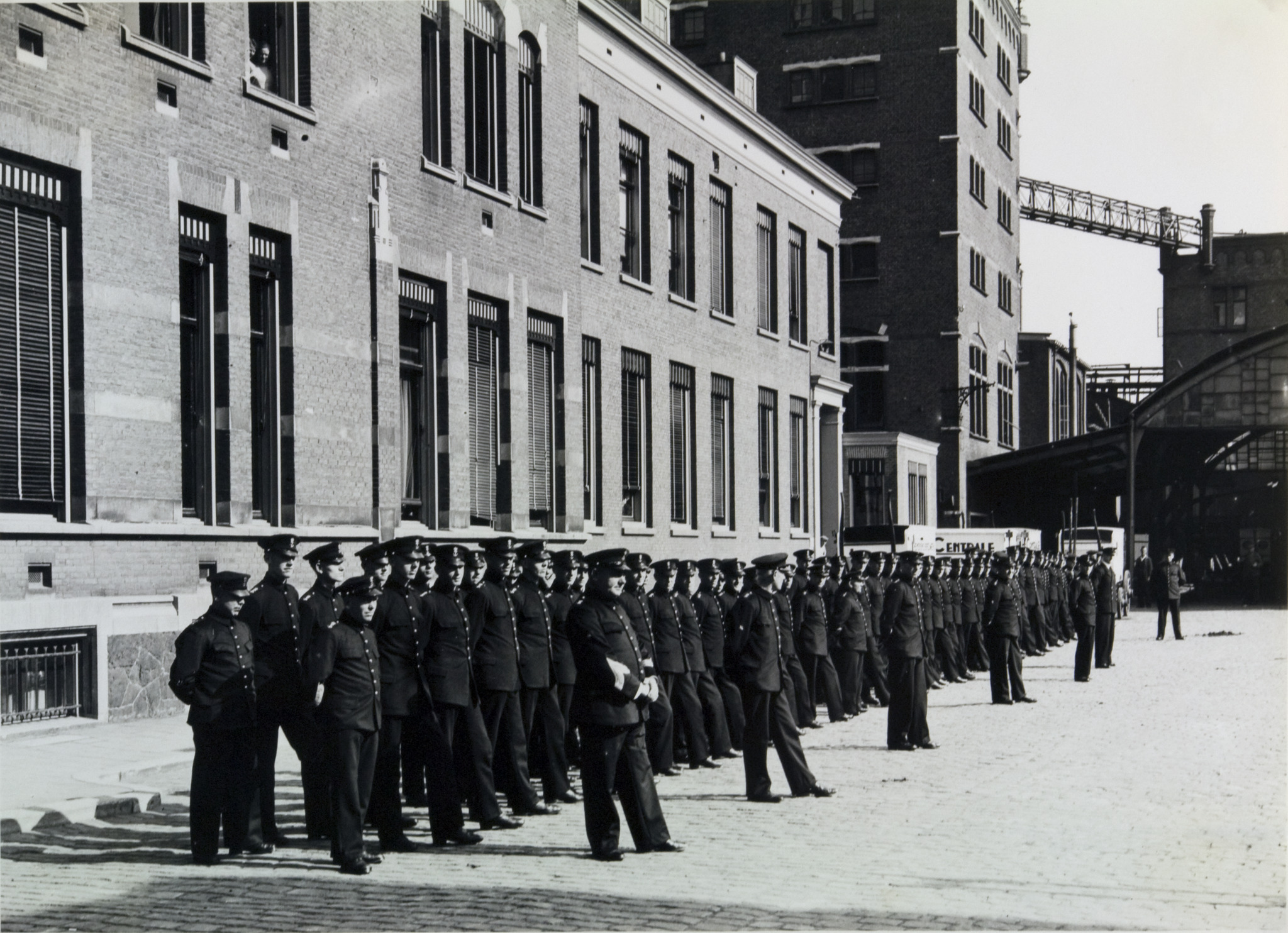
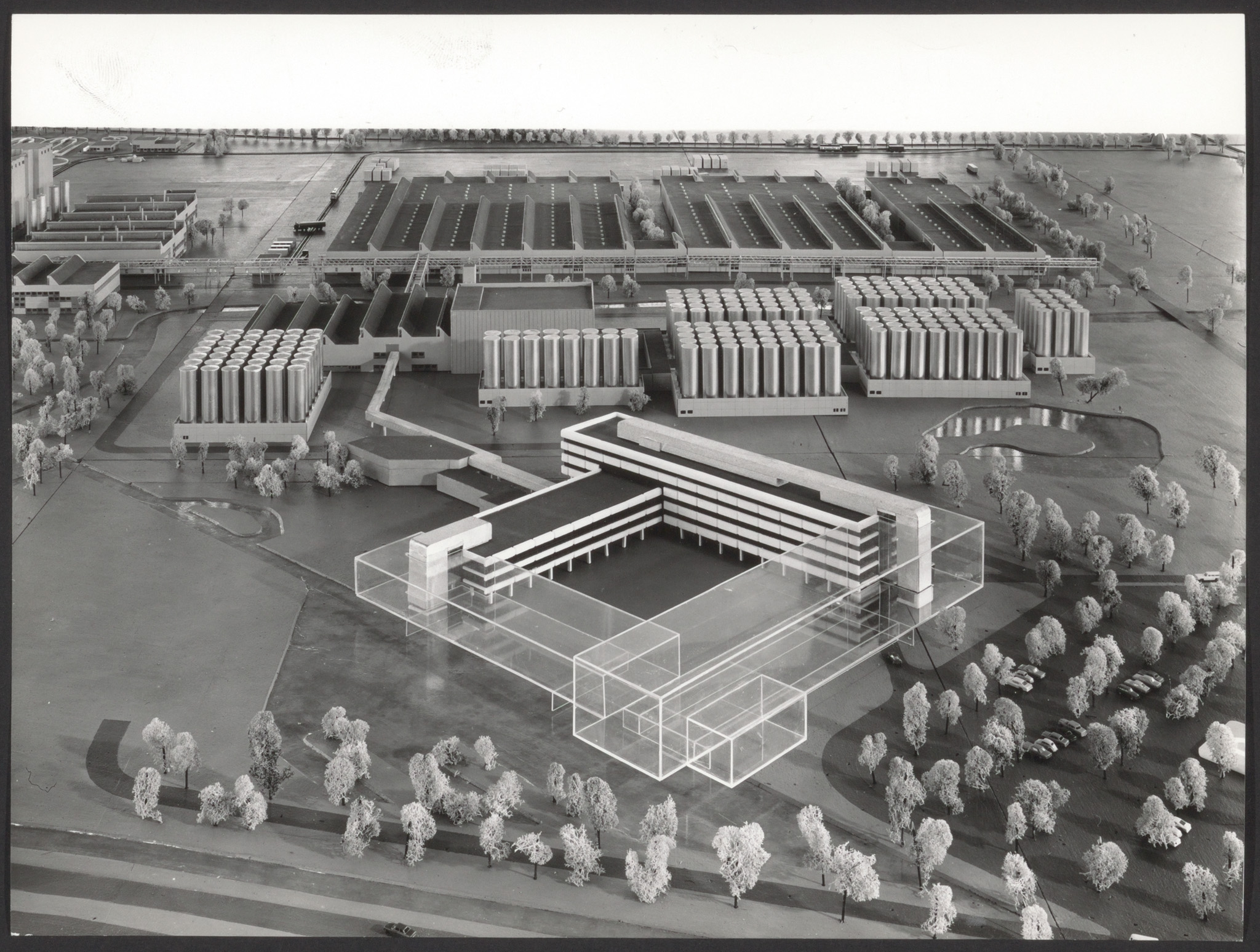
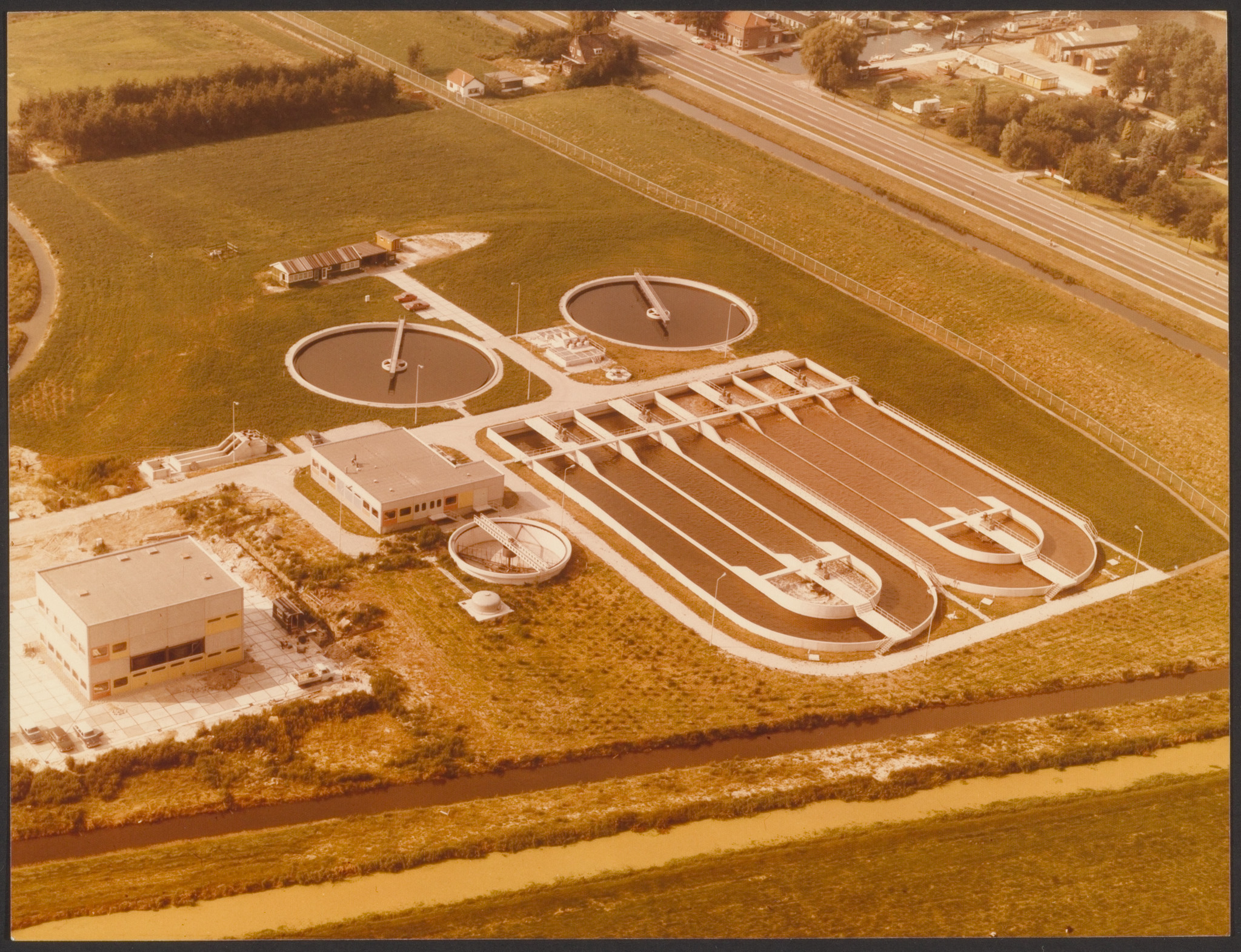
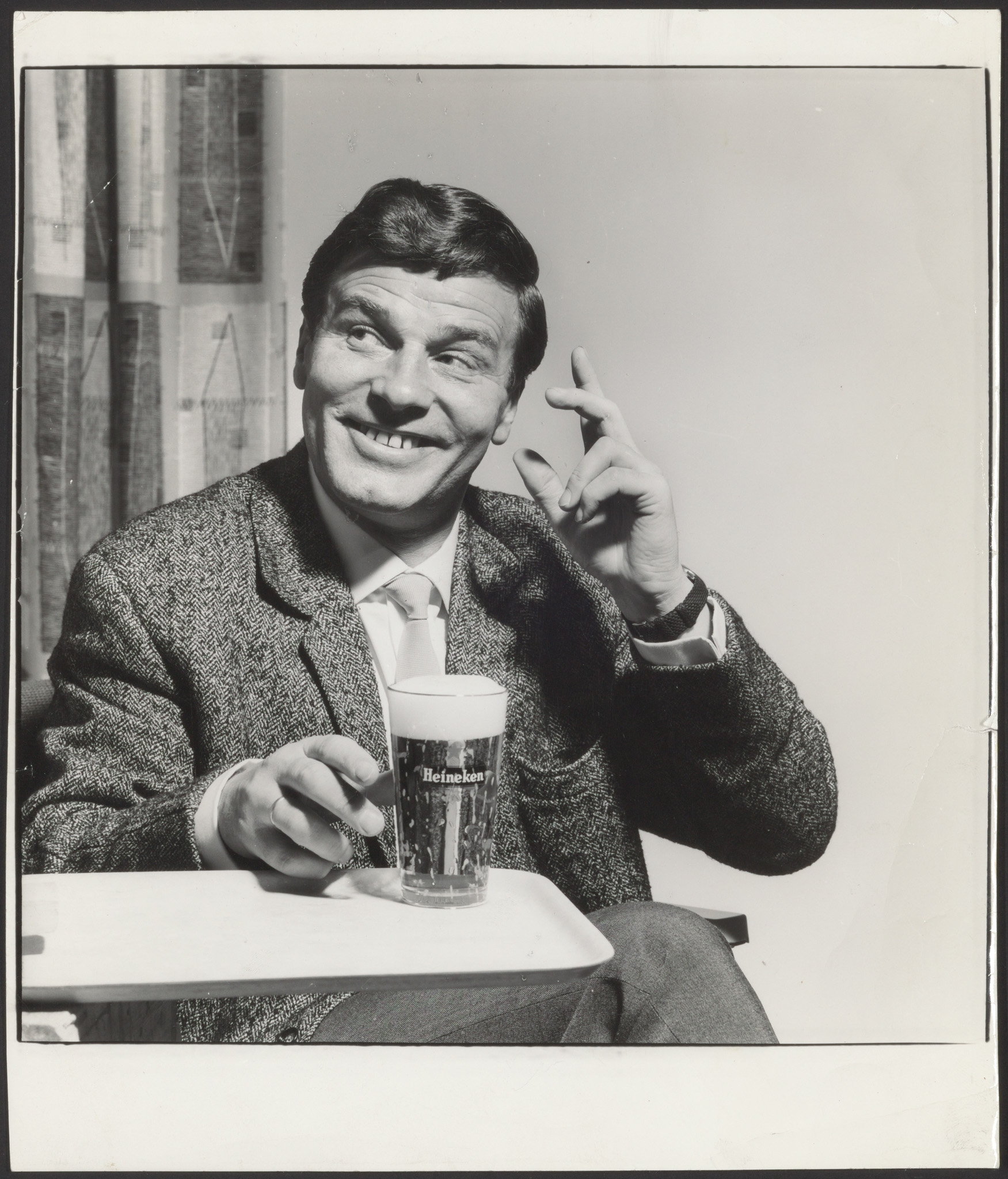
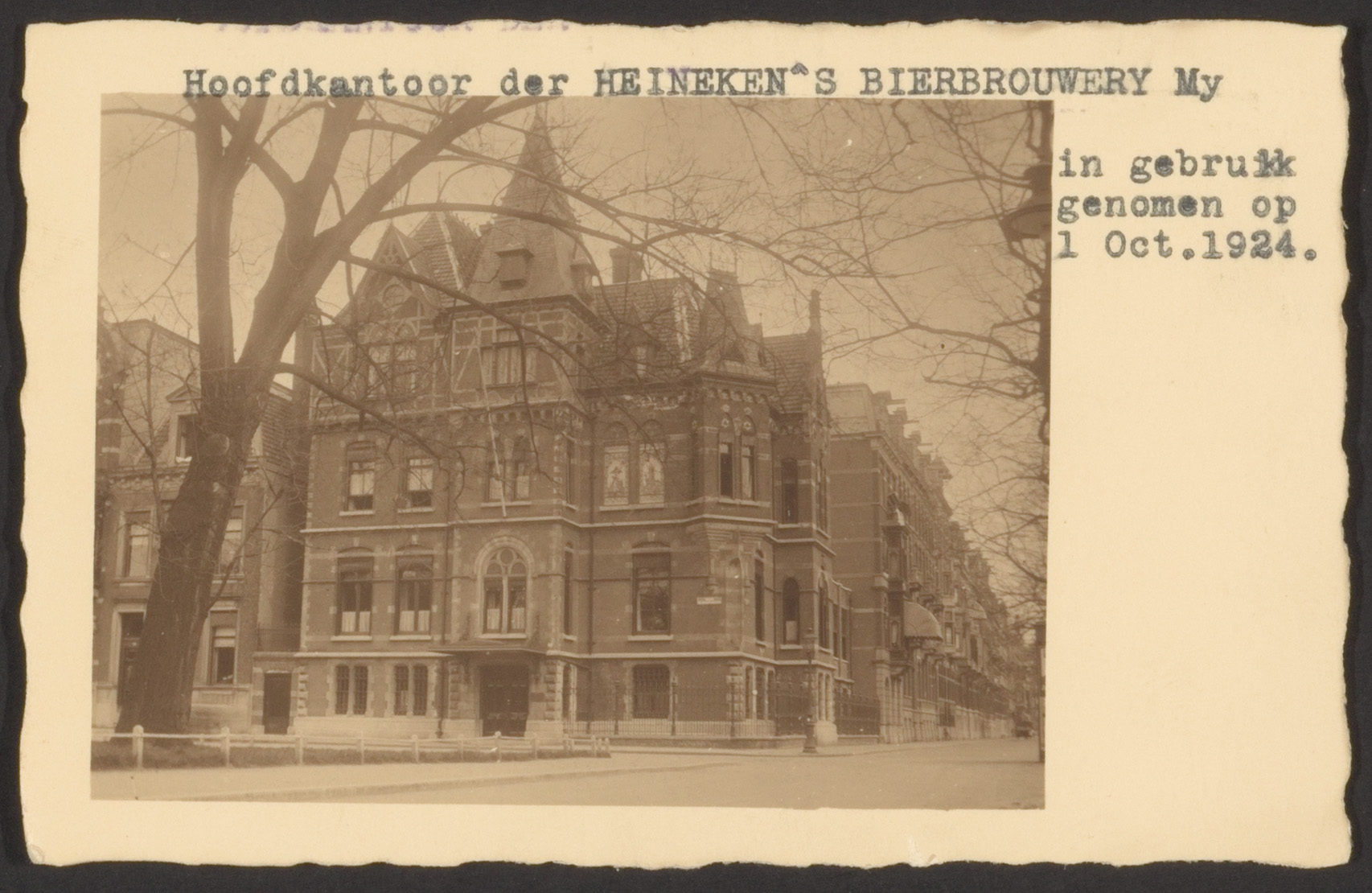
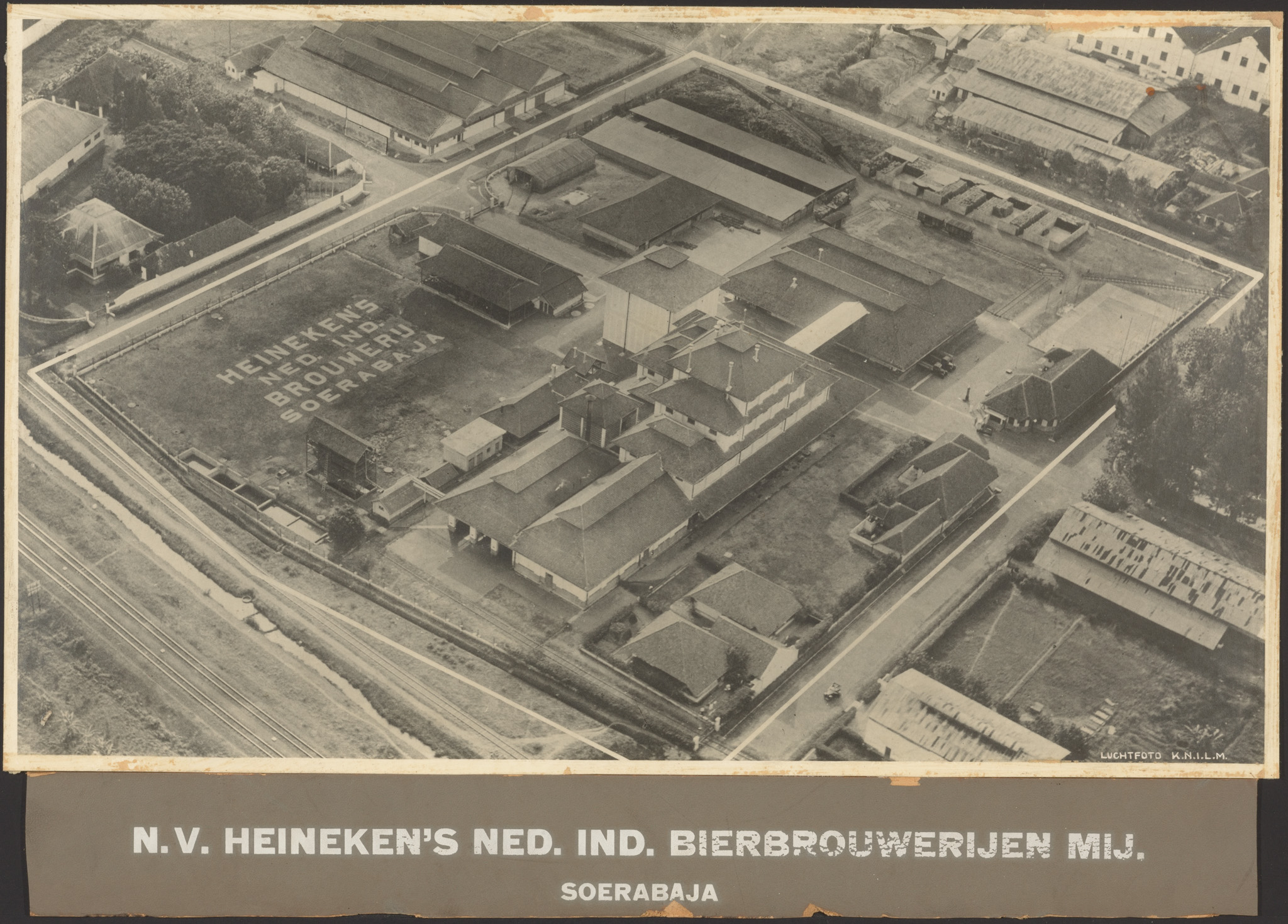
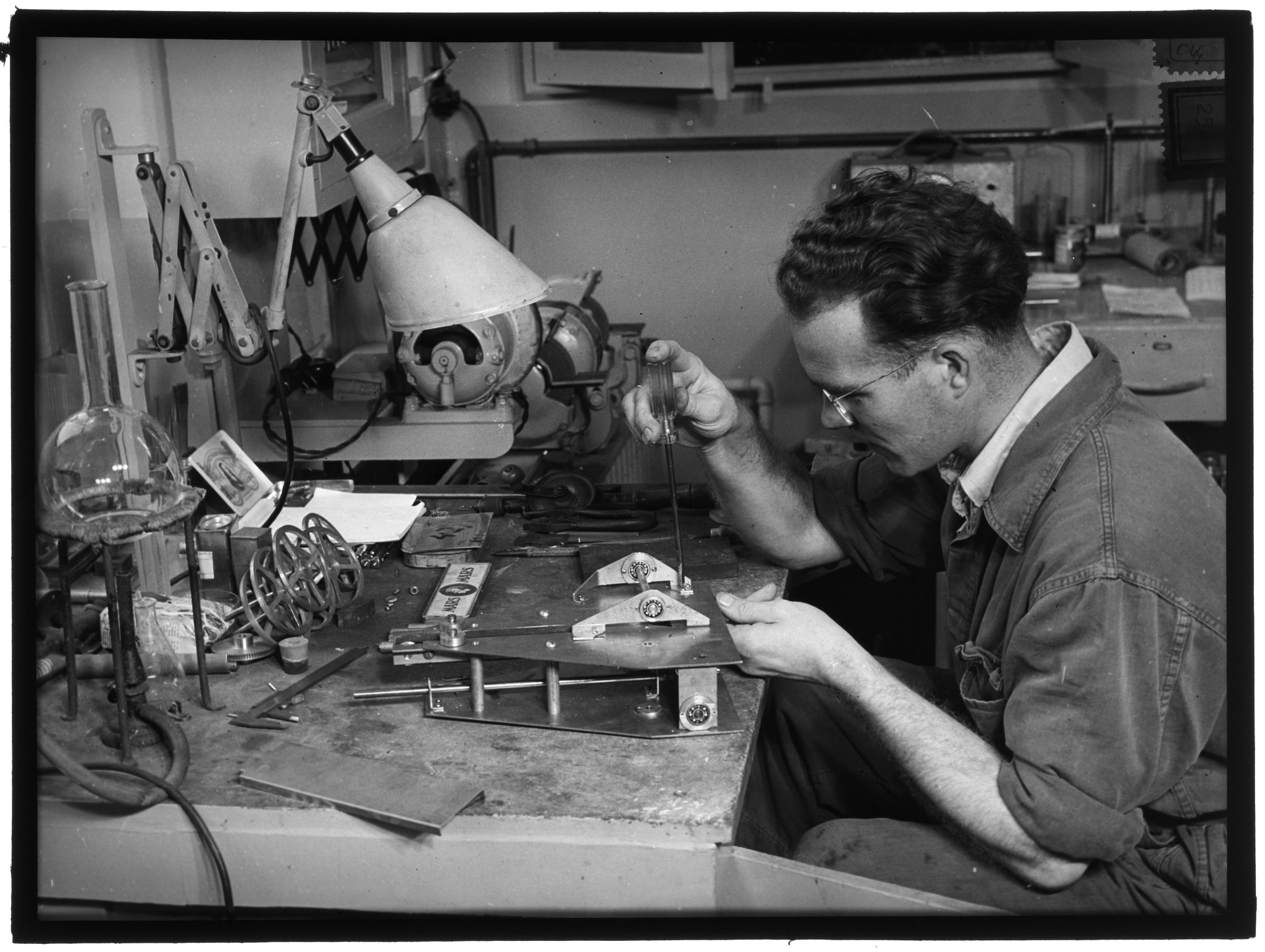
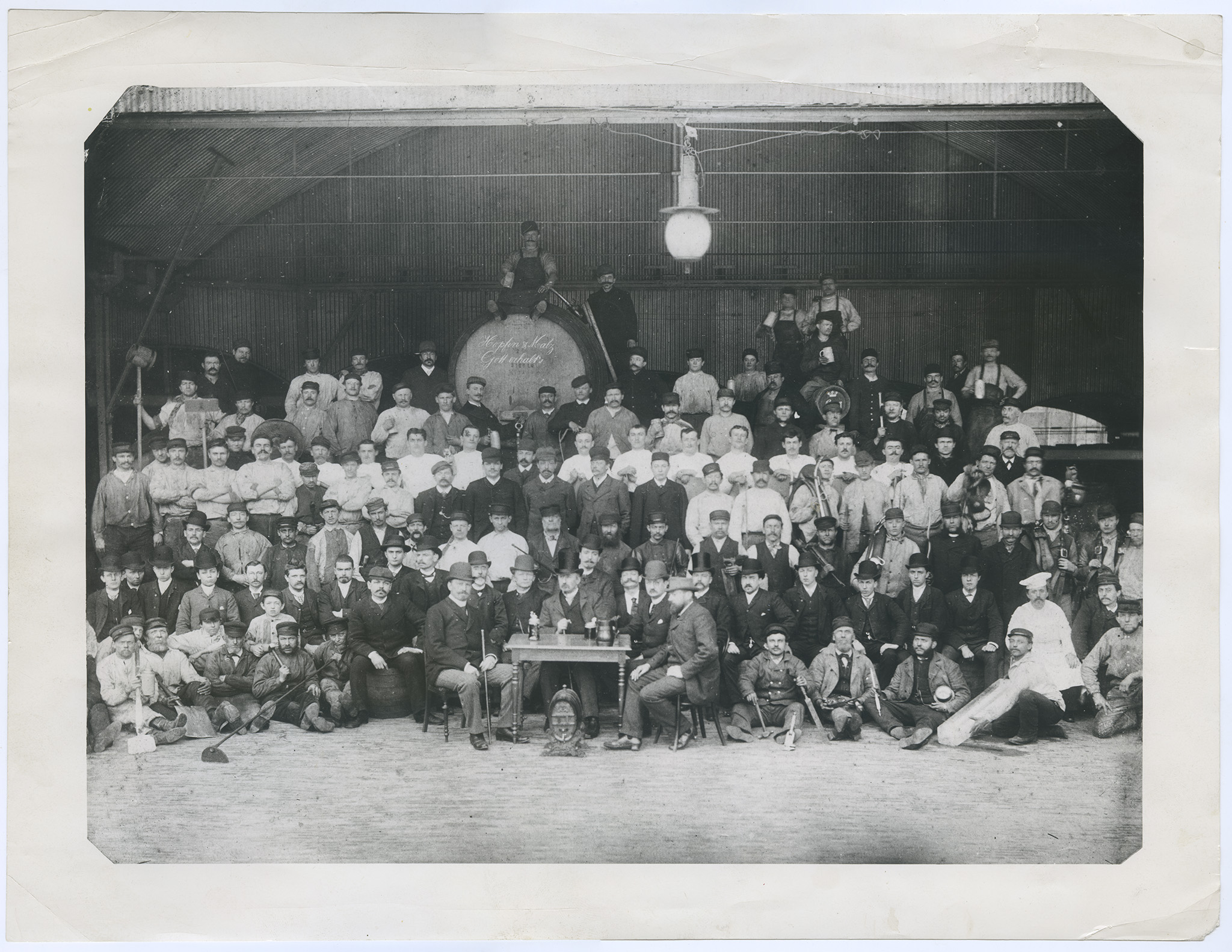
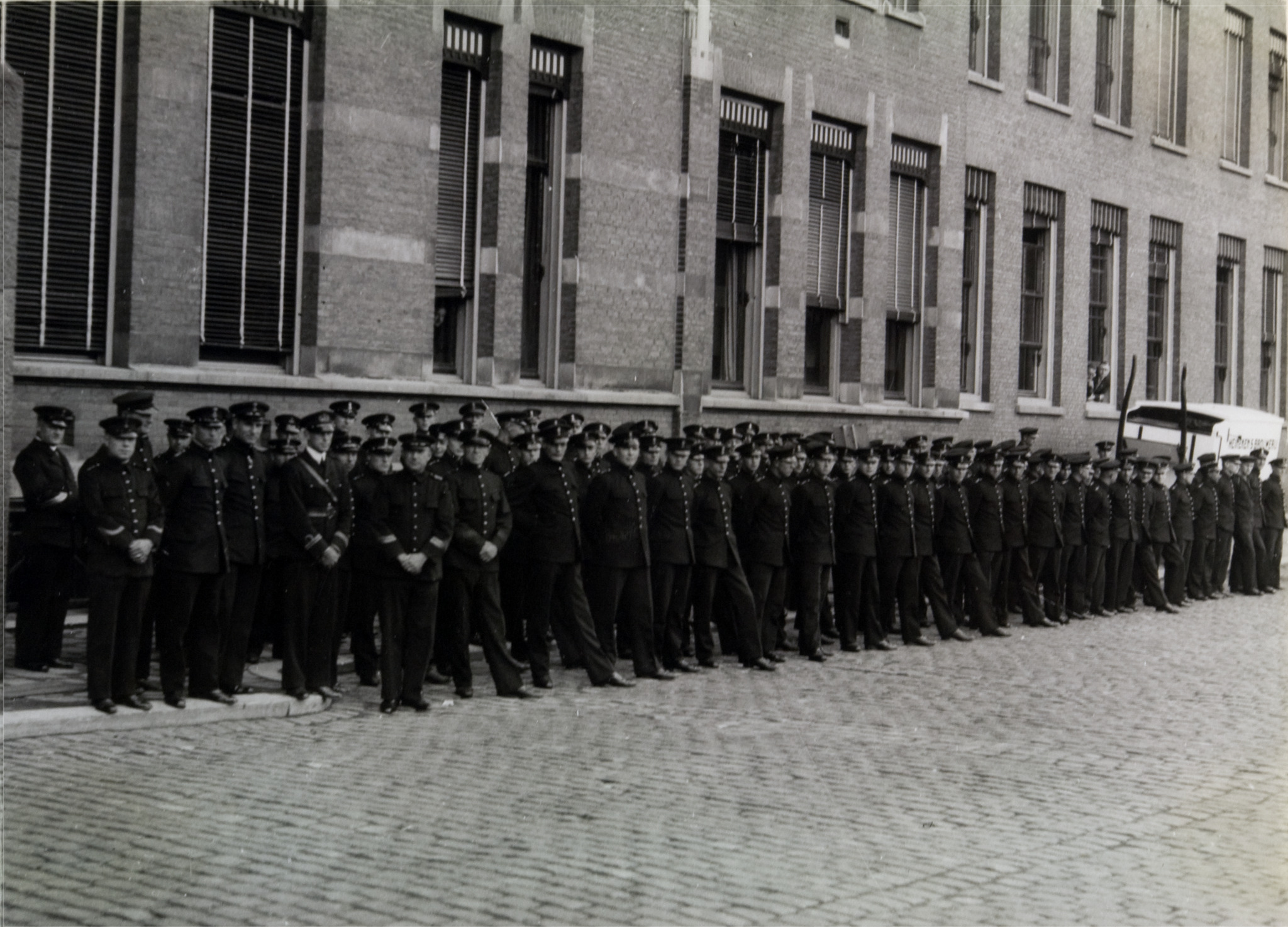
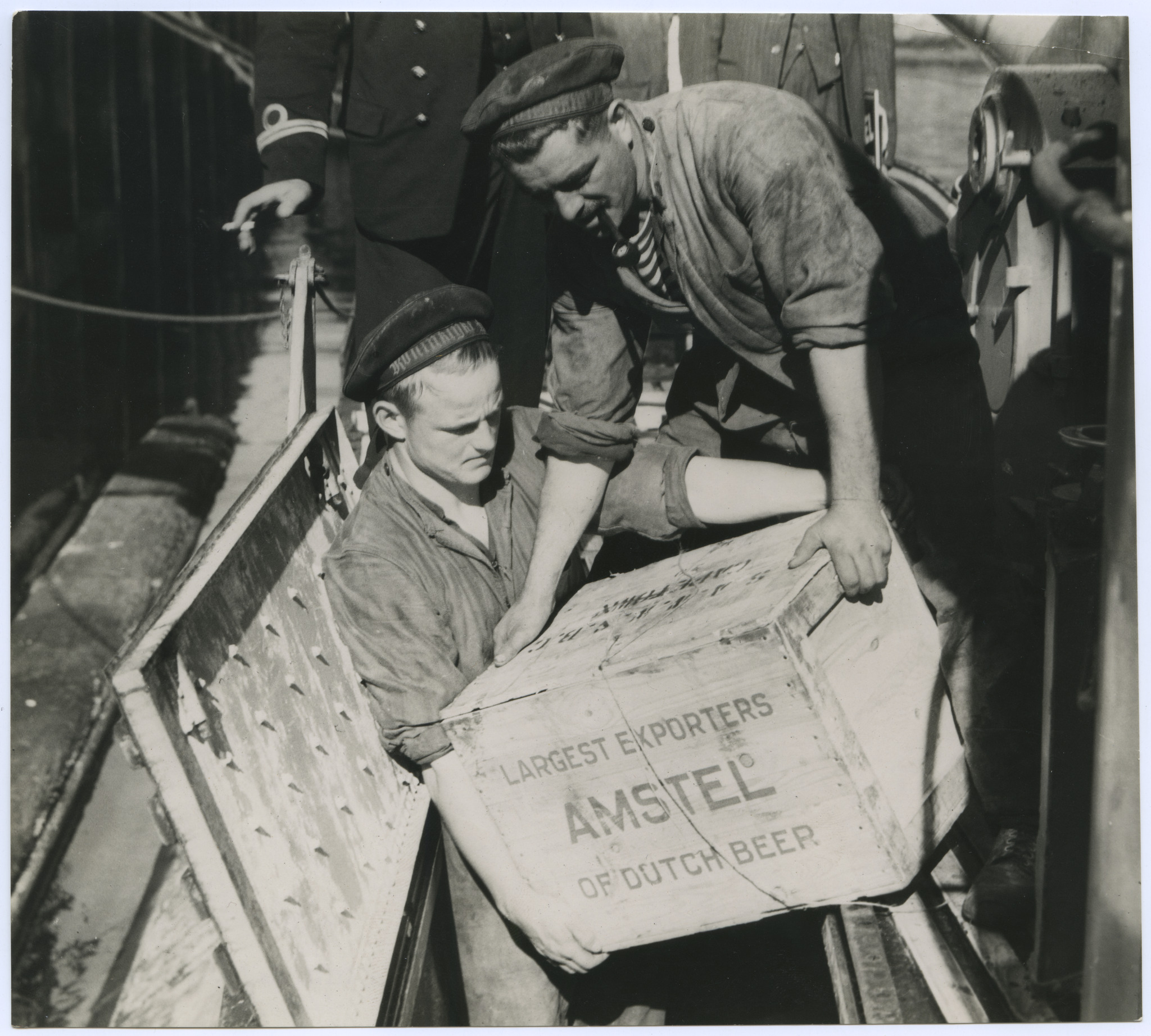
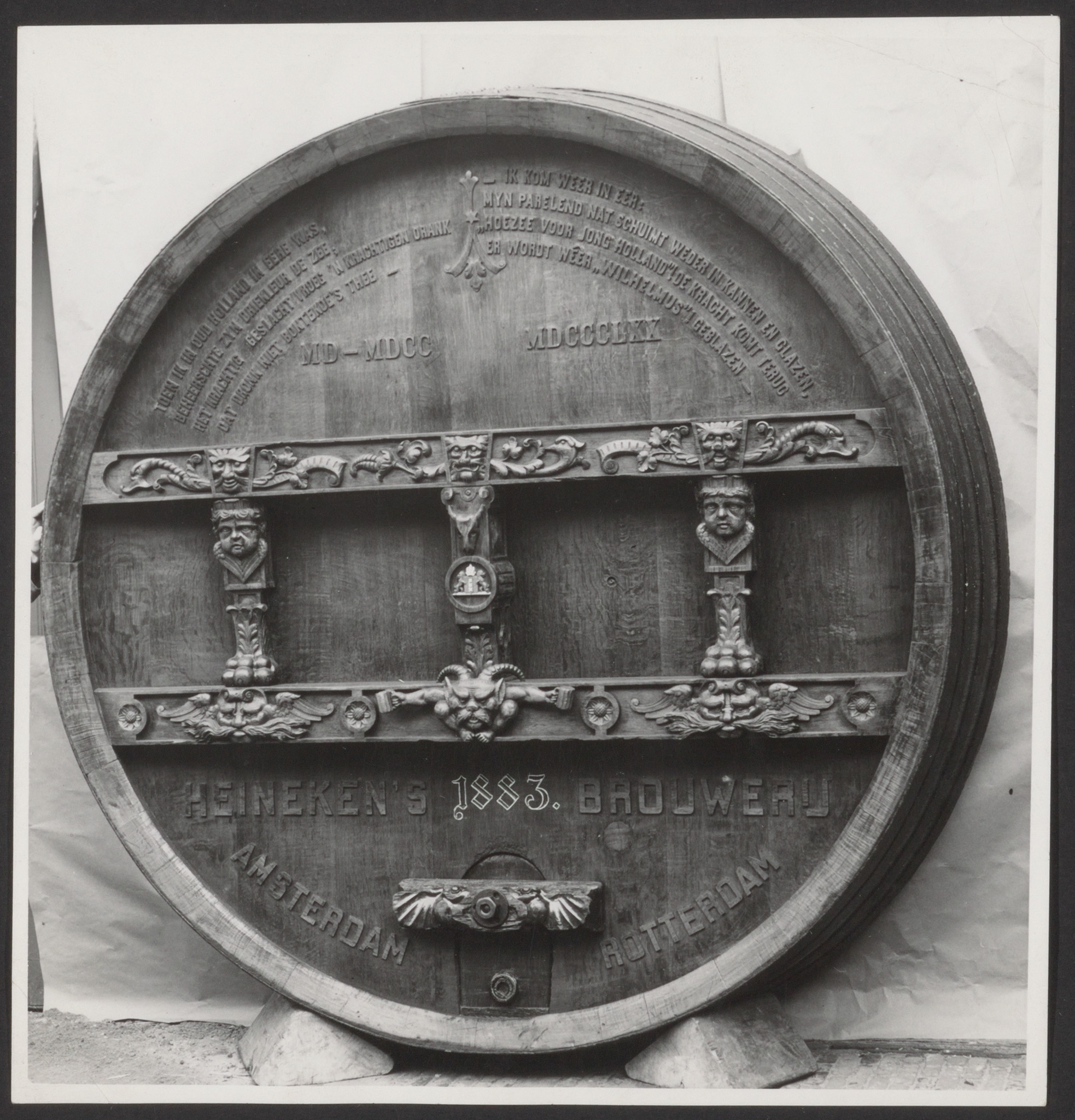
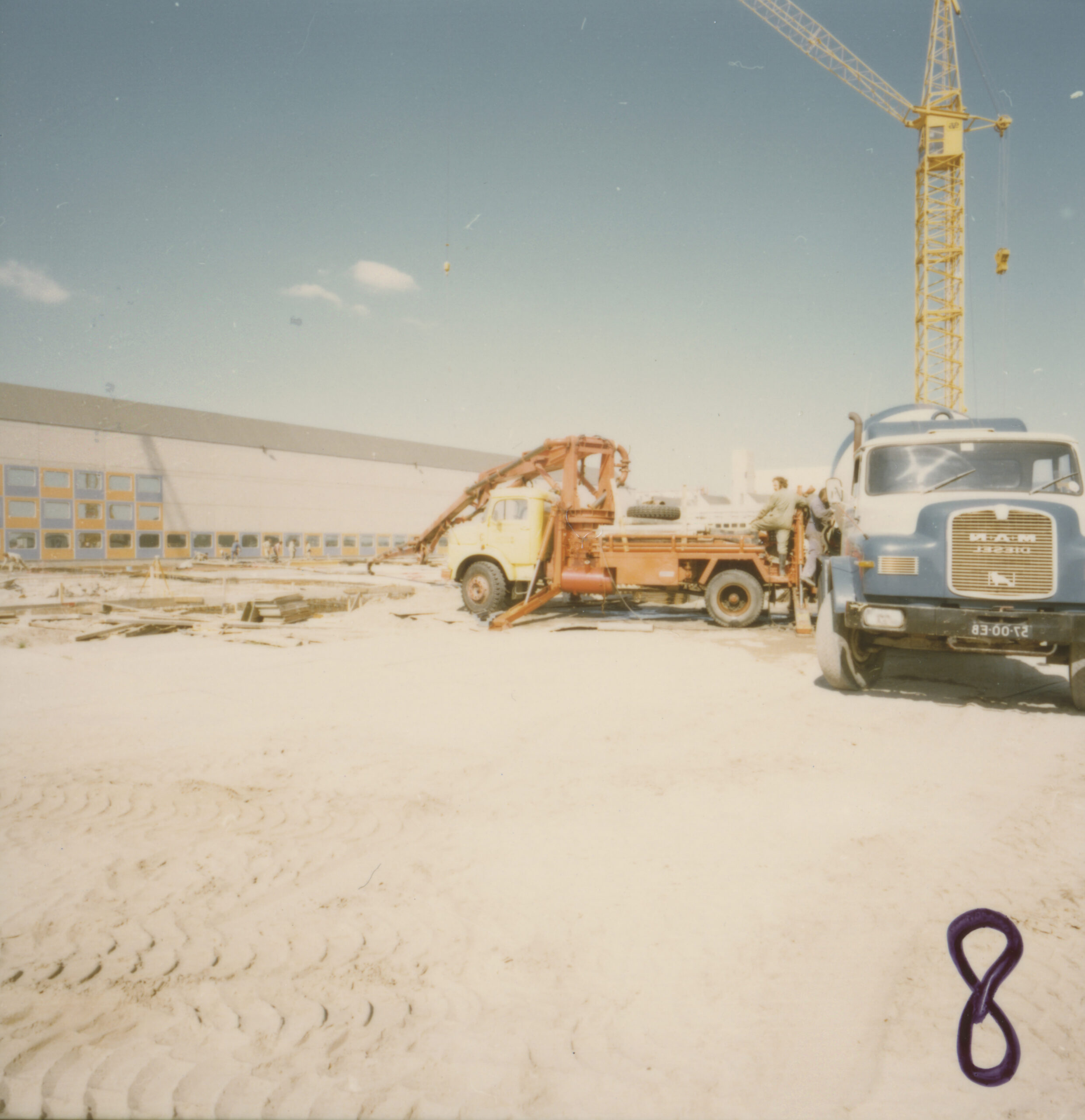
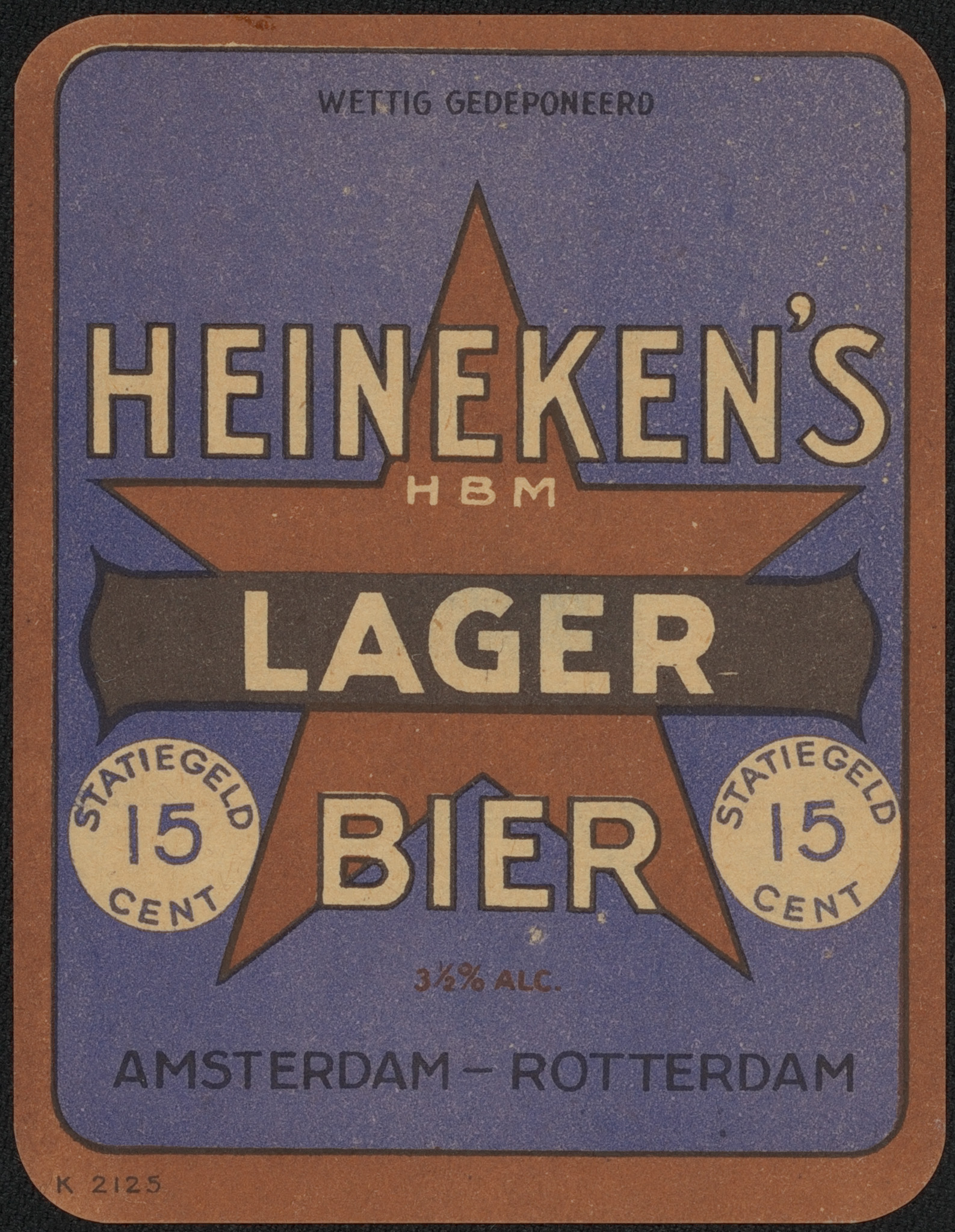
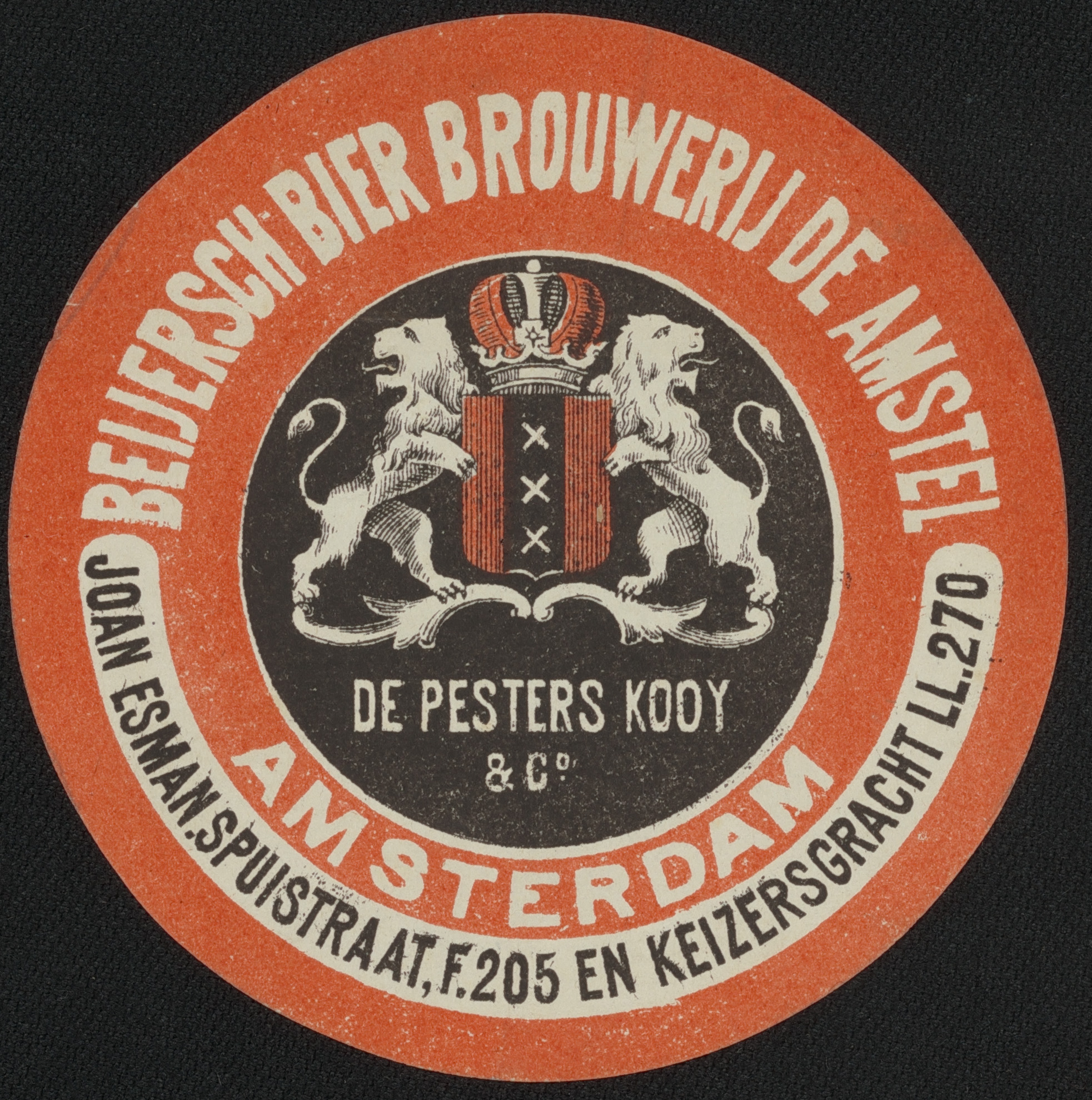
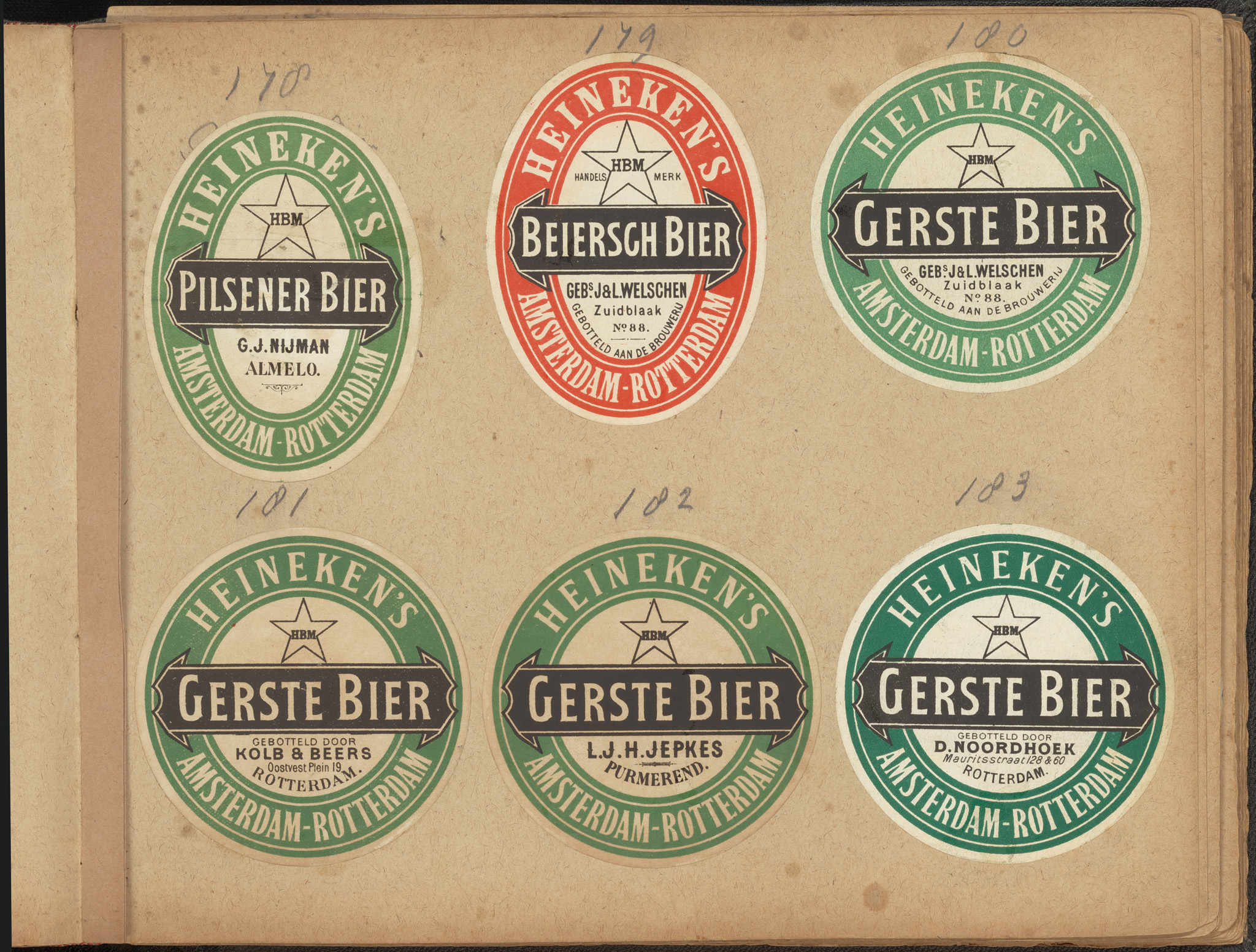
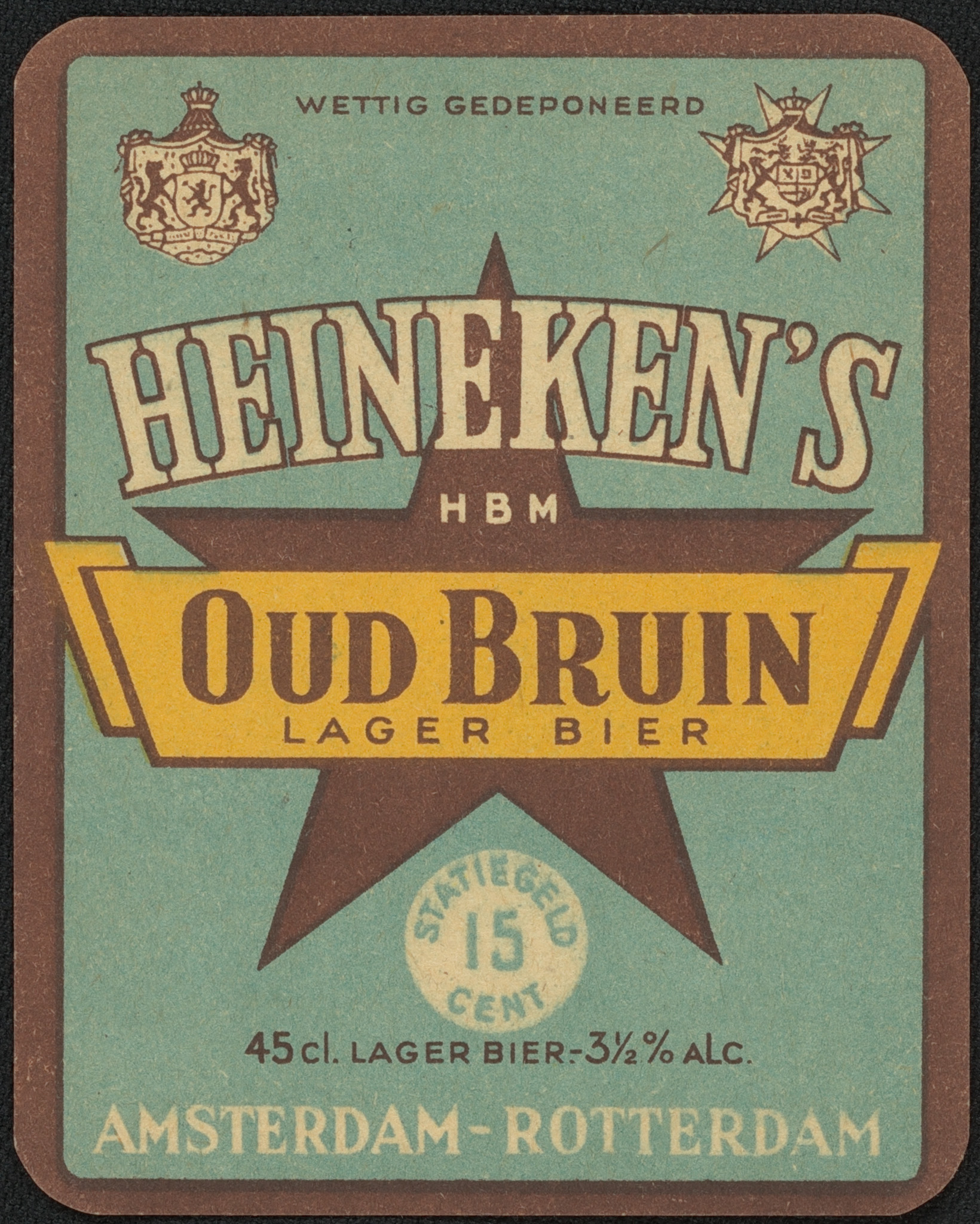
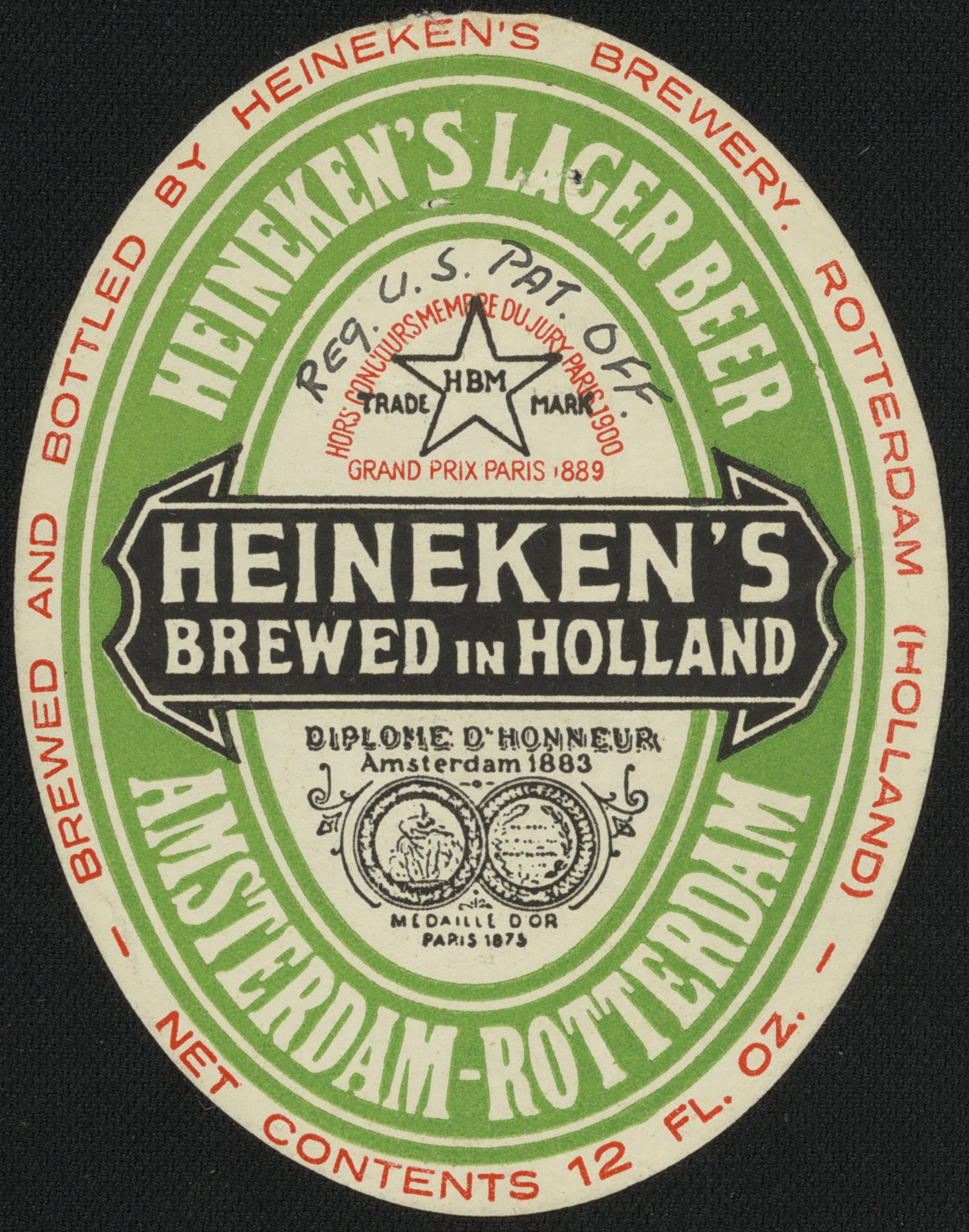
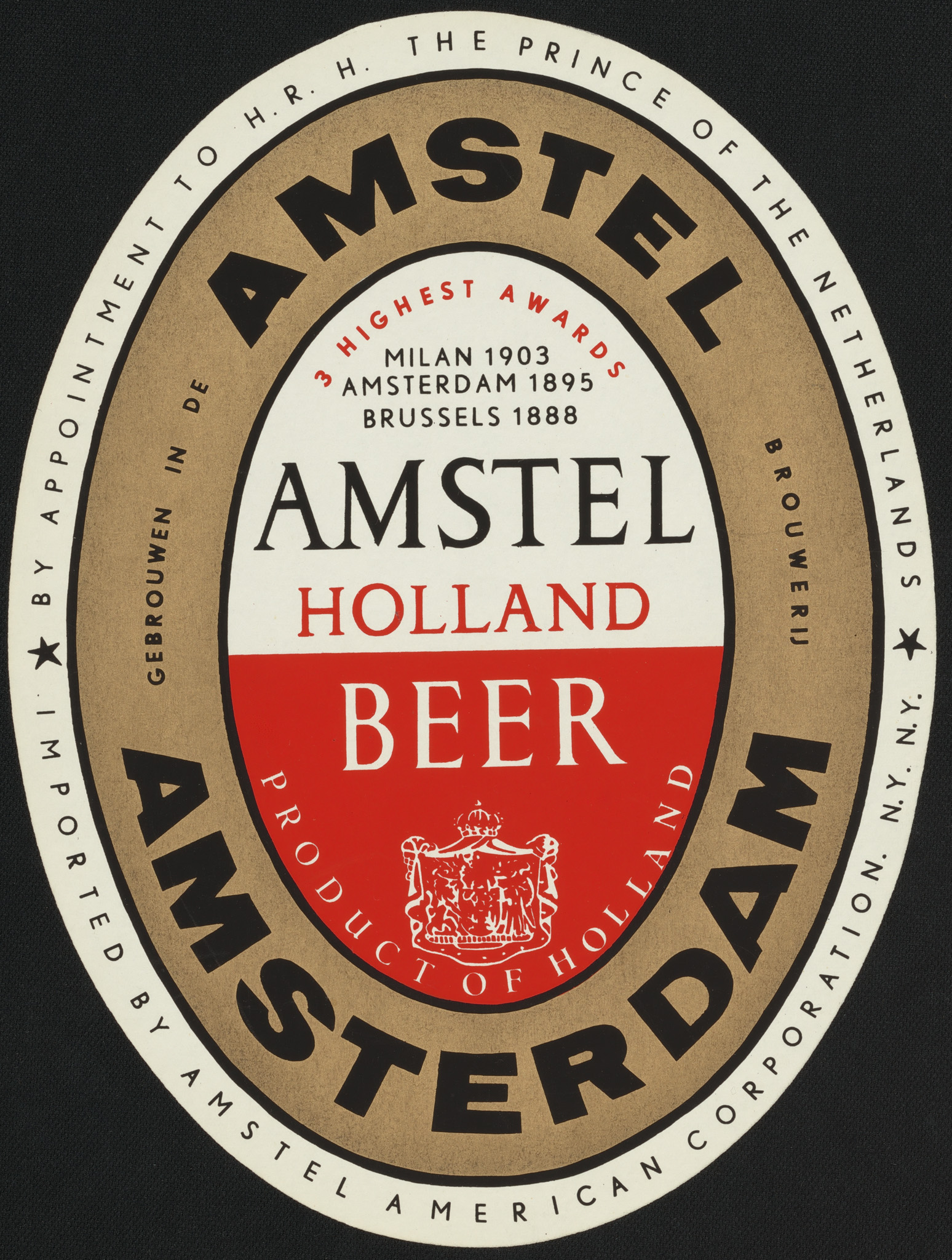
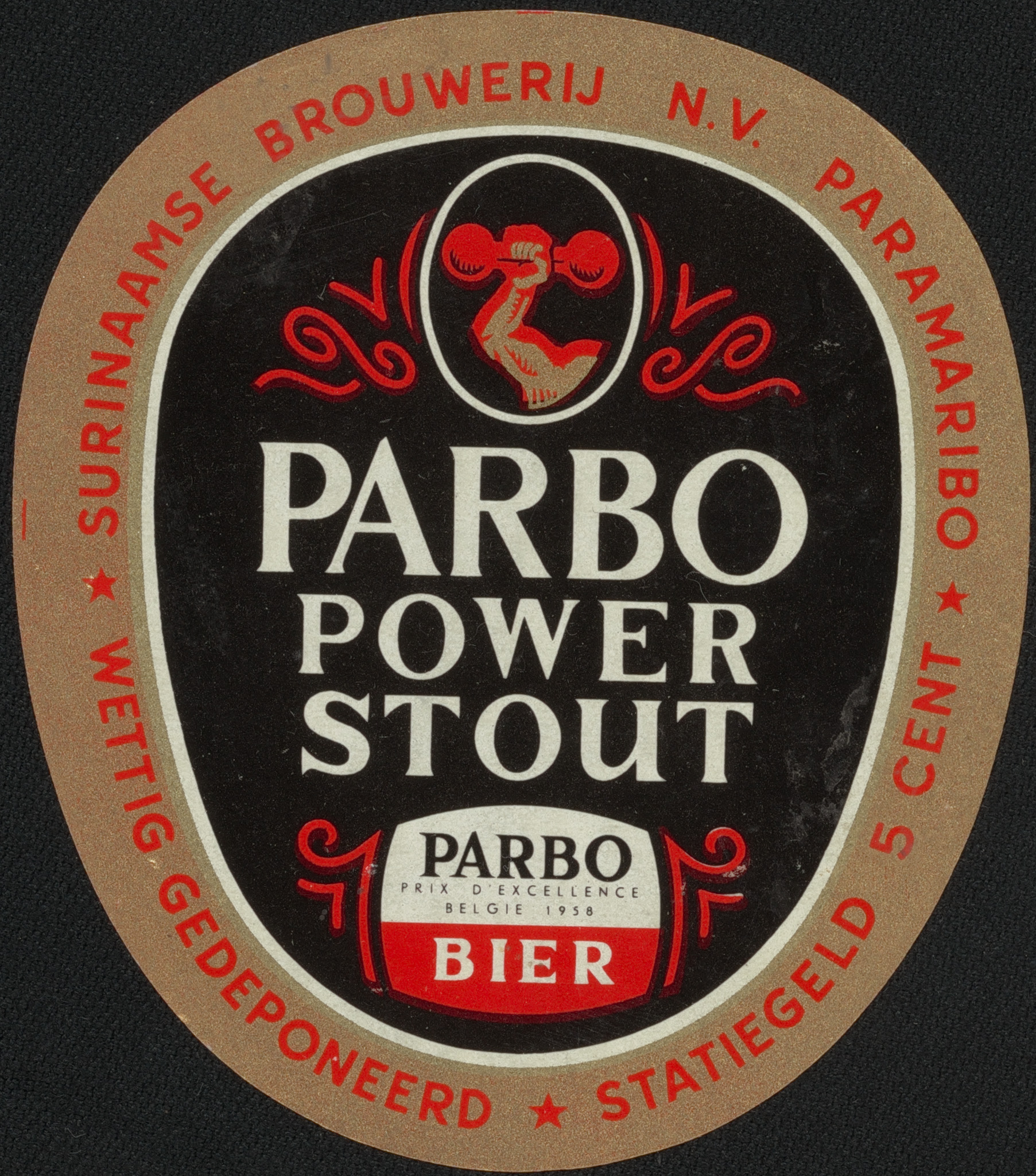
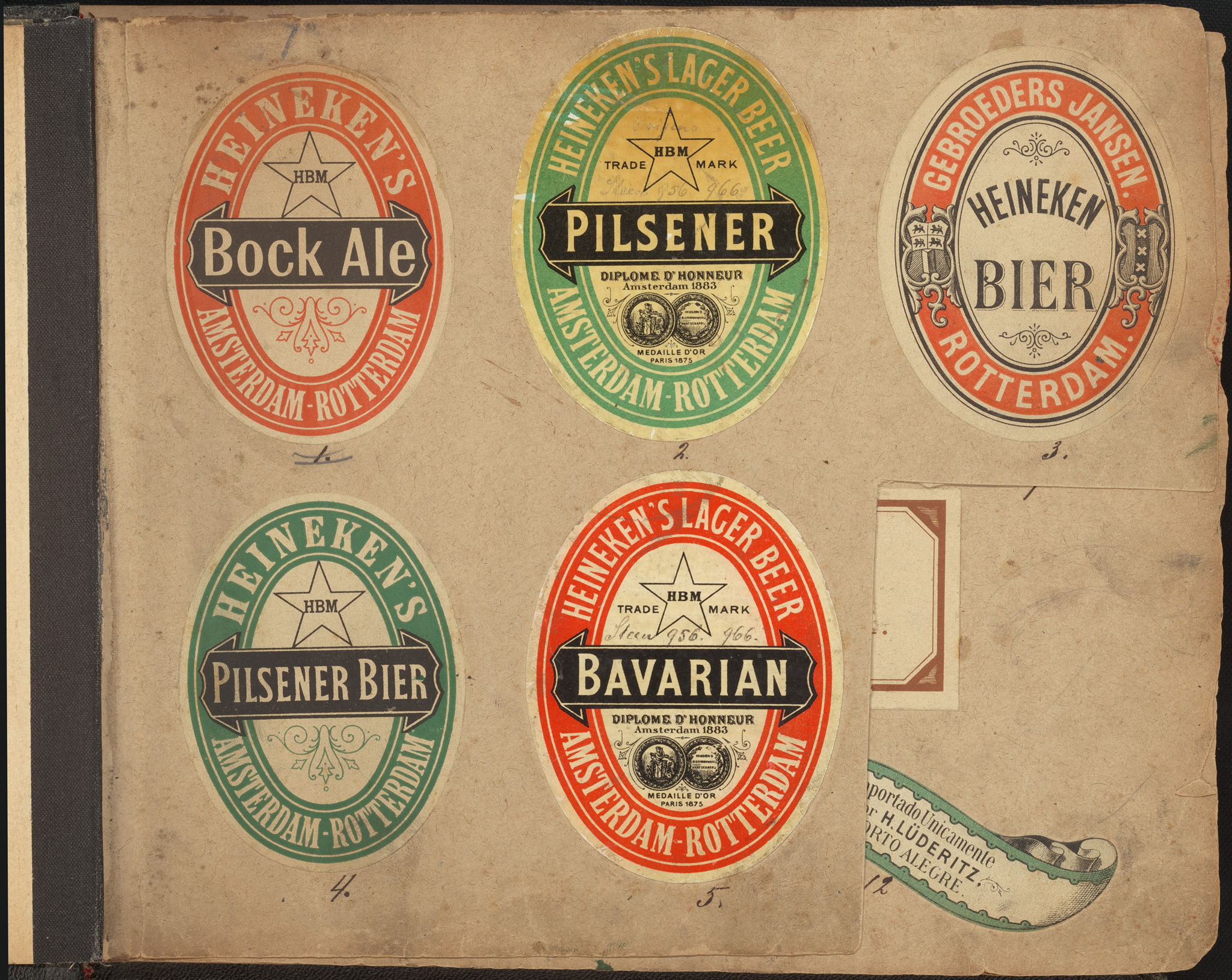
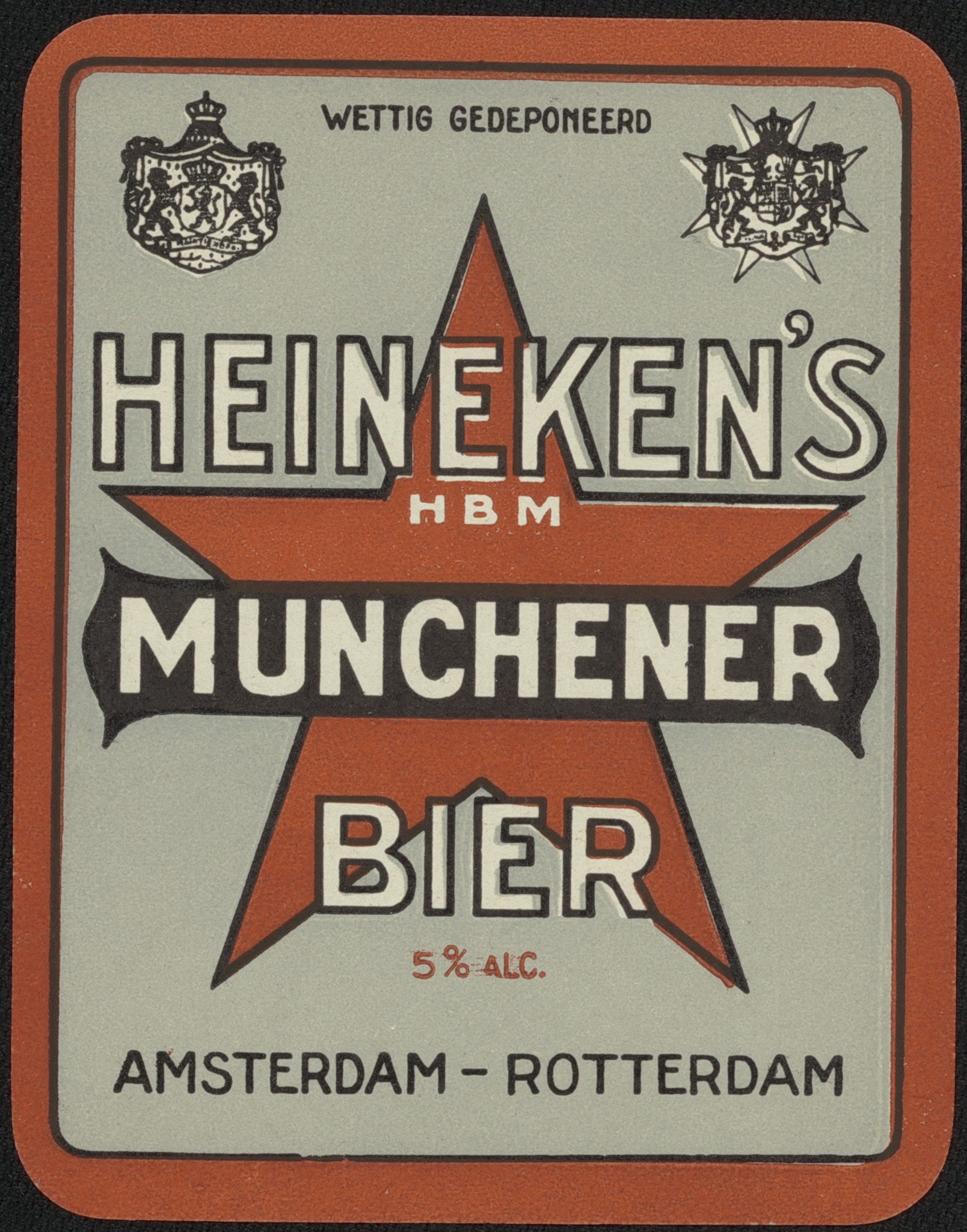
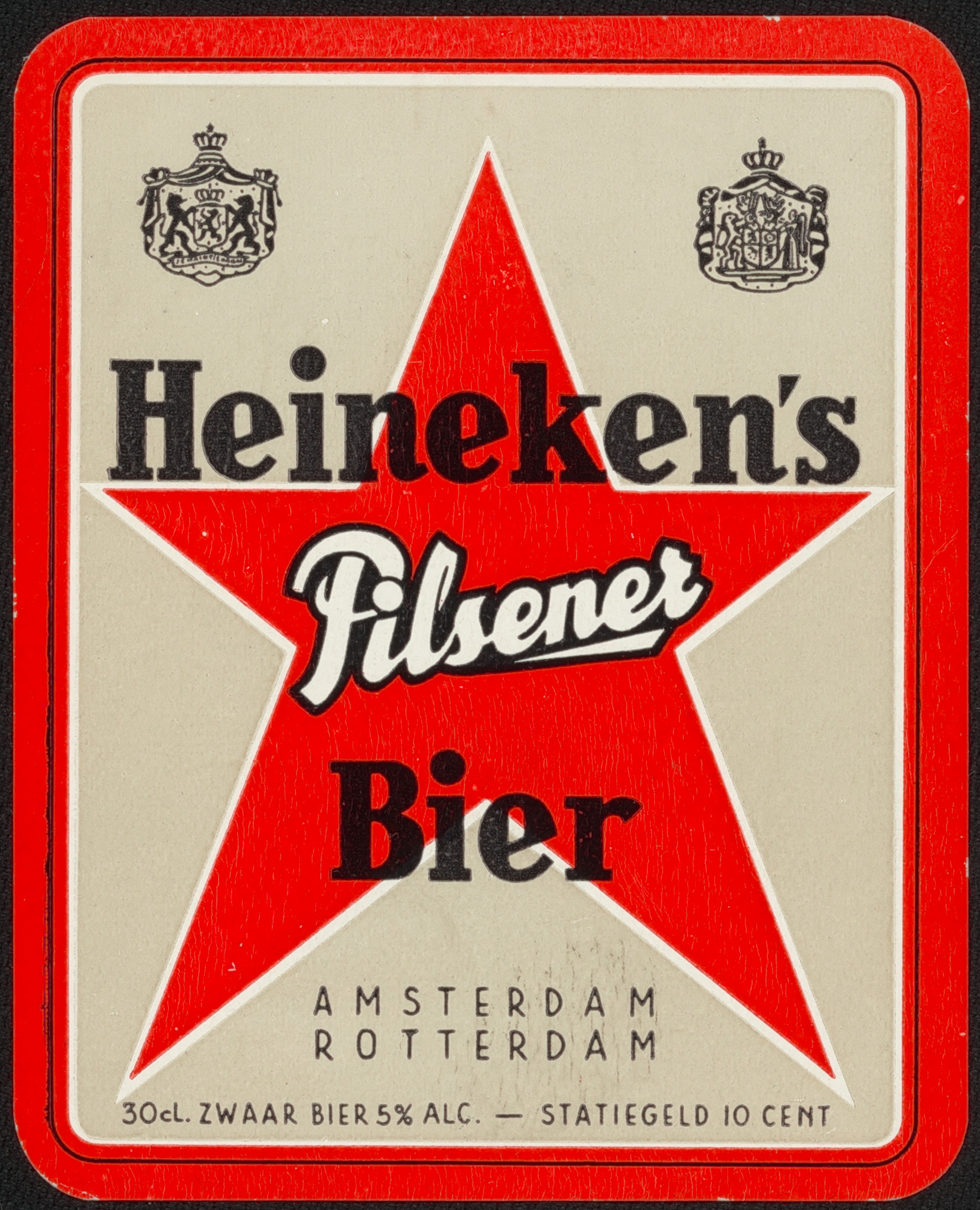
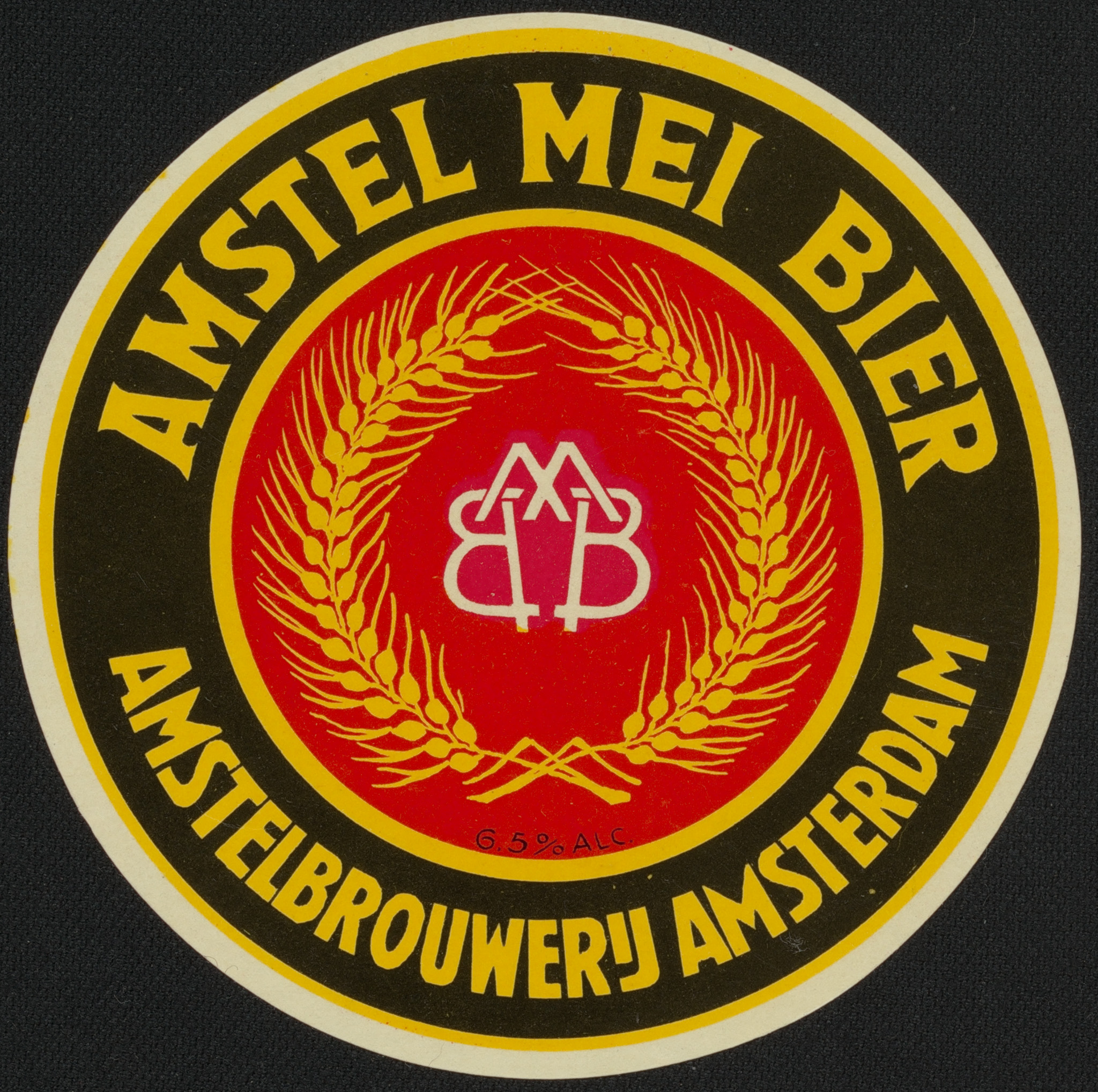
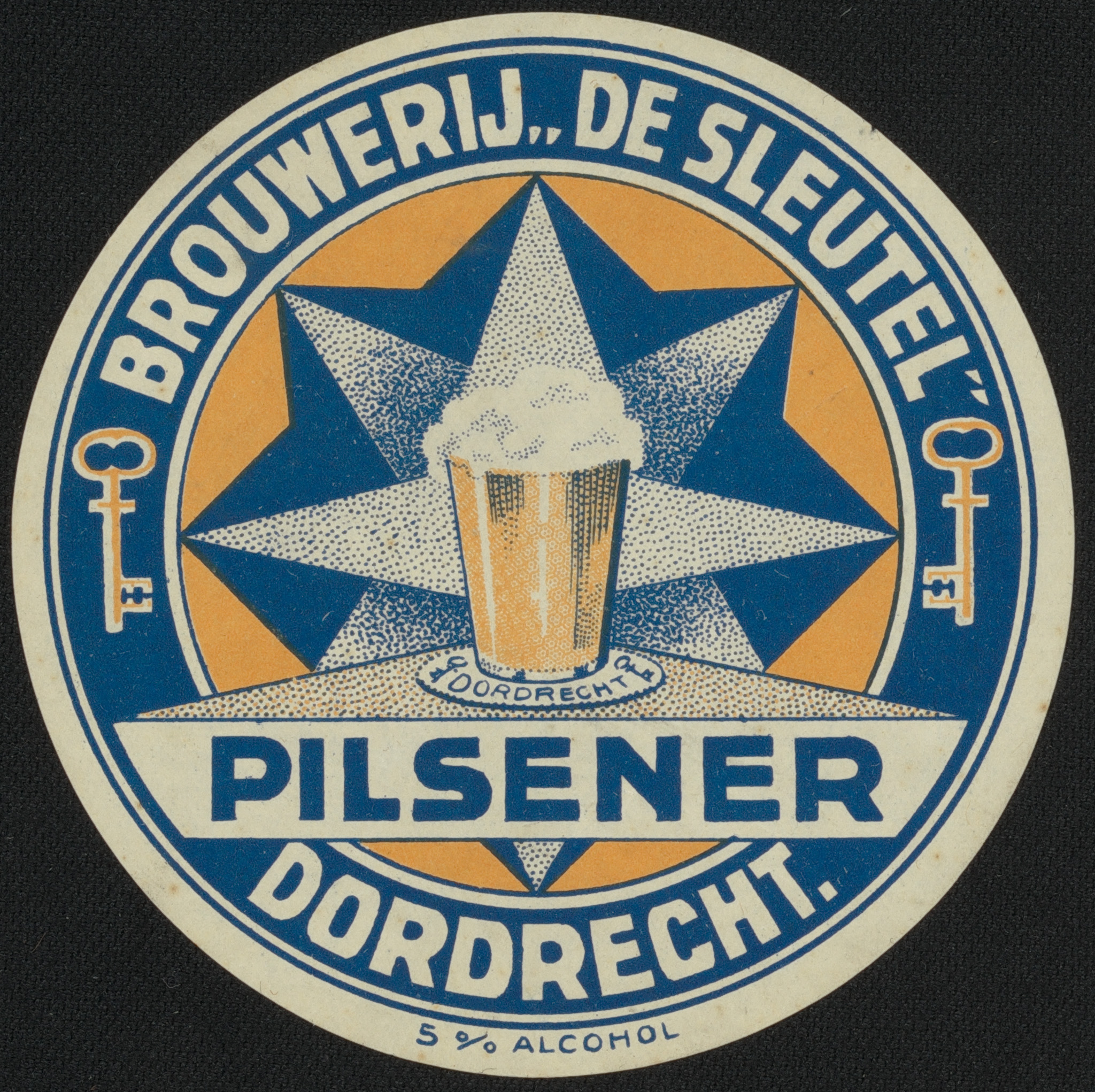
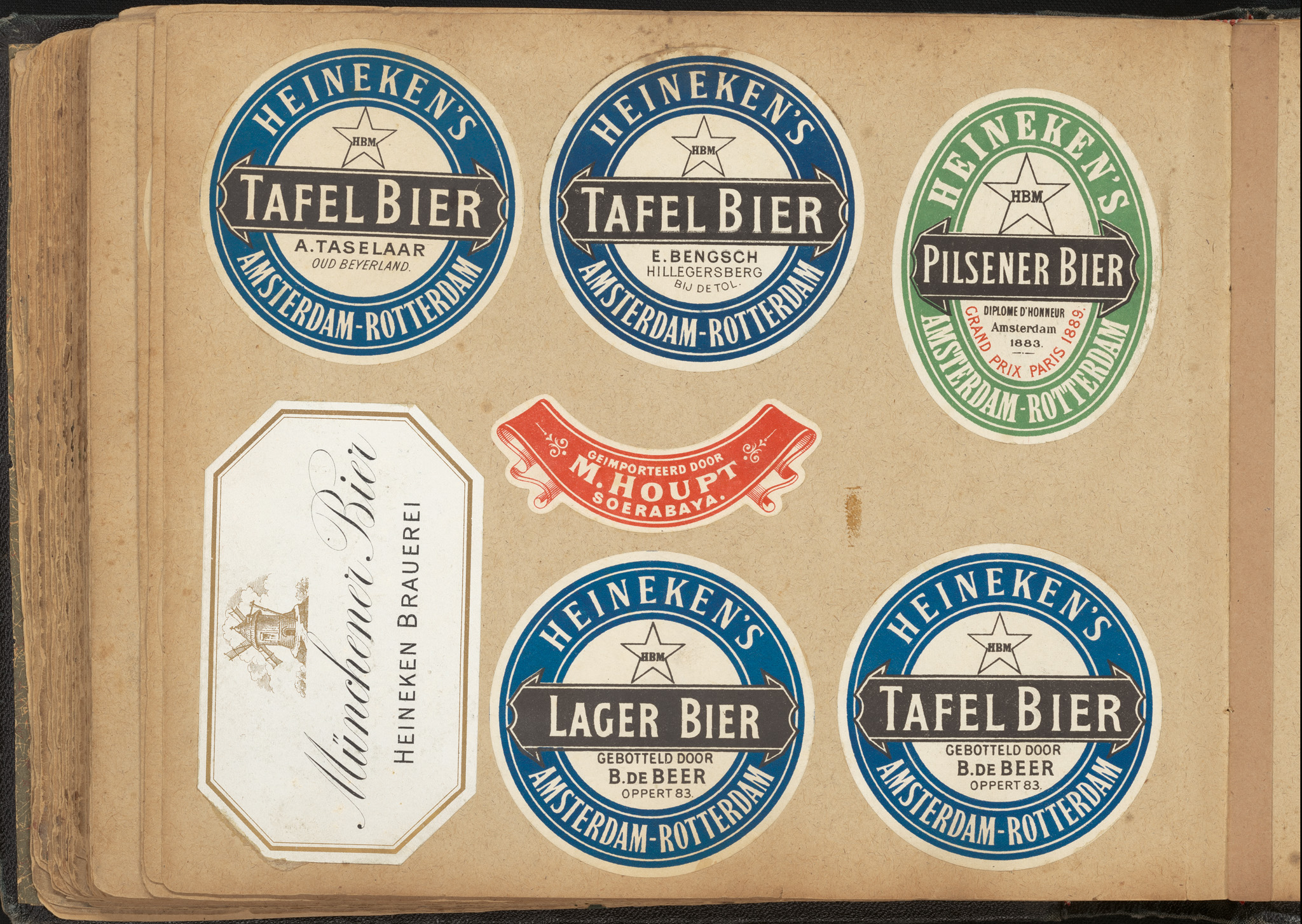
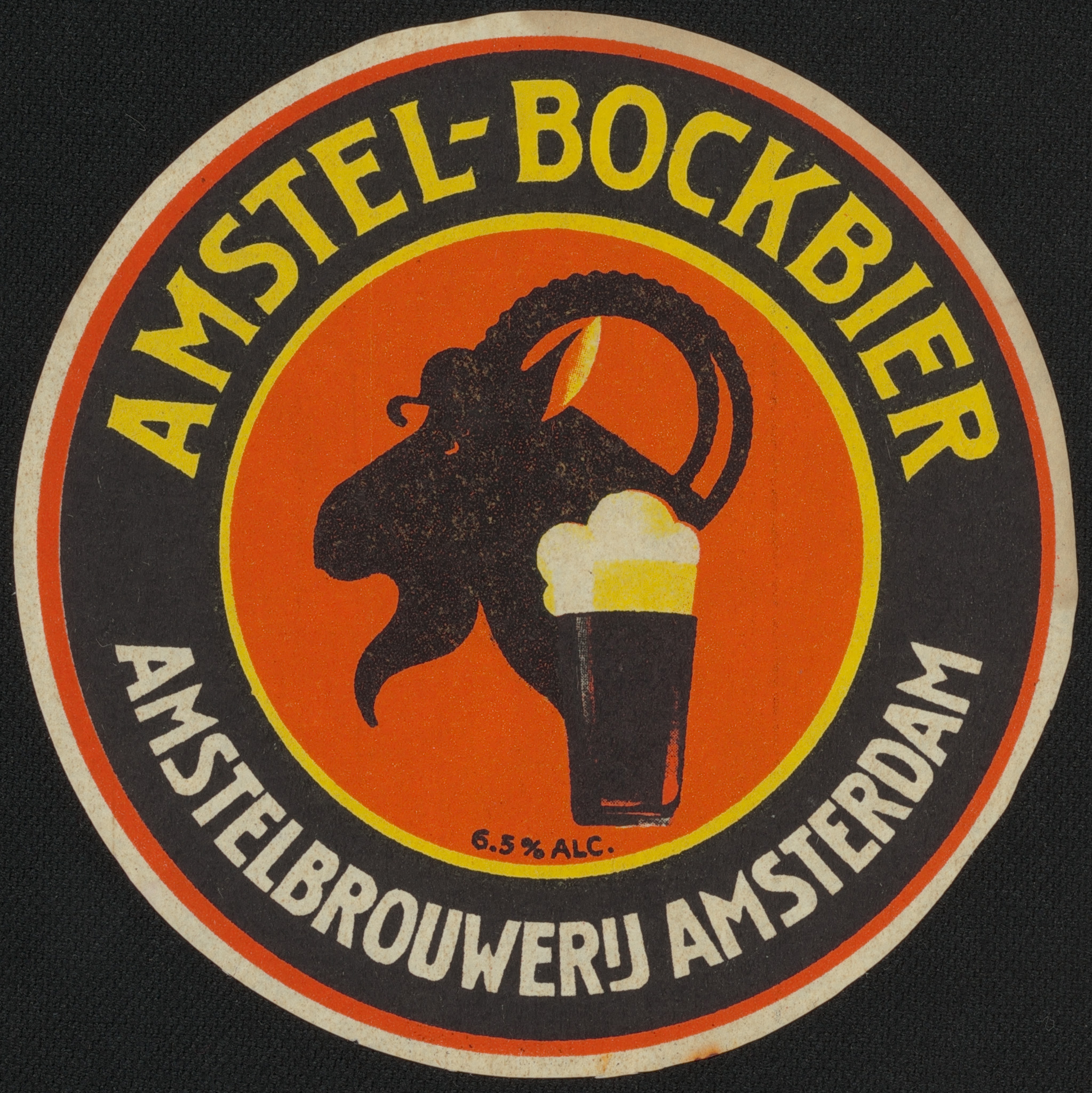
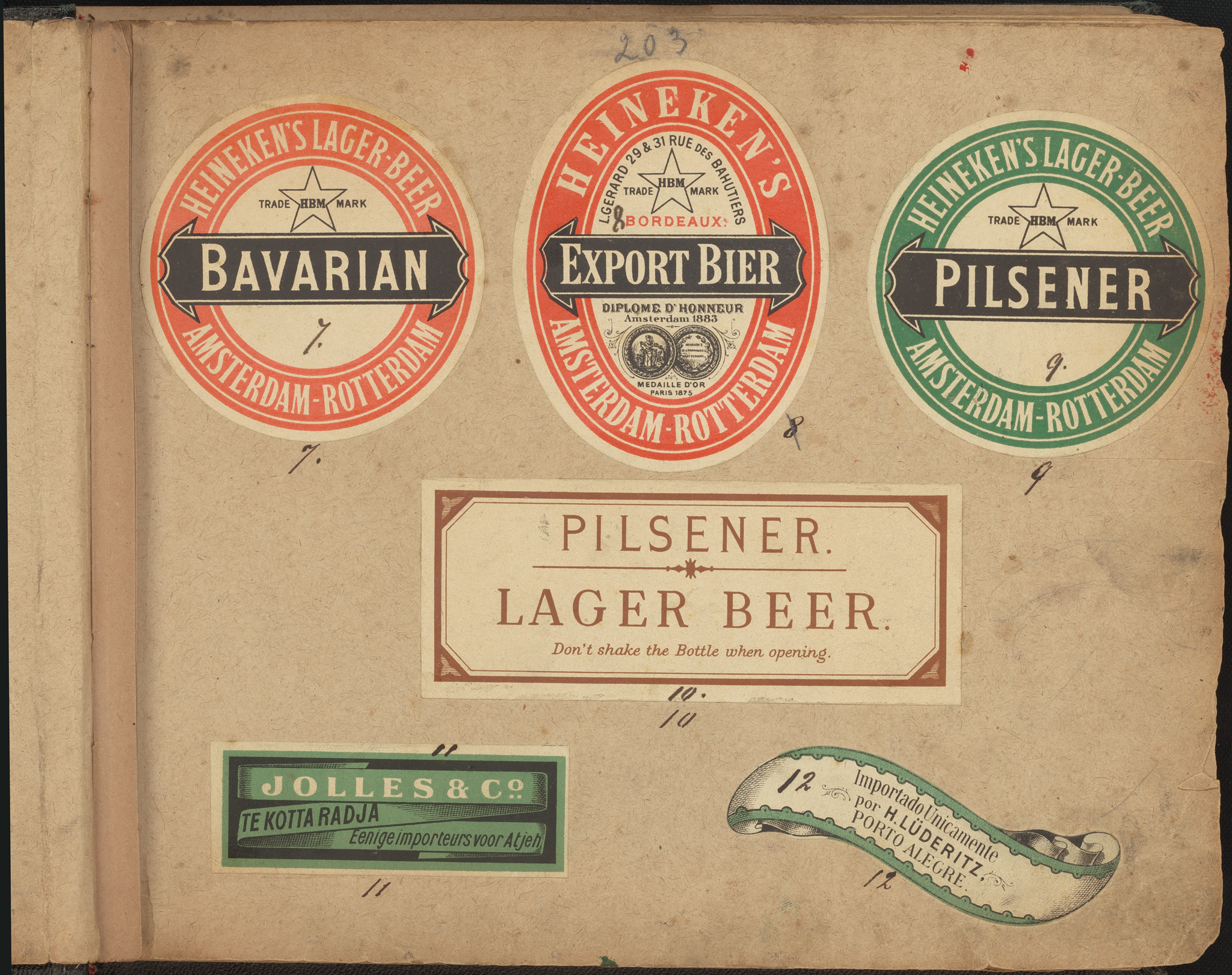
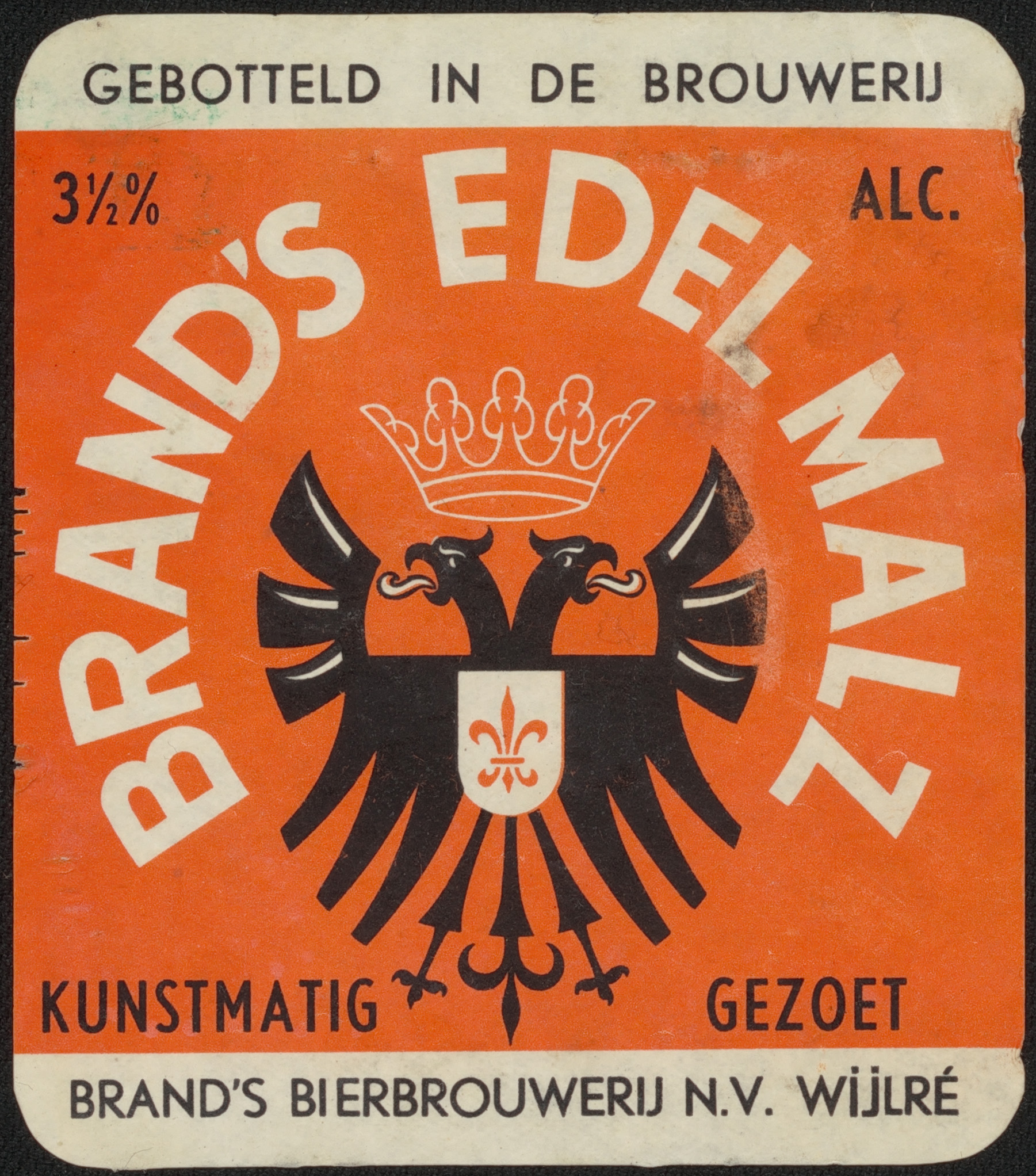
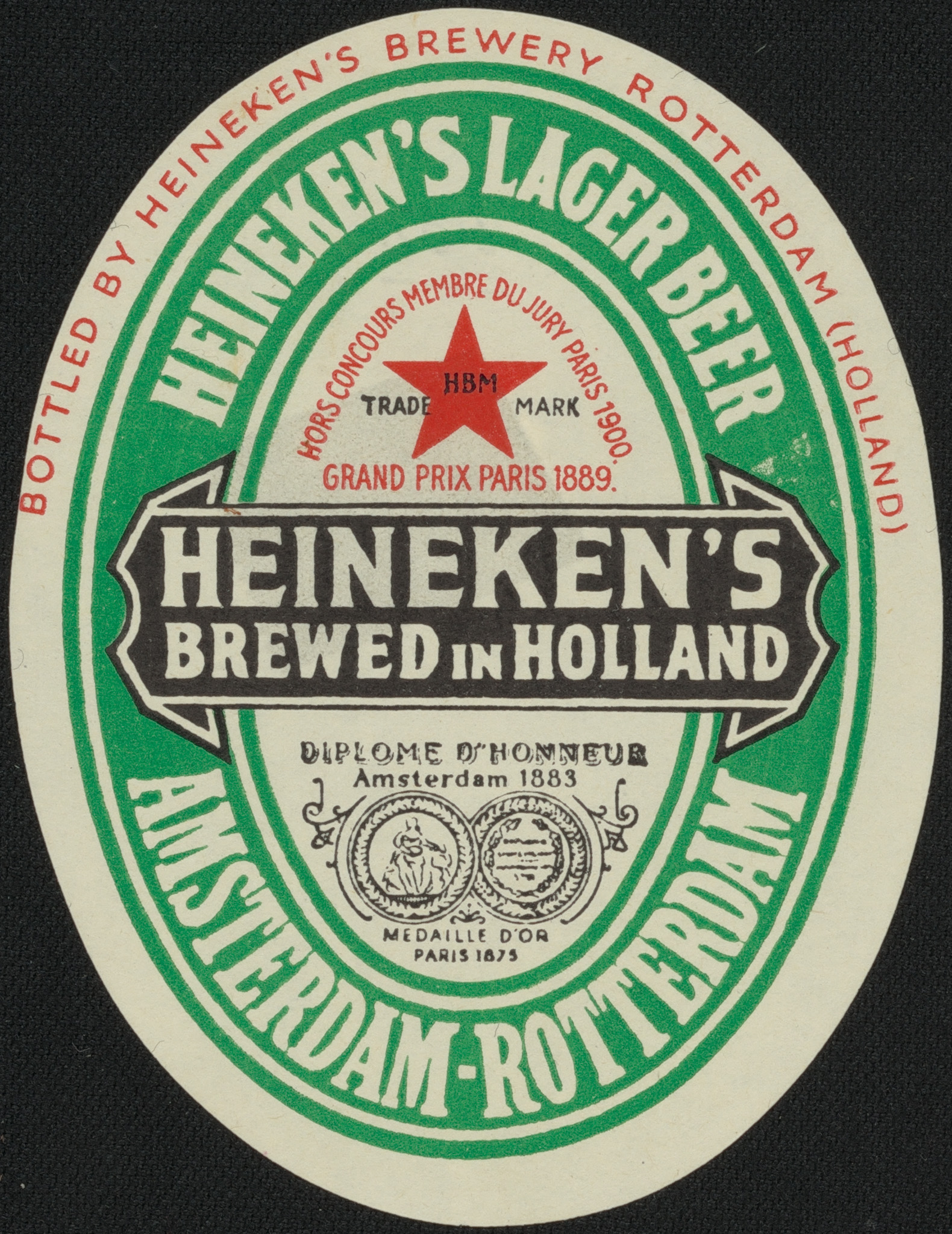
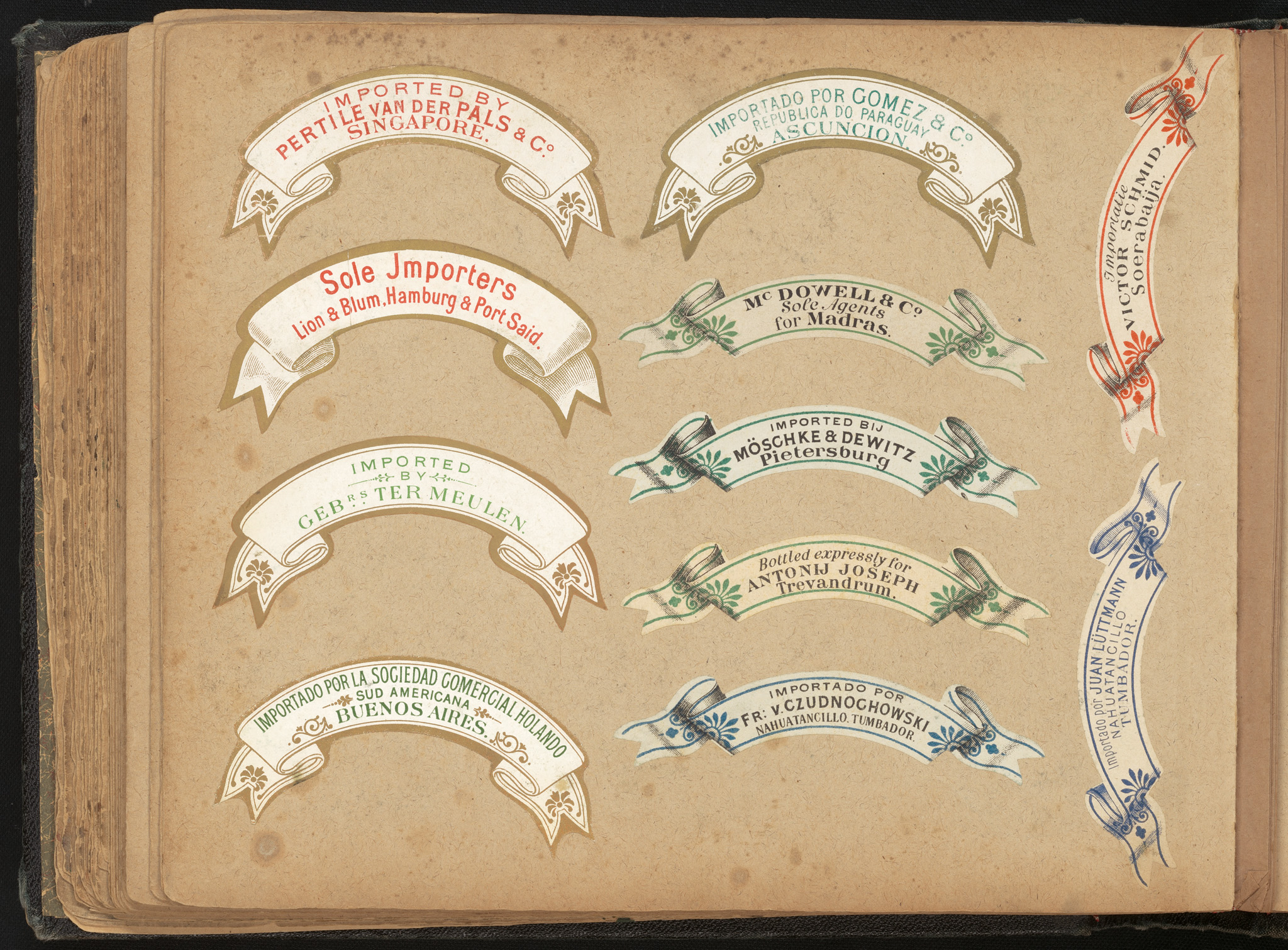
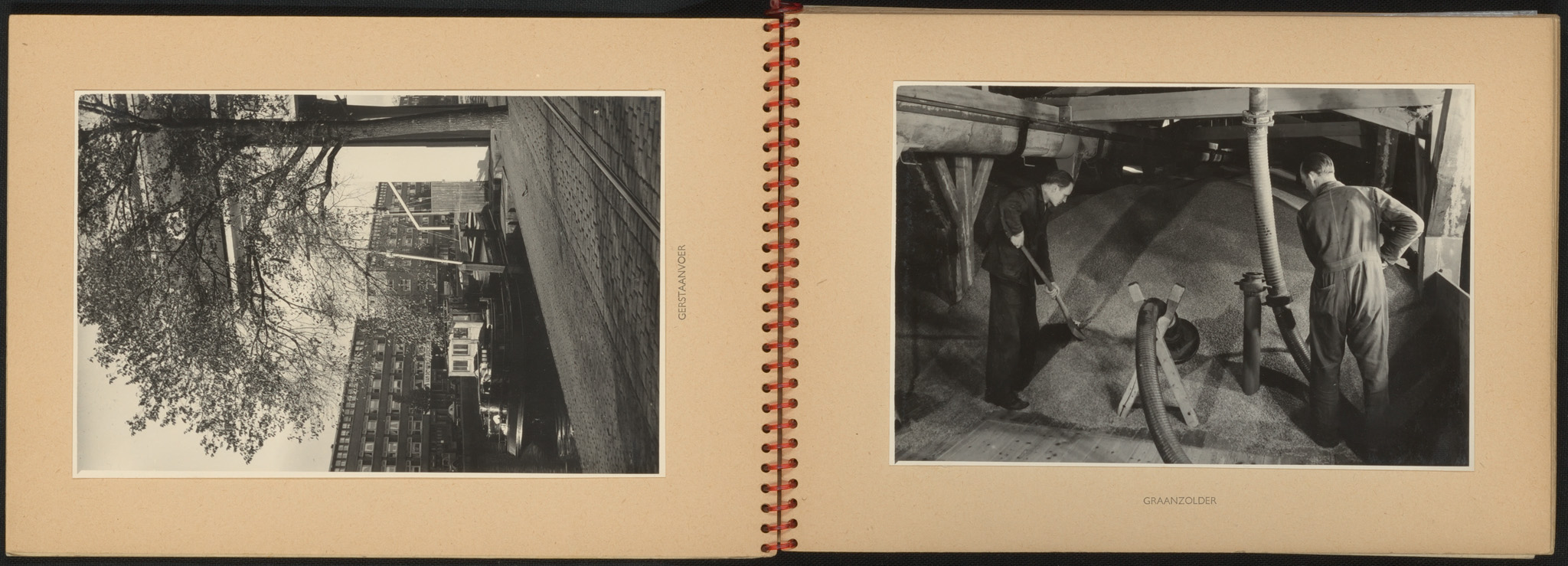
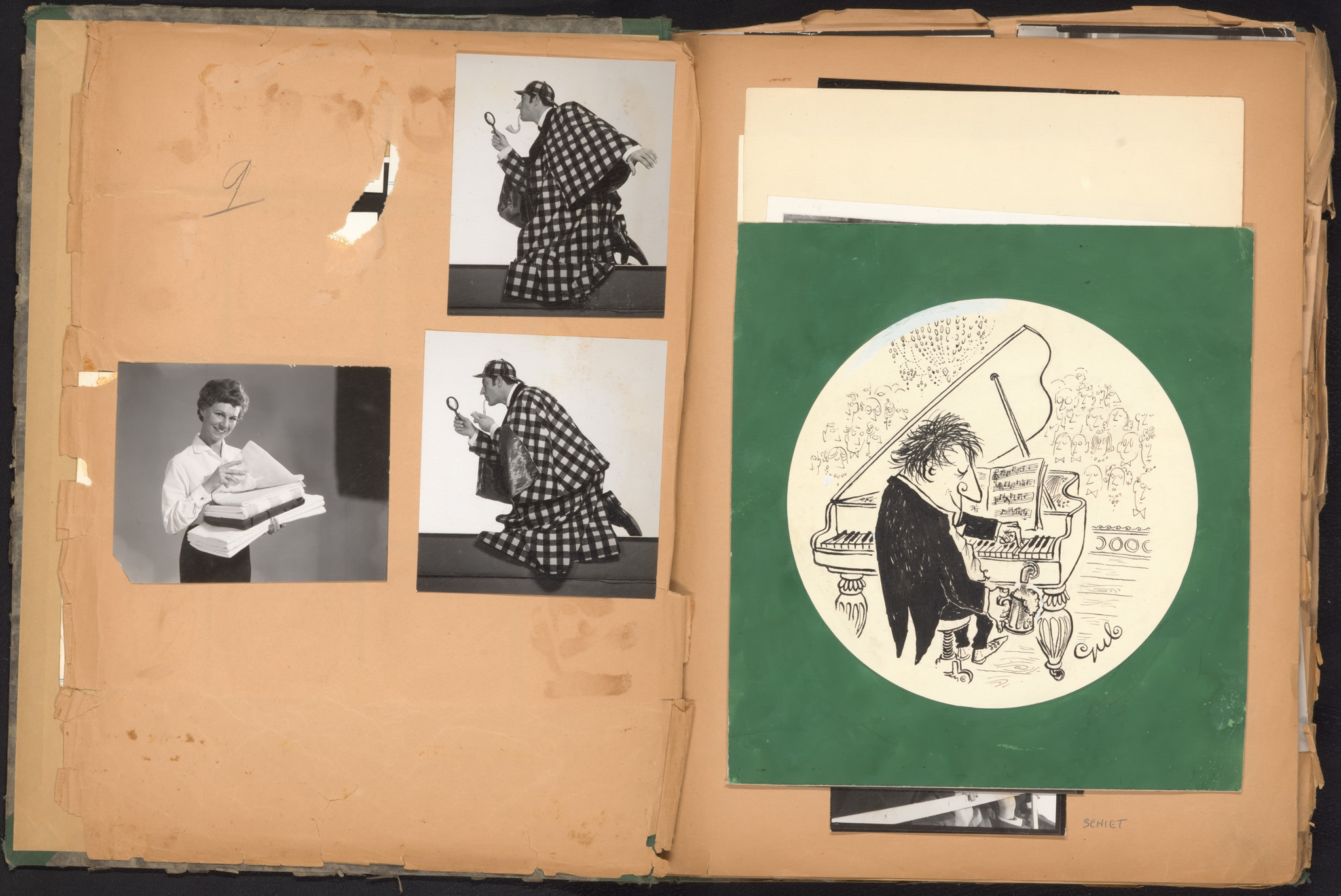
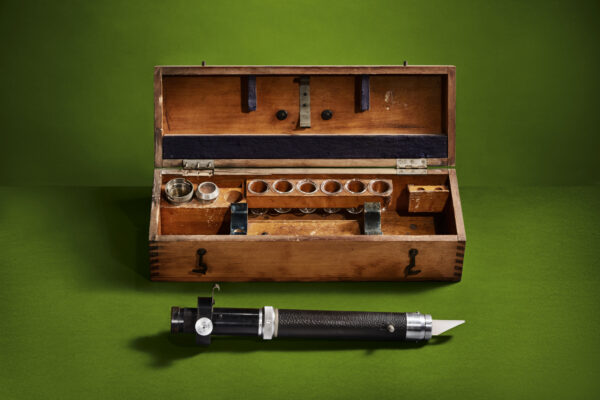
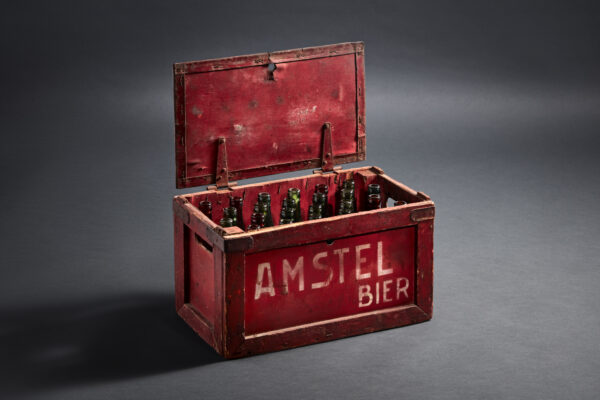
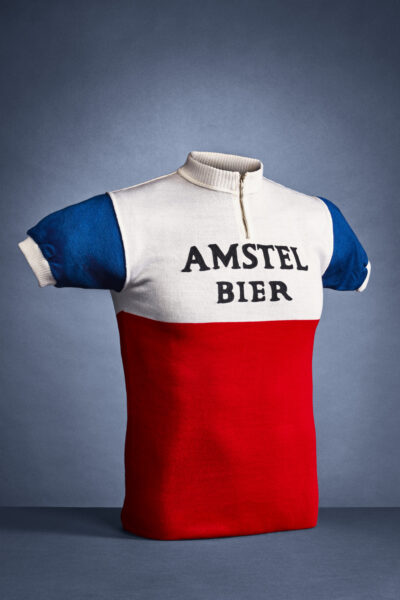
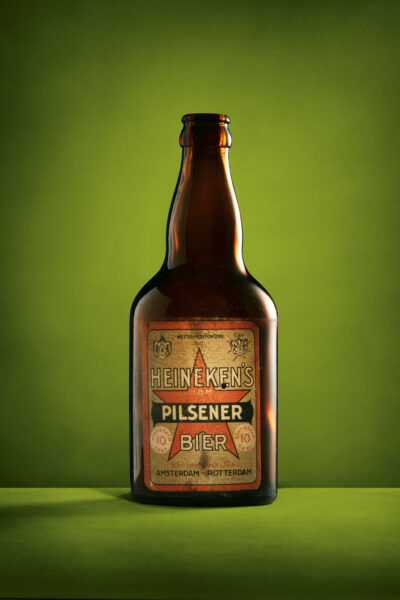
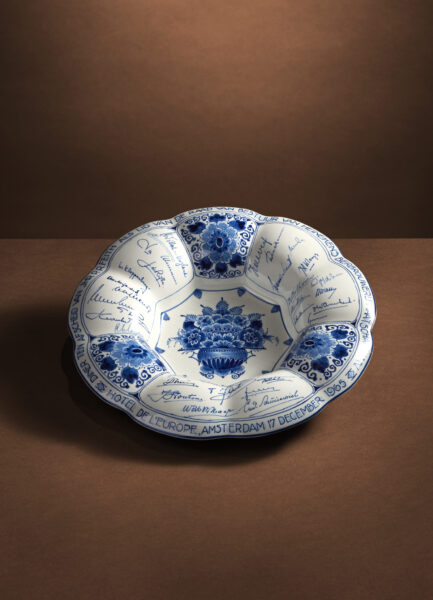
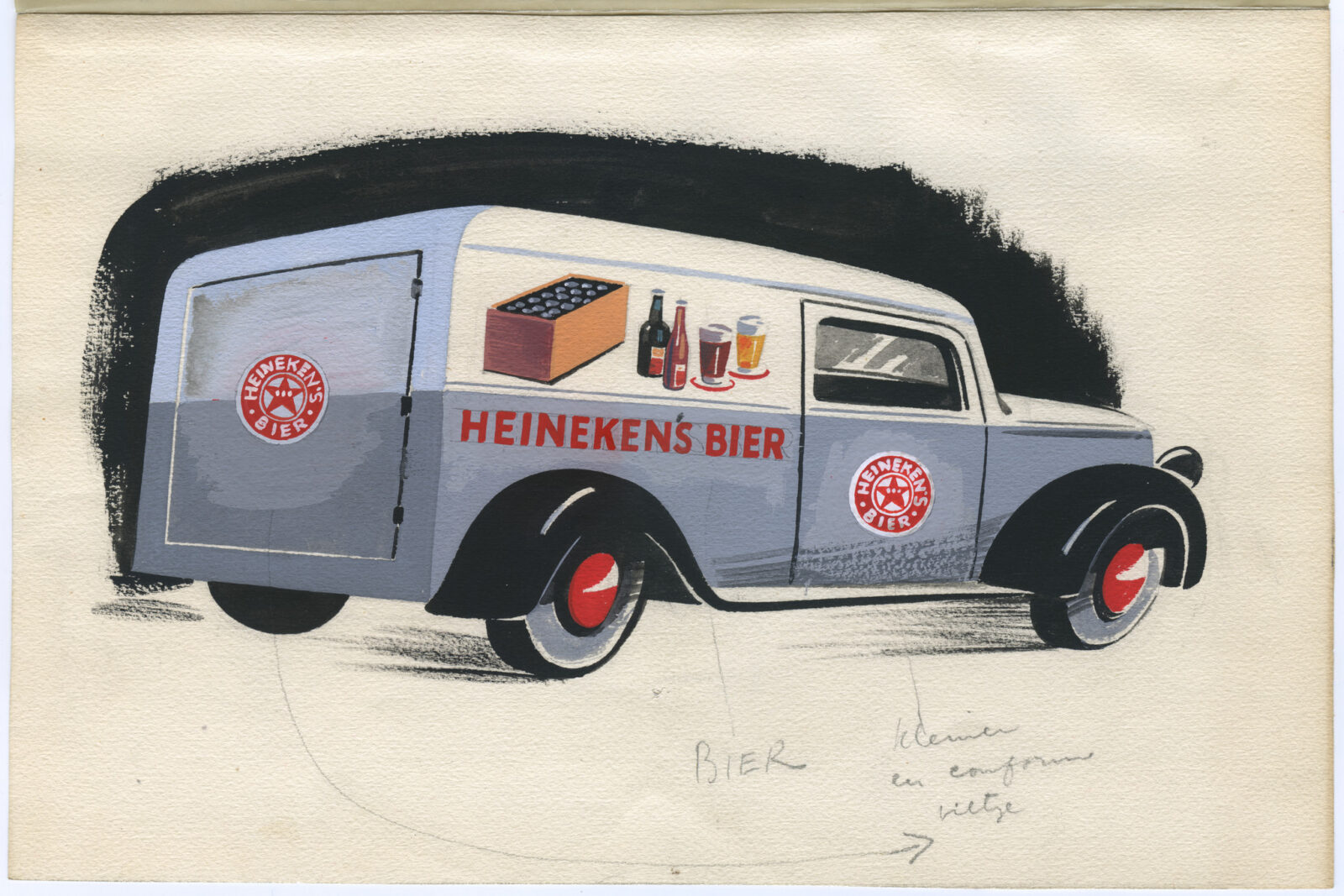

historical Postcards
Filling Pieces
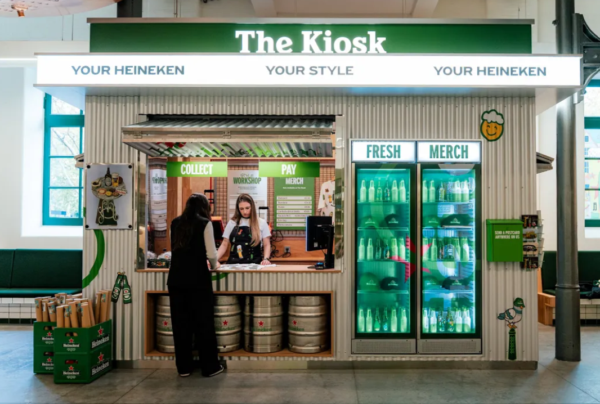
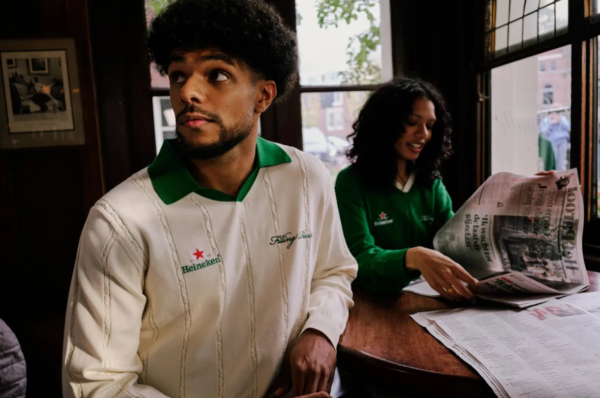
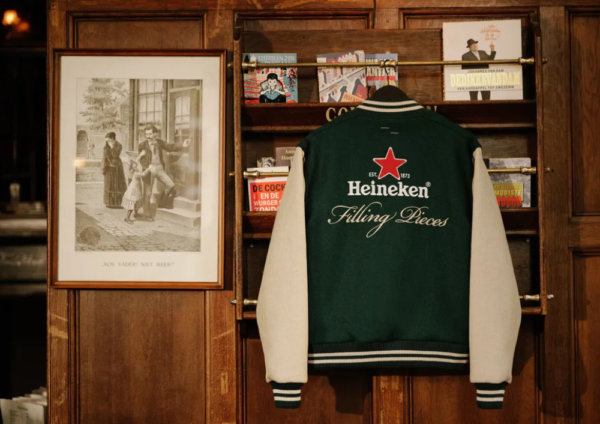
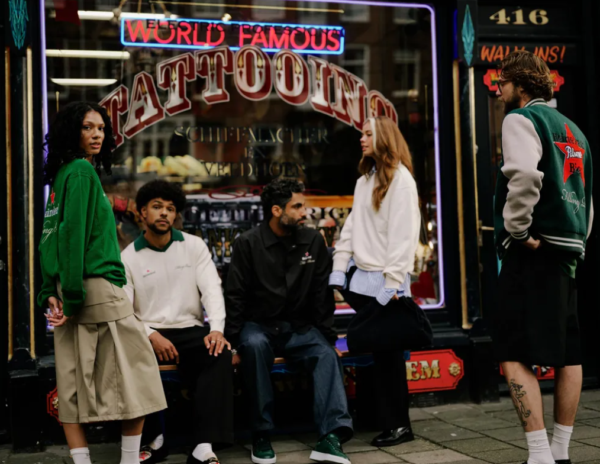
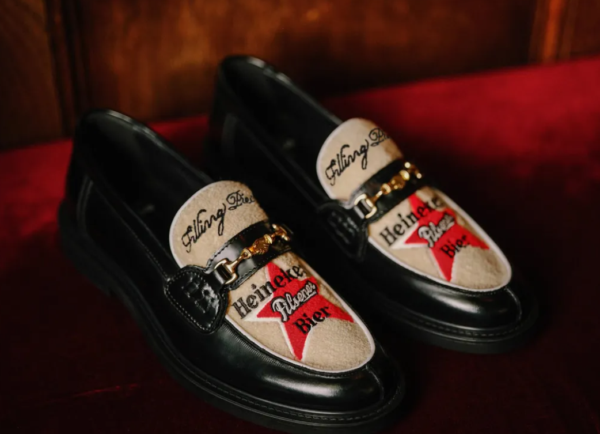
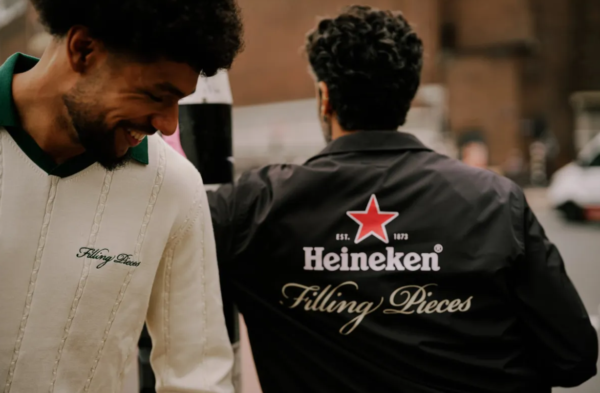
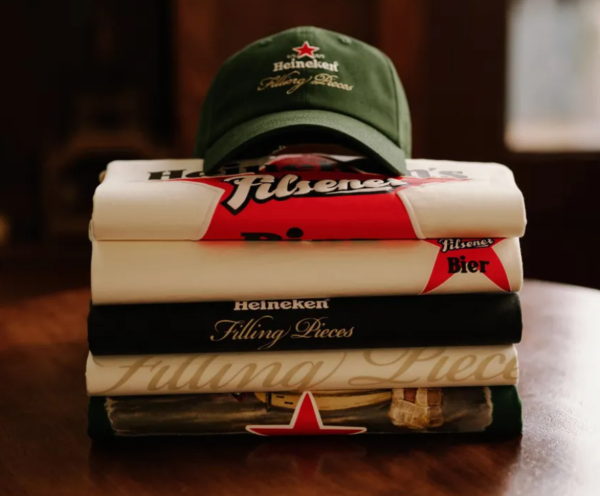
Street‑level heritage
Archival images from the Collection played a key role in the reconstruction of Café De Karpershoek’s historic façade advertisement. Original visual material was used to accurately reproduce the street‑level signage, ensuring the renewed façade reflects its historical appearance.
This project demonstrates the value of the Collection as a visual reference point, enabling historically grounded decisions that connect present‑day initiatives with the city’s layered past.

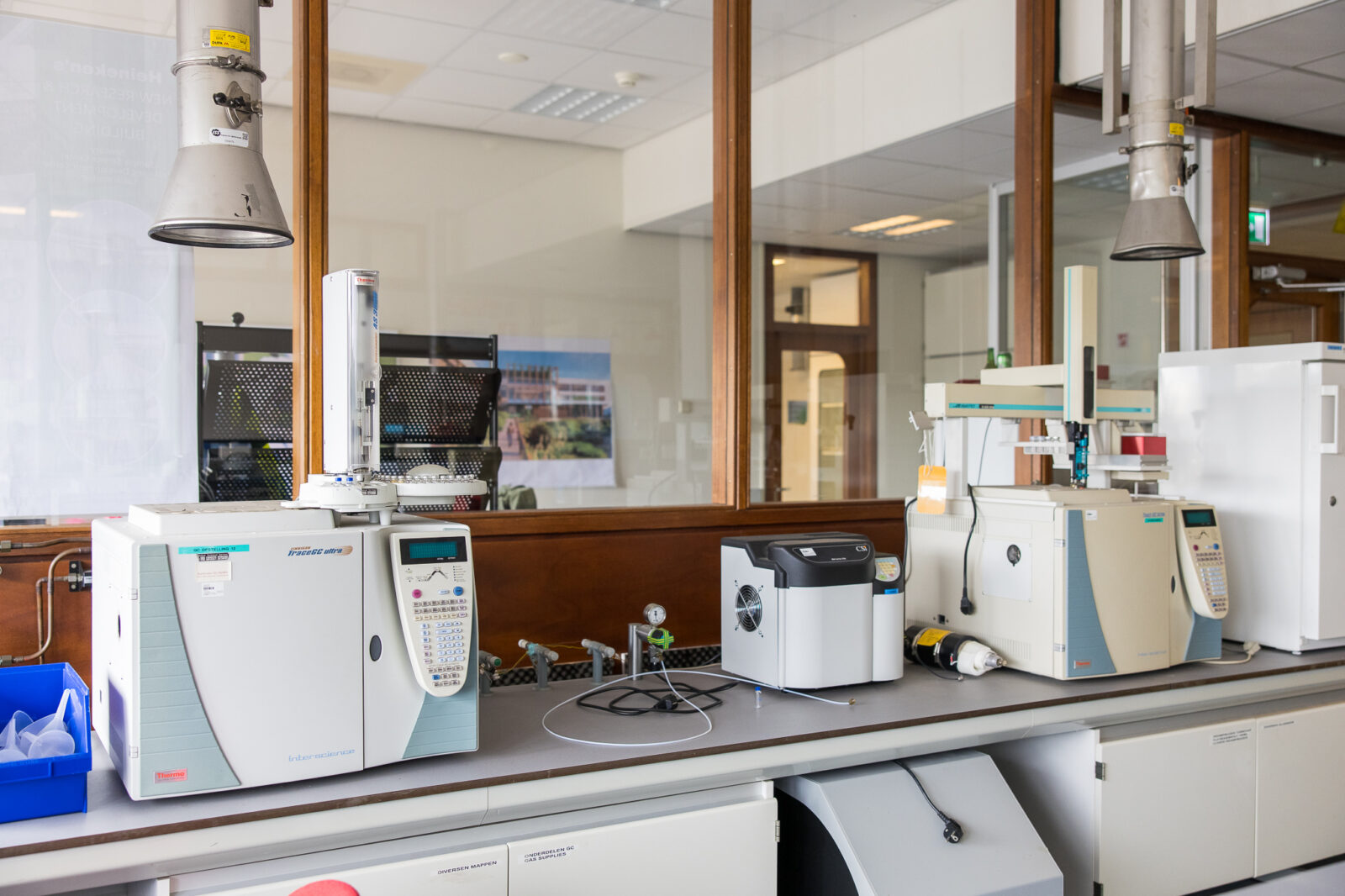
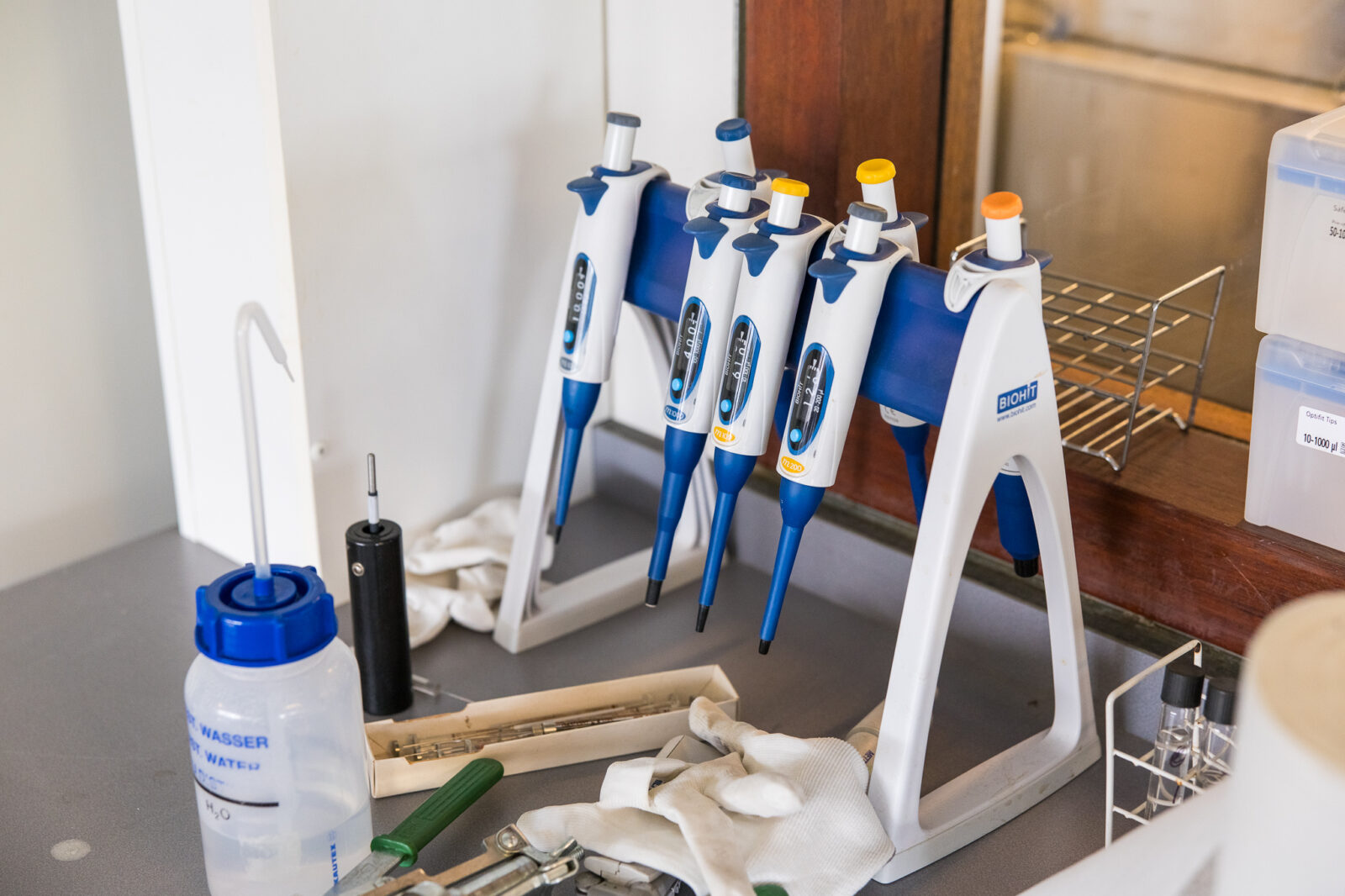
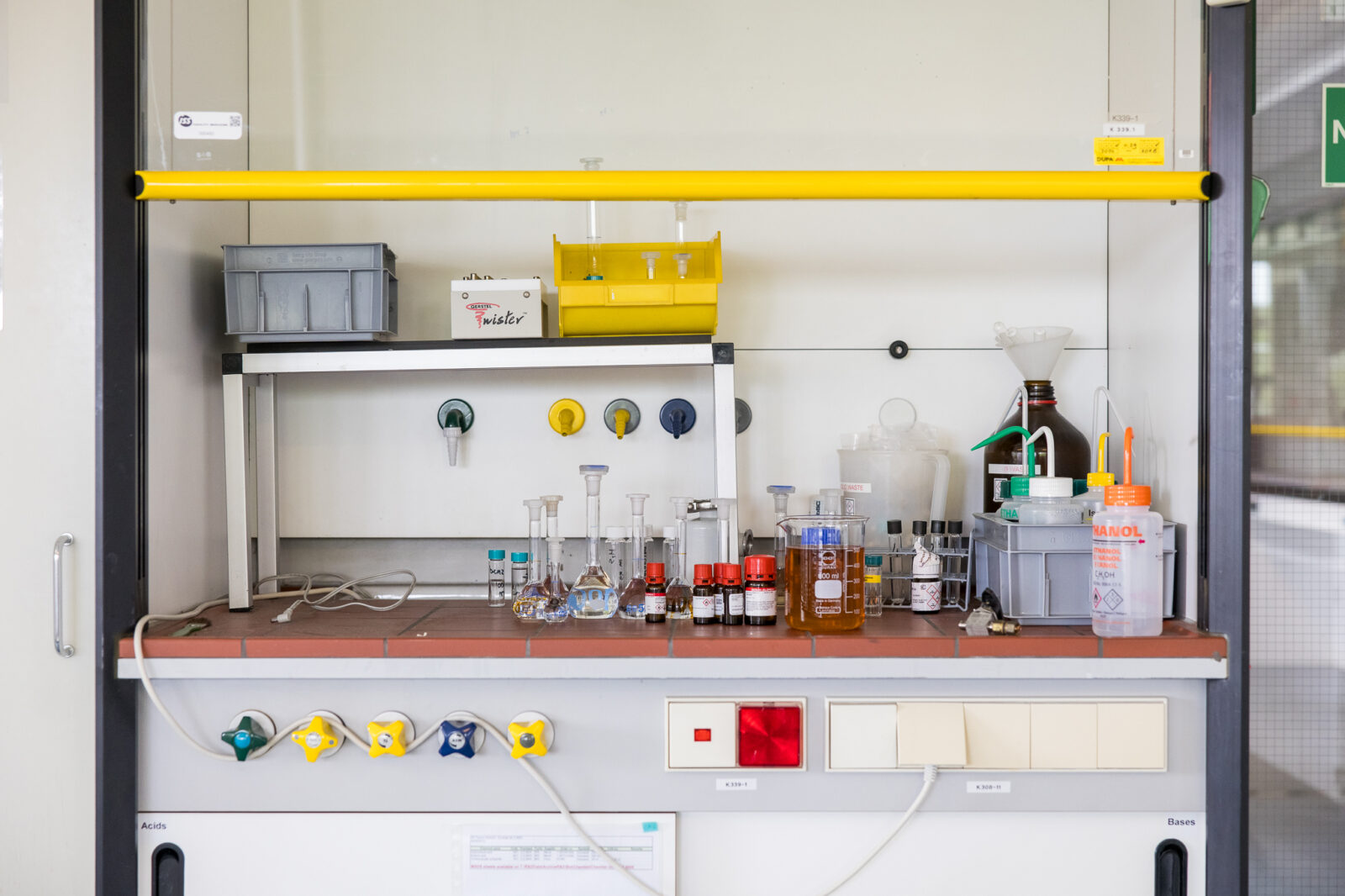
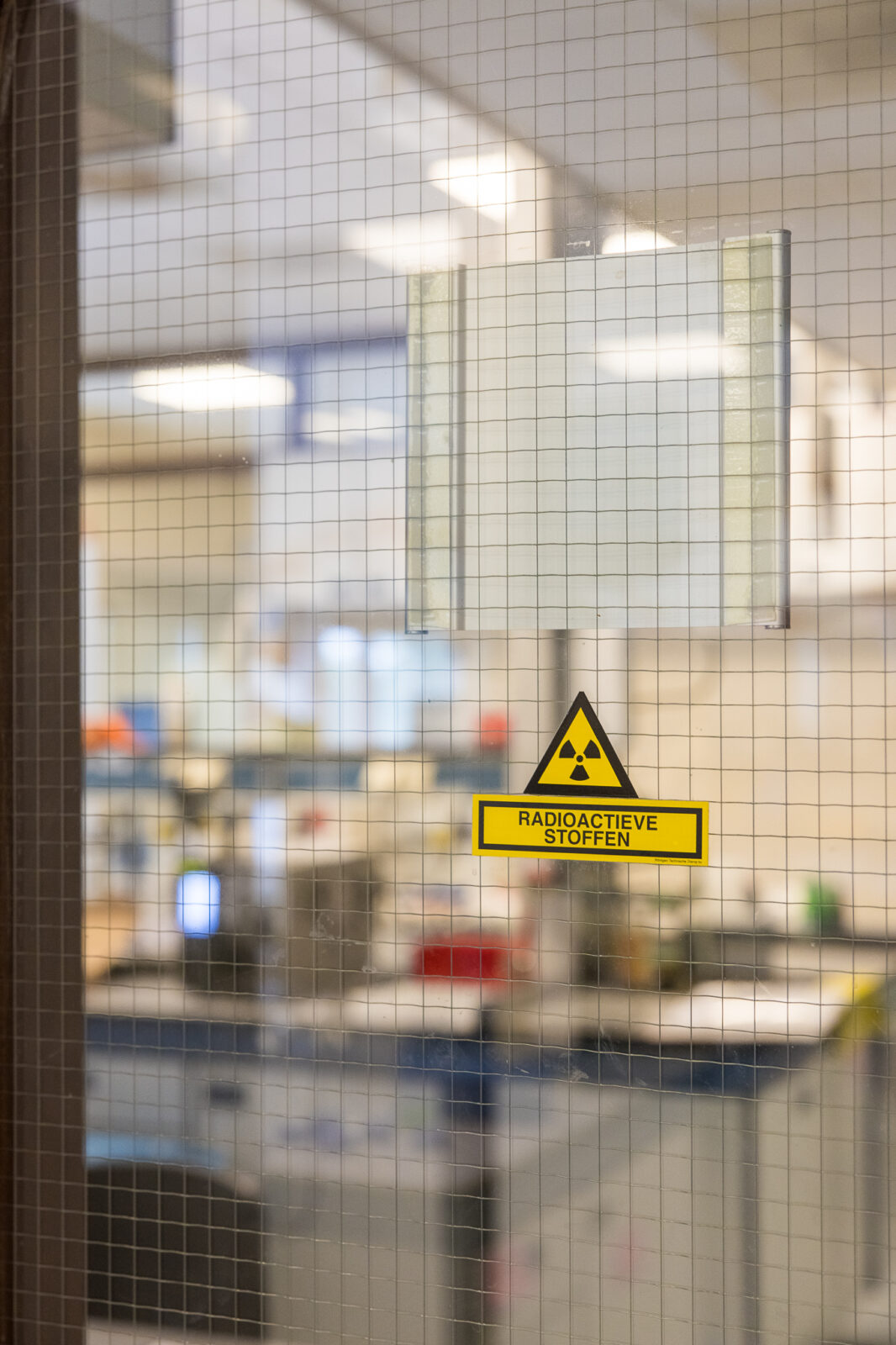
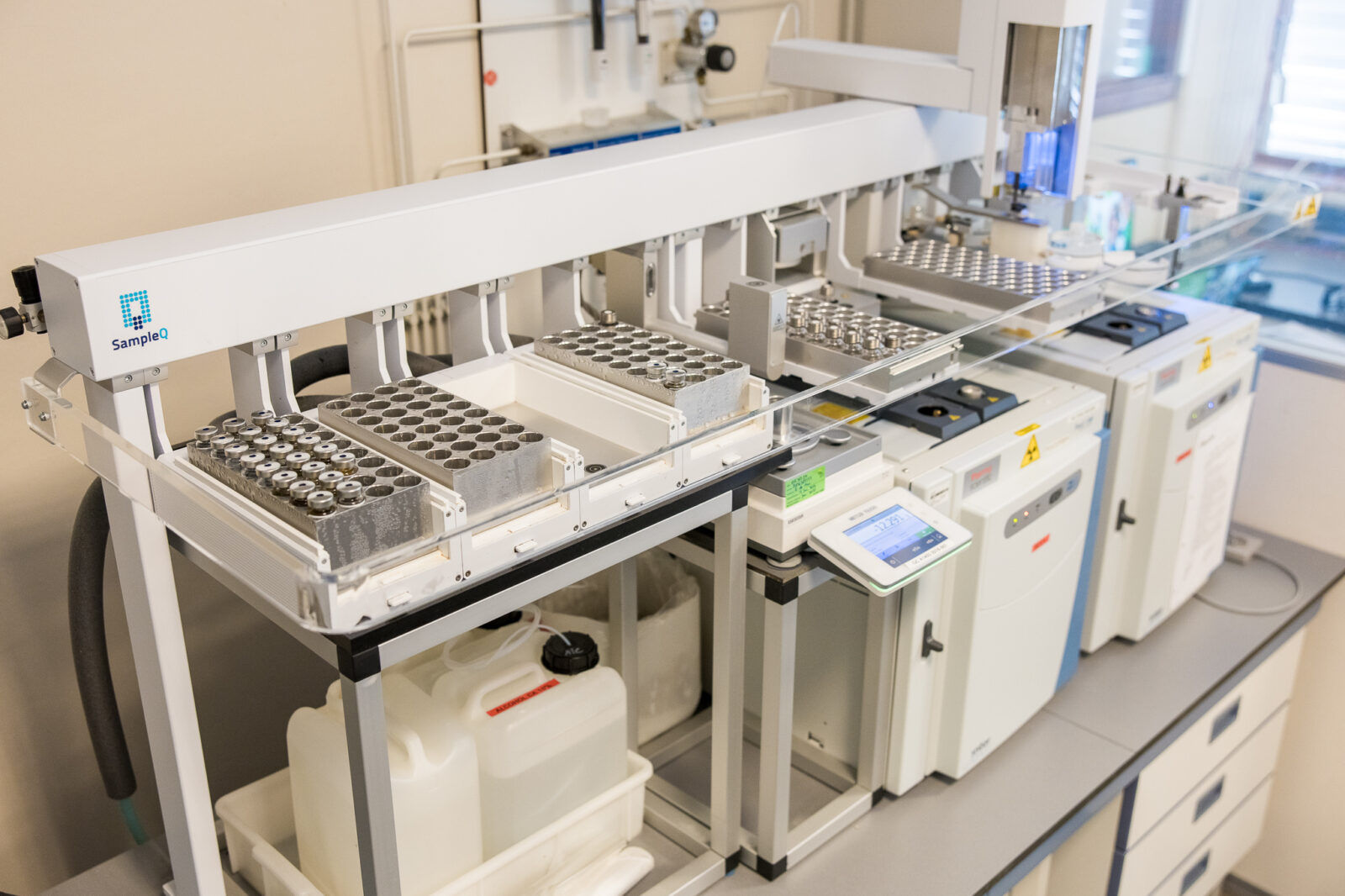
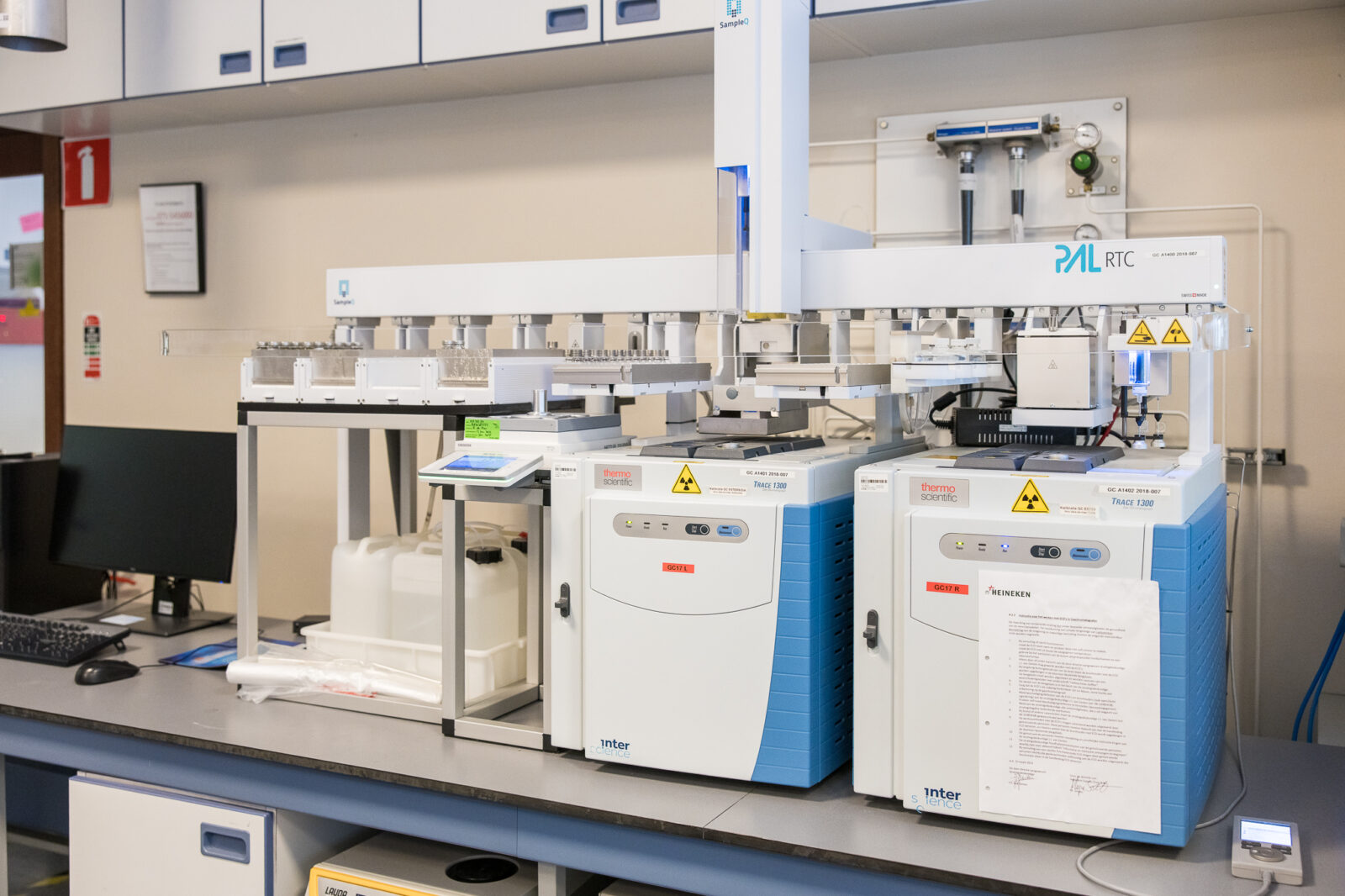
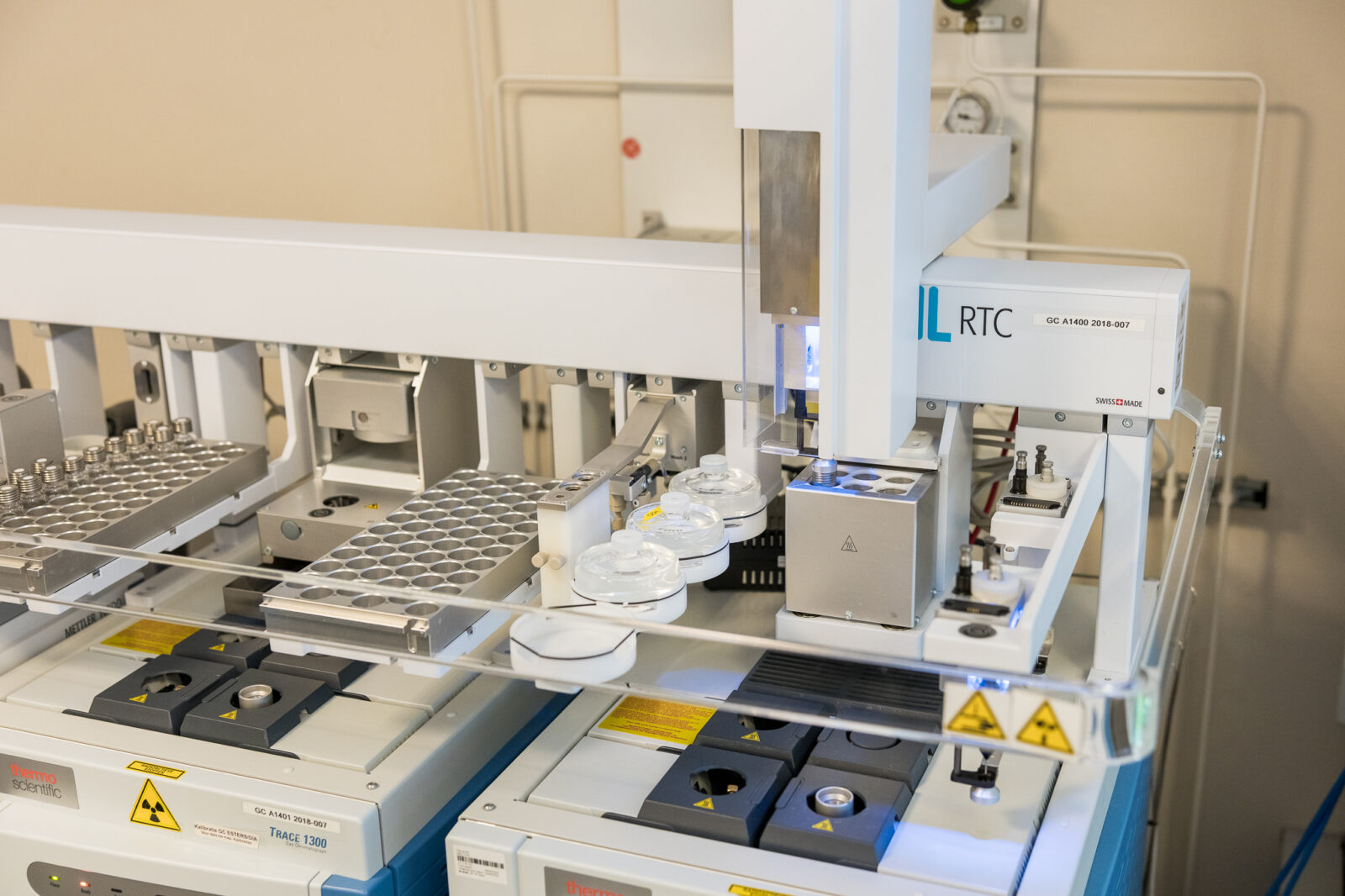
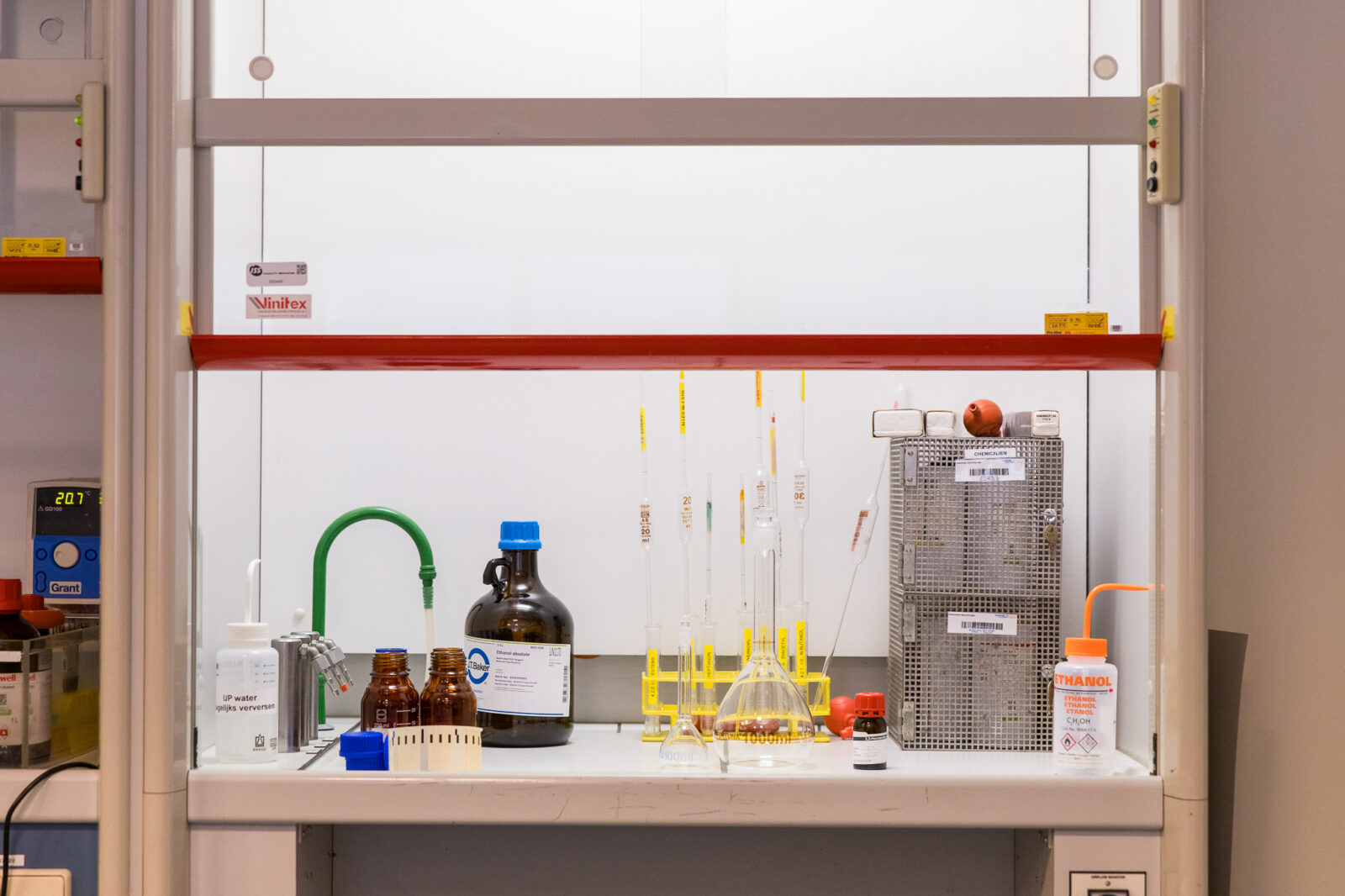
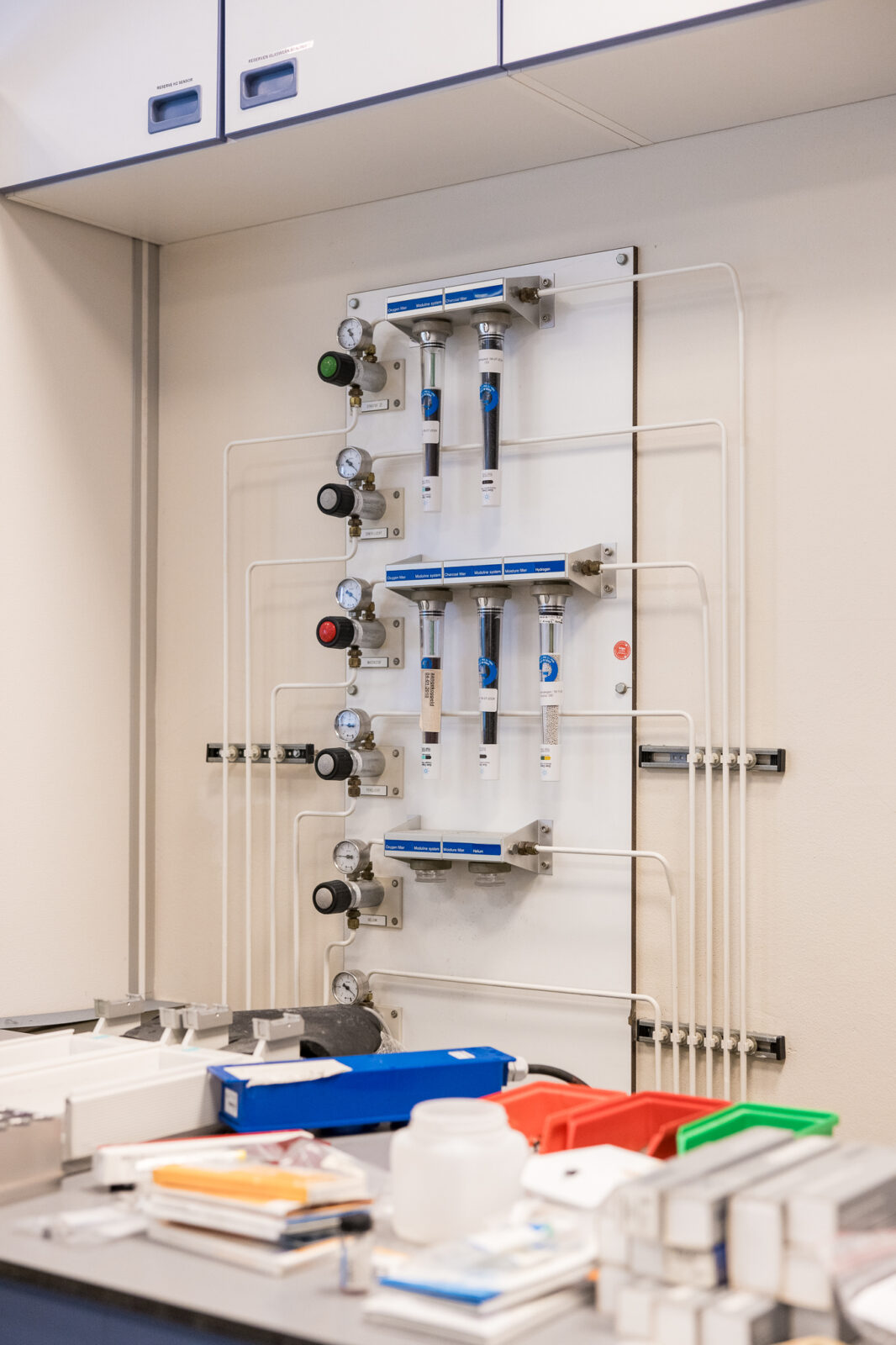
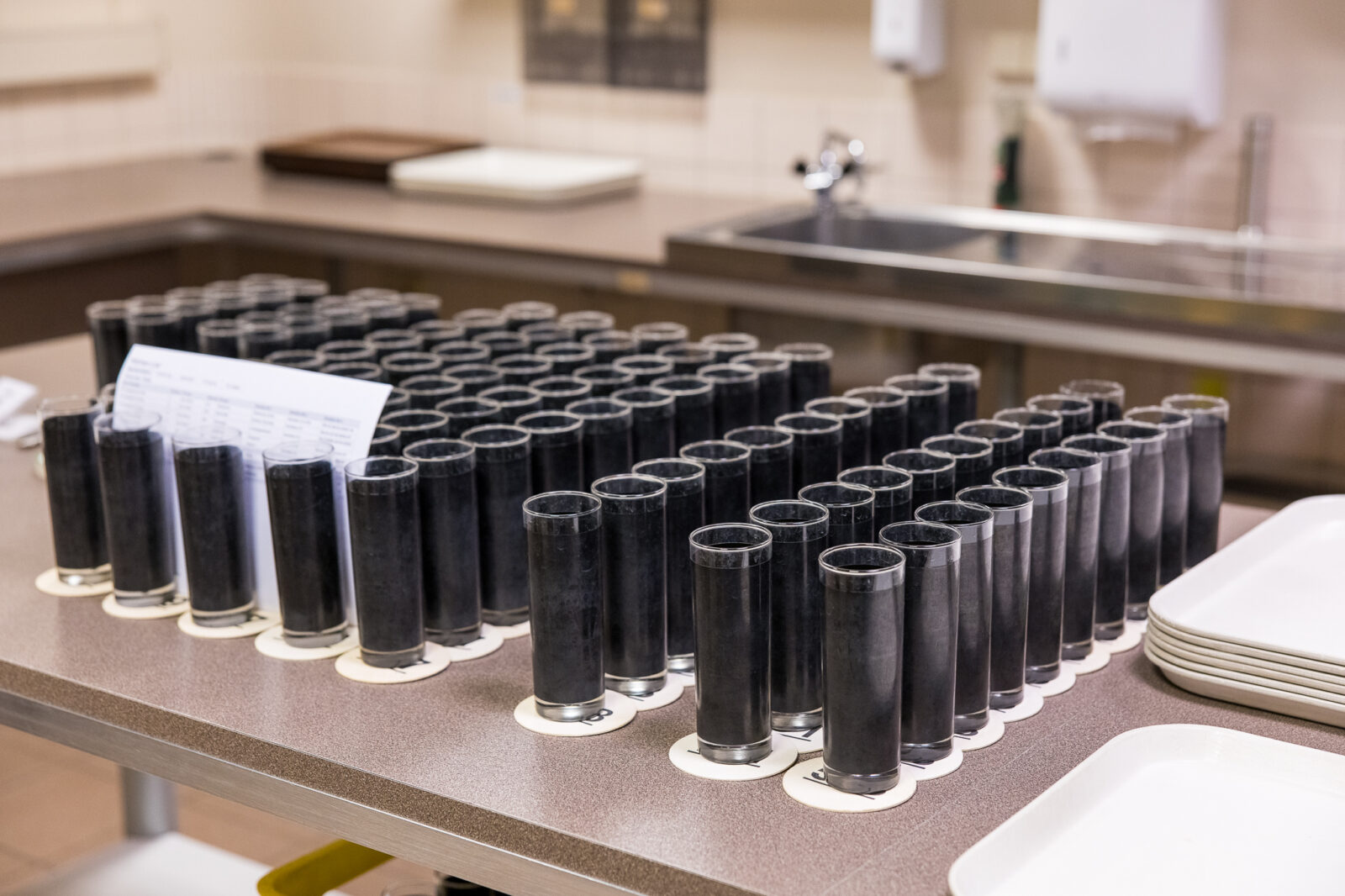
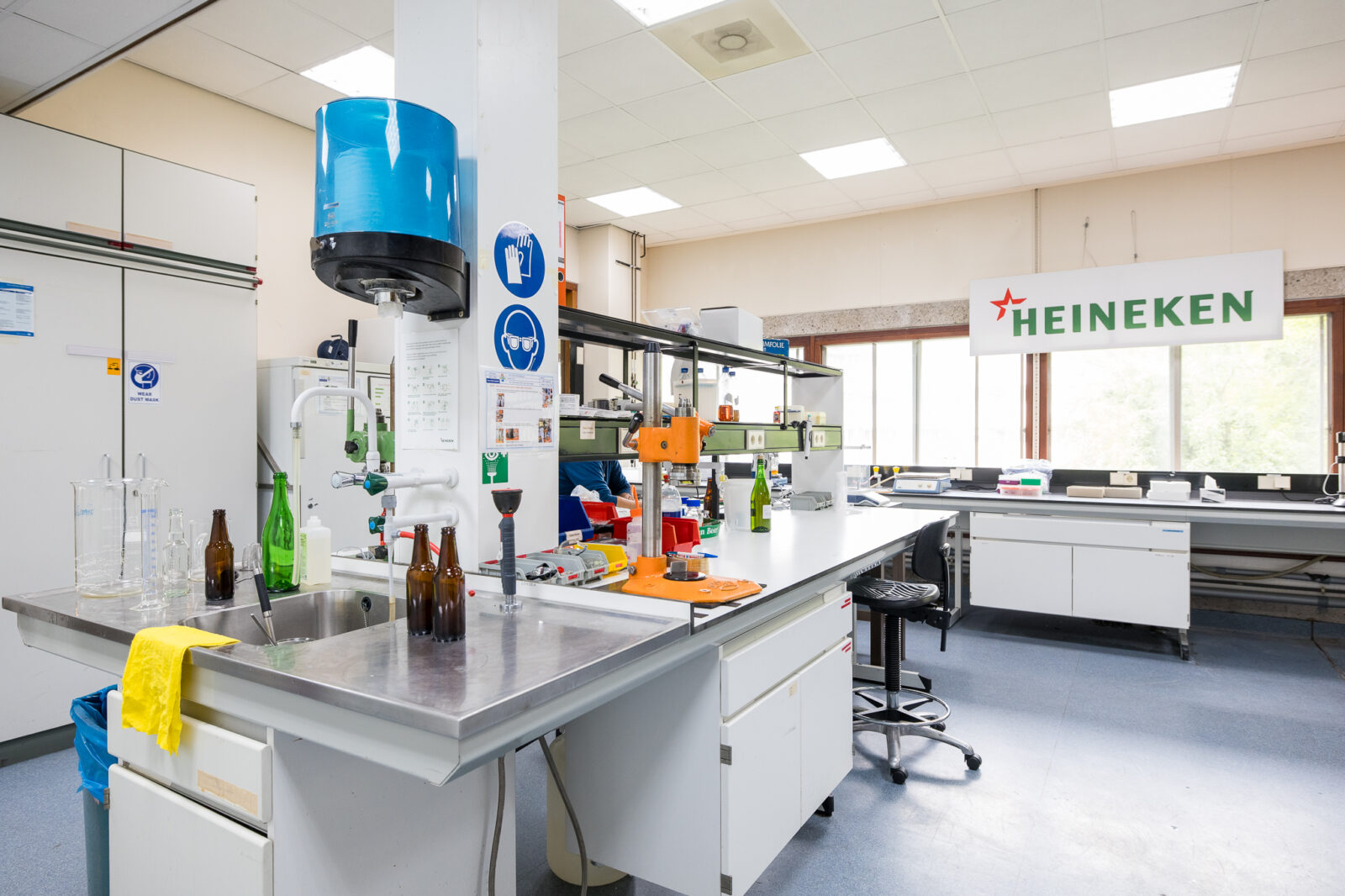
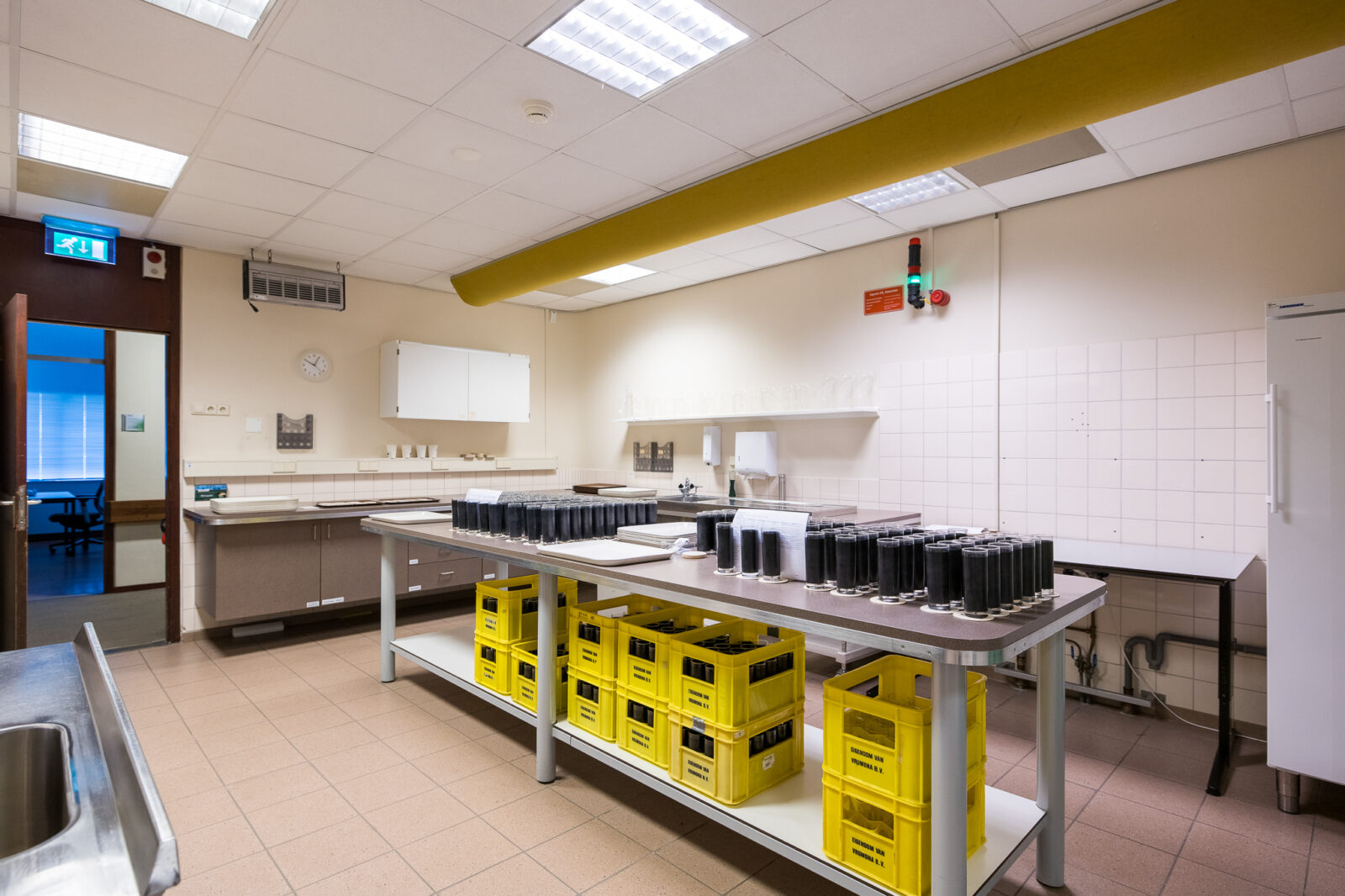
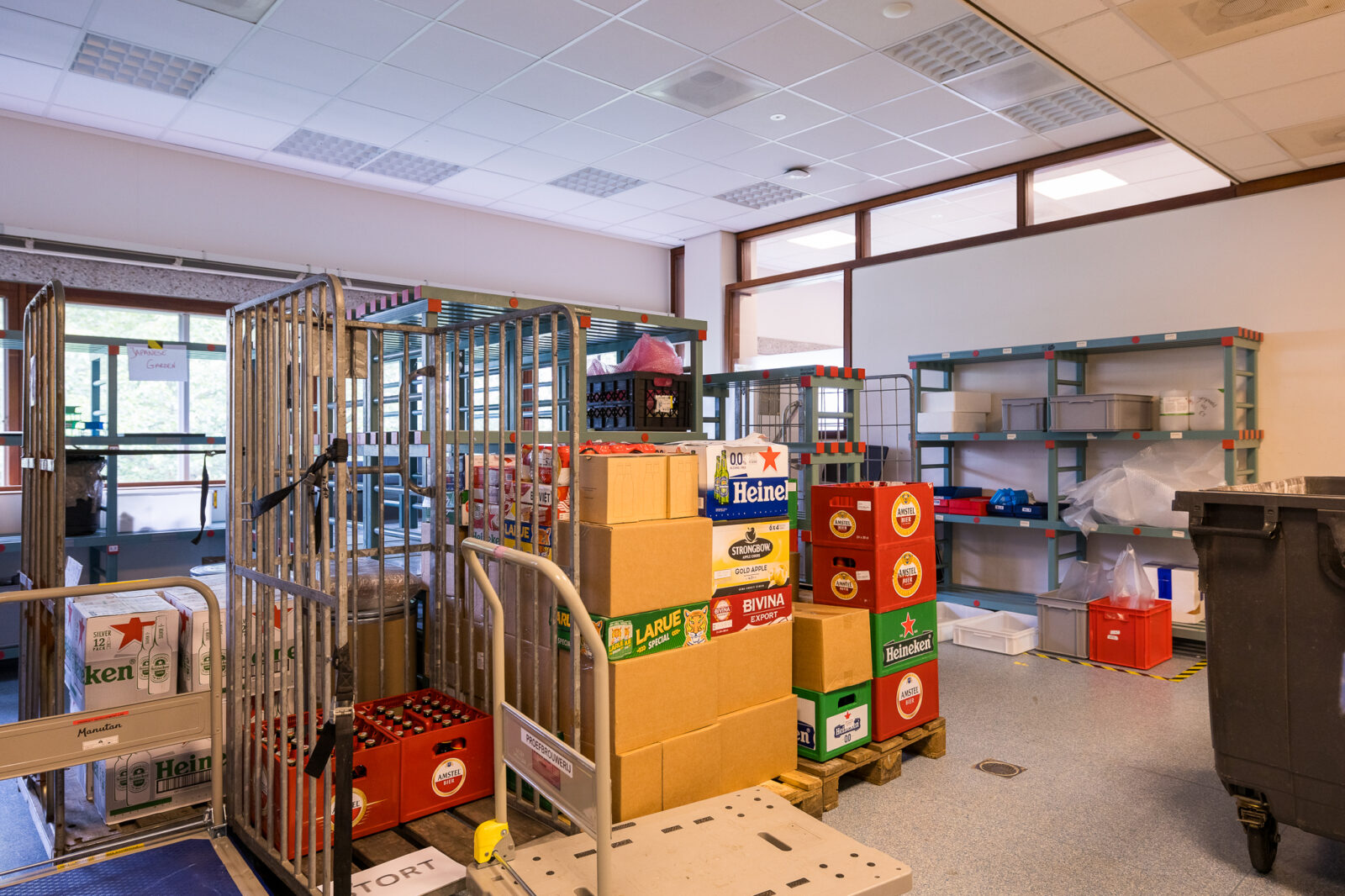
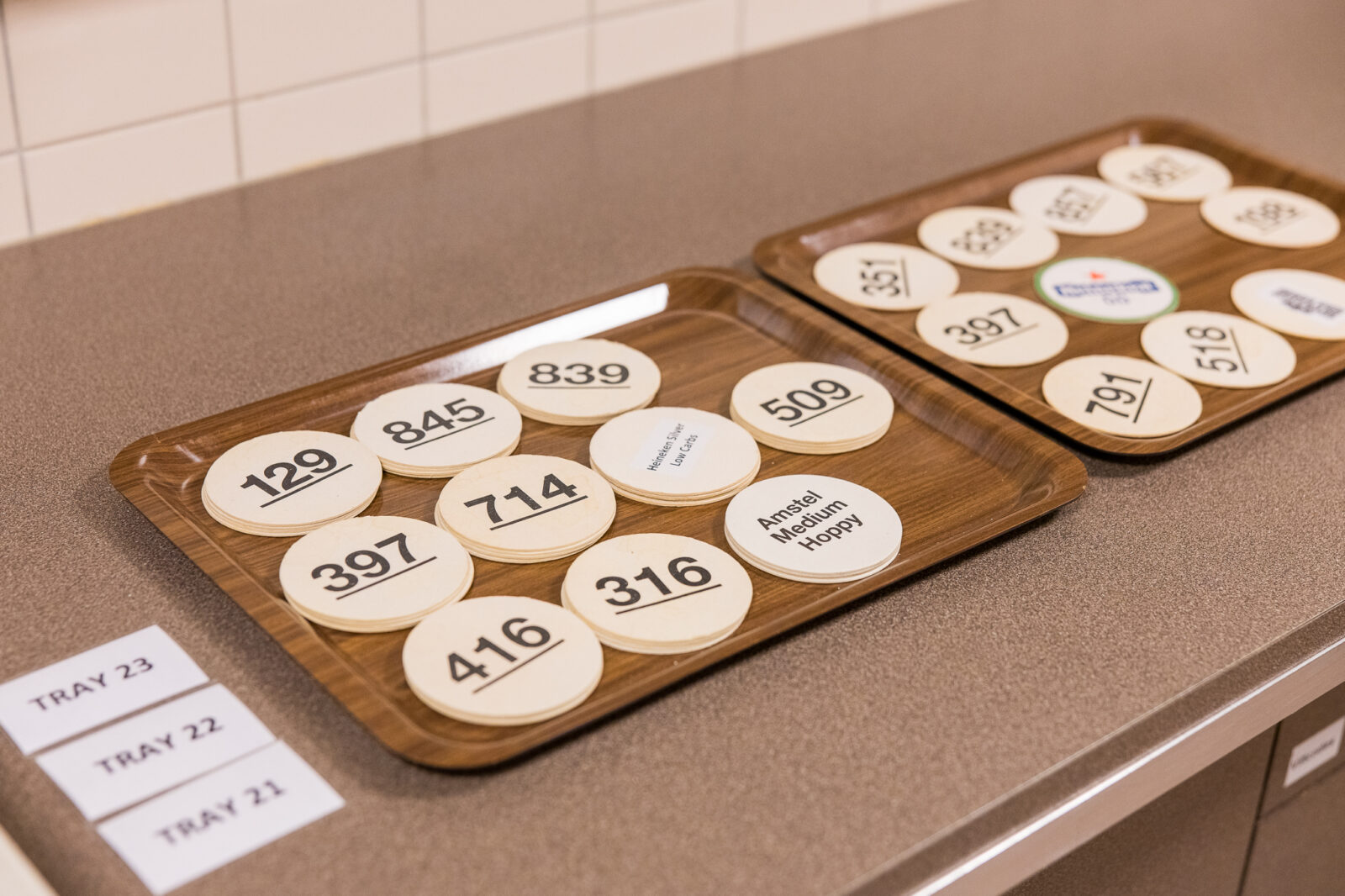
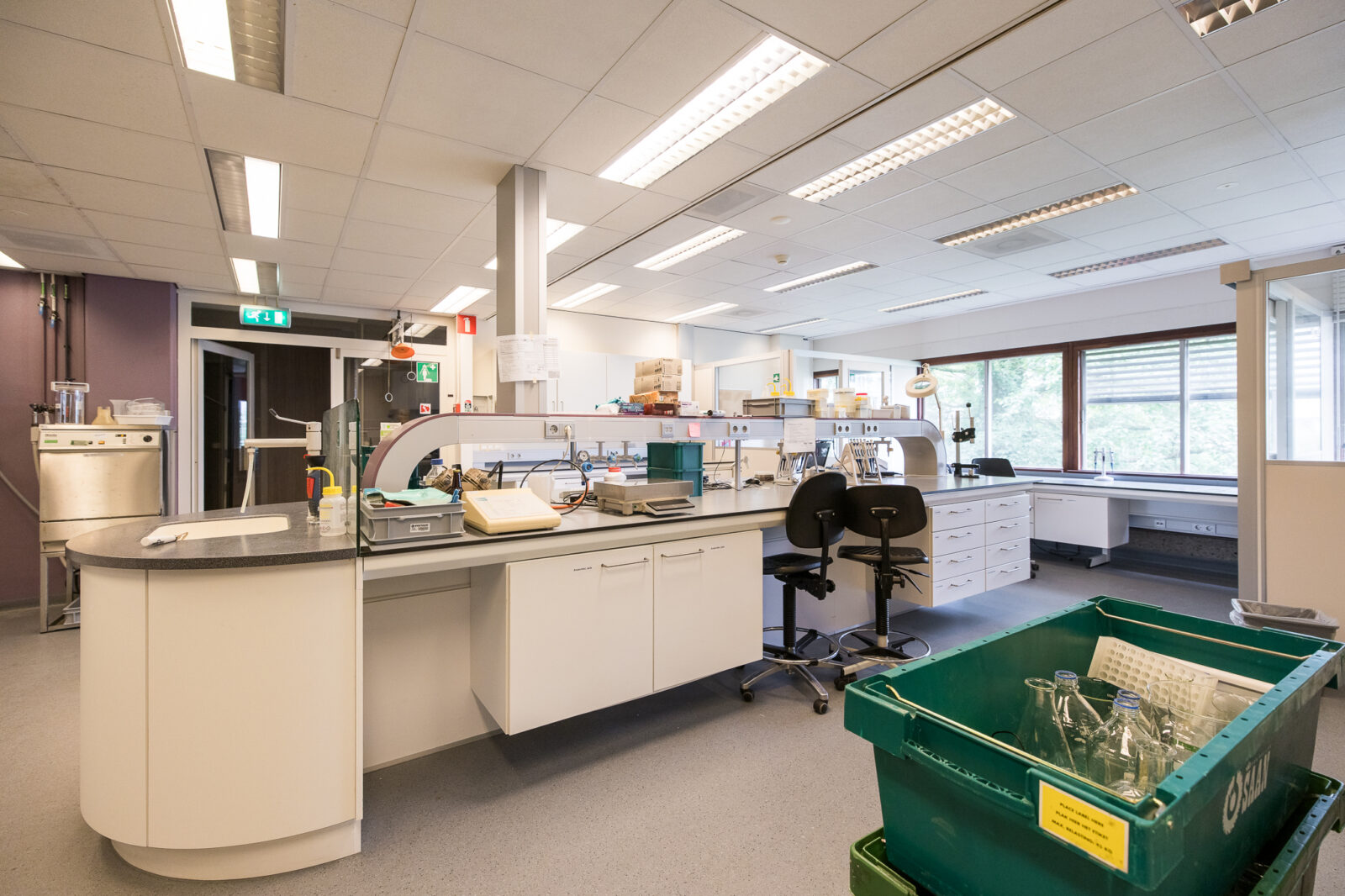
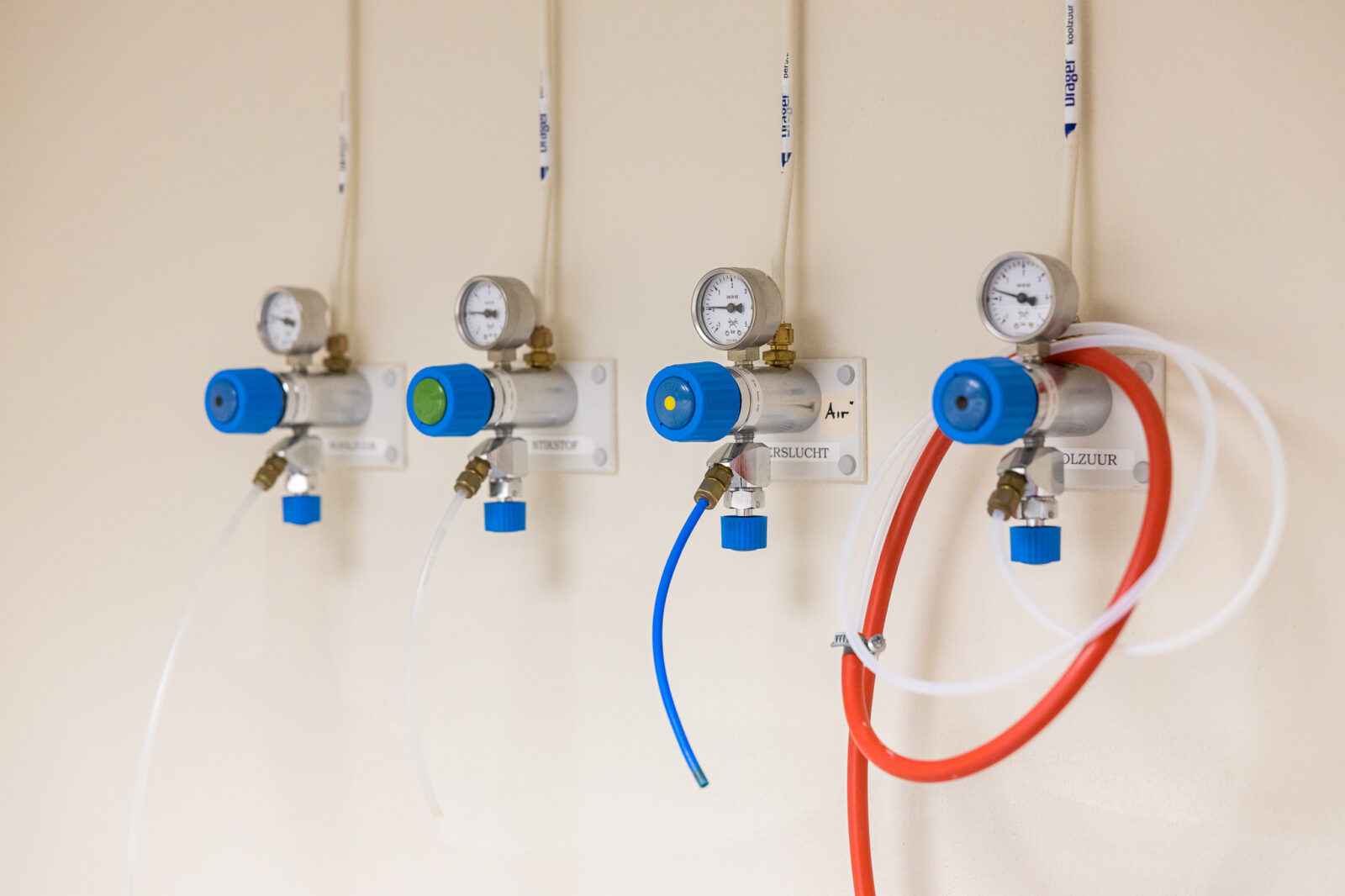
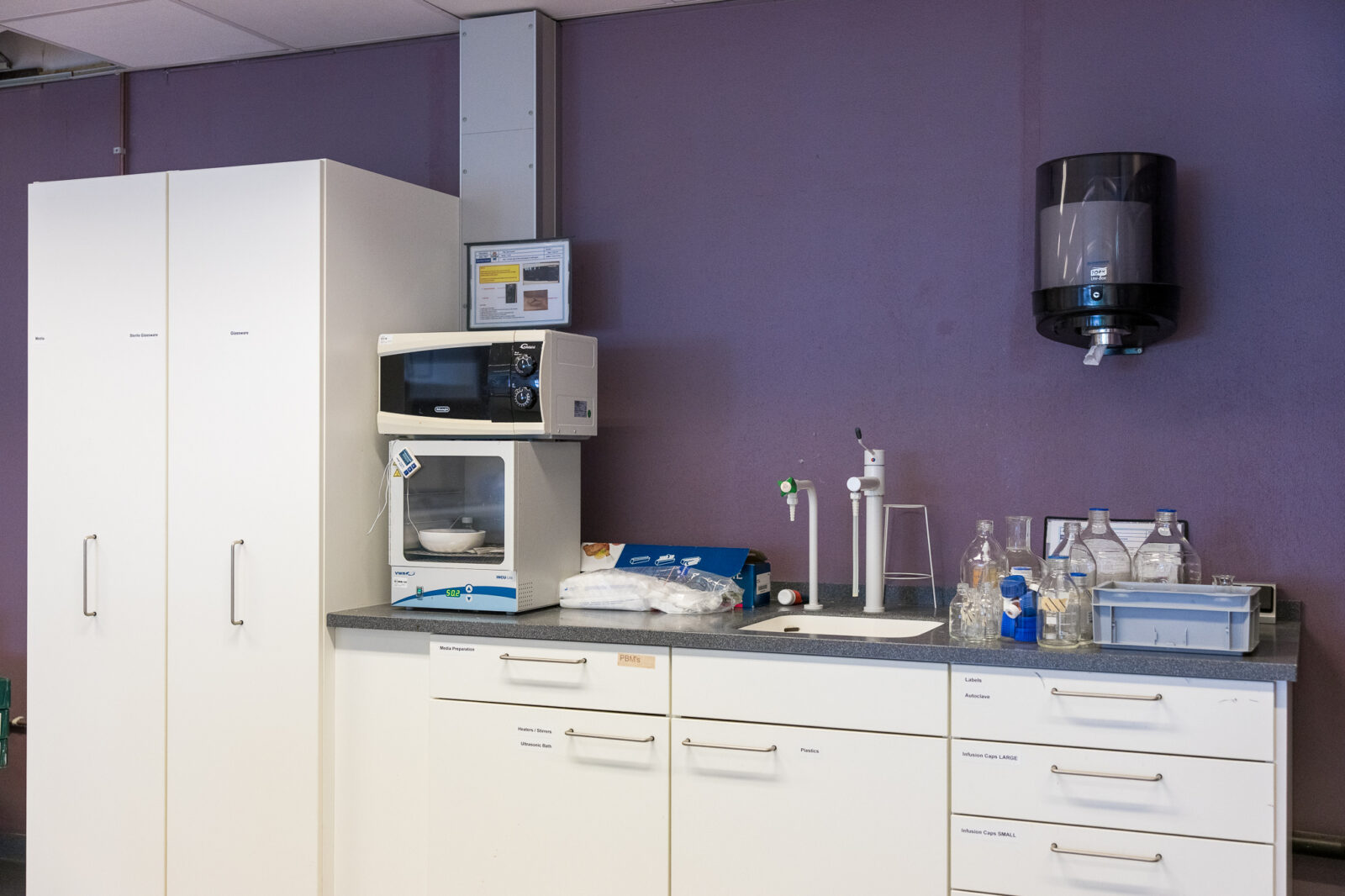
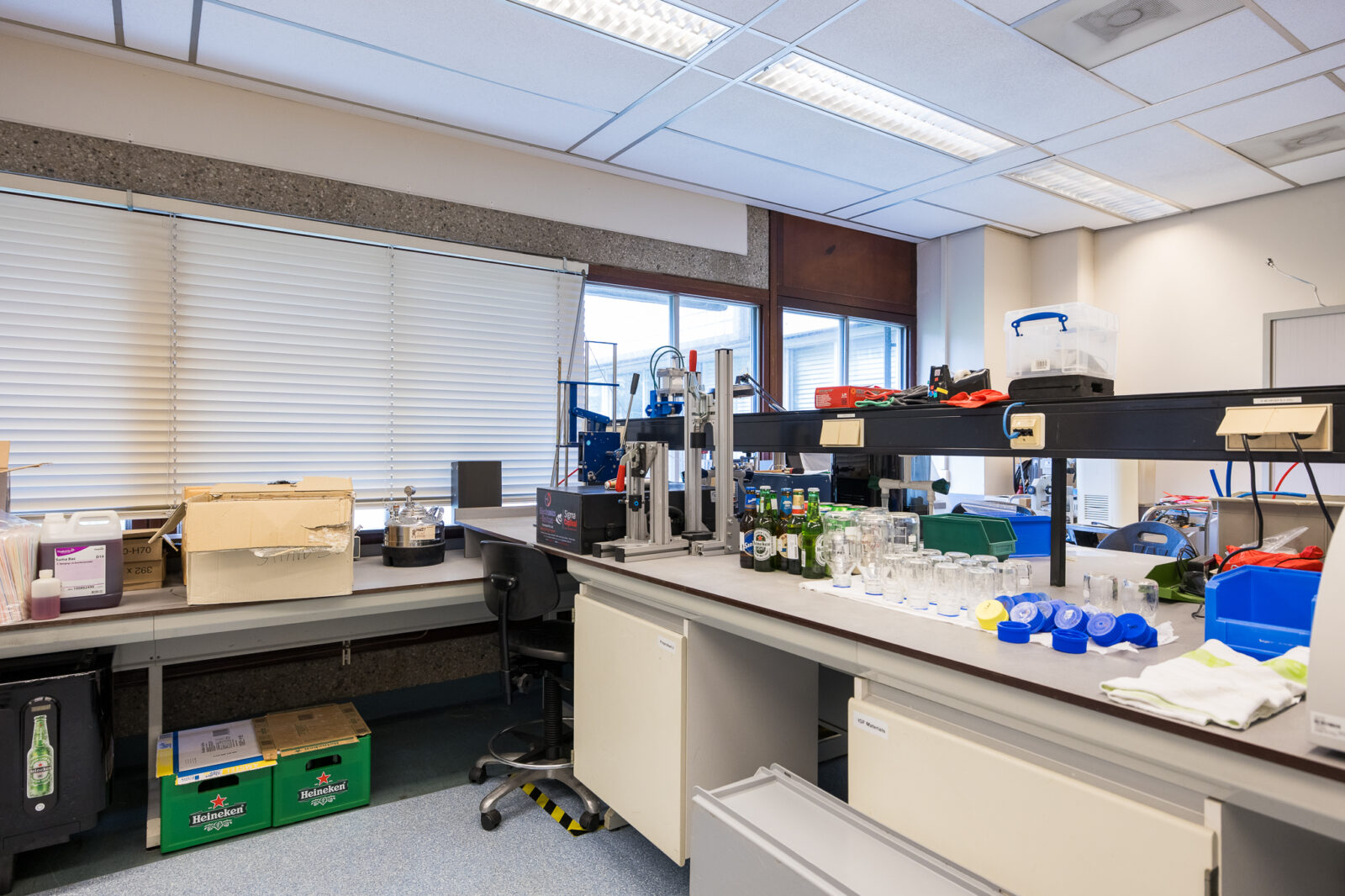
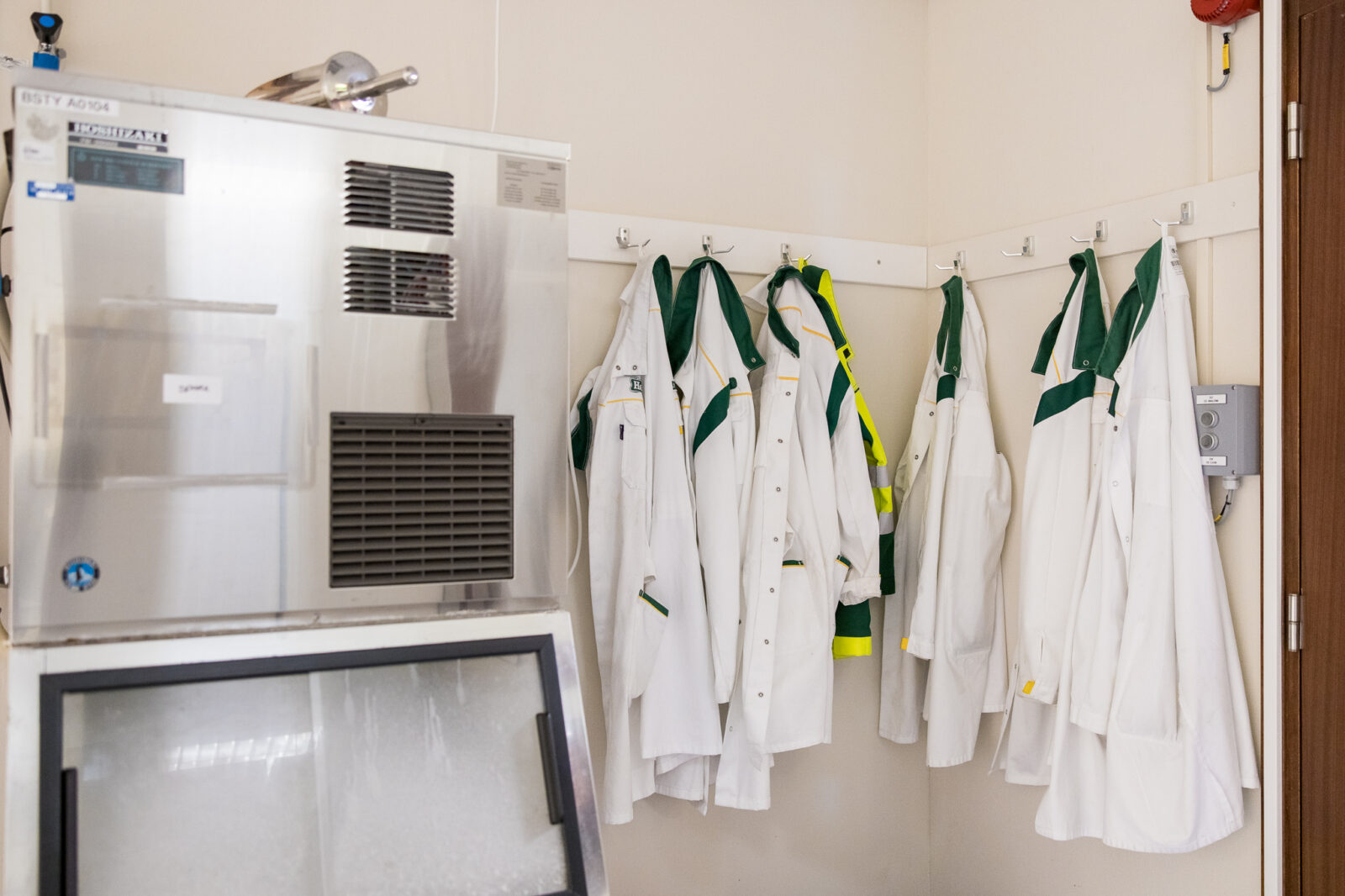
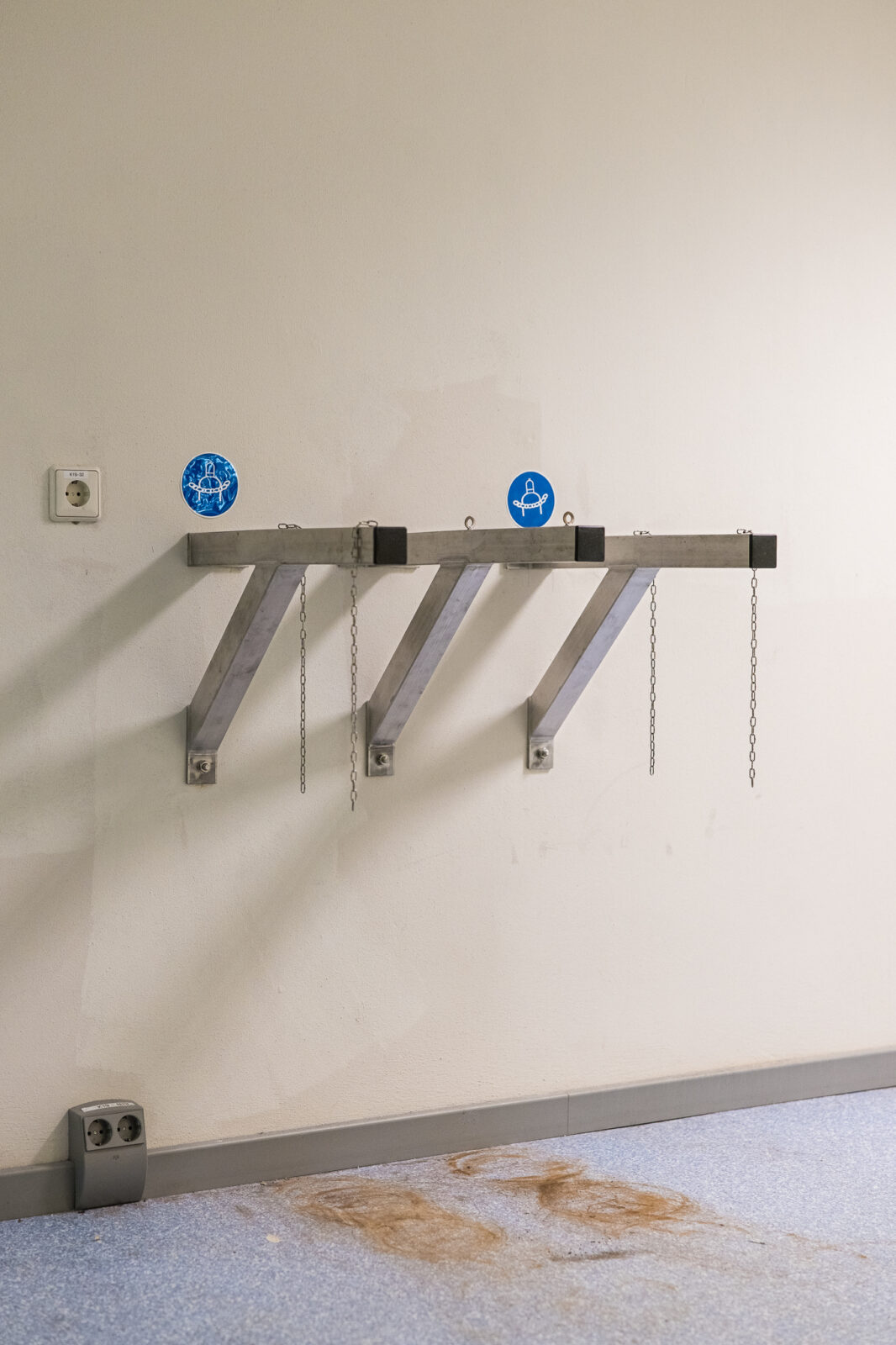
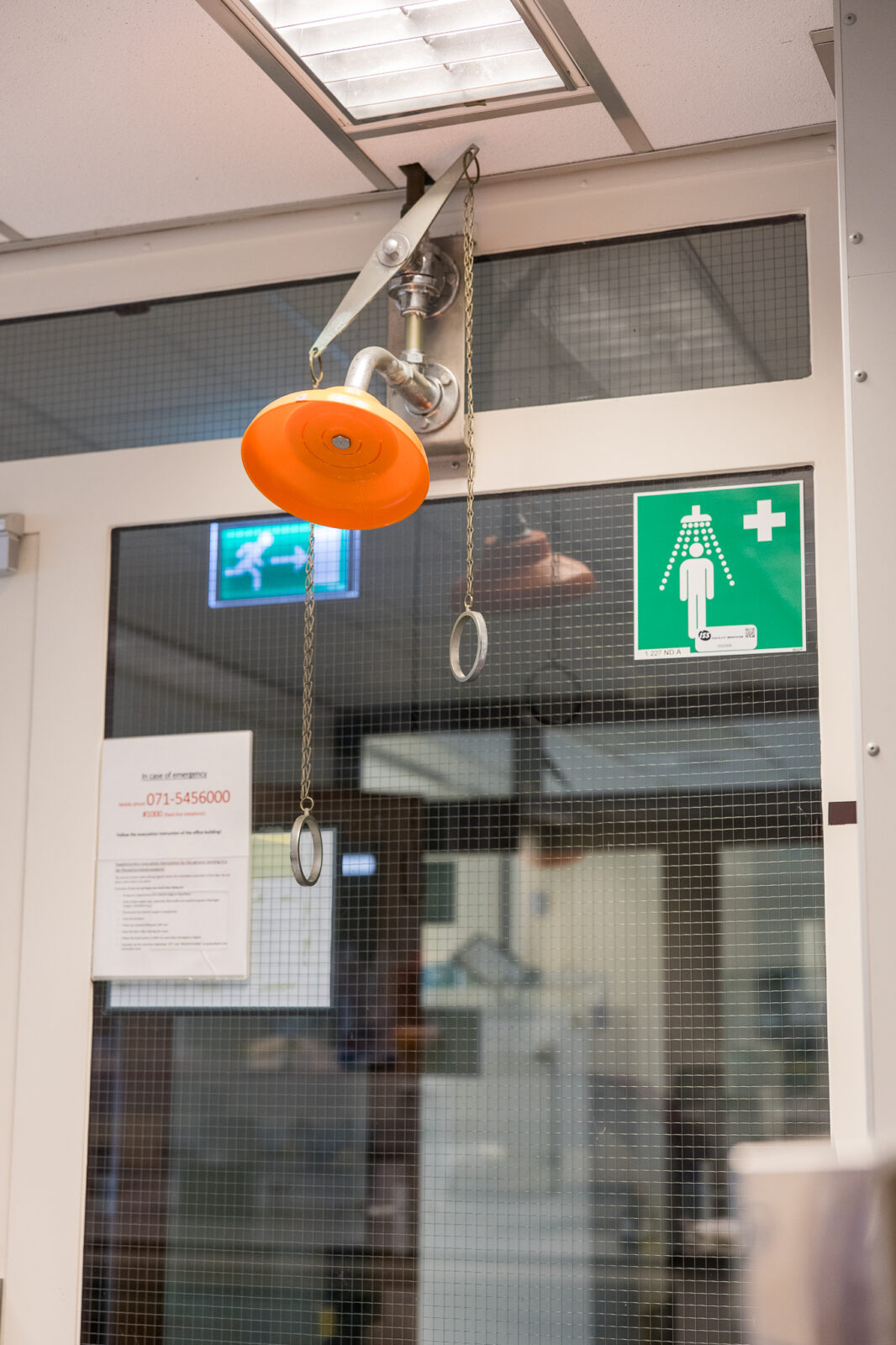
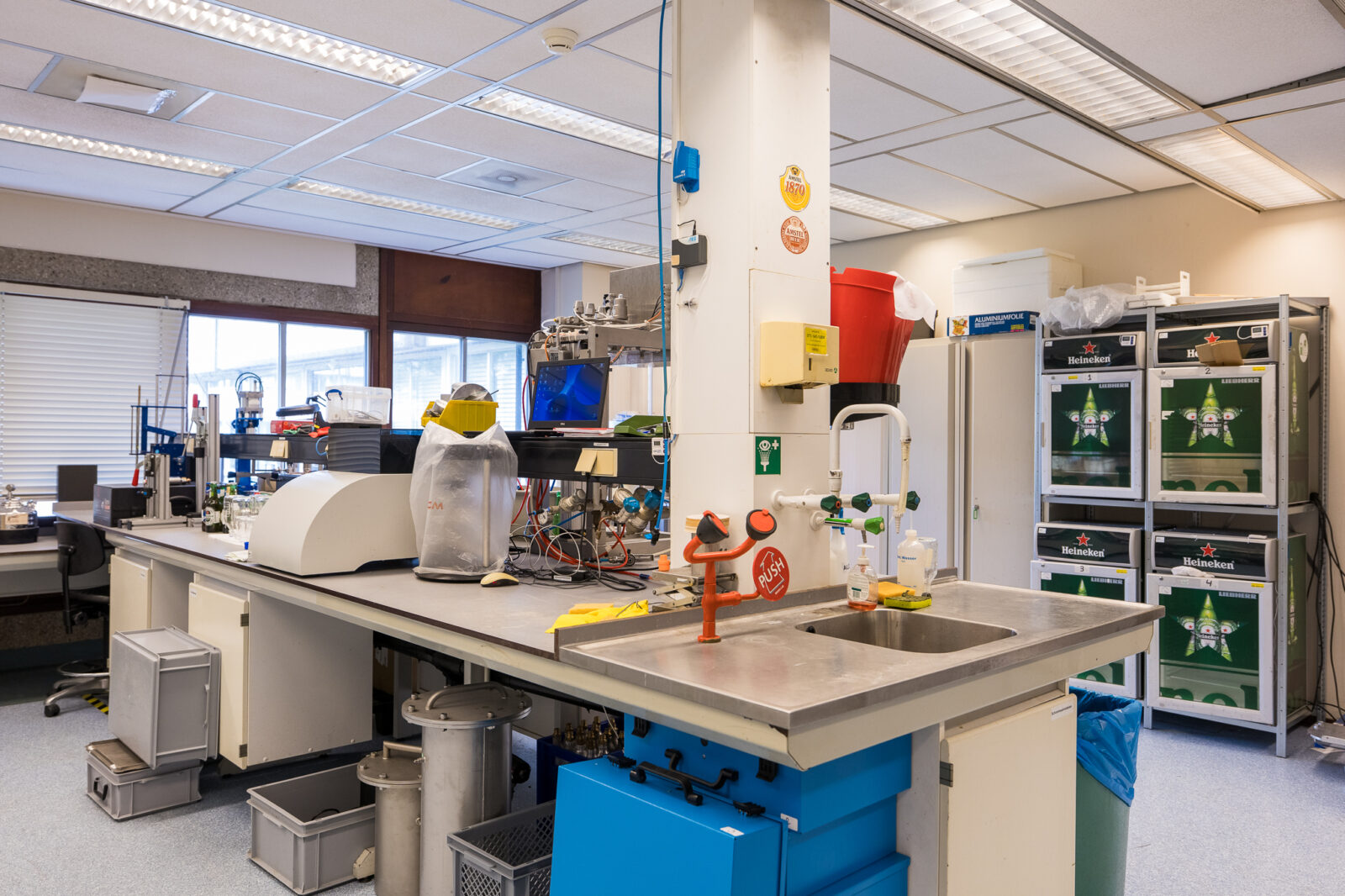
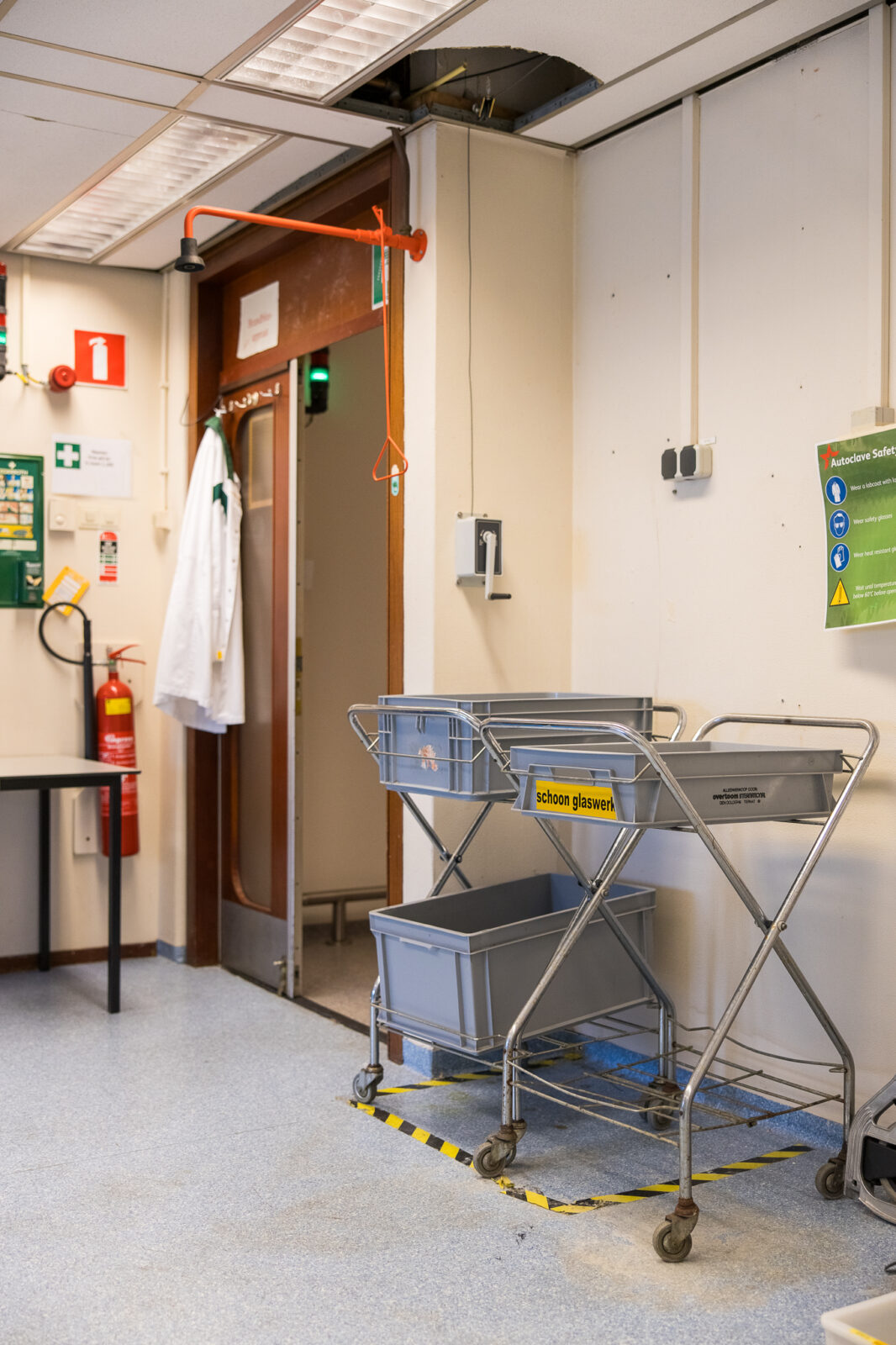
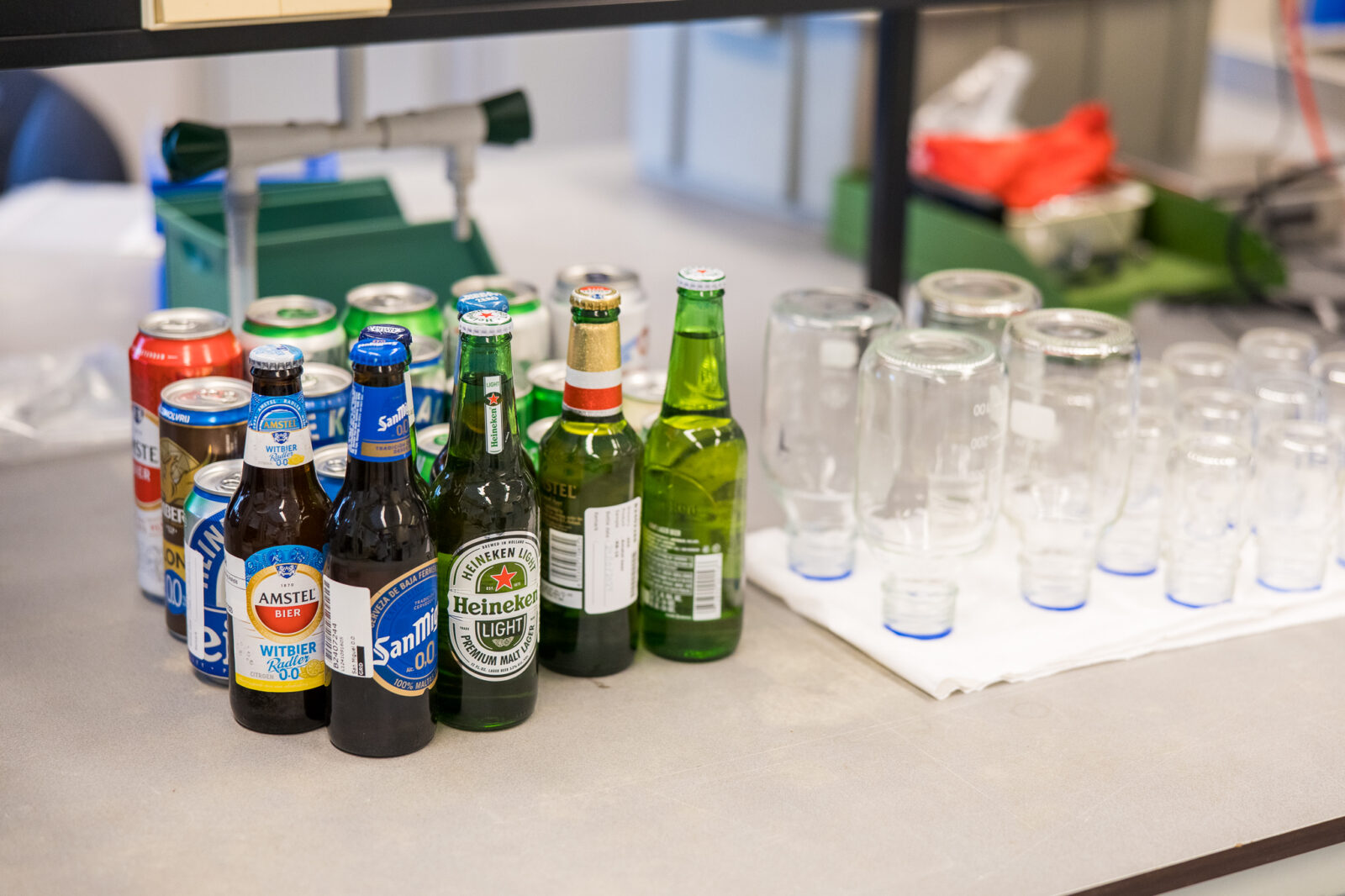
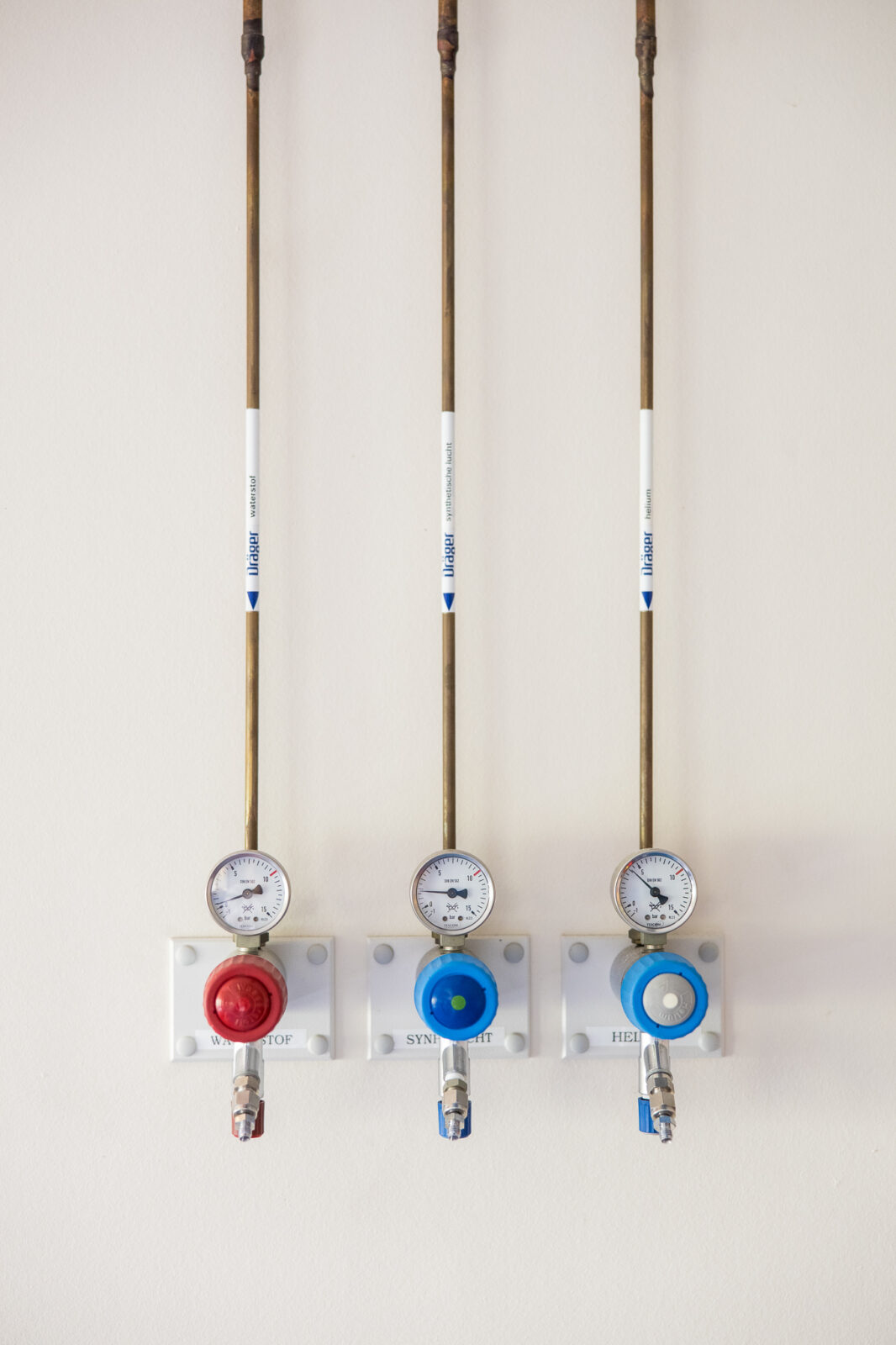
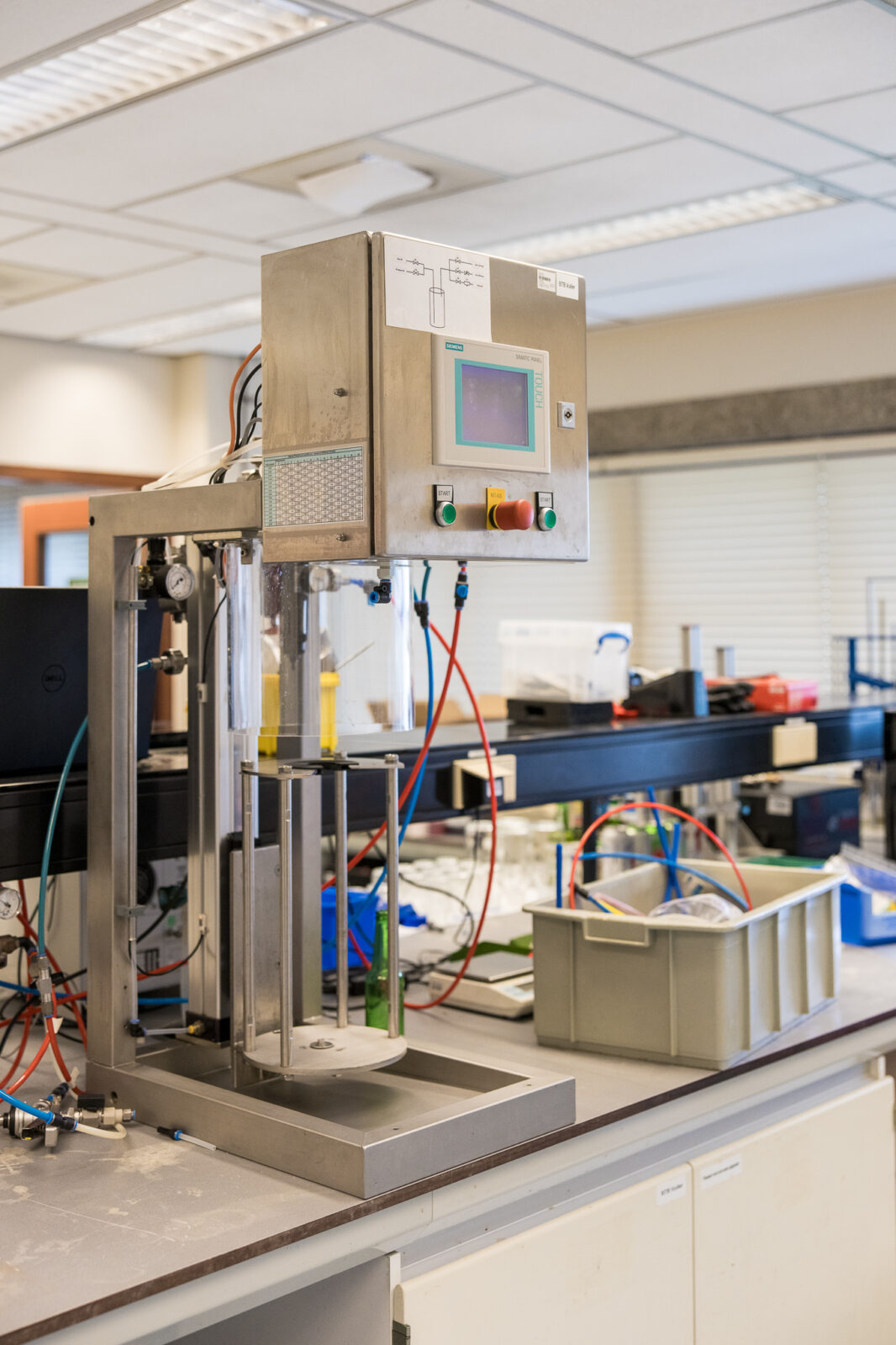
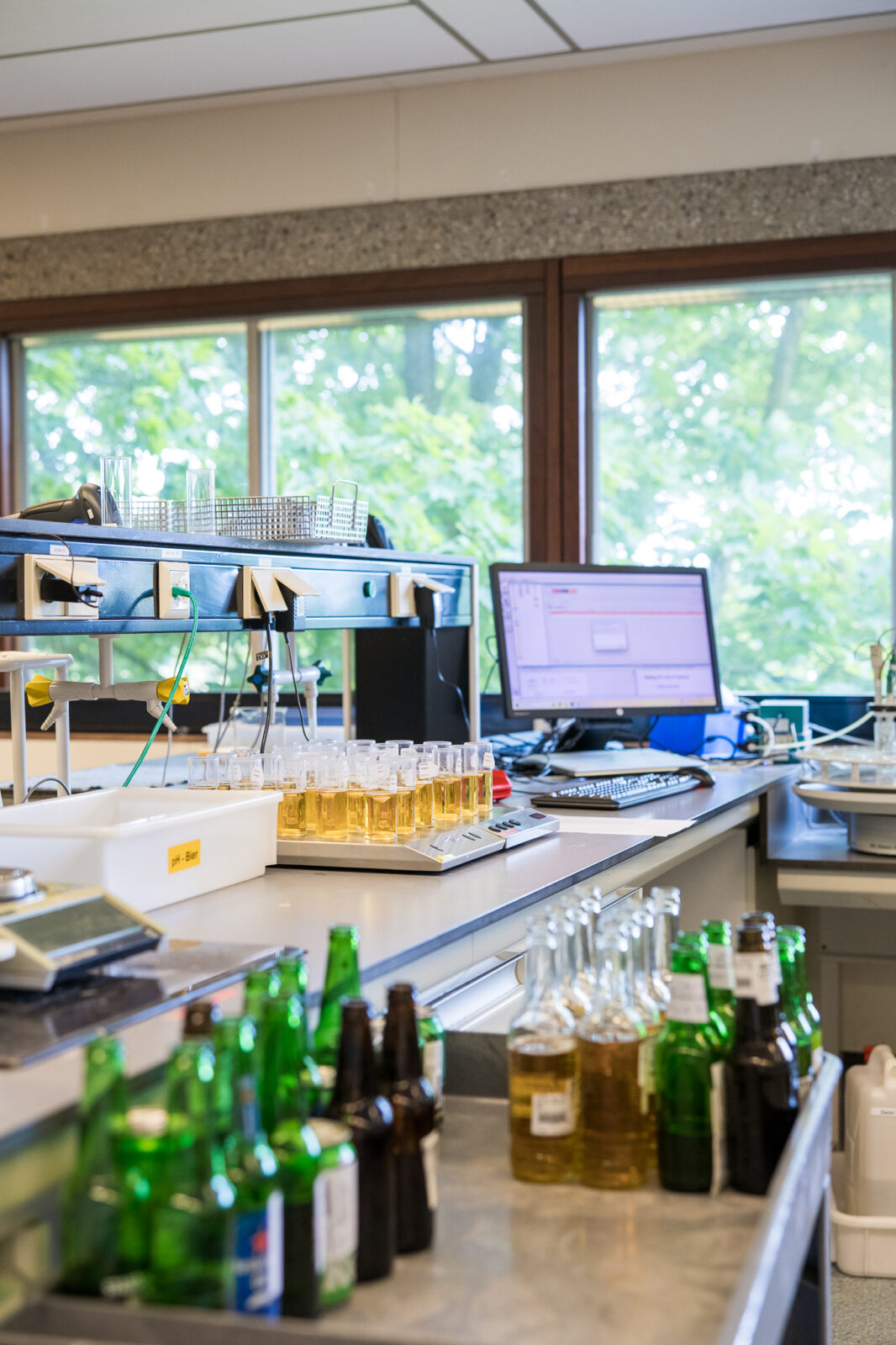
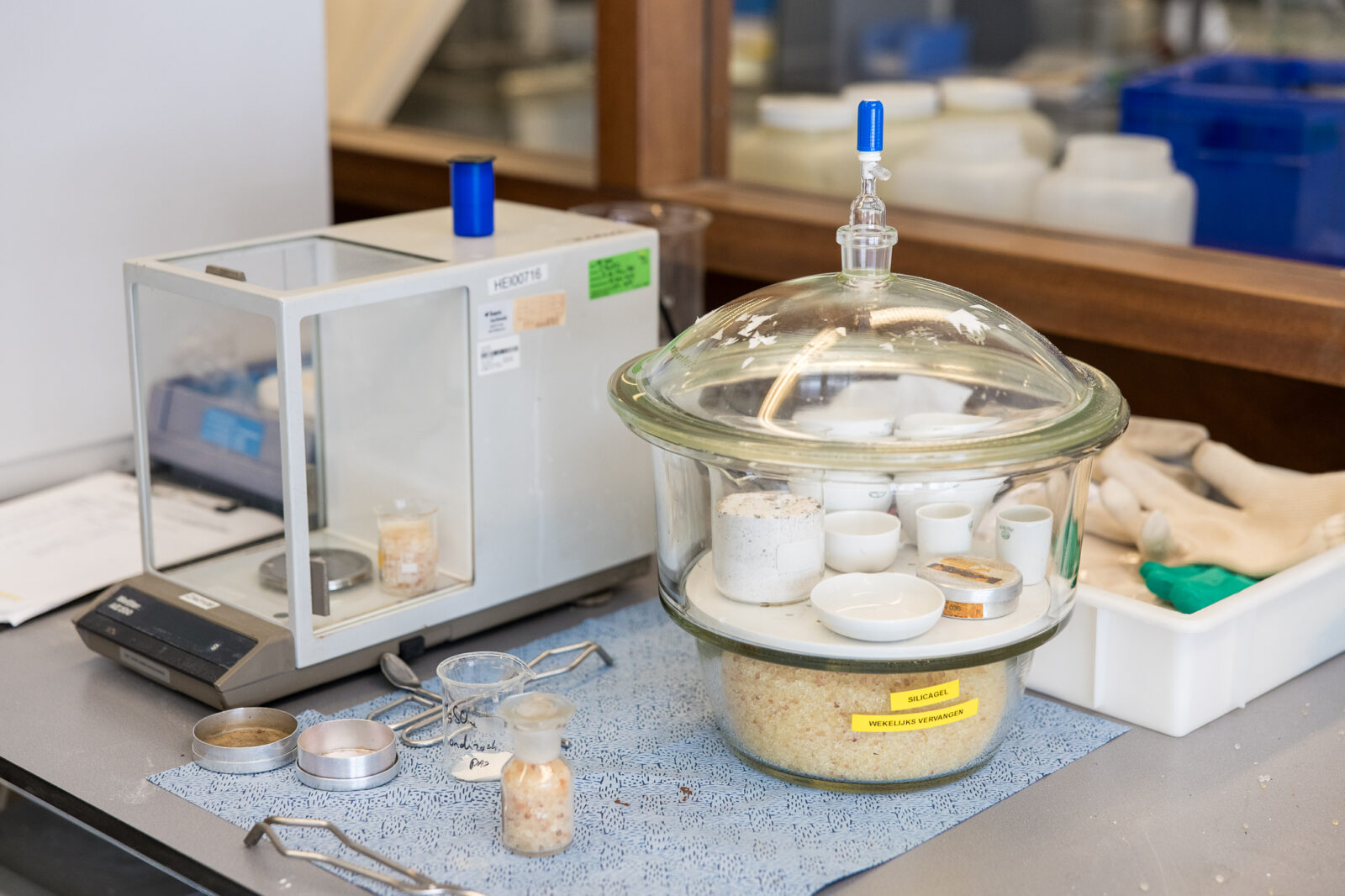
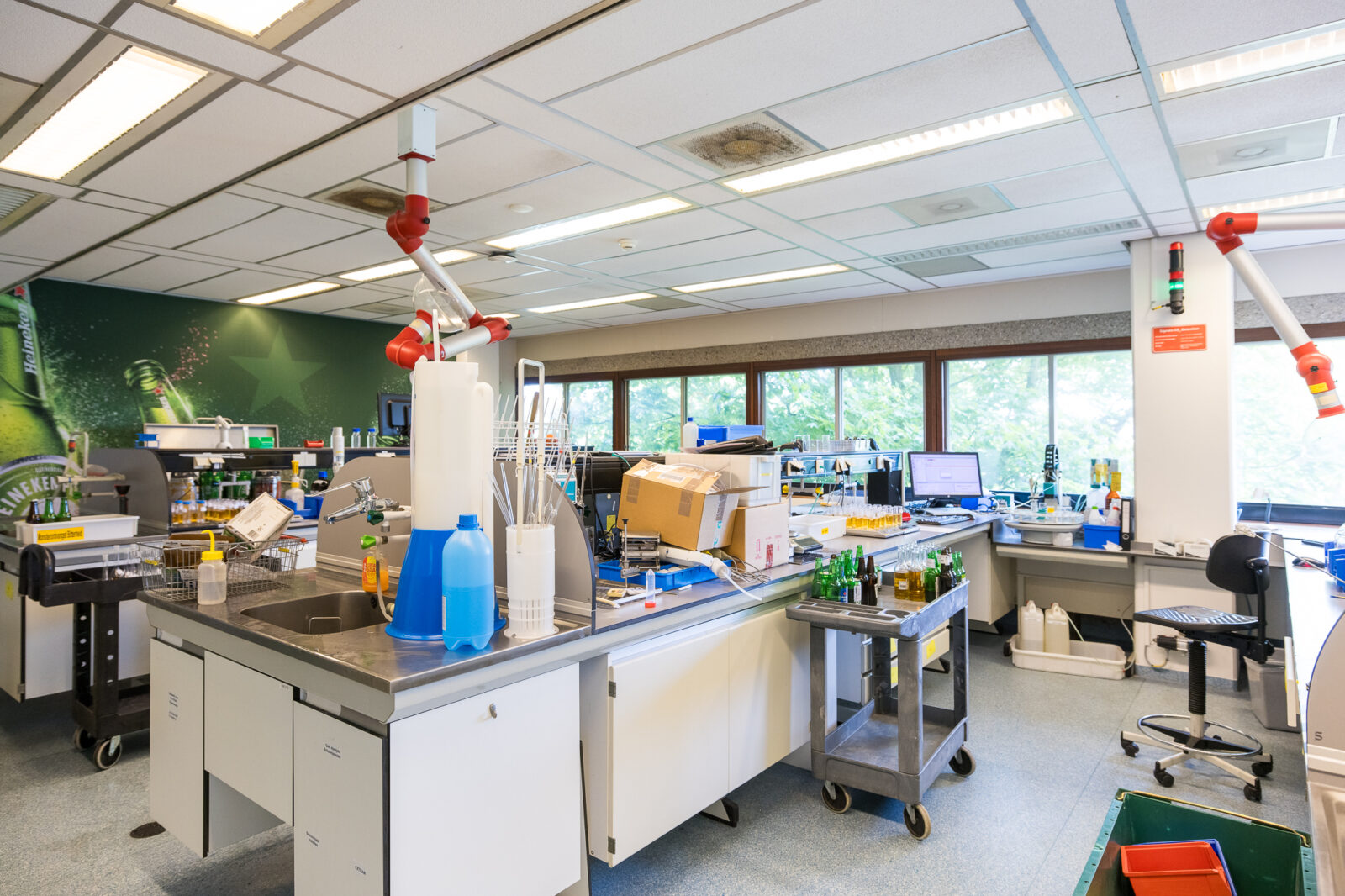
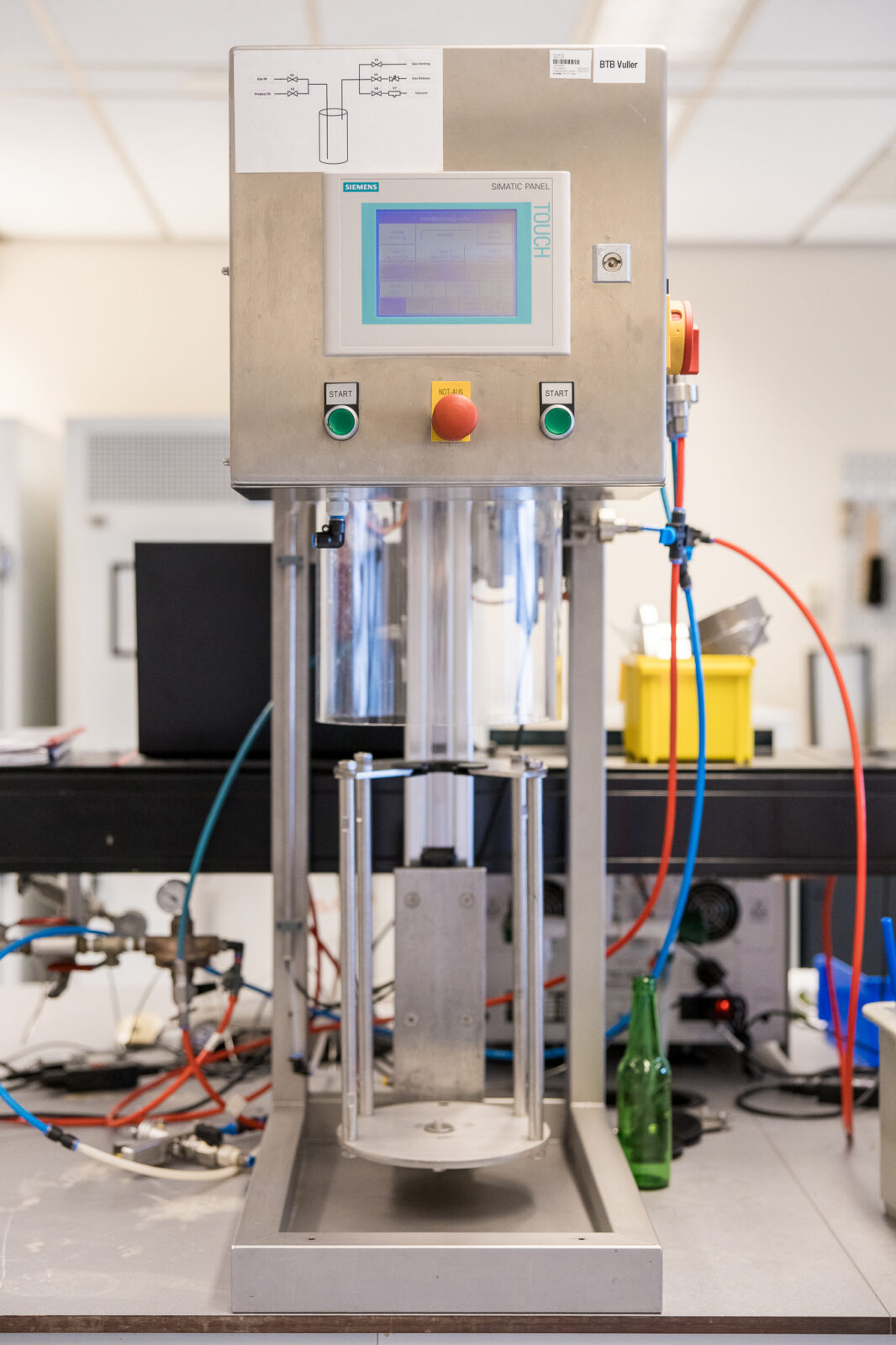
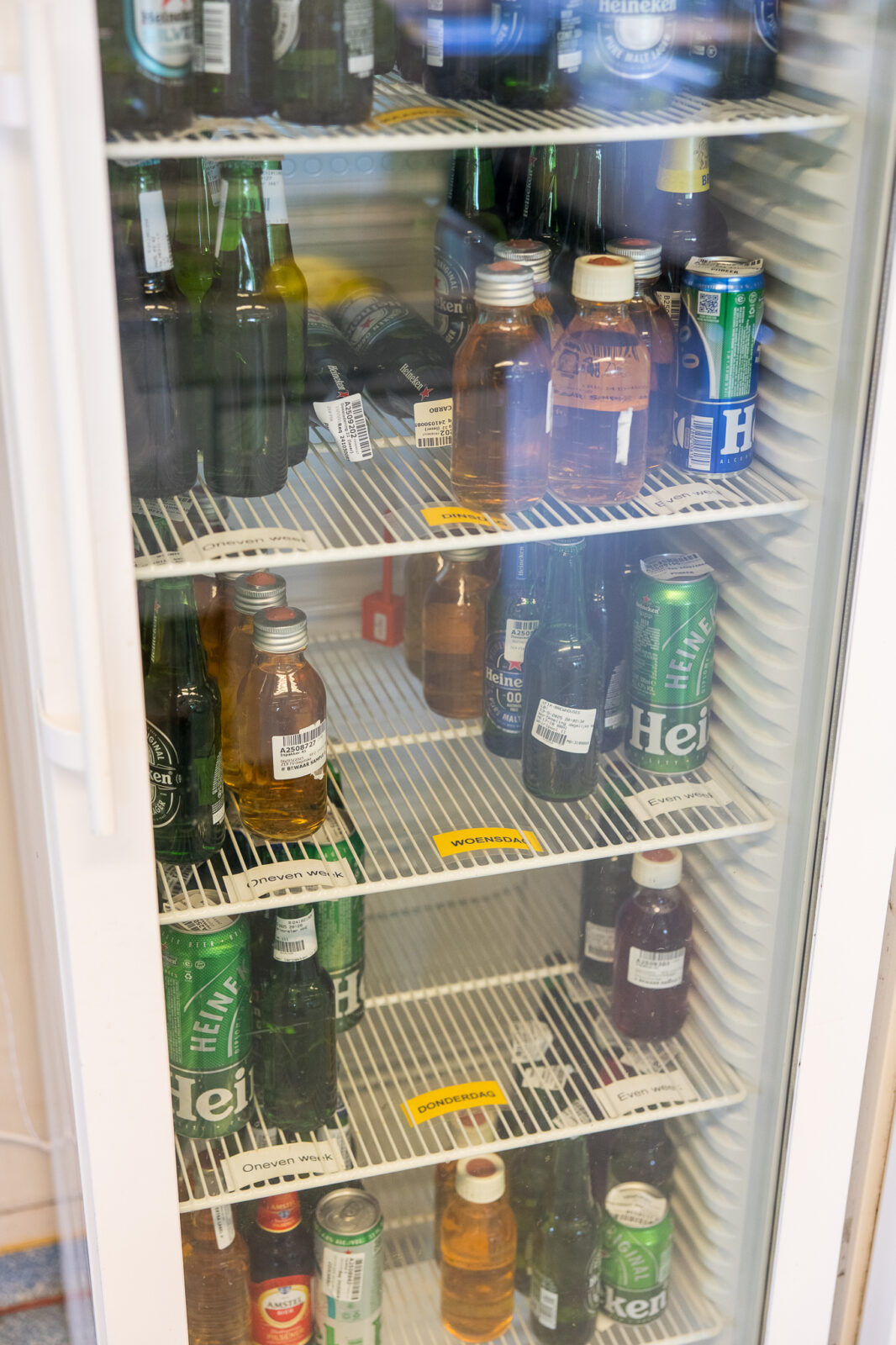
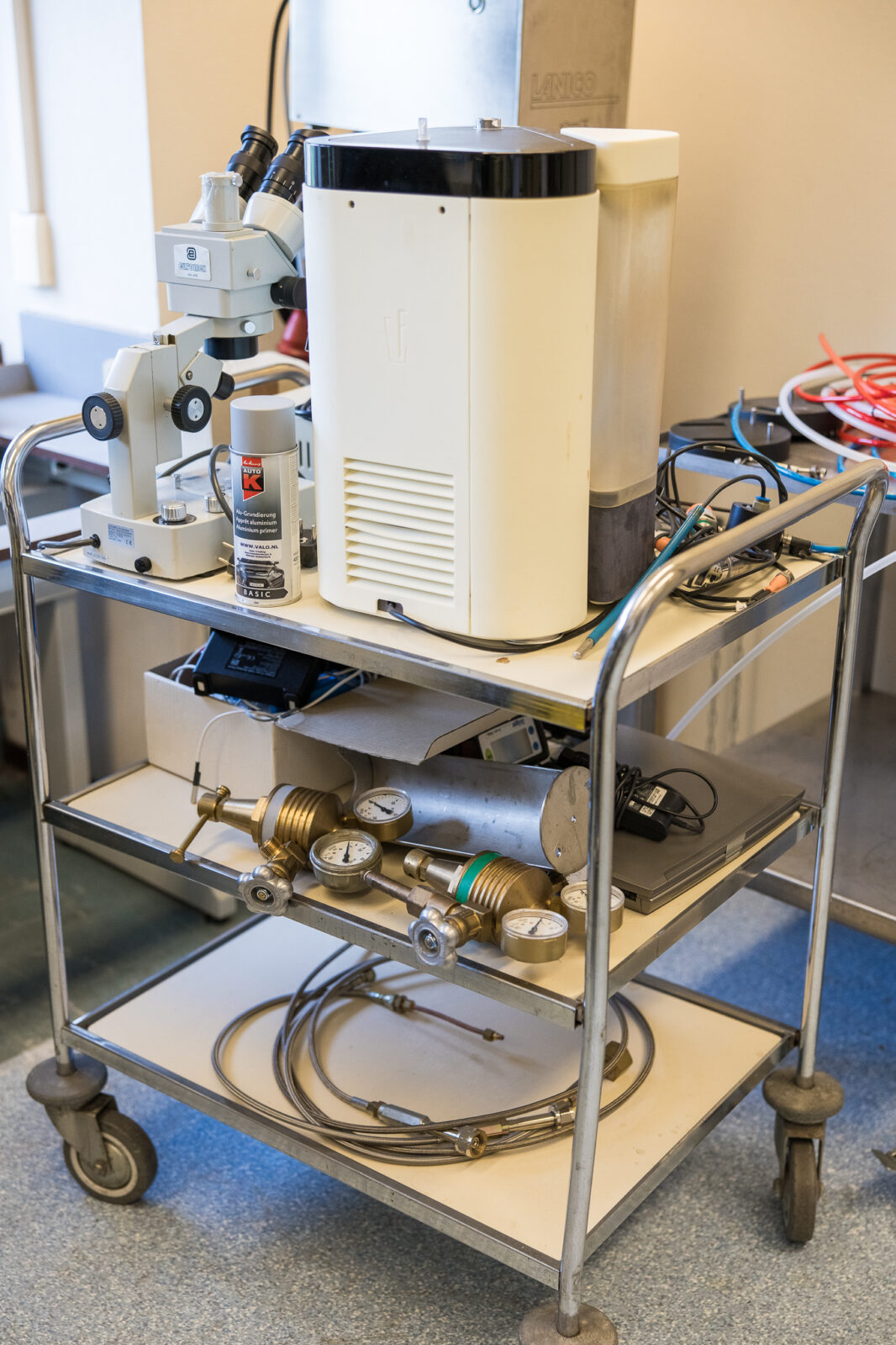
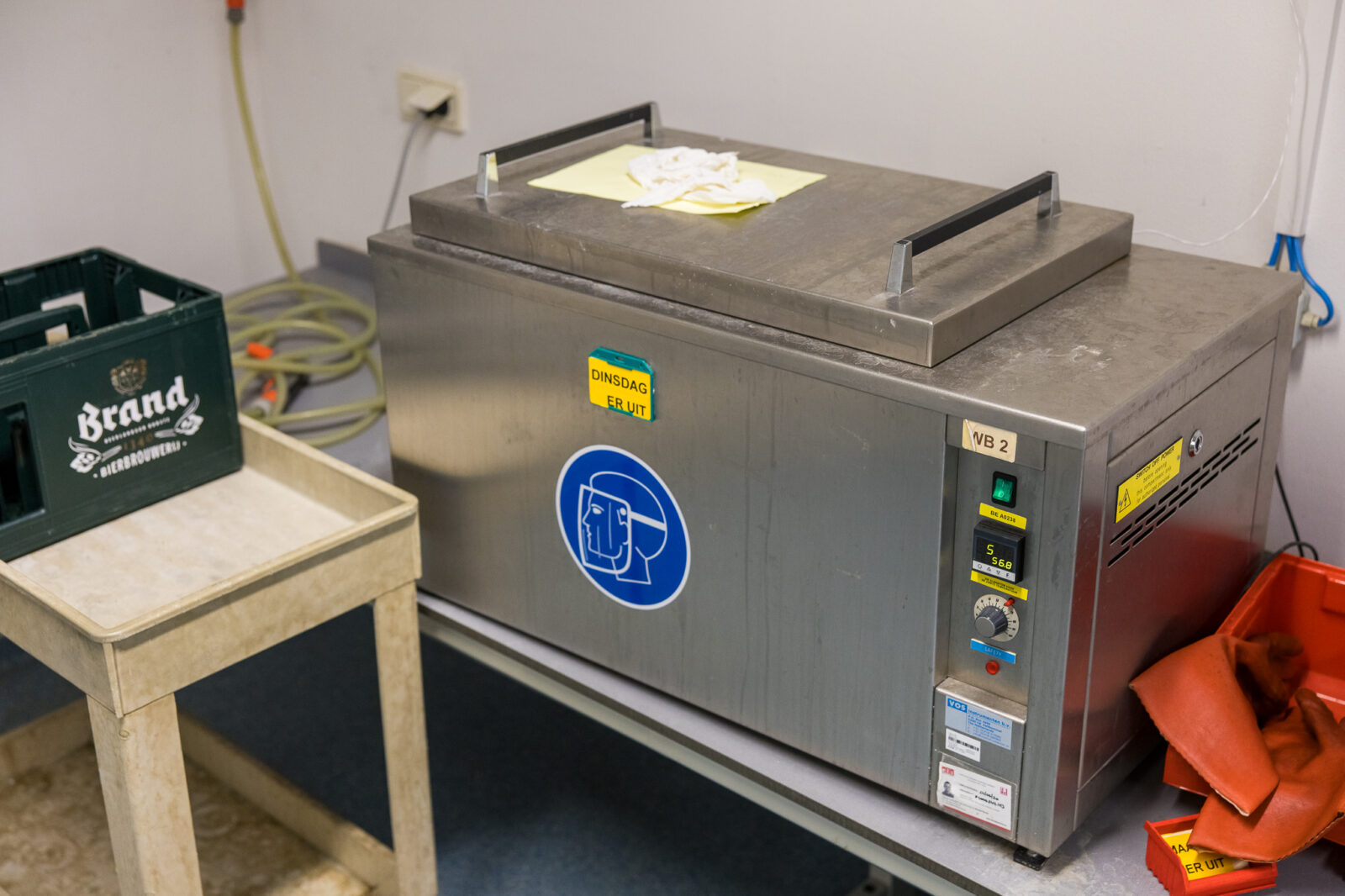
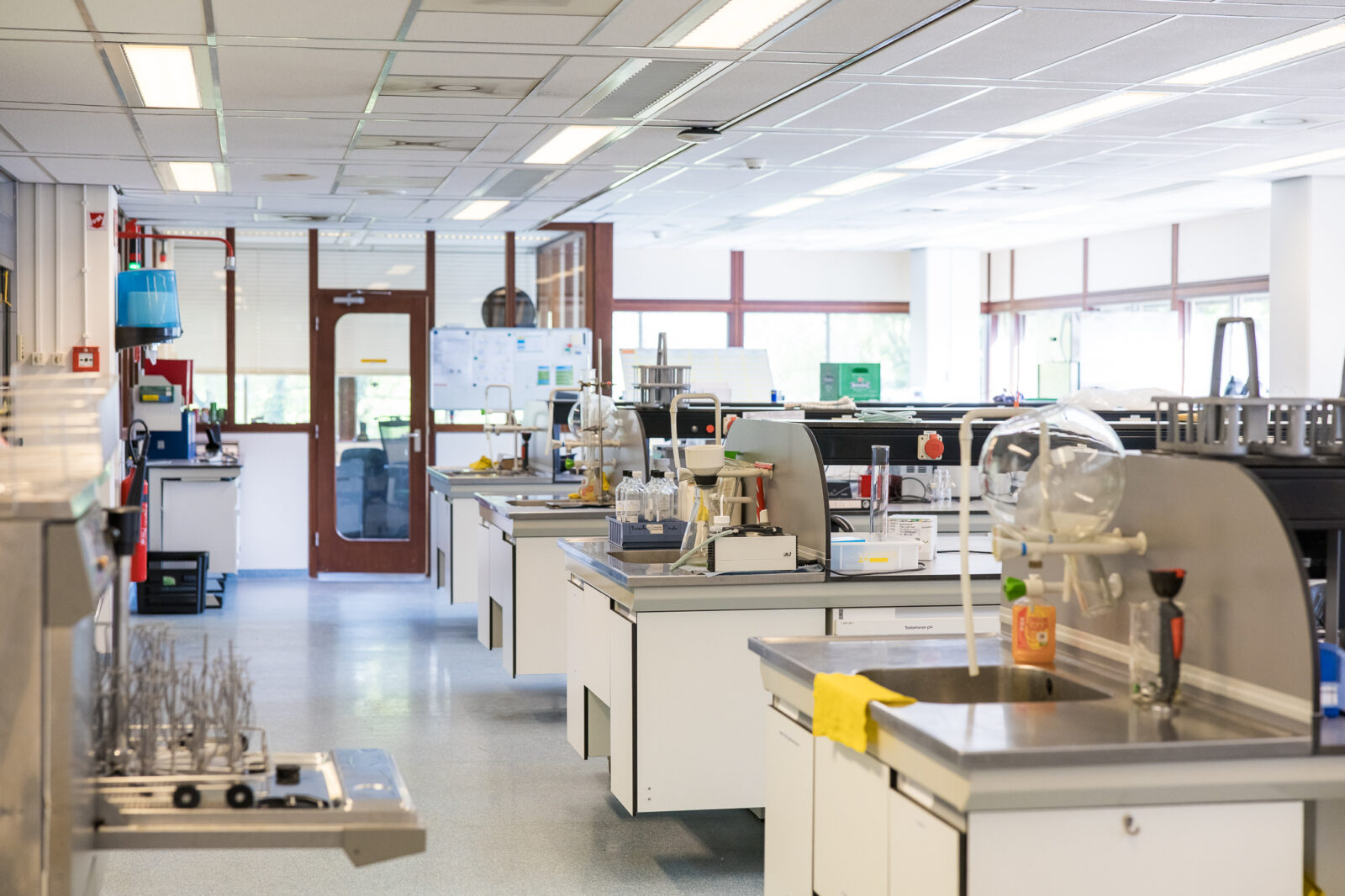
Documenting the Former R&D Building





































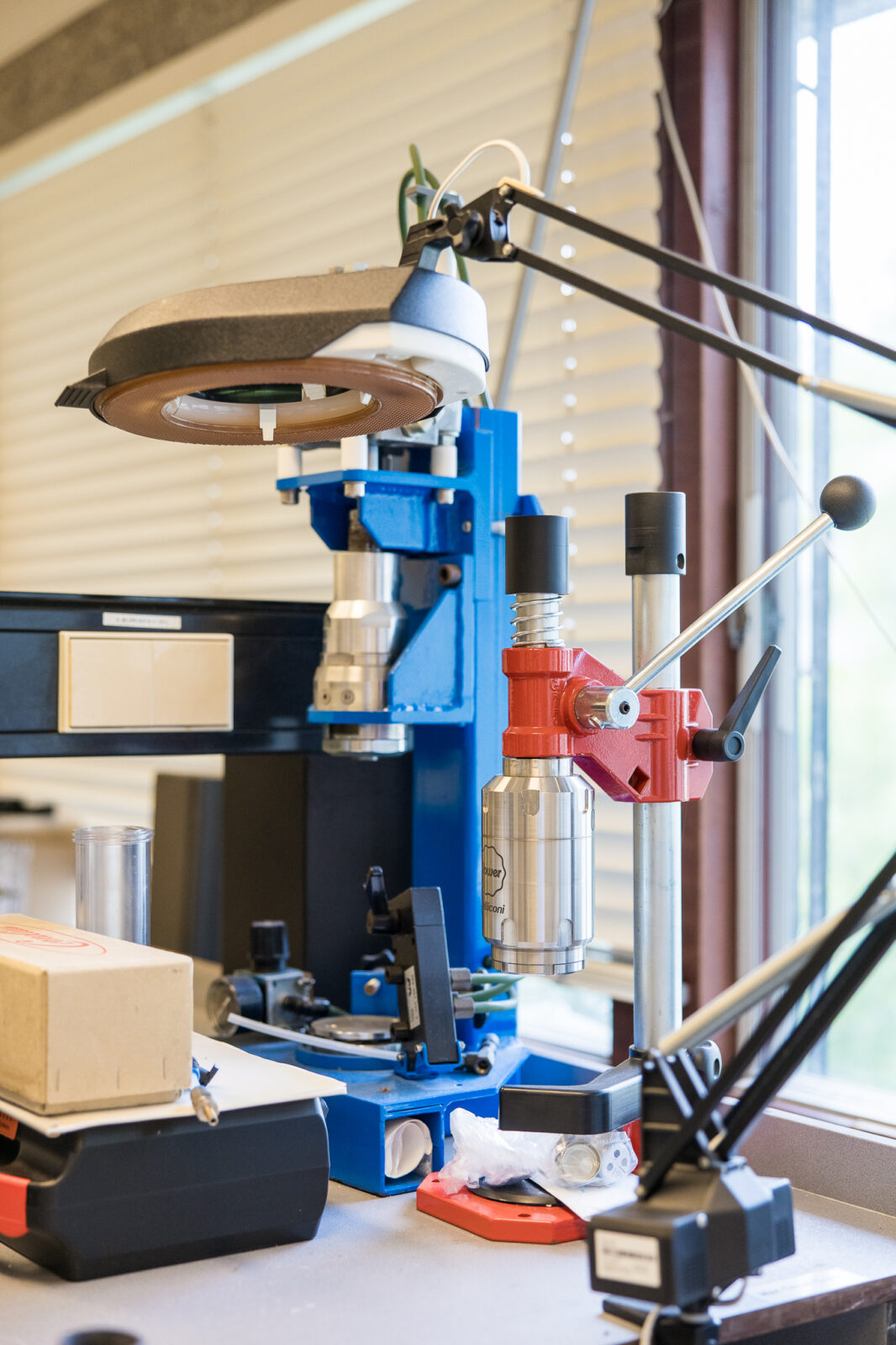

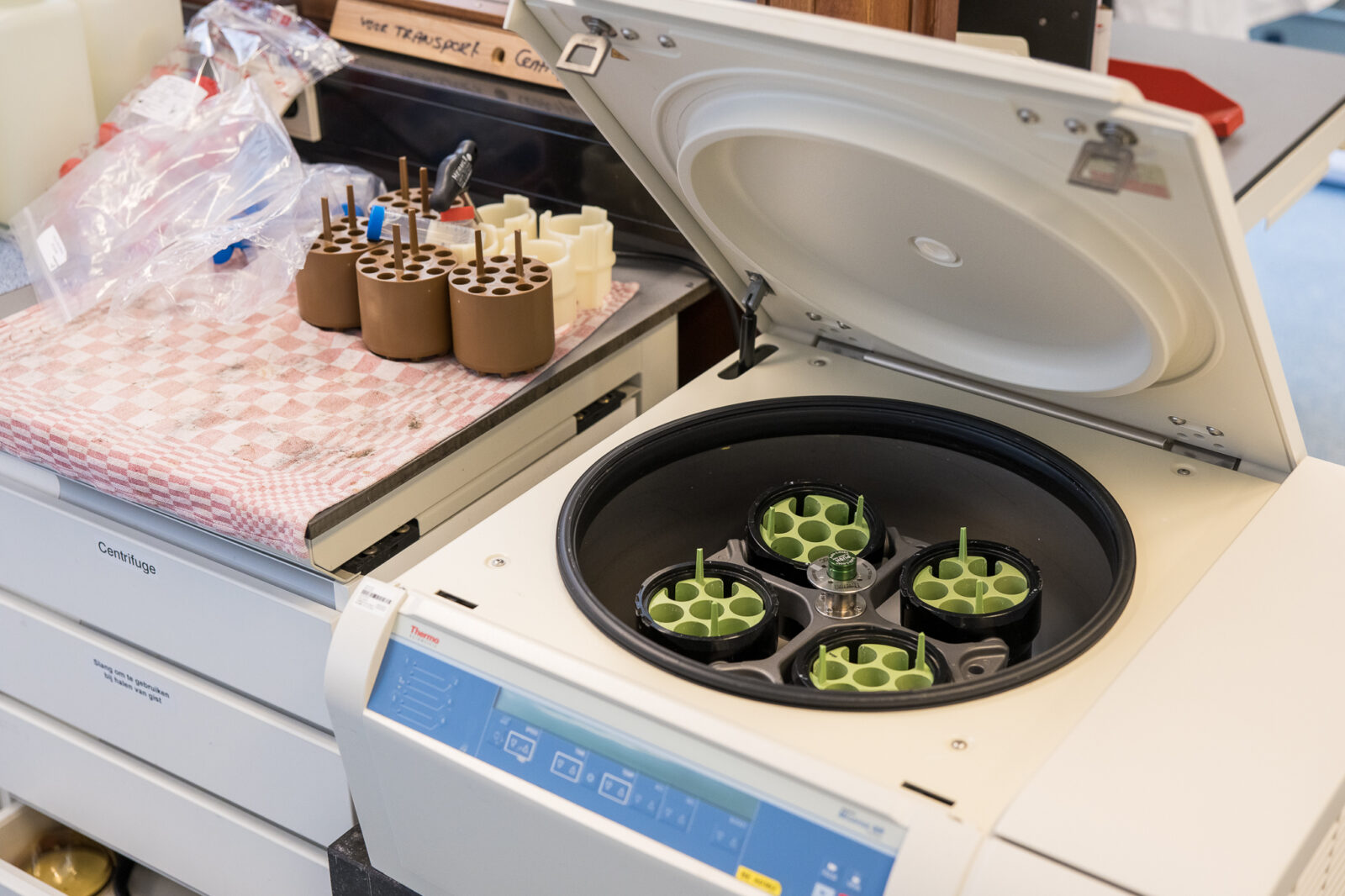

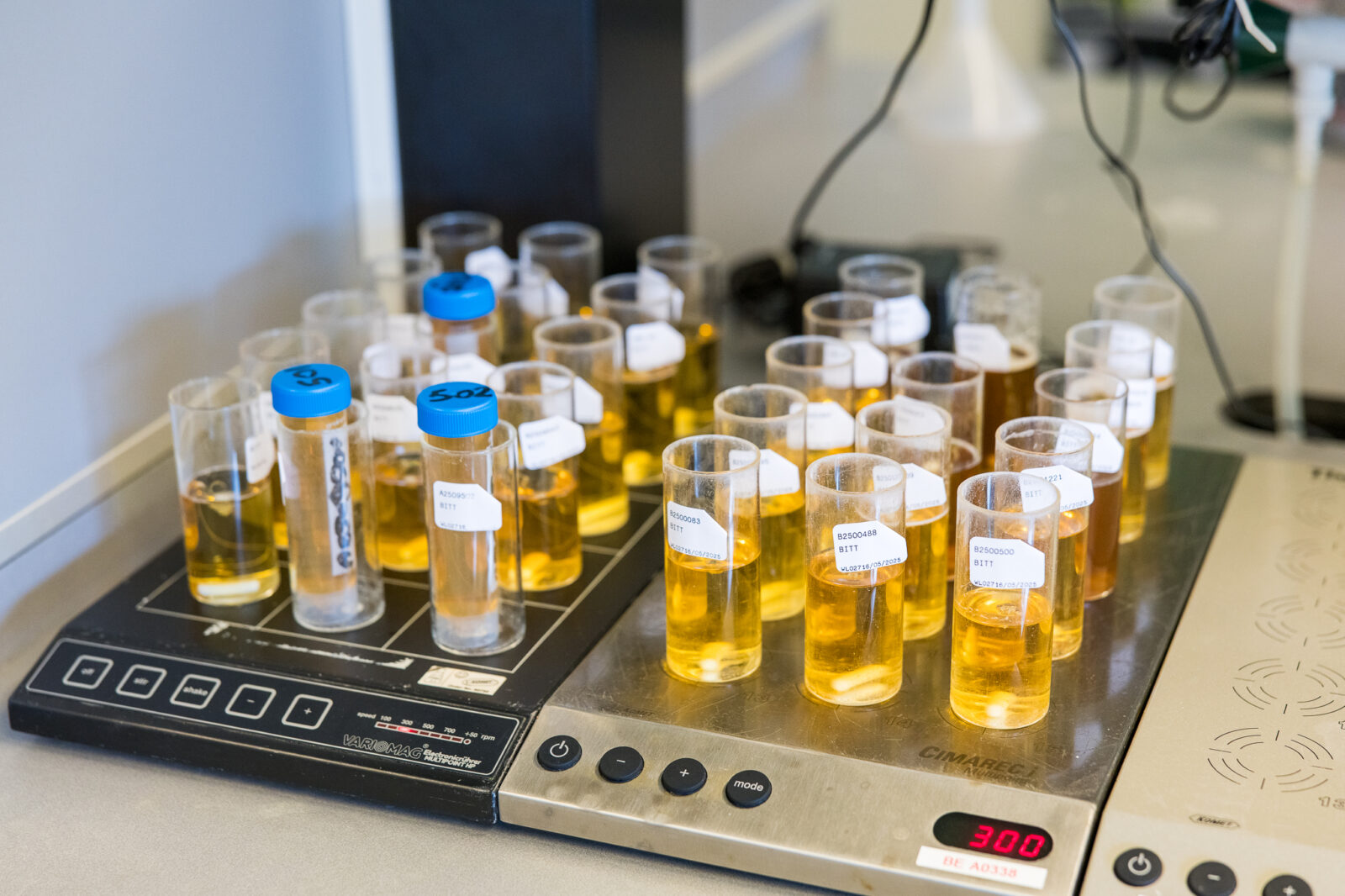

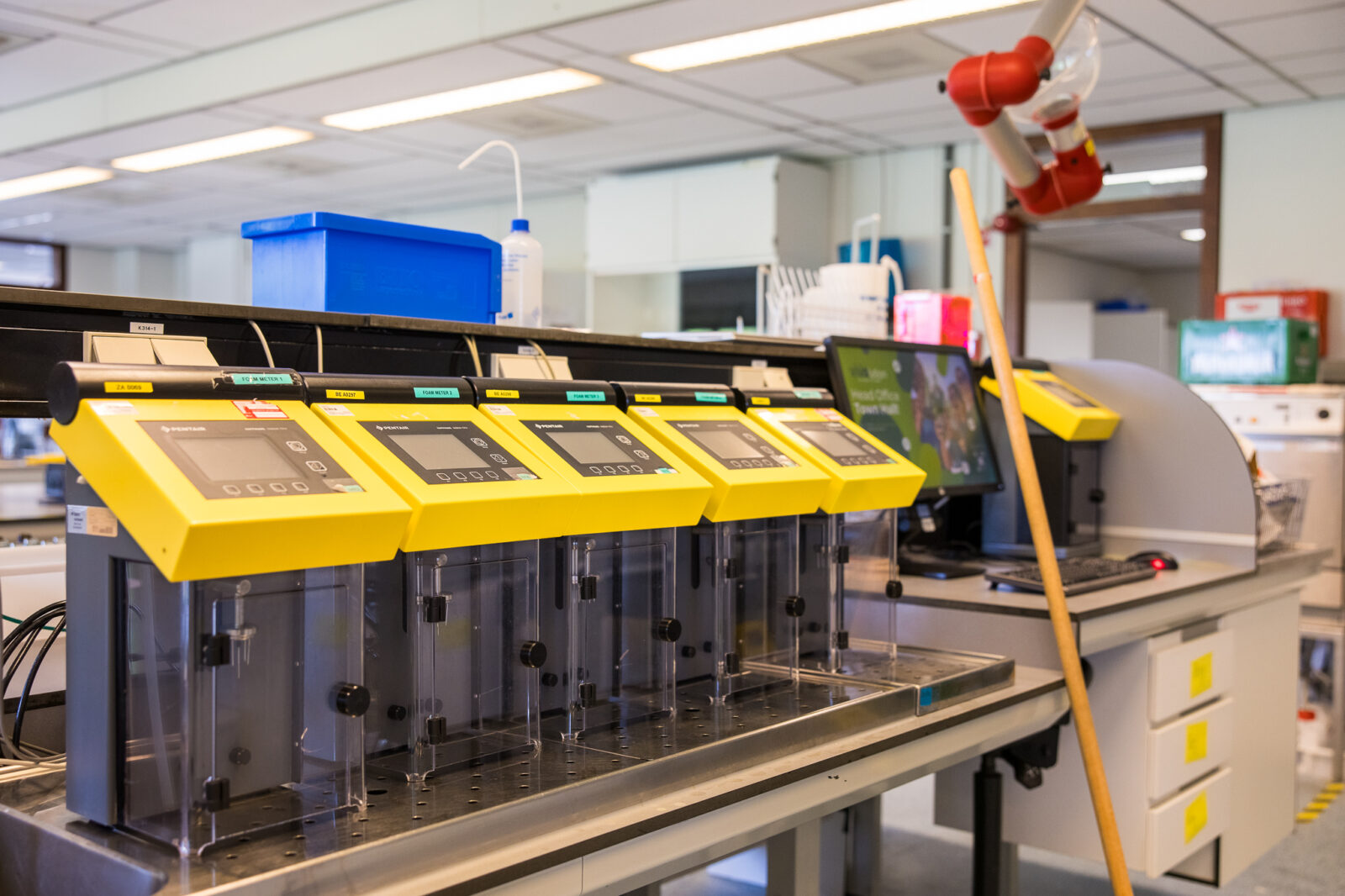




Expanded use of our digital reporting platform
Building on the transition to a digital reporting platform in 2024, we expanded its use in Q1 2025 by also publishing our quarterly updates, HCF News, in the same environment. By bringing both the annual report and our quarterly updates together in one tool, we have created a more consistent, accessible and efficient way of sharing our work.
Using a single platform allows us to reach a broader audience beyond the HCF Board, encourages more regular engagement with our activities, and supports clearer storytelling throughout the year. It also streamlines our reporting process, reduces duplication, and ensures a consistent look and feel across all publications.
This approach also increases transparency, efficiency and stronger connection with stakeholders across the organisation.

From strategy to structure
The work described in this segment enables more consistent access to the Collection, supports reuse at scale, and reduces reliance on ad‑hoc solutions. This creates the conditions for heritage to be applied where it adds value — supported by structured data, resilient systems and a clear long‑term direction aligned with the HCF Strategic Plan.






09_Collection Management

WE are
future-proof
R
obust, efficient, and sustainable collection management is the foundation of everything we do. In 2025, we continued investing in documentation, conservation, and optimisation of resources, to secure long‑term stewardship of both physical and digital assets.
This segment outlines the improvements that help keep the Collection reliable, accessible, and ready for the future.

building a sustainable collection

growth and documentation
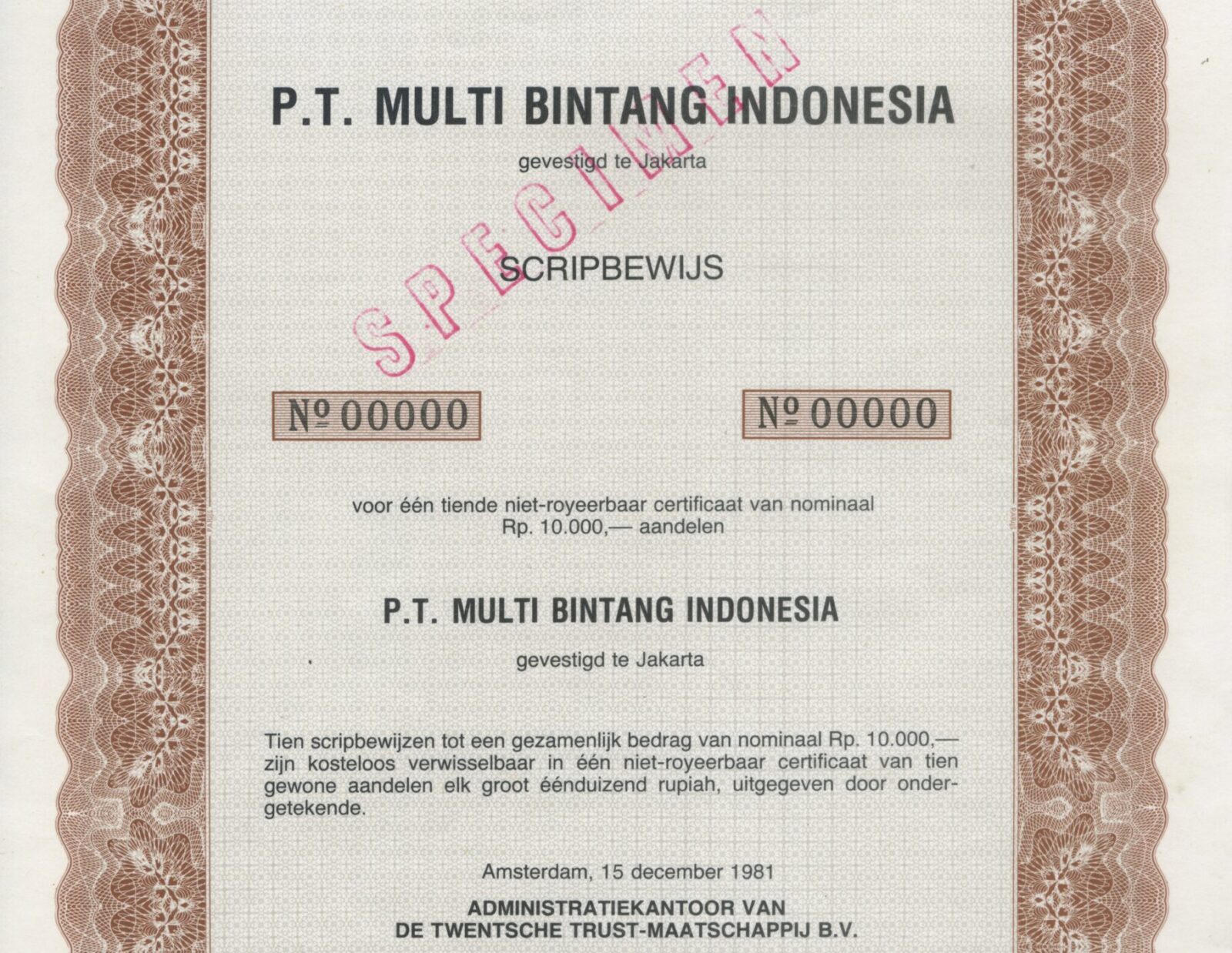
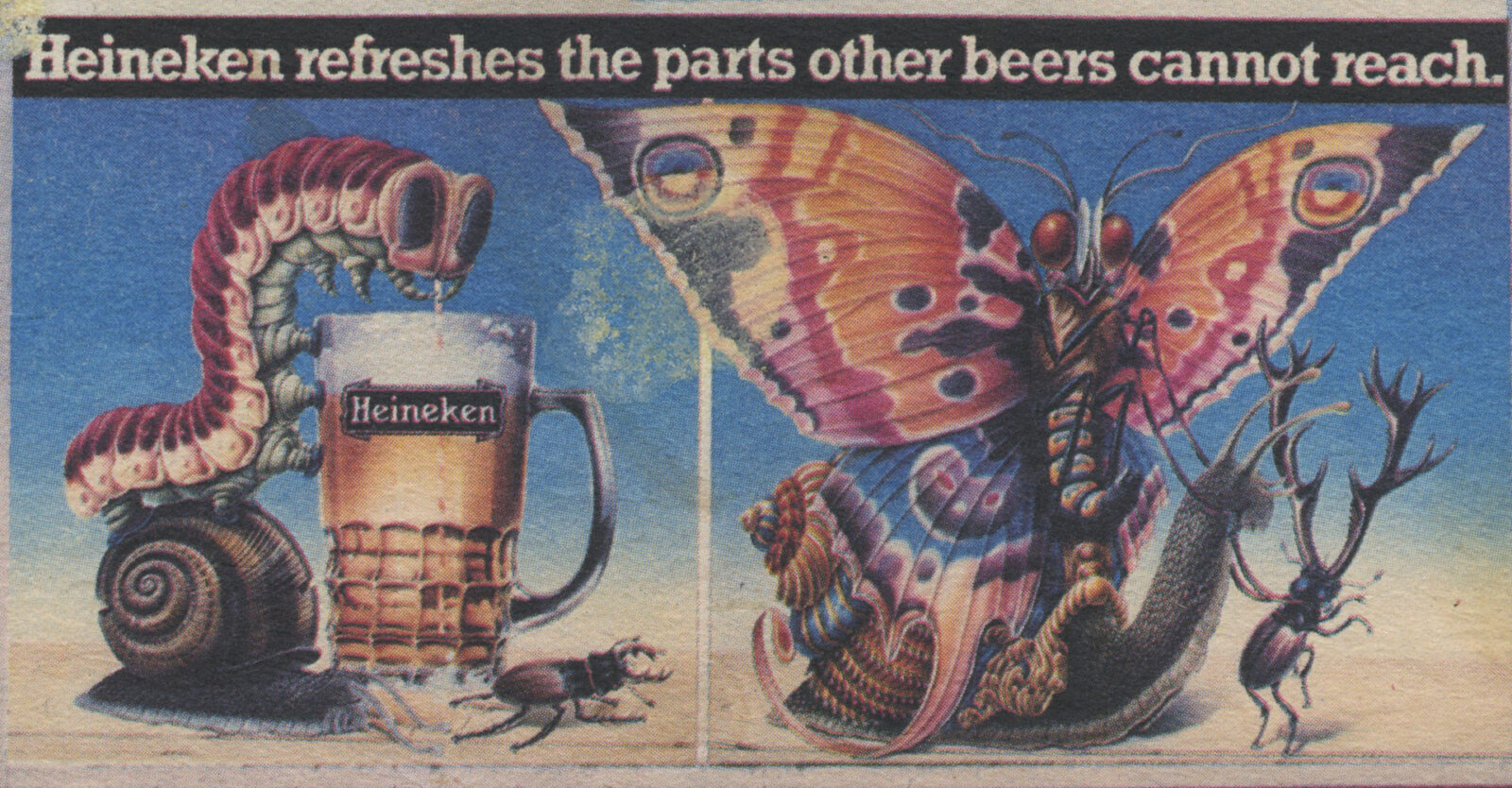
The Collection continued to grow through focused acquisitions and substantial donations, primarily from within the HEINEKEN organisation and former colleagues. New additions ranged from historical advertising designs and share certificates to personal objects reflecting professional life across the company. Examples include a sample share certificate (scriptbewijs) from Multi Bintang Indonesia dating from 1981, the year the company went public, as well as a rare menu from the 1939 World’s Fair in New York and an unrealised poster design from the interwar period. Painted Humpty Dumpty designs from the 1970s further broadened the historical scope of the Collection.
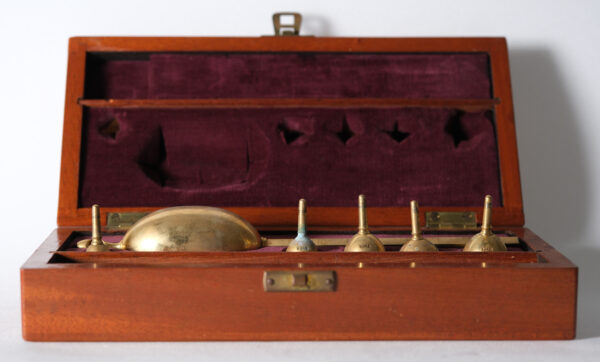
Digital material was also added, including the design archive of HEINEKEN’s former Global Head of Design. Spanning approximately two decades, this archive strengthens collection practice by supporting structured cataloguing, research and long‑term reference use.
Refining the Collection
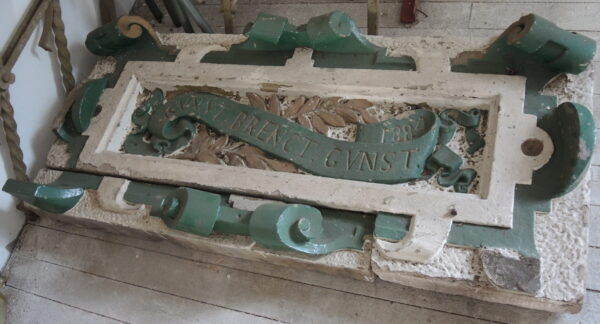
Alongside growth, the Collection was actively refined to maintain relevance and manageability. Following identification research, the gable stone from the former house of architect Bleijs was deaccessioned and transferred to the Vereniging van Vrienden van de Amsterdamse Gevelstenen for restoration and public display. In addition, part of the long‑term loan from Beer Museum De Boom was converted into a donation, including brewing utensils and furniture that were overcomplete within the Collection.
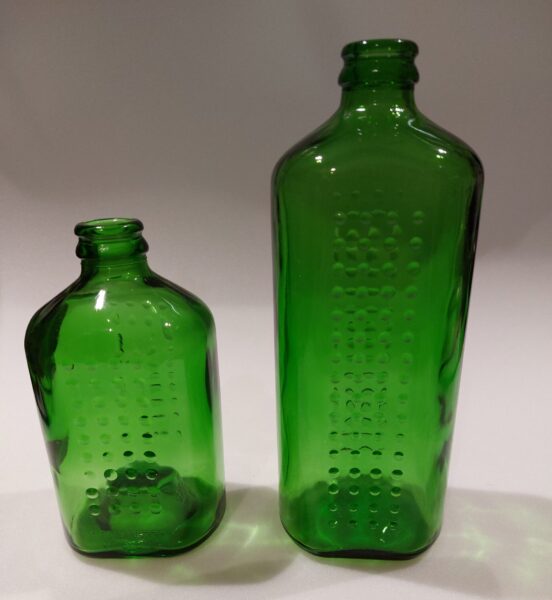
Two World Bottles (Wobo’s) were also donated to the Metropolitan Museum of Art in New York, contributing to the documentation of environmental architecture in an international context.
usage and long‑term value
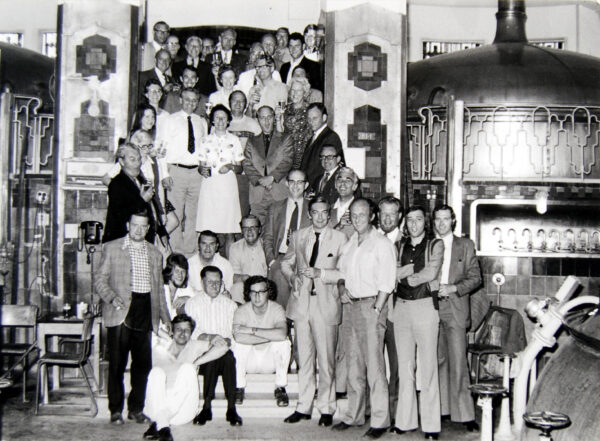
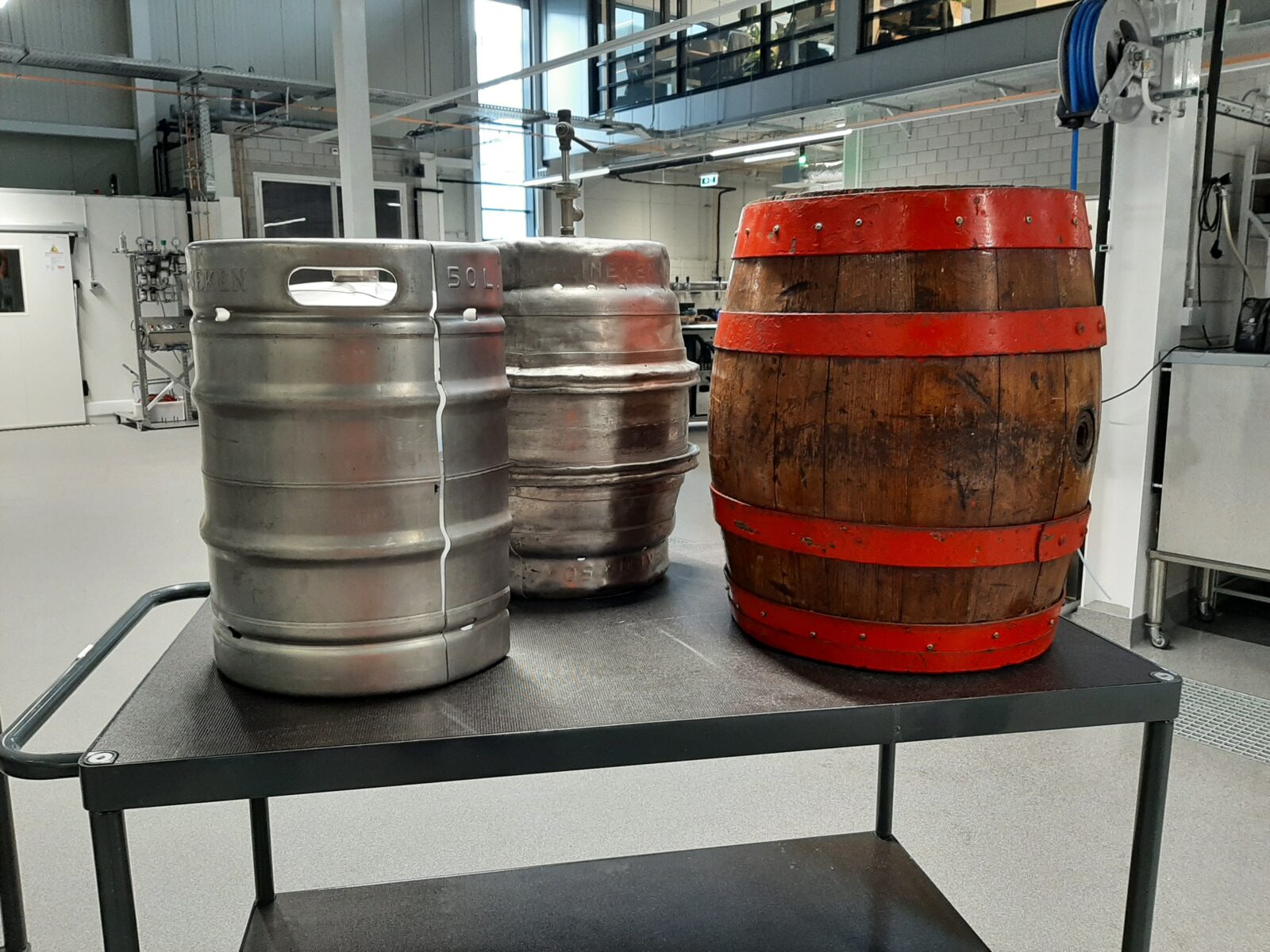
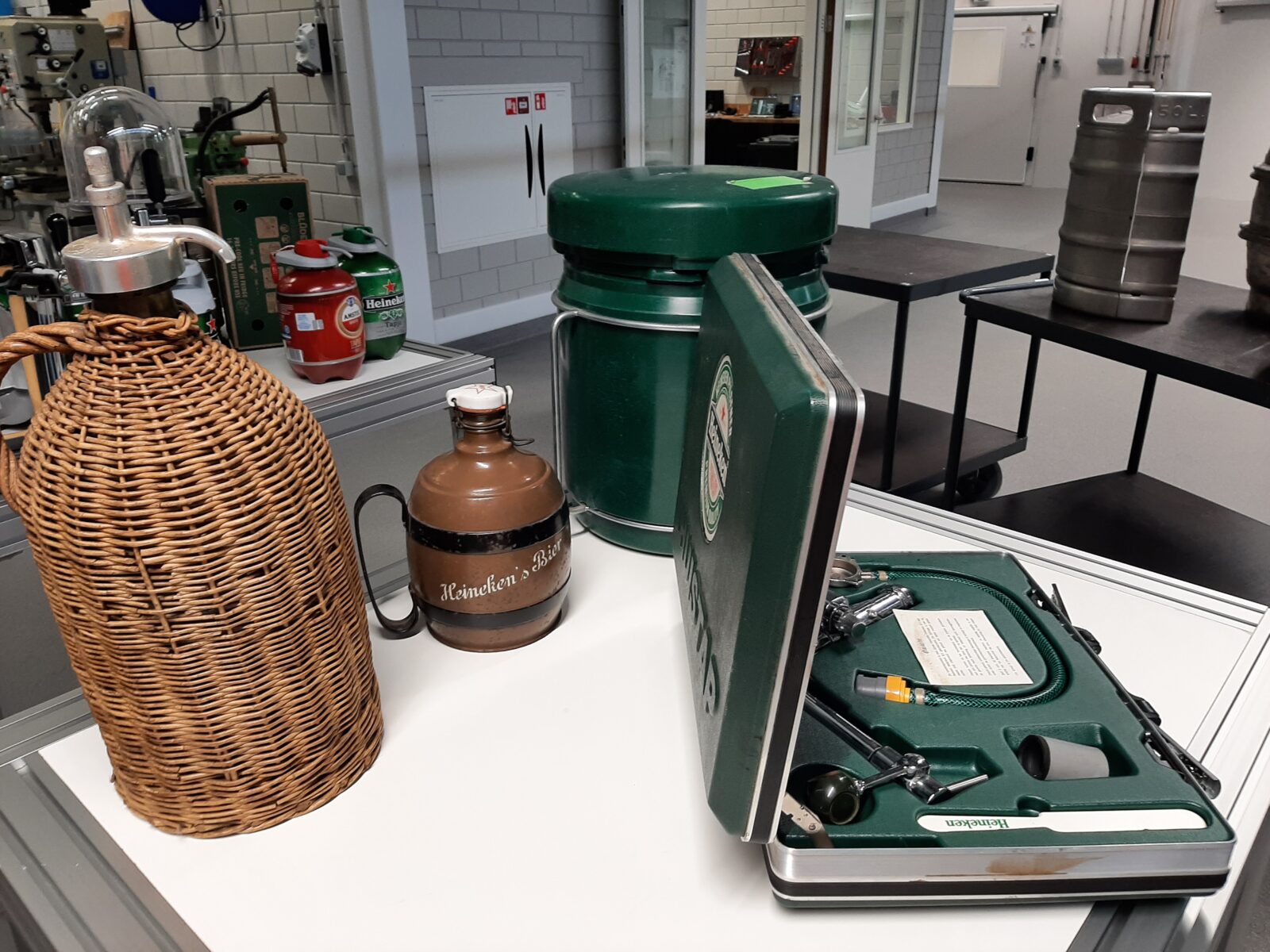
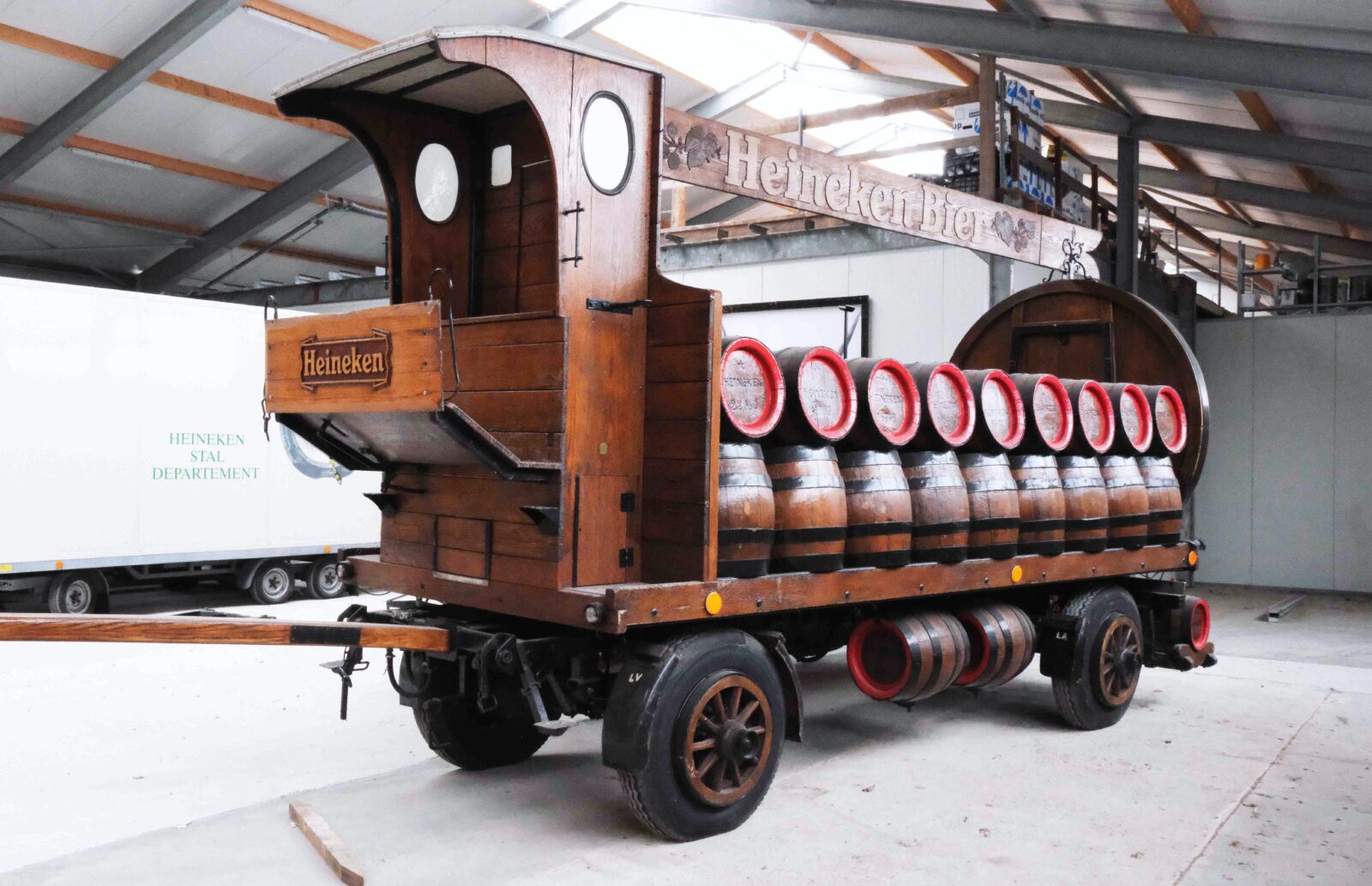
The Collection was actively used through a range of short‑ and long‑term loans, supporting both internal and external contexts. Objects were loaned for events such as HEINEKEN Commerce Week, Forum, the Champions League final in Munich and the Heineken Business Event in Amsterdam. Existing loans were extended, including those to the Stichting Dockumer Biergilde, and new loans were issued for locations such as the Heineken building in Rotterdam. To mark the opening of the Dr. H.P. Heineken Centre, a temporary loan of home draught systems supported the object presentation at the site.


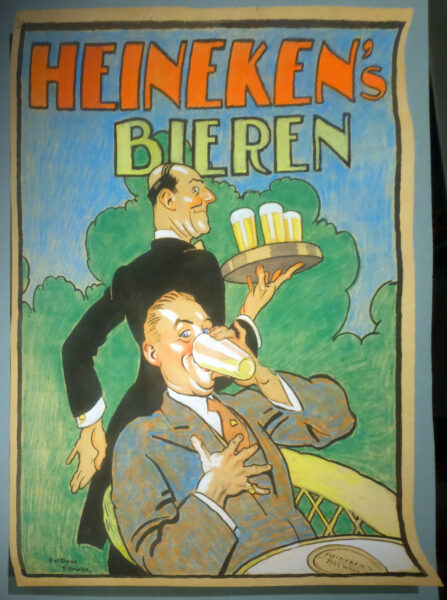
poster design – Pol Dom
An unrealised Heineken® poster design by Pol Dom, dating from the period 1920 – 1940, was acquired in 2025. No printed versions are known to exist.
The design offers a rare glimpse into early visual brand development and the craft behind pre‑war advertising design before large‑scale advertising became common.
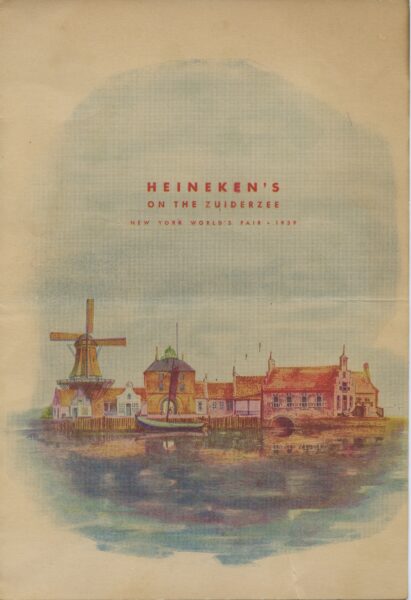
New york world fair menu
We added a rare menu from the 1939 World’s Fair in New York, originating from one of the restaurants in the Dutch village “Heineken on the Zuiderzee”. The menu was acquired through former Heineken Experience employee Henry Wijnen and reflects Heineken’s early international brand presence.
The concept for “Heineken on the Zuiderzee” was initiated by Leo van Munching Sr., who was responsible for Heineken’s distribution and marketing in the United States via Austin Nichols & Co. At the Fair, four large restaurants were operated, each seating between 750 and 1,000 guests, serving Heineken beer alongside Dutch dishes. The menu offers insight into how the brand positioned itself abroad in the interwar period, combining national identity with international ambition.
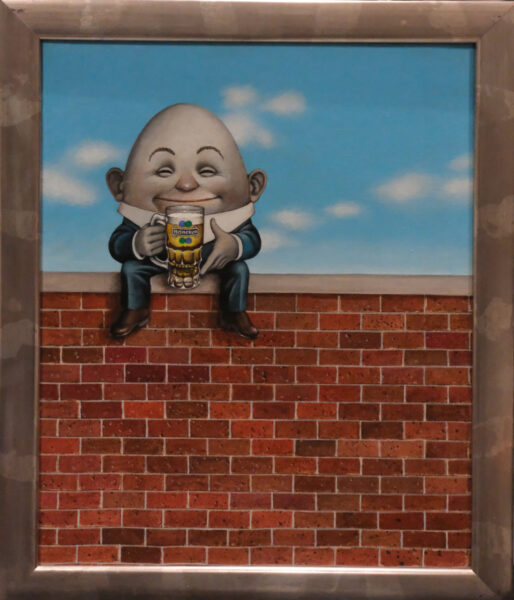
Humpty Dumpty – Paul Davis
Painted Humpty Dumpty designs by Paul Davis from 1976 were added to the Collection on loan from Mrs de Carvalho‑Heineken.
The works contribute to the representation of brand‑related visual culture from the 1970s and complement existing material from the same period.












Safeguarding the Collection
Preventive conservation and collection care
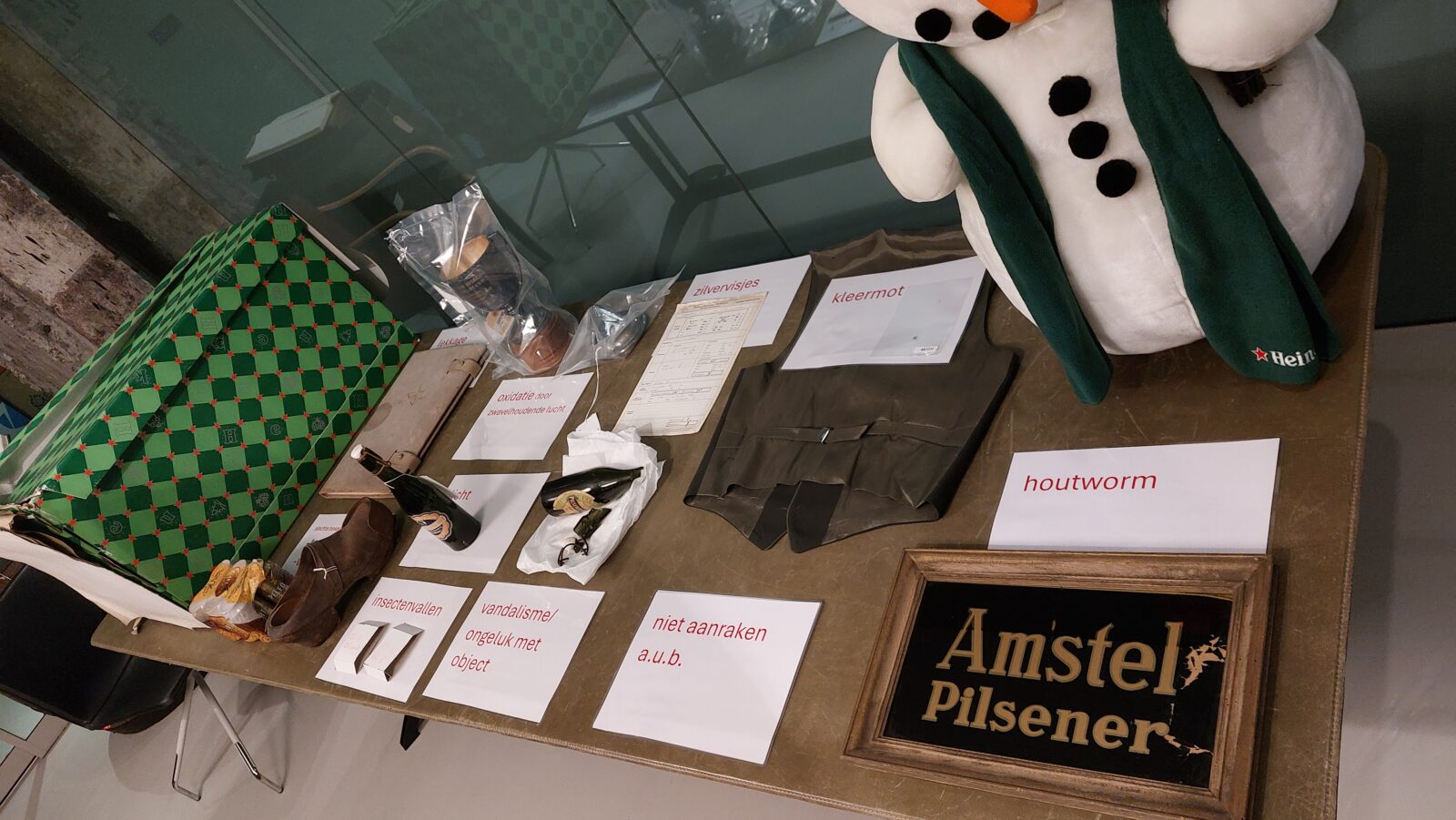
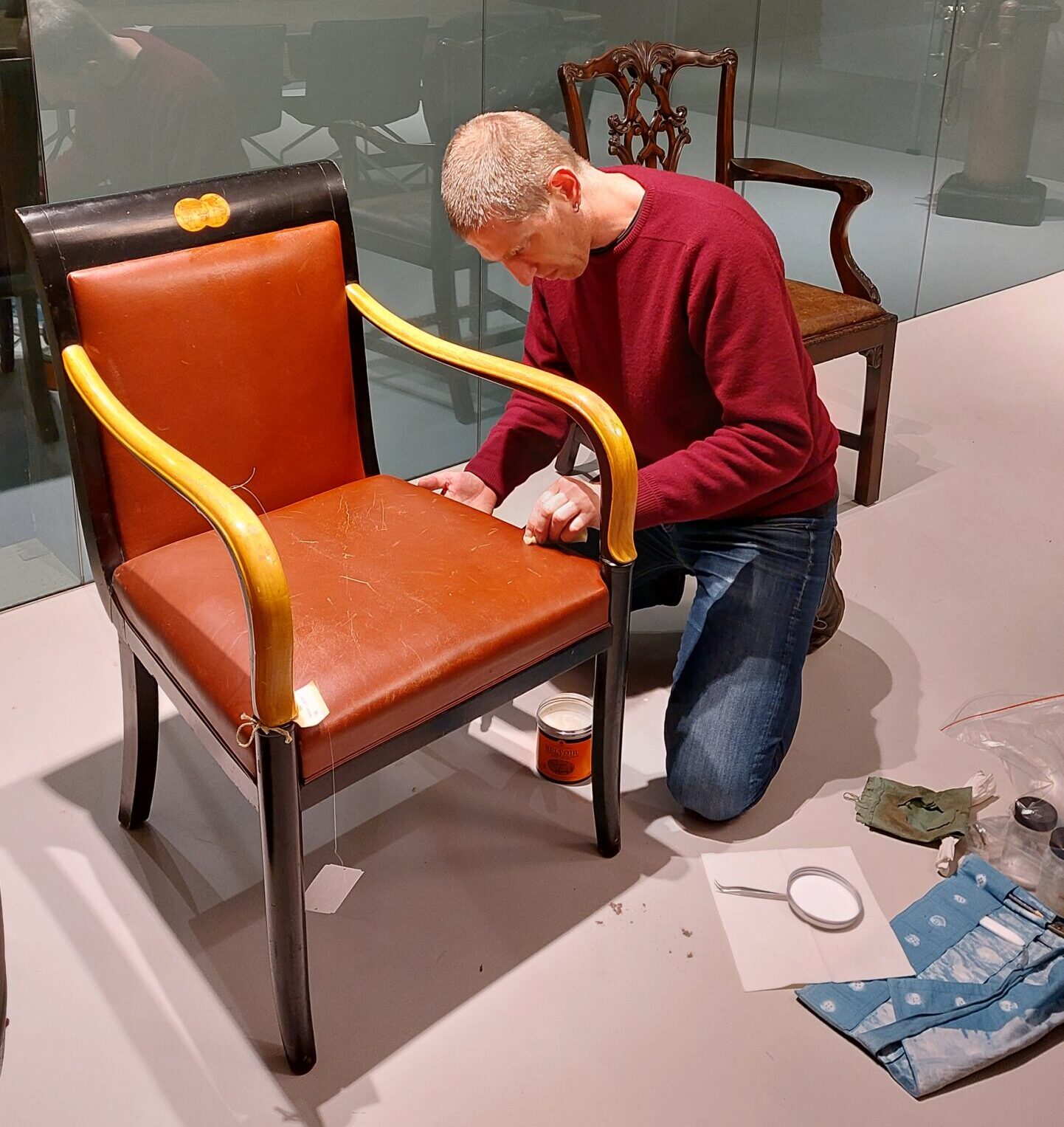
In 2025, safeguarding the Collection focused on preventive conservation and day‑to‑day collection care across locations. Throughout the year, objects were actively monitored, treated and stabilised to reduce long‑term risks. This included sealing approximately one hundred silver objects to slow oxidation, inspecting all textiles in depots and display areas following signs of pest activity, and taking precautionary measures where needed, such as freezing an affected flag.
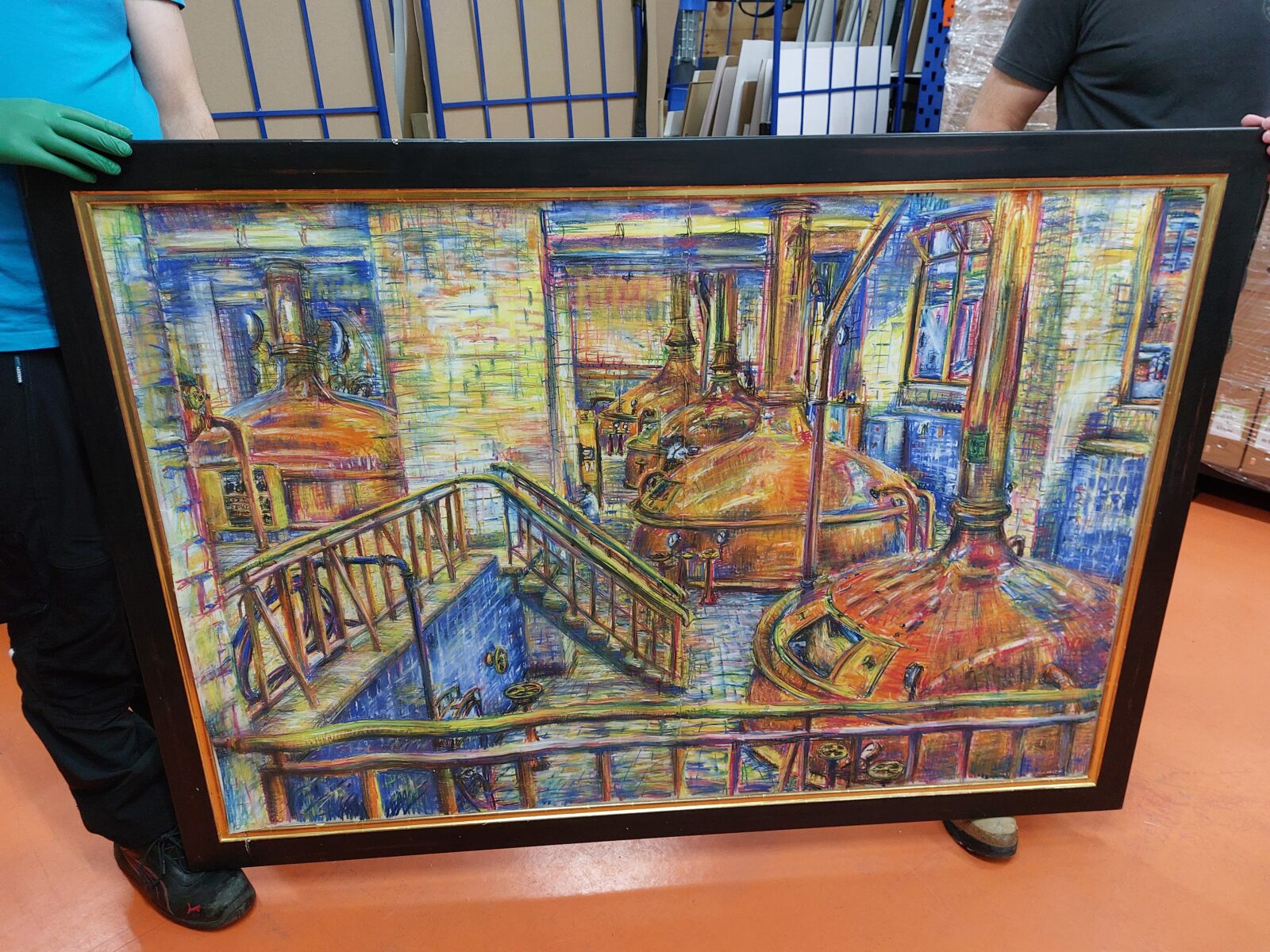
Several individual objects required targeted attention. A large pastel drawing by Bessel Kok, rediscovered at a HEINEKEN office location, was transferred for conservation treatment after damage to its frame was identified. In other cases, specialist advice was sought to assess and limit irreversible damage, such as staining on historic seating furniture originally from the Heineken Villa.
Environmental conditions also remained under close review. Ongoing climate monitoring in the Amsterdam depot revealed deviations from earlier specifications, leading to technical consultations with external parties to identify improvements. While implementation will follow in a subsequent year, this work ensured that risks were identified early and addressed in a structured way.
Together, these actions reflect a proactive approach to collection care, focusing on stabilisation, risk reduction and informed decision‑making to support the Collection’s long‑term preservation.



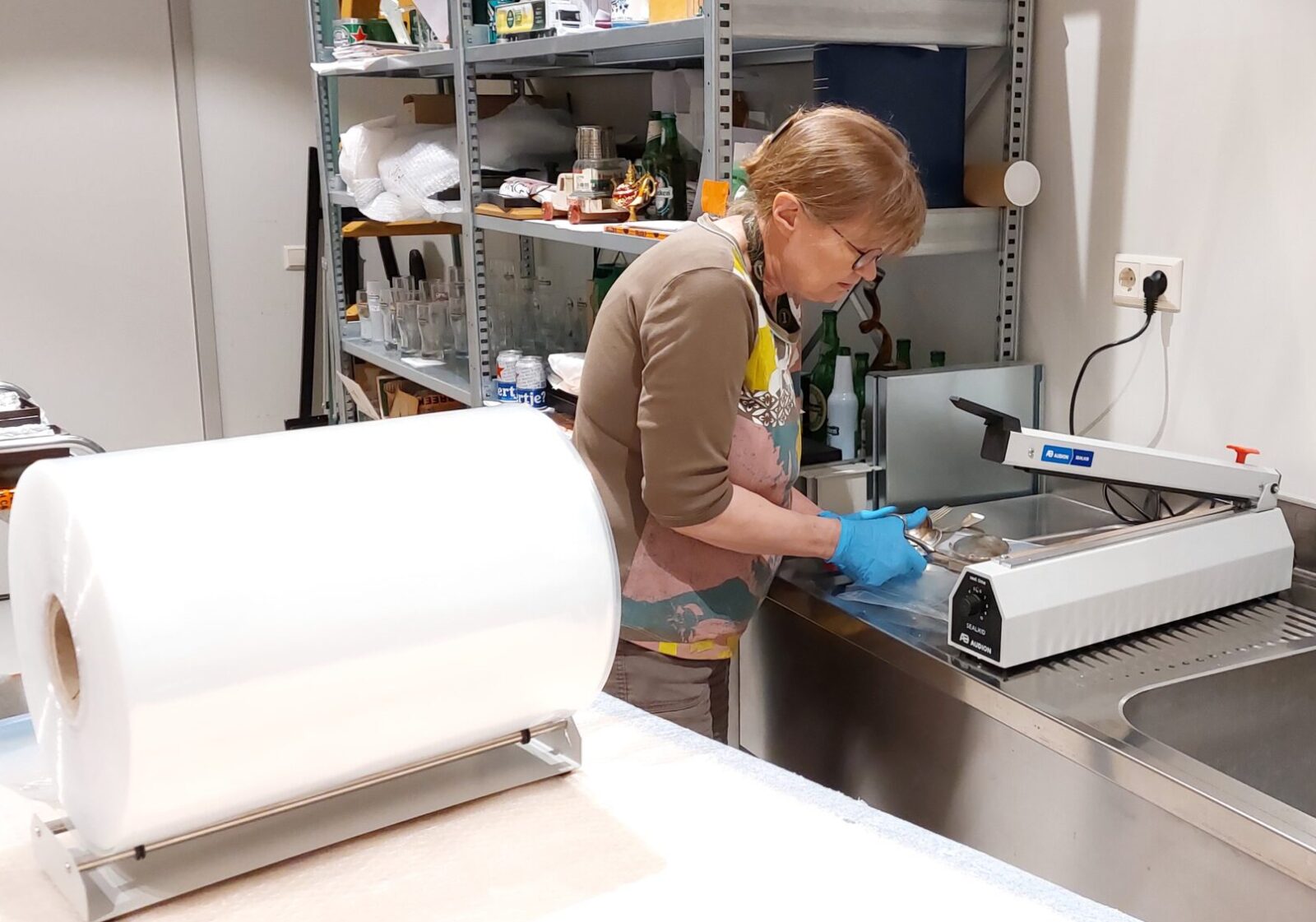

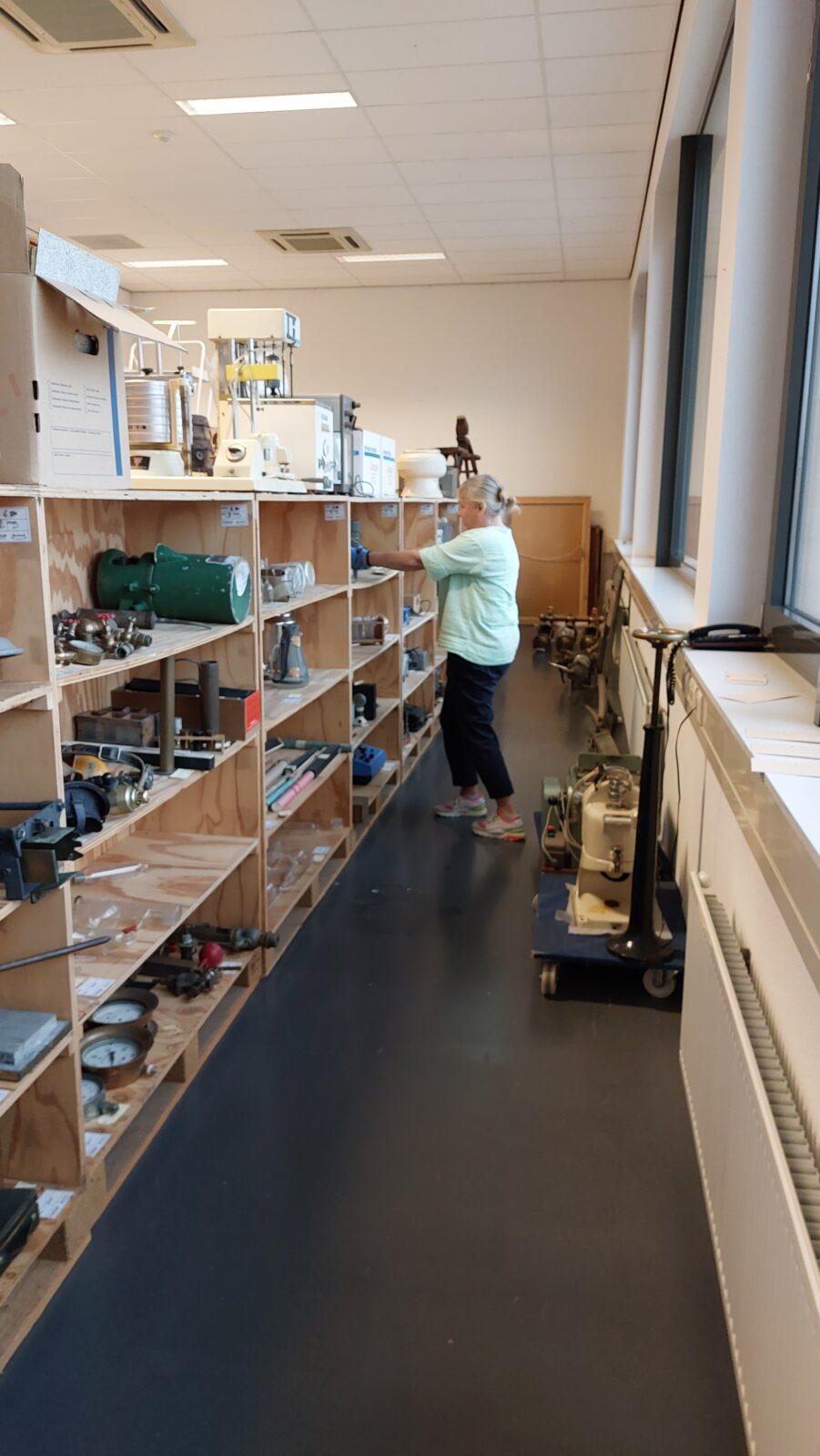

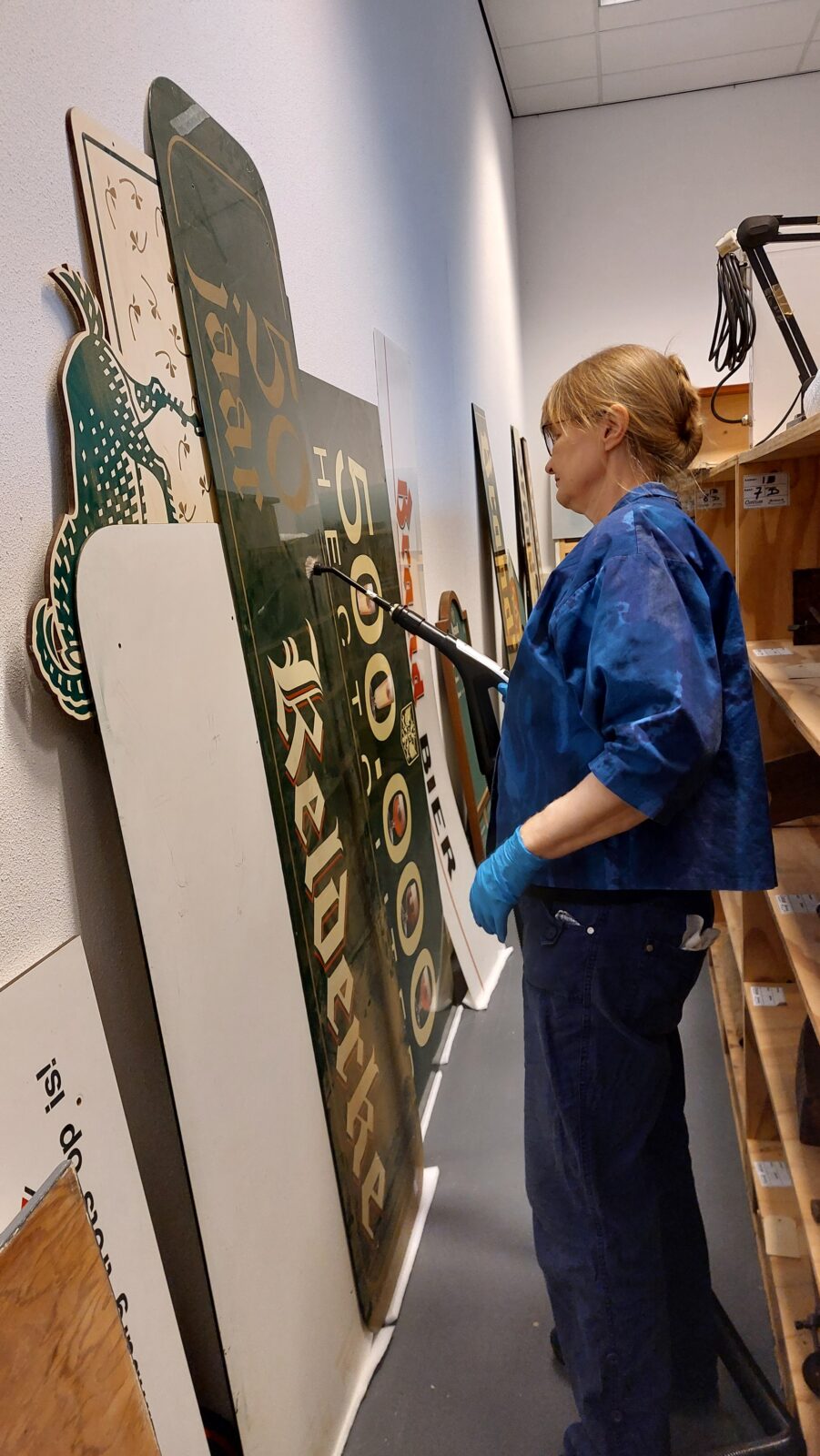

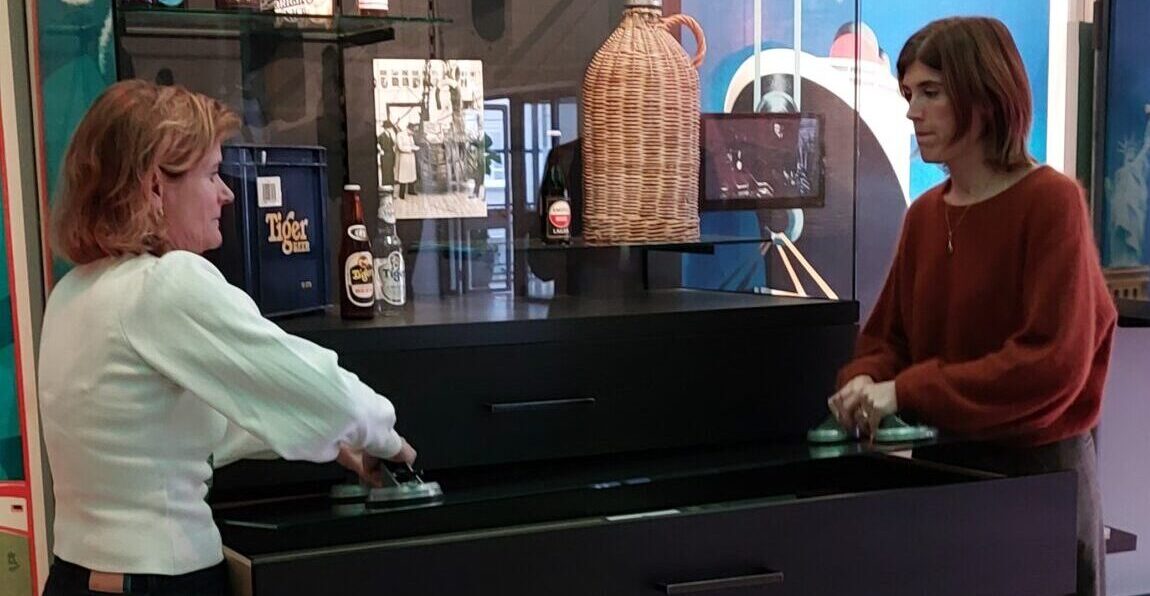

Collection Emergency Response in practice
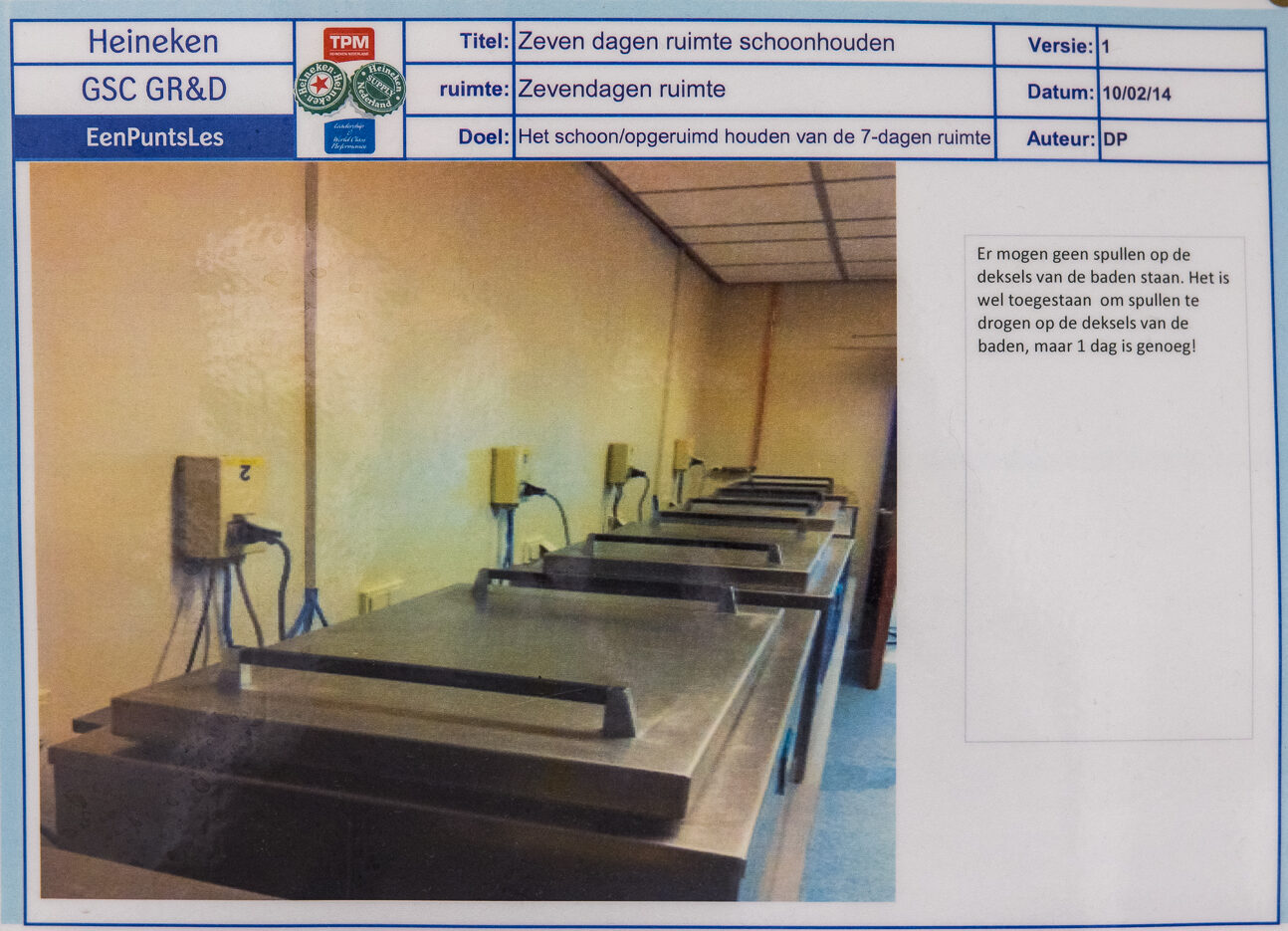

From Object to Record
Maintaining accurate and comprehensive collection records remained a central activity in 2025. The collection database continued to grow, with hundreds of object records added during the year and ongoing expansion of media, event and person records.
In addition, major company events and initiatives were systematically documented as collection events.
Objects, media and contextual information related to milestones such as the opening of the Dr. H.P. Heineken R&D Centre and developments at the Heineken Experience were grouped within the database, strengthening connections between objects and their broader historical context.
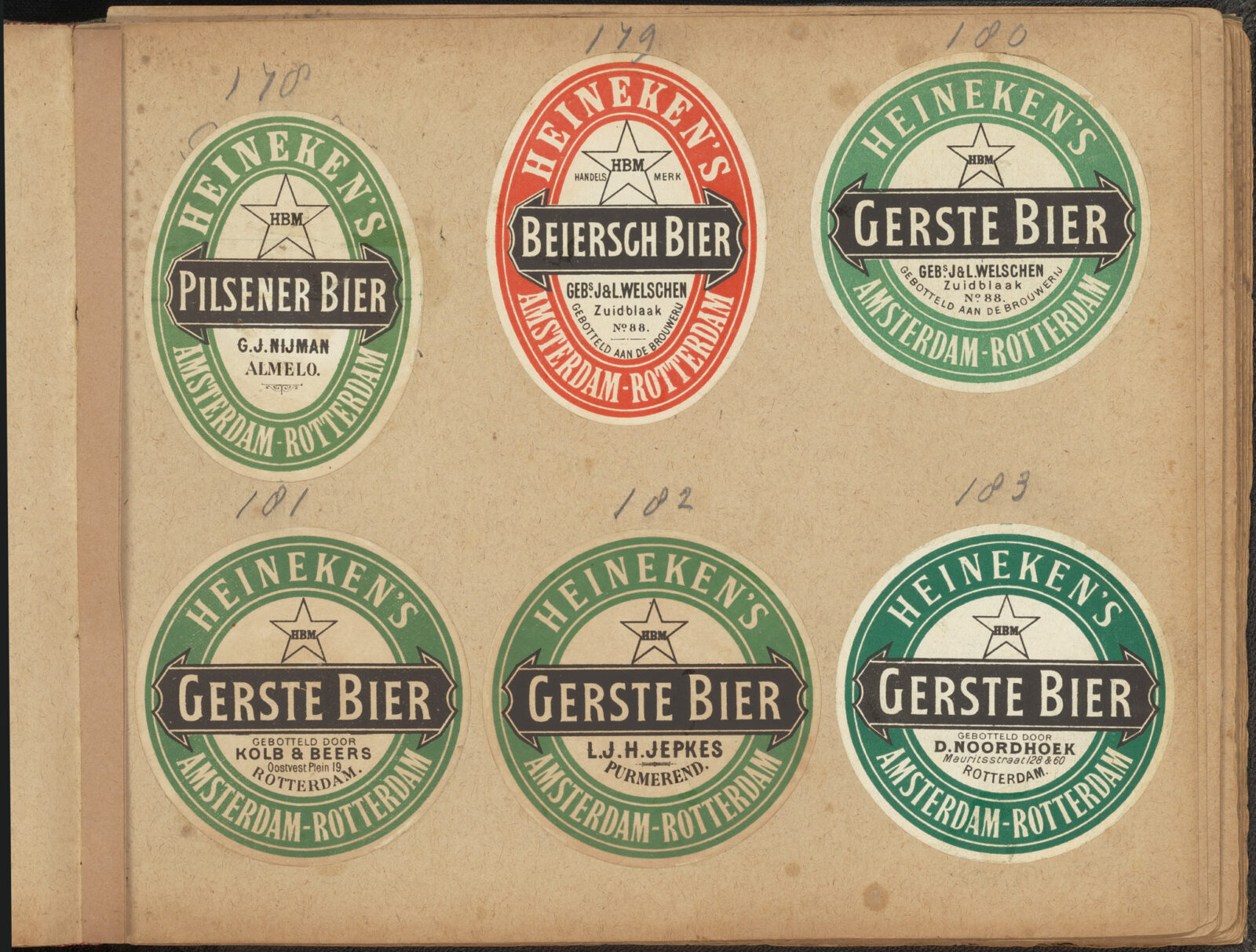

Audio Visual Heritage
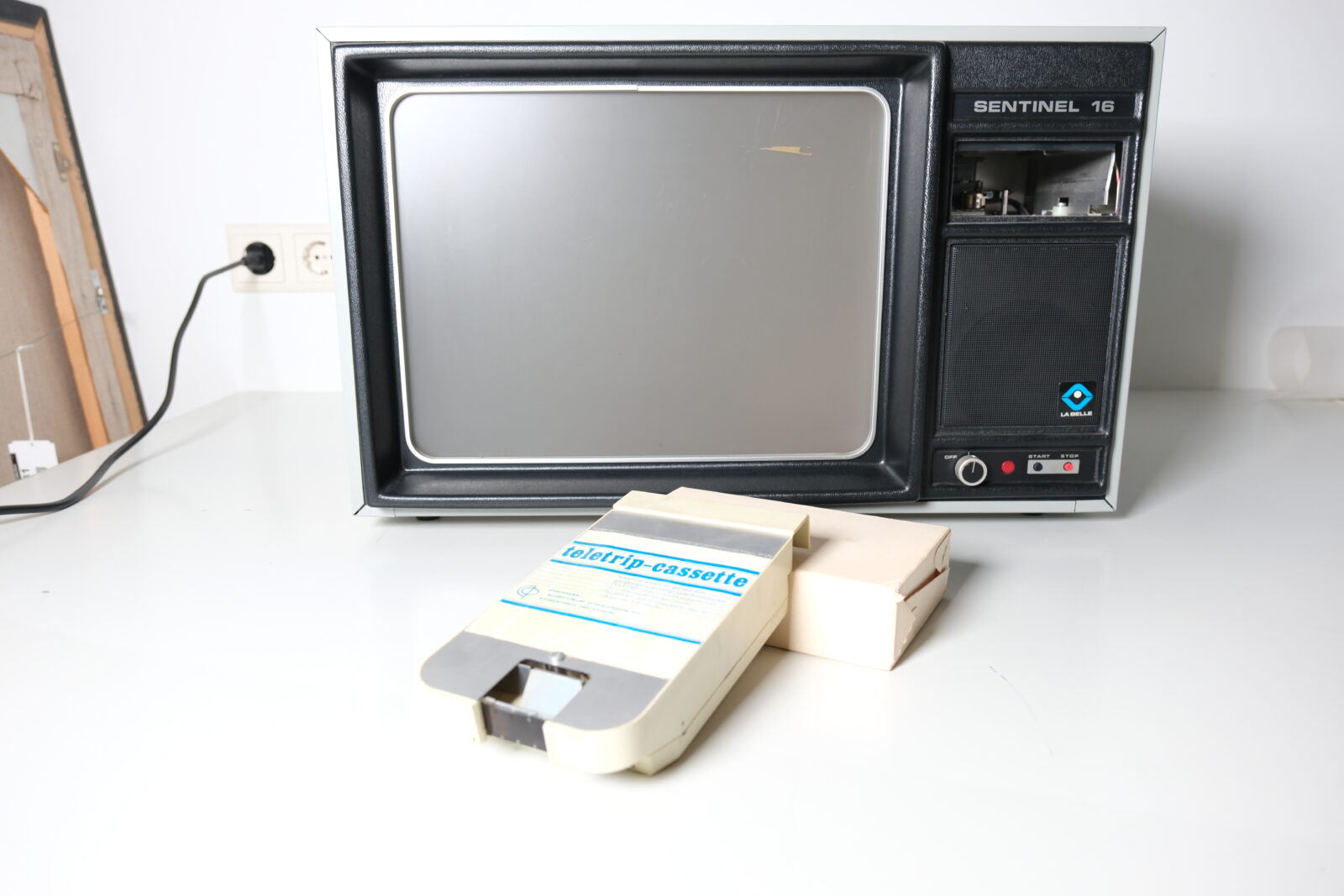
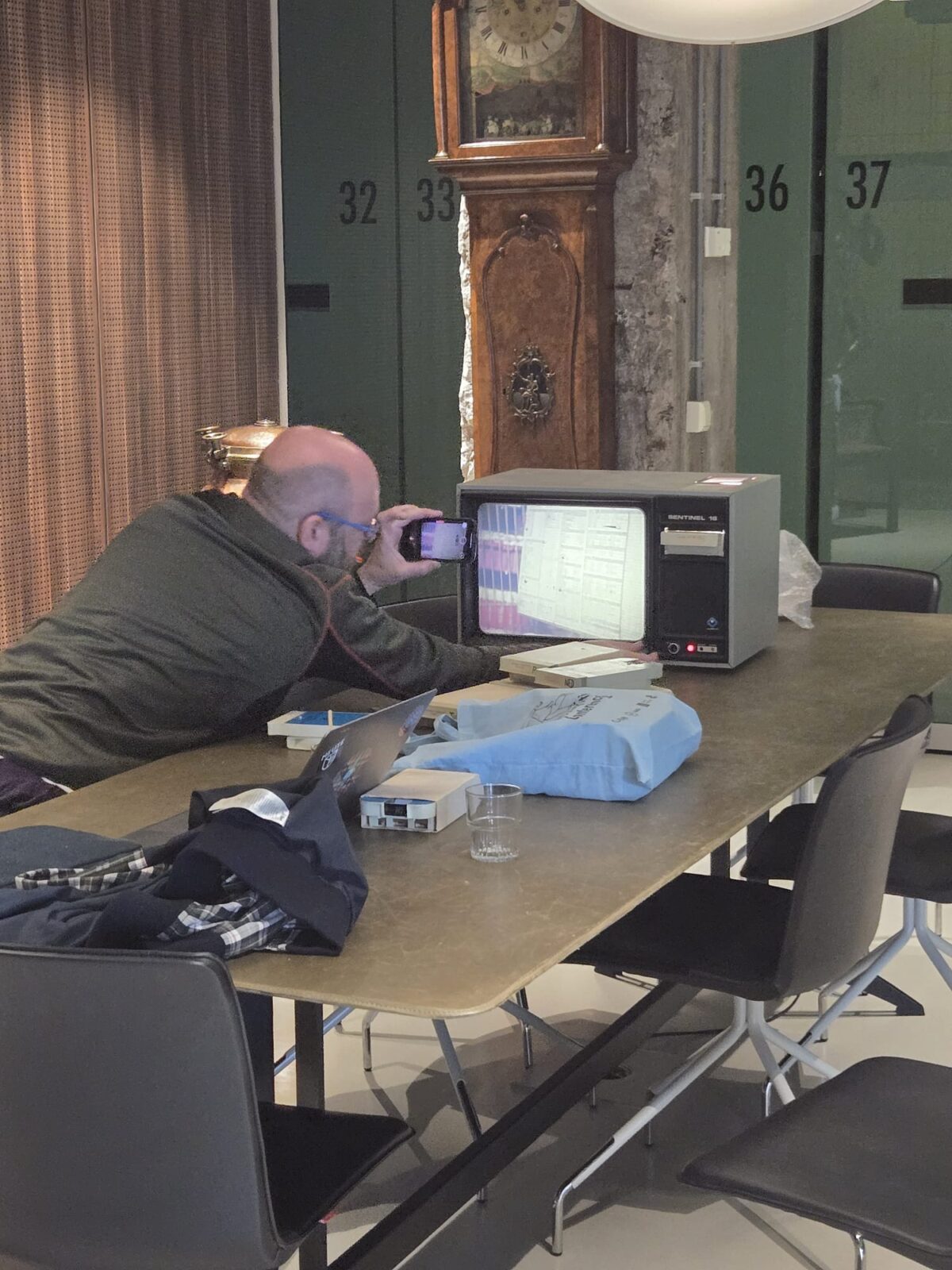
Work on audiovisual heritage continued at scale in 2025, strengthening both preservation and reuse. Large numbers of U‑matic and Digibeta tapes were digitised, including material that required specialist treatment to stabilise carriers before playback. This safeguarded historically valuable company films and commercials—some dating back to the early 1990s—and halted further degradation of vulnerable formats. As a result, the AV collection grew with 90 new titles, supported by the intake of 72 analogue film rolls and tapes and 170 digital files.
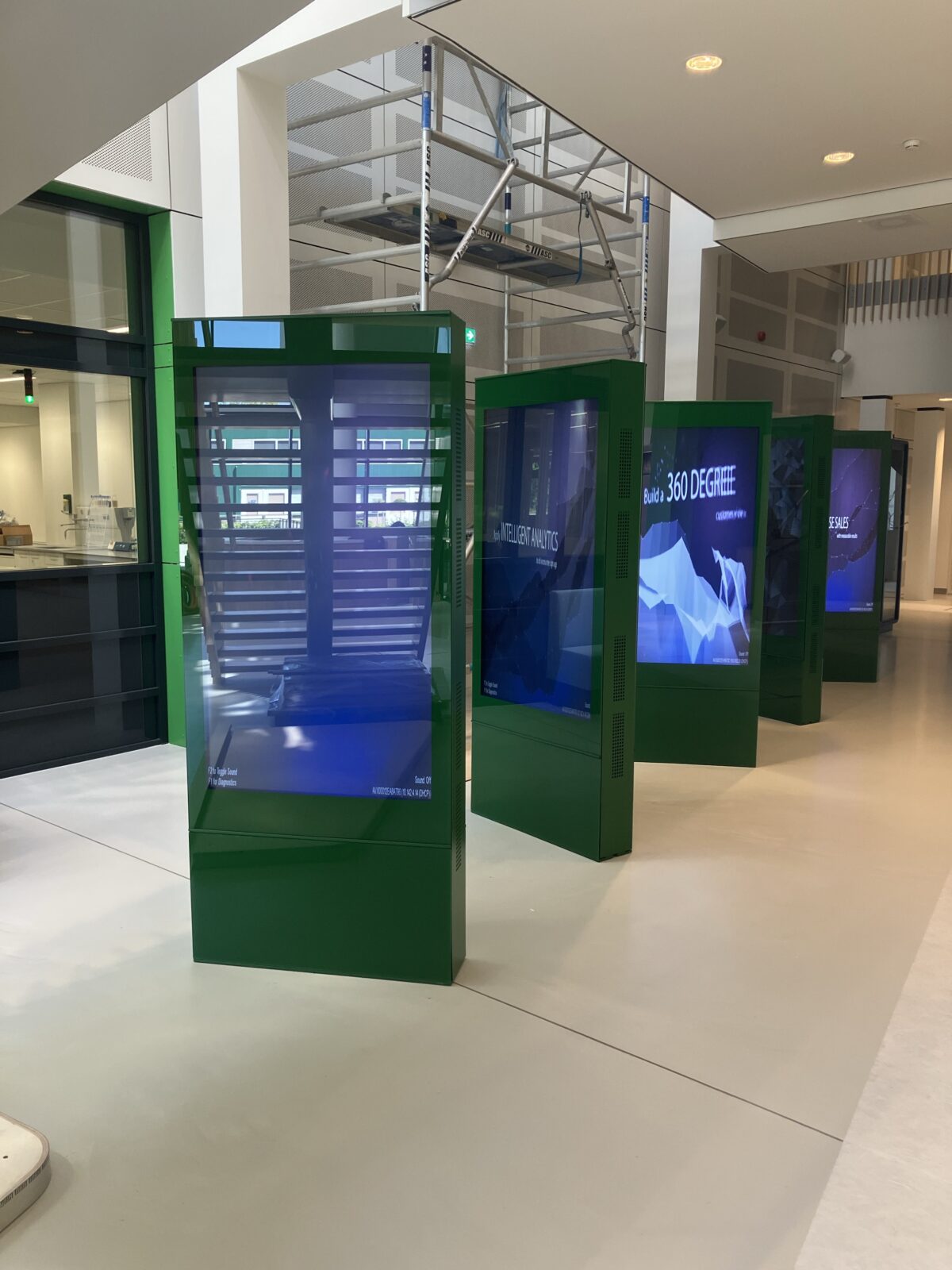
The impact of this work extended beyond preservation. Digitised footage was actively reused to support internal and external storytelling, increasing the visibility and relevance of the Collection. Historic film material was presented in new formats on screens in the Dr. H.P. Heineken Centre, while curated audiovisual assets also featured in externally published conten. Ongoing registration ensures these assets remain findable, accessible and ready for future use across the Collection.
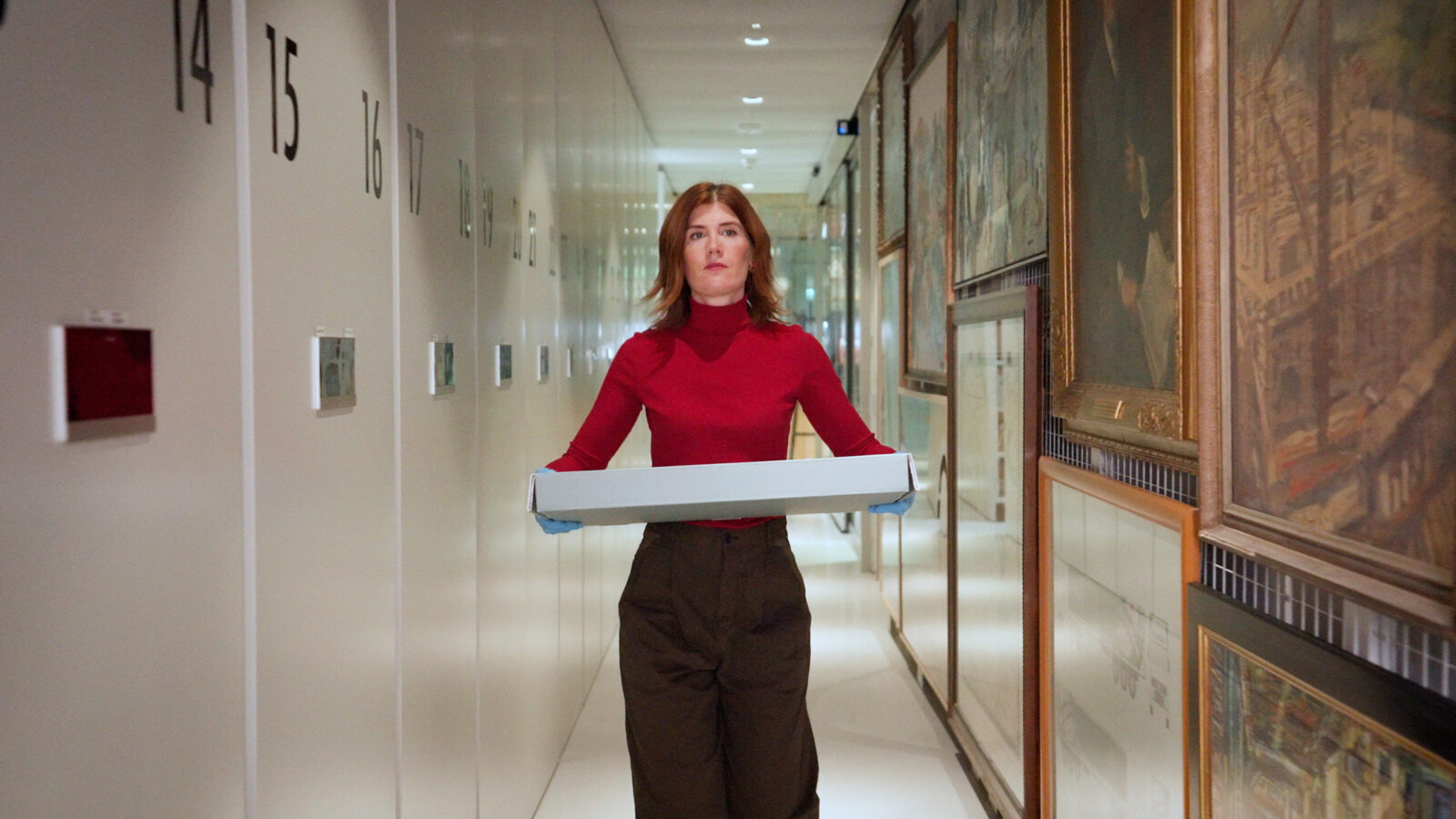
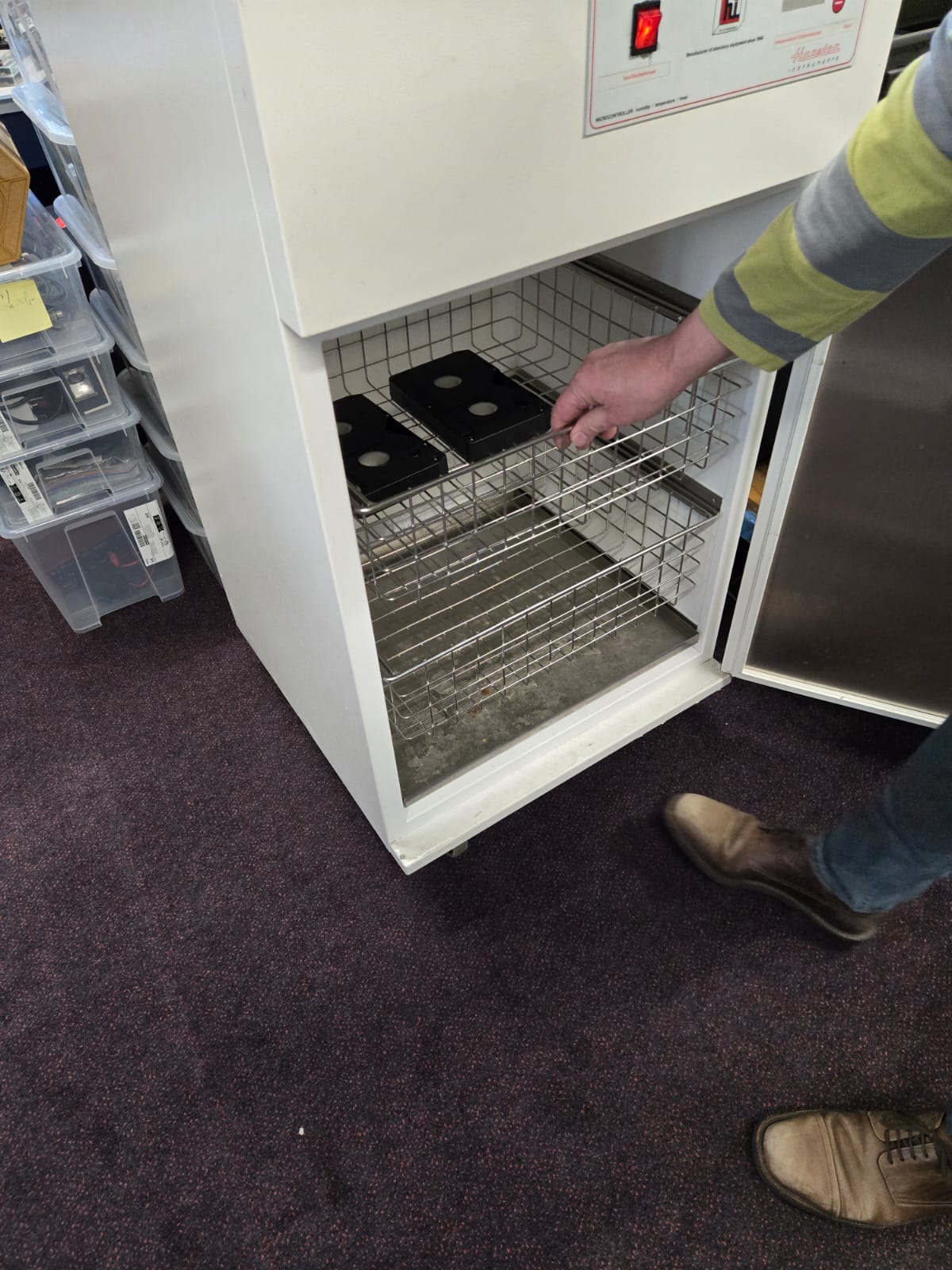
We visited Frédérique Urlings at work in her climatised workspace, to learn more about what she has been working on in 2025. Watch the video below to find out.




Storage strategy, logistics and efficiency
Optimising storage and accessibility
Repackaging and collection logistics
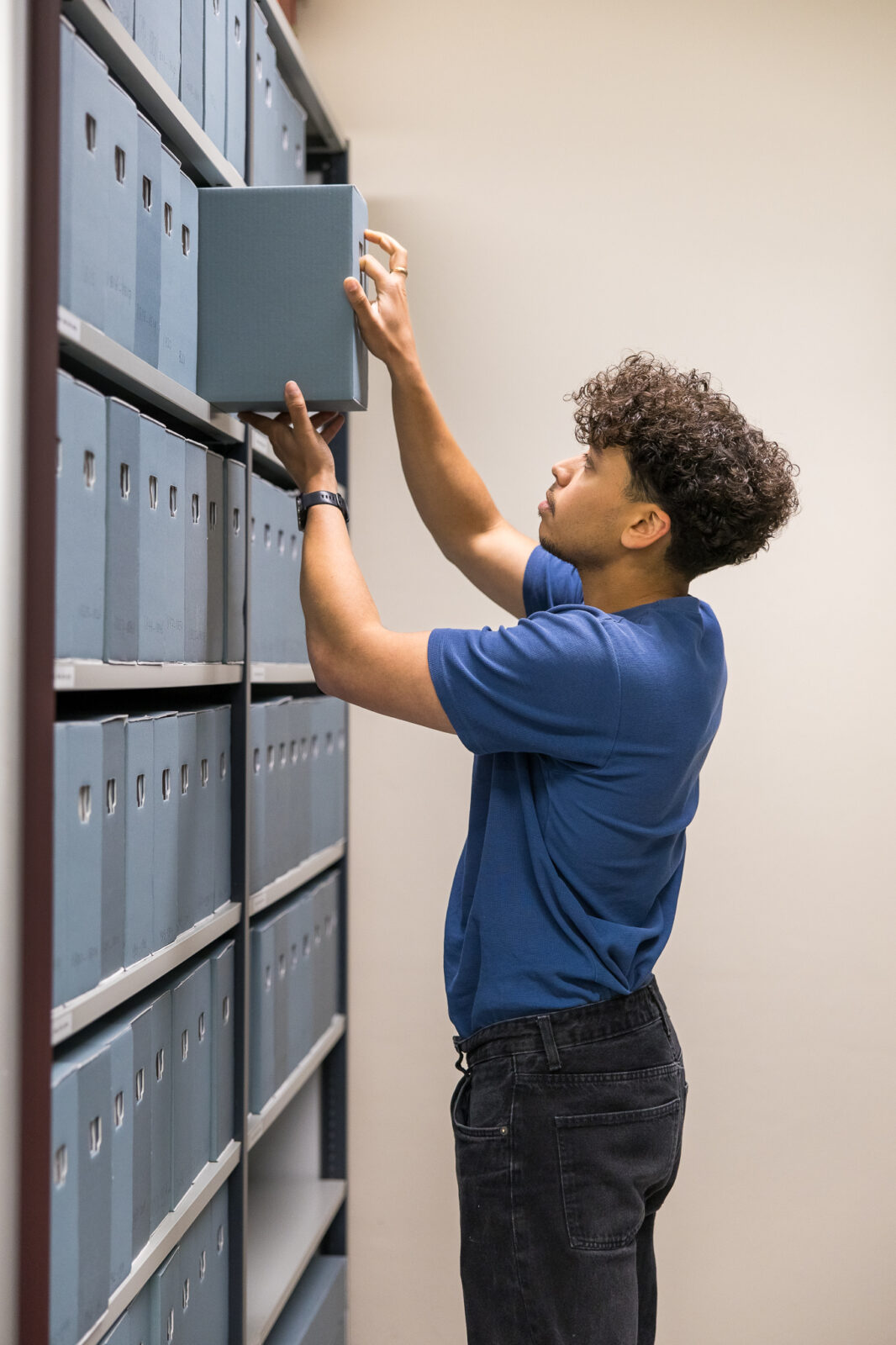
Efficiency gains were achieved through targeted repackaging and practical collection logistics. The beer can collection was fully reorganised, with approximately 800 cans sorted by size and condition and repacked to improve storage density and handling safety. Collection work also continued at external locations, including a multi‑day visit to the Brand Collection in Maastricht, where location registration was updated, objects with mould were isolated, and new acquisitions were registered. These activities supported consistent collection care across the full collection footprint.

A year of preservation and progress
Archive Revive
2025 was a pivotal year for Archive Revive, the project dedicated to safeguarding HEINEKEN’s rich historical archives. Under the guidance of the Heineken Collection Foundation and with the expertise of Doxis, we worked tirelessly to process and relocate approximately 1,900 meters of archival material from multiple sites to Zoeterwoude and Helicon.
Despite unexpected challenges – including biological contamination and the discovery of an additional 1.5 km of archives at Iron Mountain – the team adapted swiftly and delivered on every major milestone. Complex archives were treated and secured, ensuring that these irreplaceable records will remain accessible for generations to come.
We are proud to report that the project stayed within its approved budget and on schedule throughout 2025. However, the newly uncovered archives have highlighted the need for a follow-up phase. While this extension was initially planned for 2026, financial considerations have led to a postponement. Our goal is to resume this important work in 2027, continuing our commitment to preserving HEINEKEN’s legacy in full.
A note of appreciation
We extend our sincere gratitude to our partners Doxis and Helicon for their unwavering support, flexibility, and expertise throughout this journey. Their collaboration has been instrumental in overcoming challenges and achieving success.
10_Team


WE are
a team
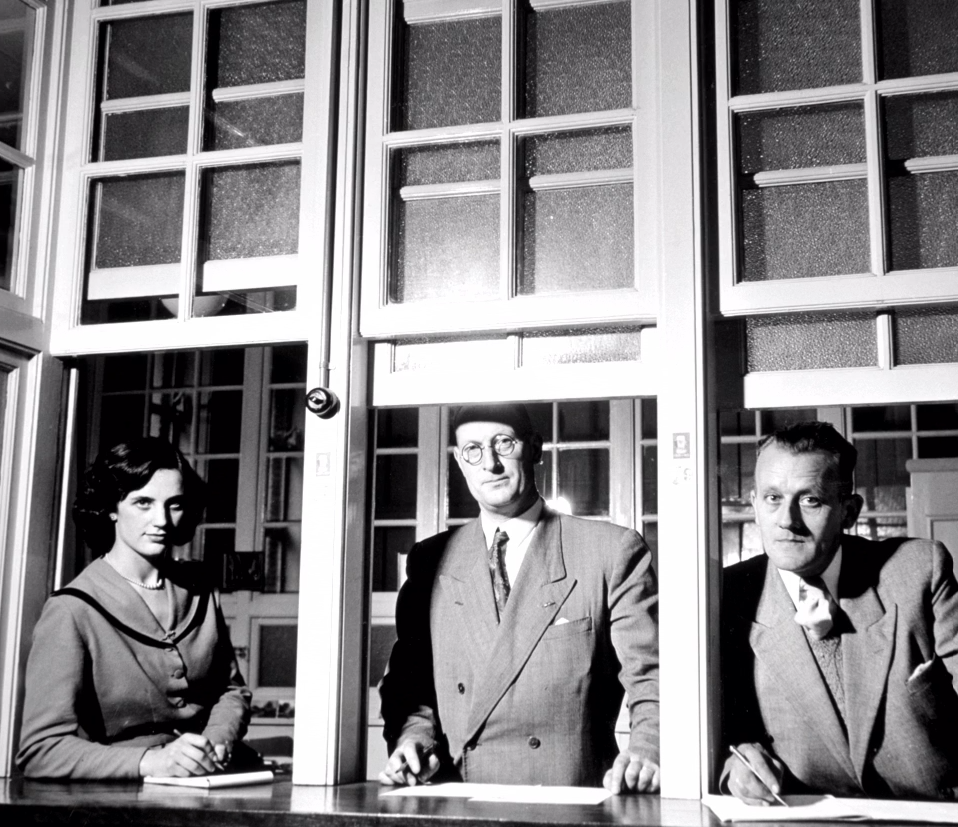
The HCF is supported by a dedicated team seconded from Heineken N.V. and governed by a volunteer board.
Additionally, the HCF engages freelance experts for collection registration, conservation, restoration, and research tasks.